
Cleaner and more modern appearance
The Concealed-Cistern Mistake: Bad Installation and Zero Service Access Hidden Behind a Beautiful Wall
Concealed cisterns create a cleaner look, free the floor visually, and fit perfectly in a modern bathroom. That is why they appear in more and more full renovations.
The problem begins when they are treated as a purely aesthetic upgrade. They are not. They are hydraulic mechanisms that may eventually need service, adjustment, or part replacement.
If real access through the flush plate has not been designed from the start, a minor fault can turn into wall opening, tile removal, and disproportionate expense.
1. Why Concealed Cisterns Became So Popular
Easier cleaning below the toilet
Fewer exposed plumbing elements
Better sense of space in smaller bathrooms
Adjustable toilet height
More minimal final result
The aesthetic gain is real. It simply should not make you forget that the mechanism still exists behind the wall and will someday need attention.
2. The Big Misunderstanding: “If It Is Concealed, It Does Not Need Access”
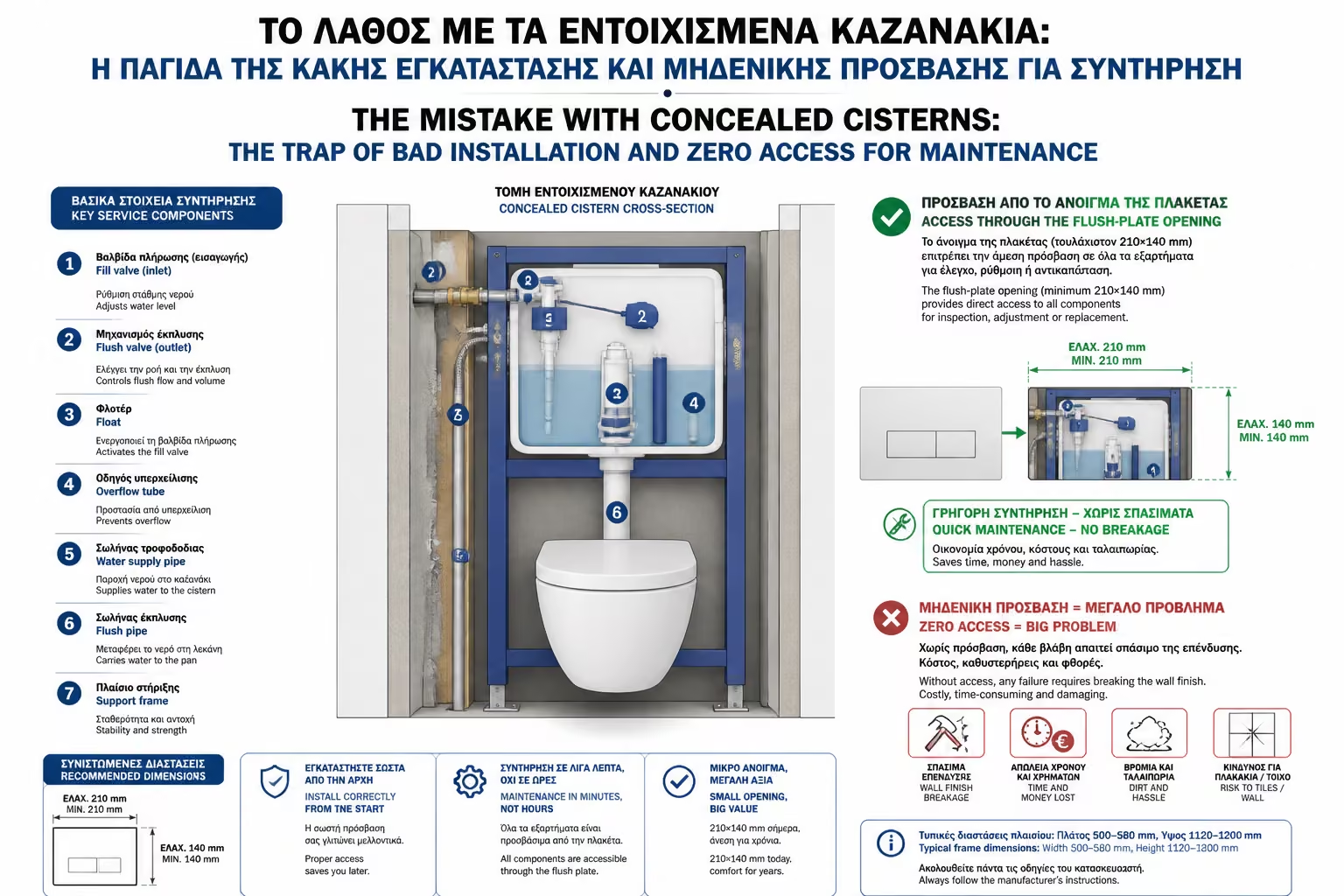
This is the most dangerous assumption. A hidden mechanism is not a maintenance-free mechanism. It is only a mechanism whose access must be designed intelligently from day one.
Every system may eventually need inspection, cleaning, or a replacement part. If that work cannot happen through the flush plate, the visual upgrade becomes a maintenance trap.
Float replacement
Flush-valve replacement
Water-volume adjustment
Limescale cleaning
Leak inspection
Replacement of internal seals
Flush-plate replacement
3. What “Access Through the Flush Plate” Really Means
The flush plate is not only the visible button. It is the primary service opening. A technician must be able to remove the plate and work on the mechanism without damaging the finish.
Plate removal without damage
Access to the float and valve assembly
Replacement of internal parts through the opening
Adjustment of the mechanism and water volume
Service work without breaking tiles
4. The Worst Mistake: Closing the System Without Real Service Access
The most serious mistake is to build the wall so that a flush plate exists in theory, but service access does not exist in practice.
Manufacturer instructions are ignored
The flush plate is positioned incorrectly
The drywall or cement board opening is cut badly
Tiles reduce the service opening
Shelves or cabinetry block the plate
The required free space is never left
5. What Can Go Wrong Later On
A concealed cistern may work perfectly for years. That does not mean it will never need intervention.
Water keeps running into the bowl
The cistern does not refill correctly
The float sticks
The flush plate stops responding properly
Limescale or water noise develops
The flush volume needs adjustment
With proper access, many of these are routine repairs. Without access, the same problems become expensive.
6. Why Bad Installation Becomes Expensive
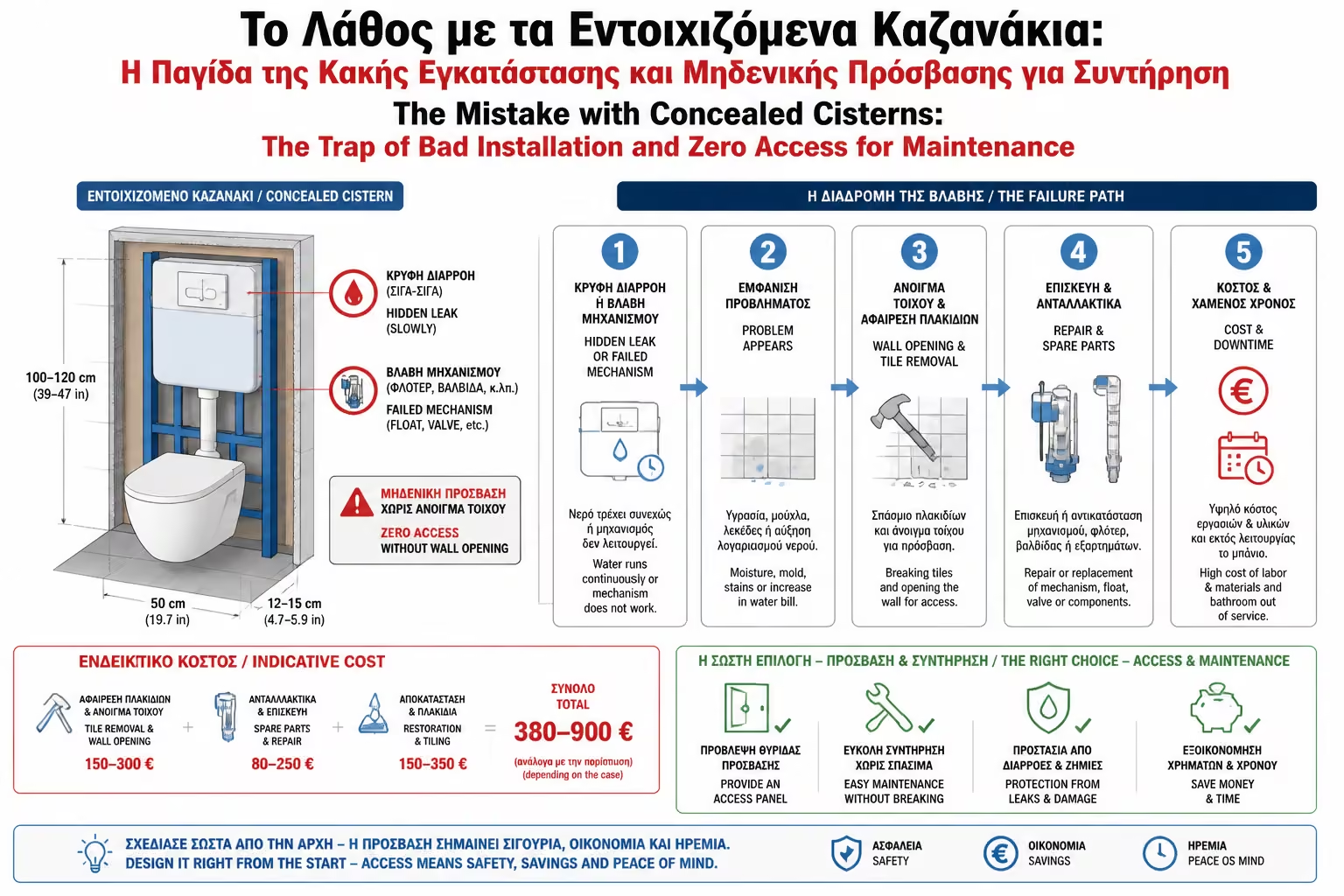
A concealed cistern sits behind finished surfaces. That means every access mistake turns a minor fault into building work.
Tile removal
Opening drywall or cement board
Rebuilding the surrounding structure
New tiles and grouting
Possible paint or finishing repairs around the opening
The problem is not the concealed system itself. The problem is installing it as though nobody will ever need to touch it again.
7. When a Concealed Cistern Is Worth It
When you want a wall-hung toilet
When you want a more modern finish
When you are doing a full renovation with the bathroom already open
When there is time for proper planning and the correct support frame
When you choose a reliable system with real spare-part availability
8. When It Requires Extra Attention
Very small bathroom
Limited wall depth
Toilet relocated from its old position
Drywall construction
Shelf, window, or obstacle near the plate
Demand for an ultra-thin wall build-up
The tighter the space, the more important it becomes to design service access before anything is closed.
9. Correct Installation: What Must Be Planned
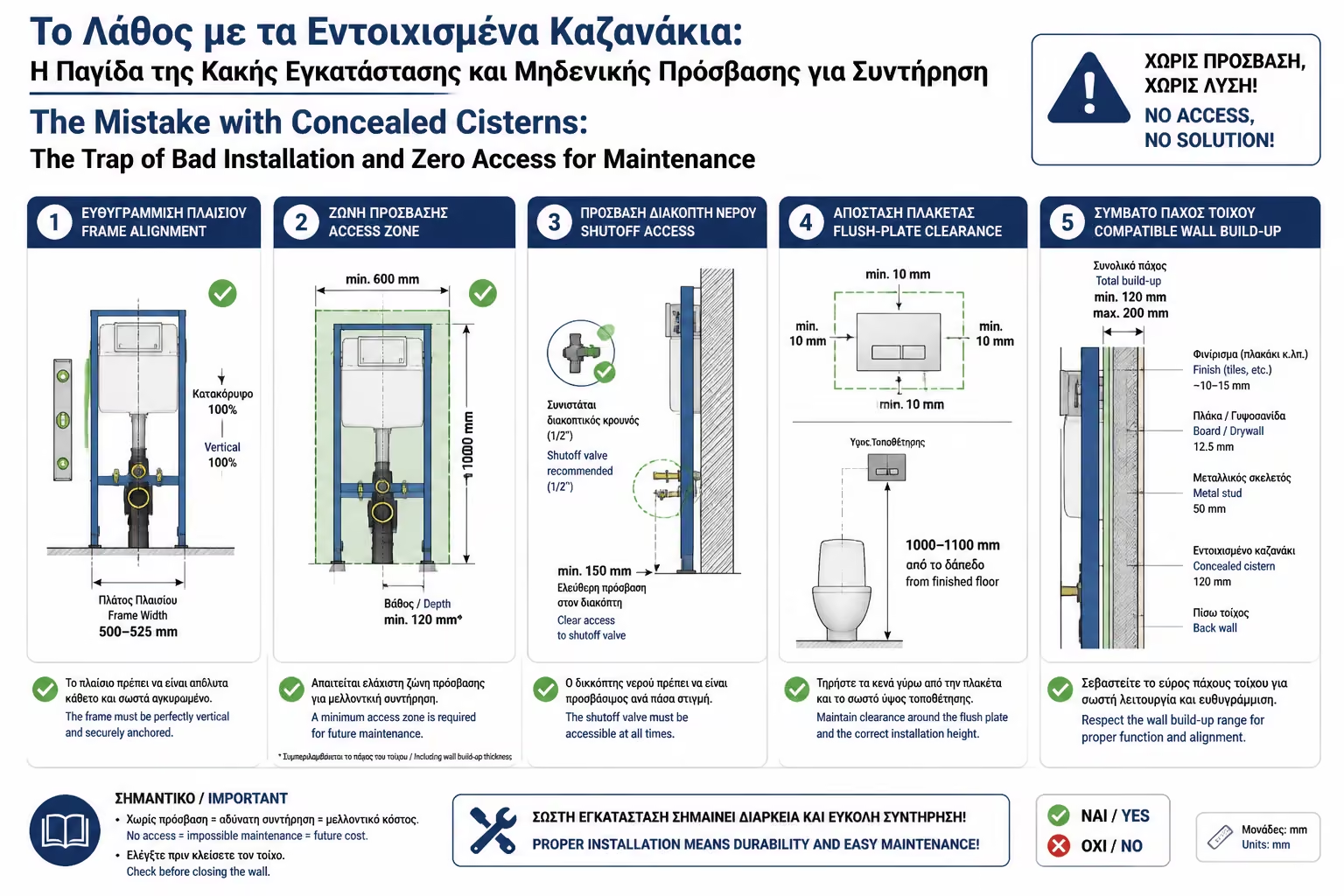
Correct installation is not one isolated detail. It is the combination of the right support frame, the right plumbing connections, and the right way of closing the wall.
Correct support frame
The toilet must be carried by a system designed for the load and compatible with the chosen cistern.
Correct drainage and water-feed connections
Toilet position is not a decorative choice. It must be checked together with drainage geometry and water supply.
Correct flush-plate position
The plate must sit exactly where the system intends and remain removable without force.
Correct wall closure
The cladding and tile work must not reduce the service opening or block part replacement.
10. The Flush Plate Must Not Be Jammed in Place
If the flush plate can only be removed by prying, forcing, or risking breakage, then the installation was not completed correctly.
Bad tile cuts
Grout or adhesive too close to the perimeter
No tolerance around the plate
No removal test before handover
11. Do Not Block the Access with Furniture or Shelves
Shelf placed too close to the plate
Cabinet above the toilet
Radiator in front of the opening
Decorative cladding that cannot be removed
Very low window or sill
It is not enough for a flush plate to exist in theory. A technician must actually be able to remove it and work.
12. What You Should Ask Before Installation
How is service performed?
Can internal mechanisms be replaced through the plate?
Will the manufacturer instructions be followed?
Is the support frame the correct one?
Is the wall suitable, or is extra structure needed?
What happens if the float fails later?
Are spare parts actually available?
What warranty covers the product and the installation?
13. What the Quote Should Explicitly Include
System type or model category
Support frame
Flush plate
Wall-hung toilet
Water-feed and drainage connection
Wall closure / cladding build-up
Tile work around the flush plate
Explicit service-access provision
Exclusions
Product and labor warranty
14. Indicative Cost
| Work / Material | Realistic cost |
|---|---|
| Concealed cistern / frame | €150 - €350 |
| Flush plate | €40 - €180+ |
| Wall-hung toilet | €150 - €400+ |
| Installation labor | €200 - €500+ |
| Wall closure / cladding | €150 - €400+ |
| Total with labor | €600 - €1.500+ |
This solution costs more than a simple floor-mounted toilet with exposed cistern. It becomes worthwhile when the system is reliable and the installation is done correctly.
15. What Happens If It Fails and There Is No Access
Difficult plate removal
No practical way to replace the mechanism through the opening
Tile removal becomes necessary
The wall must be opened
The cladding is damaged and must be rebuilt
In those cases, the cost is no longer defined by the spare part. It is defined by how badly the original installation compromised serviceability.
16. How to Check Everything Before the Wall Is Closed
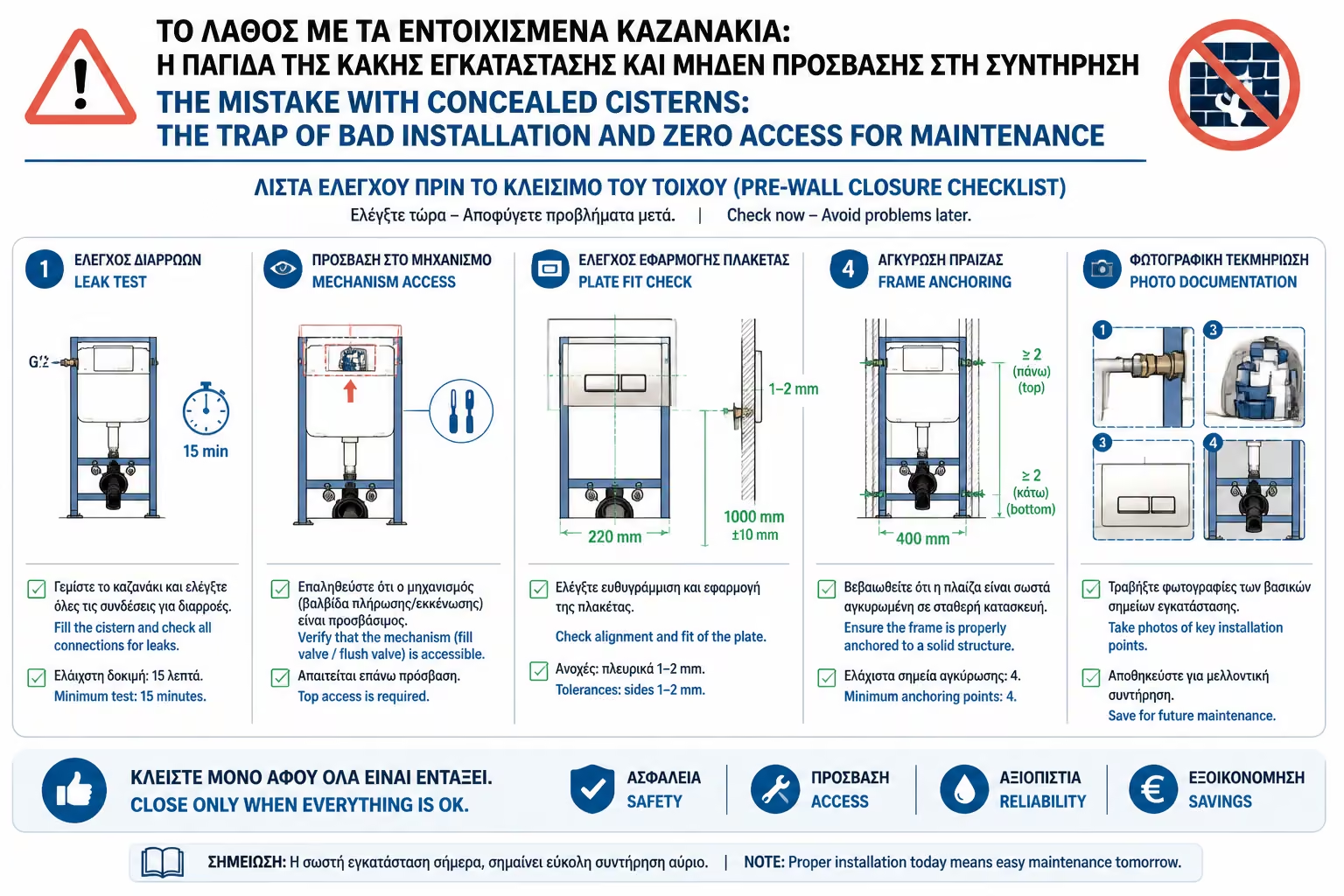
Before the final cladding and tiles go in, insist on a short but strict inspection. That step prevents most future surprises.
The frame is fixed properly
The toilet height has been agreed
The drainage outlet is in the correct position
The water feed is correct and accessible
The flush plate matches the chosen system
The service opening is not restricted
The mechanism is genuinely reachable
Photos exist before the wall is closed
17. Common Mistakes
Choosing an ultra-cheap or unknown system
Improvised wall build-up
Tiles blocking the service opening
No test removal of the flush plate
No photographic record before closure
18. When a Simple Floor-Mounted Toilet May Be Better
In some situations, the simpler option is also the more rational one.
When the budget is very tight
When the wall depth or wall type is unsuitable
When easy future service is the main priority
When technical simplicity matters more than hidden hardware
19. Checklist Before Choosing a Concealed Cistern
There is a suitable wall or support build-up
The system has a reliable spare-parts network
The flush plate will remain fully serviceable
No obstacle will block the service opening
The quote clearly identifies the system
A responsible installer is clearly assigned
20. A Practical Example of Bad Installation
A homeowner chooses a wall-hung toilet to achieve a more minimal bathroom. The crew closes the system, cuts the tiles tightly around the flush plate, and places a shelf directly above it. Two years later, the float begins to stick.
The plate does not come out easily, the technician has no room to work, and a simple service call turns into a partial demolition. The failure was not the fault itself. The failure was the absence of proper access.
💡 The Engineer's Advice
A concealed cistern is an excellent choice only when it is designed as a system that will someday need service. Do not judge it only by how elegant the toilet looks in the room. Ask how the flush plate is removed, whether the mechanism can be replaced through that opening, who the manufacturer is, and whether spare parts exist locally. If access is not absolutely clear before the wall is closed, the installation is not ready.
Conclusion
A concealed cistern is not a wrong choice by itself. On the contrary, it can be an excellent choice when the installation is executed correctly and with future maintenance in mind.
Reliable system
Correct frame and plumbing connections
Flush plate that comes out easily
Real service access
No blocking shelves or furniture
Photos before the wall is closed
If those points are respected, you get the clean look you want without sacrificing maintainability. If not, the hidden cistern can become the most expensive hidden problem in an otherwise beautiful bathroom.
Related Articles
Private Contractor Agreement: Why It's Necessary and What It Should Include DIY Failures: Which Bathroom Renovation Jobs You Should Not Do Yourself The Old Plumbing Trap: Why Old Piping Under New Tile Is the Biggest Risk The 10 Biggest Bathroom Remodeling Mistakes: The Ultimate Guide to Homeowner Regrets After the Project
Bathroom Renovation & Design Guide
Return to category.
Go to categoryCentral Guide
Return to the central guide.
Go to guide