Partial vs Full Bathroom Remodeling: When Old Plumbing Is a "Time Bomb"

When we start the process of renovating a bathroom, the first conversation that takes place at the panel almost always concerns the budget. That's exactly where the big dilemma arises: "Should we tear everything down from the beginning or do a "freshen up" by changing only tiles and sanitary ware to save money?"

The distinction between partial and total renovation is not just a matter of cost; it is a matter of technical responsibility and risk. The bathroom hides beneath its surface a complex network of water supply and drainage. If you make the wrong decision, cheap can become extremely expensive in a matter of months.

Let's objectively analyze when it is worth keeping the existing infrastructure and when complete dismantling is the only, correct path.

1. Partial Renovation: The "Face-lift" Solution

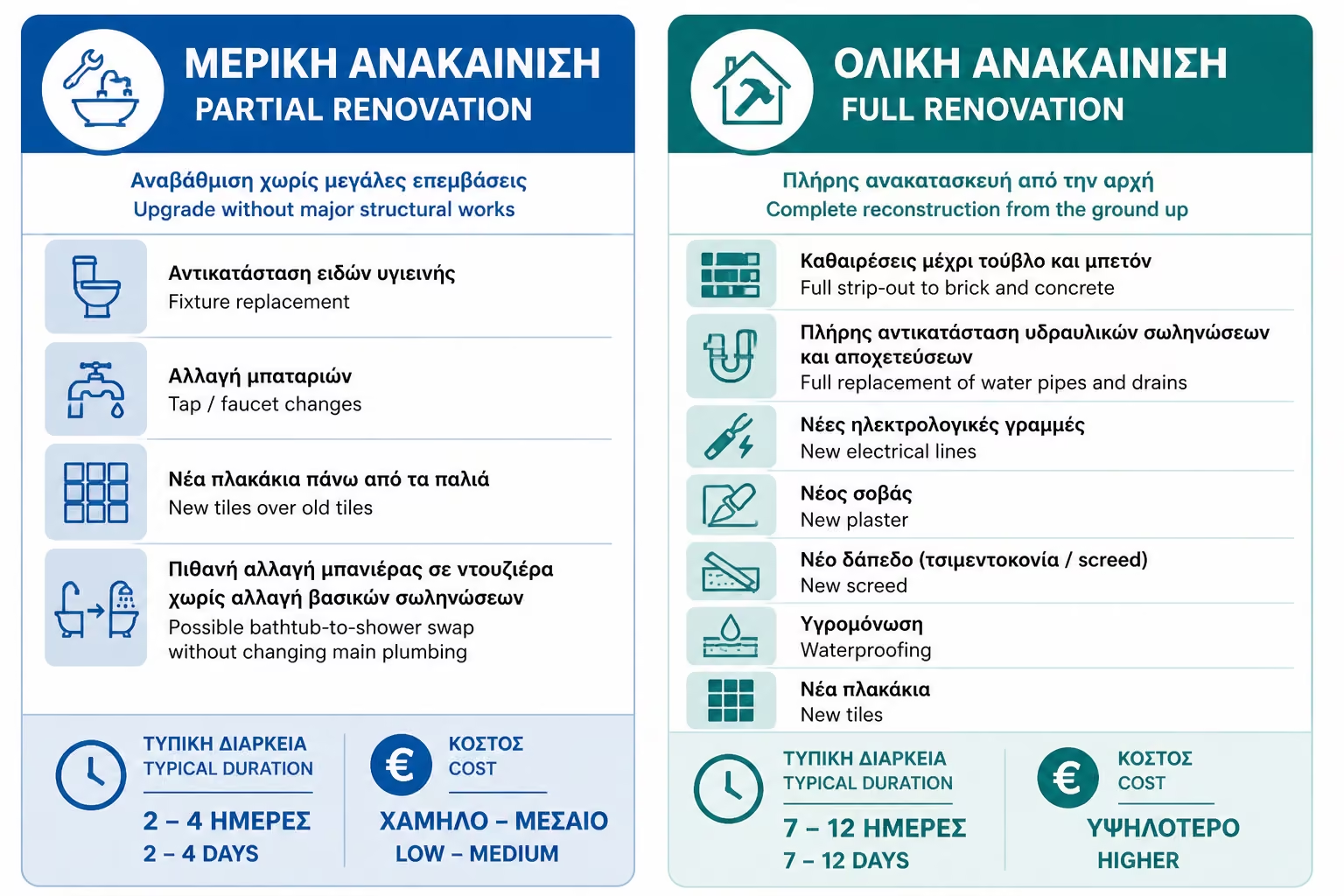
The partial renovation focuses exclusively on the aesthetic and surface upgrade of the space, without touching the piping behind the walls and under the floor.

Illustration for 1. Partial Renovation: The "Face-lift" Solution

What it usually includes:

  • Replacement of the old toilet, sink, and vanity unit.
  • Replacement of taps and accessories.
  • Installation of new tiles over the old ones with the proper primer, or repainting the existing tiles with epoxy coatings.
  • Replacement of the bathtub with a shower, as long as the main drainage layout is not affected.

When is it a safe choice?

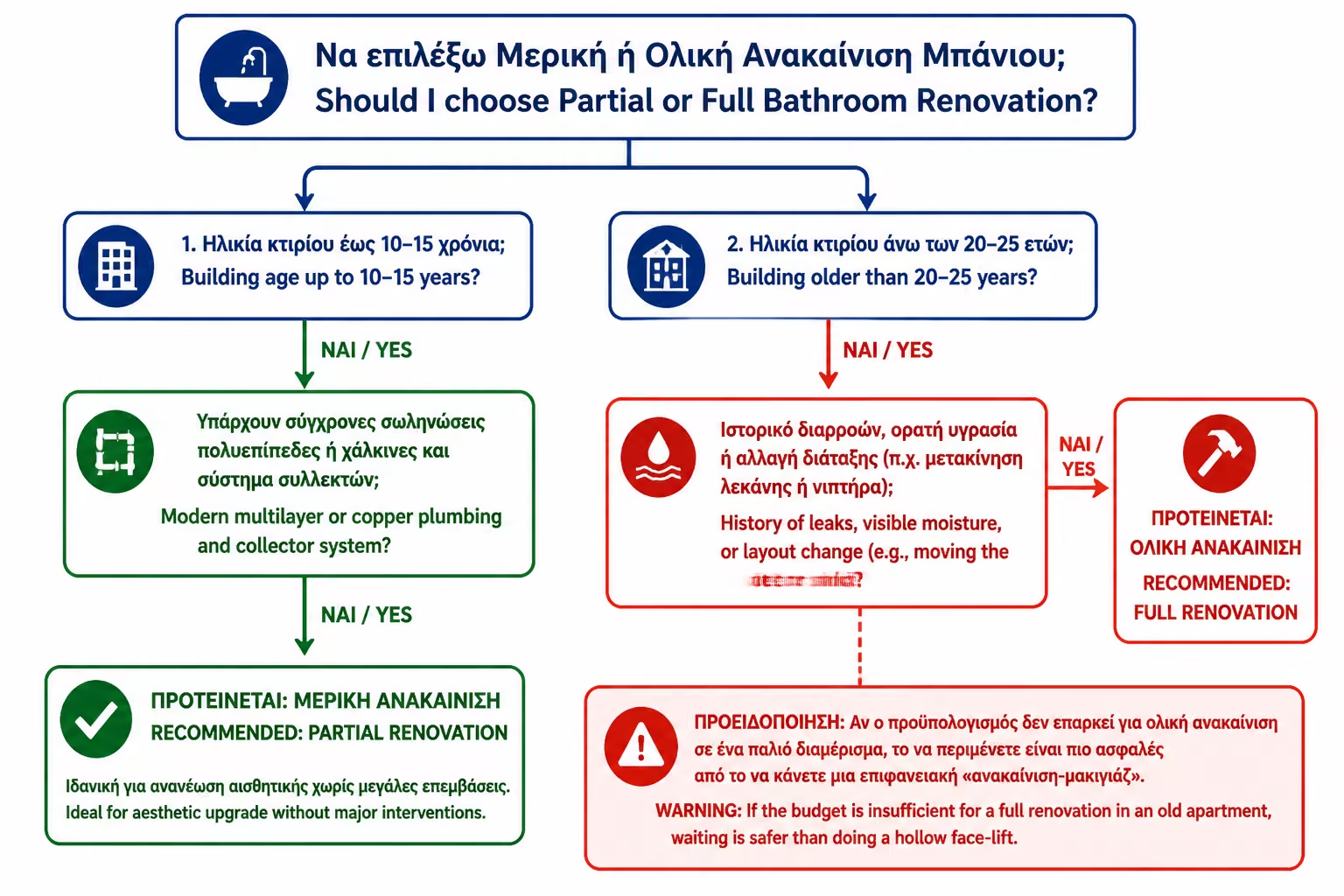
  1. In a relatively new building up to 10-15 years old, where the plumbing network uses modern multilayer pipes or copper without risky old joints and includes a central manifold.
  2. When the budget is tightly limited or the property is intended for short-term rental and the goal is a fast cosmetic upgrade with minimal work time.

2. Total Renovation: The Radical Reconstruction

Illustration for 2. Total Renovation: The Radical Reconstruction

The total renovation means that the bathroom is back to 'new condition'. Everything is stripped down to the brick and concrete, and a brand new network is built from scratch.

What must be included:

  • Complete removal of tiles, plaster layers, and the existing floor screed.
  • Full replacement of the water supply pipes and drainage traps or lines.
  • A new electrical installation with new circuits, sockets, and grounding.
  • New wall leveling, new floor falls screed, waterproofing, and new tile installation.

When is it 100% the only option?

  1. In properties older than 20-25 years, especially when the bathroom was built before 2000 and may still hide galvanized steel pipes or old copper lines with worn joints.
  2. When there is a history of leaks or visible damp marks on adjacent walls or on the ceiling of the apartment below.
  3. When the layout changes, such as moving the toilet to another wall or relocating the sink, because the intervention in the hidden networks becomes too extensive for a partial renovation to make sense.

The Wrong Choice Nightmare Scenario

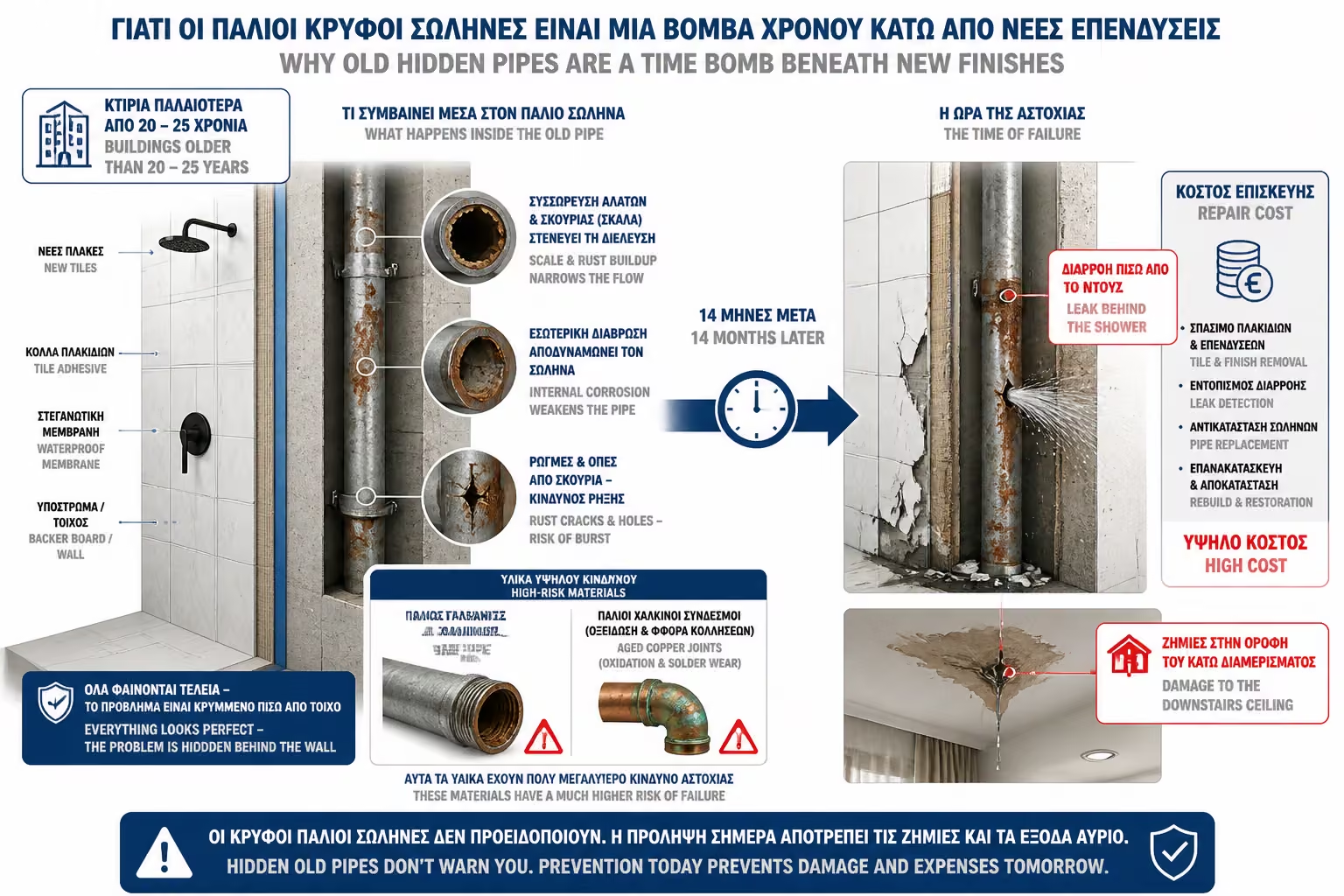
Imagine this: You decide to partially renovate a 30-year-old bathroom to save €1,500 on plumbing and demolition. You buy beautiful, expensive tiles and designer sanitary ware.

After 14 months, an old iron pipe behind the shower gave up the spirit due to corrosion. The result? You have to break up the new tiles, find (if they still exist) matching supplies, pay double fees to plumbers and tilers, and possibly compensate the downstairs neighbor for damage to his own ceiling. The risk is simply not worth it.

Illustration for The Wrong Choice Nightmare Scenario

Comparison Table: Partial vs Total Renovation

Illustration for Comparison Table: Partial vs Total Renovation
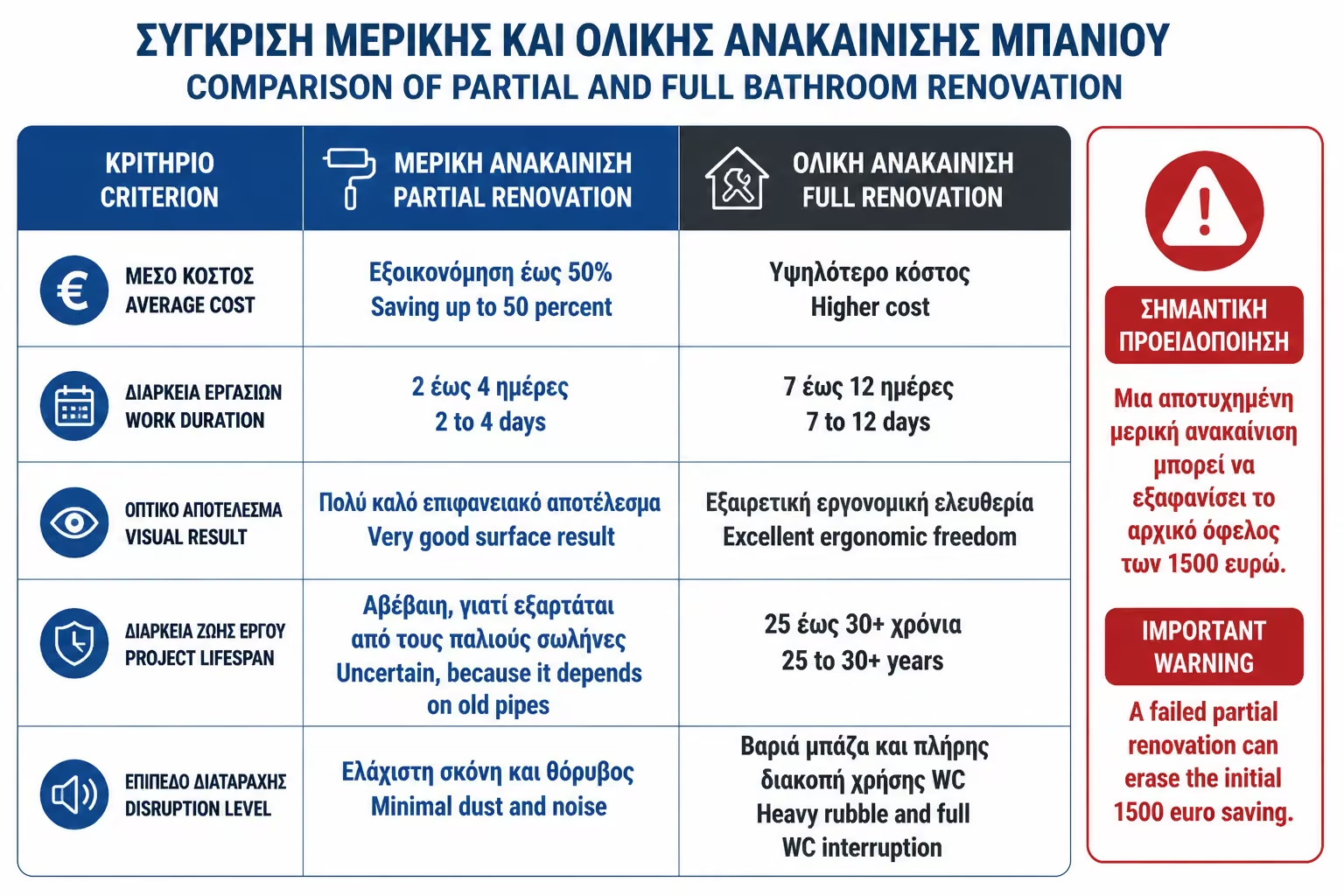
Criterion of Comparison Partial Renovation 🛠️ Complete Renovation 🏗️
Average cost Low to Moderate (Save up to 50%) Higher (Due to infrastructure labor & materials)
Duration of Works 2 - 4 days 7 - 12 days
Visual Result Very Good (Superficially) Excellent & Ergonomically free
Project Lifetime Uncertain (Depends on old pipes) 25 - 30+ years (With new materials warranty)
Disturbance Level Minimal dust and noise Large volume of litter, noise, complete WC break

💡 The Engineer's Advice

> “There is a simple, golden test to make the decision. If the property is old but your budget is not sufficient for a total renovation right now, do nothing. It is better to wait 6 months or a year until you collect the required capital, than to throw money at a "hollow" face-lift. > If again the pipes are proven to be plastic/multilayer (newer construction) and you decide to do a partial renovation by putting tile on top of tile, pay attention to the total thickness. The double tile will reduce the clean opening of the door frame and force the carpenter to "cut" the door at the bottom due to the floor being raised."

In our next article, we will move on to the practical part of preparation: Home Preparation & Space Protection. We'll see how to shield the rest of the house with nylon, corrugated cardboard and special tapes so that bathroom dust and debris don't damage your floors and furniture.

Related Articles

Preview