Odule cardboard (Heavy-duty)
Rolled corrugated cardboard is a flooring's best friend. It absorbs the shocks from any falling tools or mortars and does not slip.
If there's one universal constant in renovations, it's this one: Bathroom dust has an intelligence of its own. It can travel under doors, turn into hallways and take up residence in your most expensive curtains or in the wardrobe of your good clothes in the bedroom.
The stripping phase (when the craftsman breaks up the old tiles and cement with the compressor) produces an extremely fine, powdered cement and plaster. This dust isn't just annoying to clean; it's abrasive, meaning that if it gets stepped on a good wood floor, it can scratch it beyond repair.
Before you let the first crew through the threshold, you need to turn the rest of the house into a "shield". Here is the practical survival guide for properly shielding your premises.
Don't expect garages to bring protective materials for your own home (unless you've signed up with a company that specifically does). Take a trip to the neighborhood paint store and stock up on:
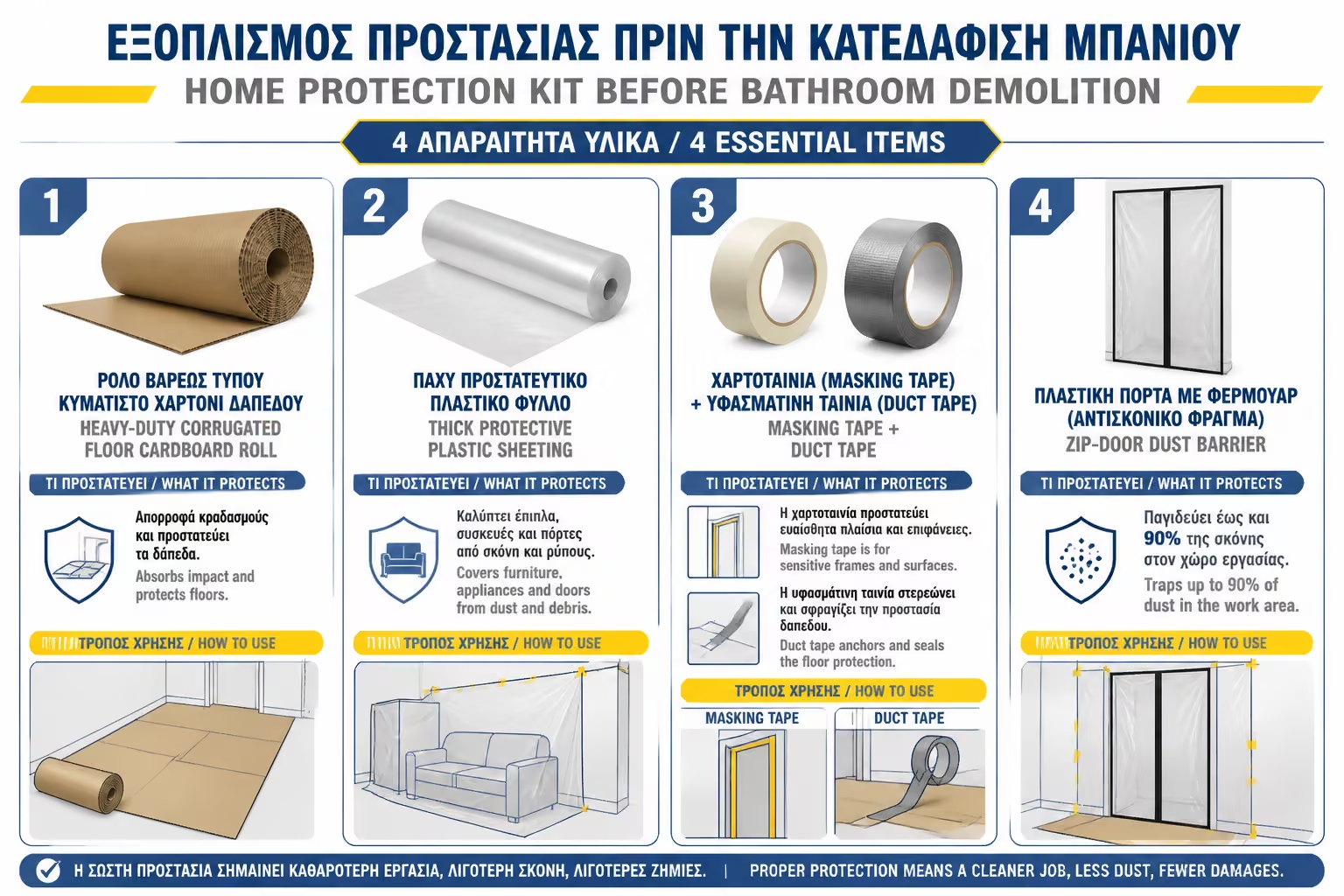
Rolled corrugated cardboard is a flooring's best friend. It absorbs the shocks from any falling tools or mortars and does not slip.
Choose thick nylons (not the very thin ones that tear at the slightest) to cover furniture and doors.
The paper tape is used for sensitive surfaces (walls, boxes), while the duct tape is used to stabilize the cardboard on the floor.
The ultimate investment. This is a ready-made nylon with a built-in zipper that attaches around the bathroom or hallway door frame.
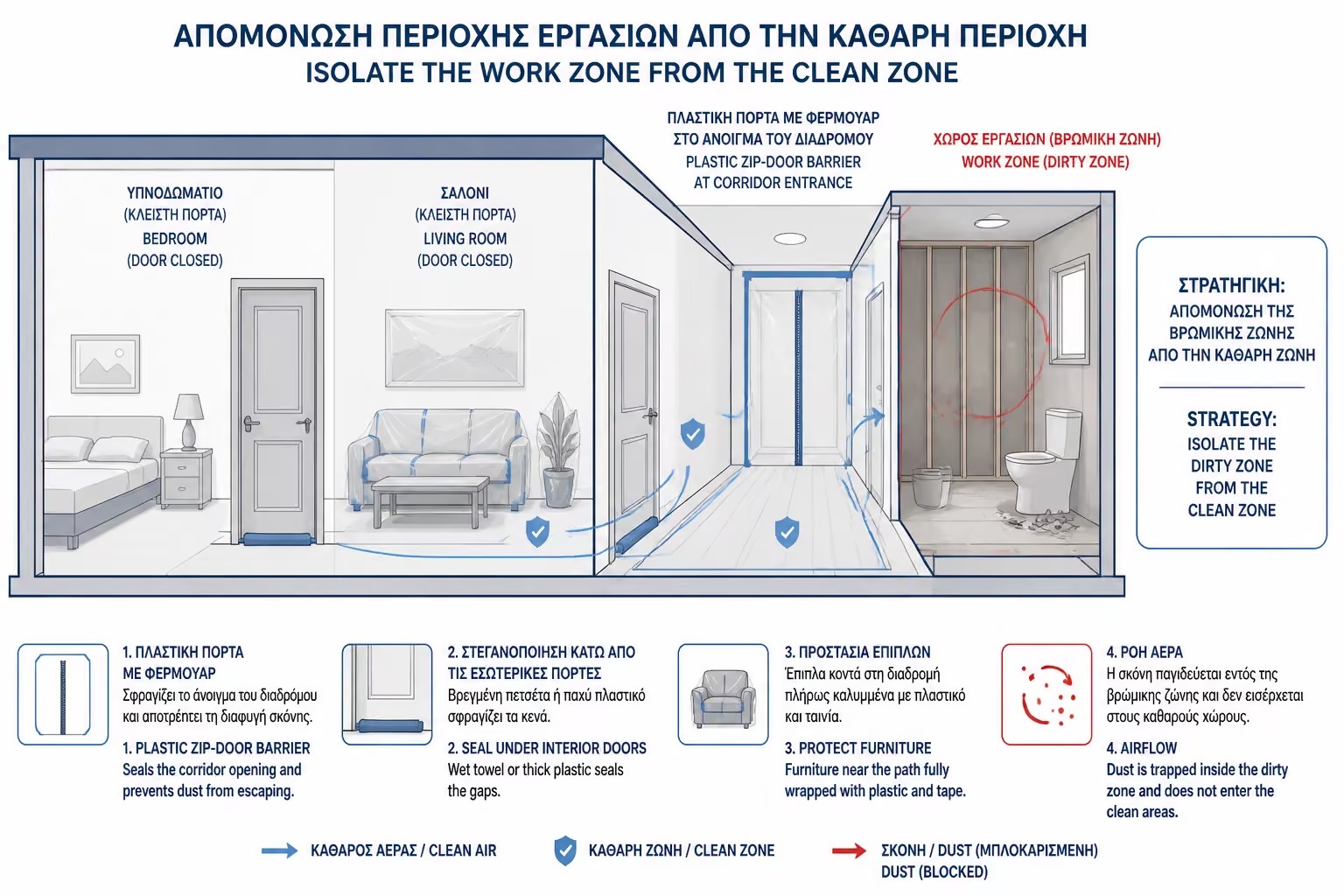
The strategy is simple: We completely isolate the work zone from the clean zone.
Place the zippered plastic door at the entrance to the hallway leading to the bathroom. Craftsmen will zip in and out, trapping 90% of the dust inside.
Close the bedroom and living room doors. Place a wet towel or thick nylon in the gap between the bottom of the door and the floor (the threshold).
If there is furniture in the hallway or near the movement zone of the craftsmen, cover it with nylon and seal the edges with tape.
The debris will leave the bathroom in buckets or sacks to end up on the balcony (if there is a chute) or at the front door. This path must become unscathed.
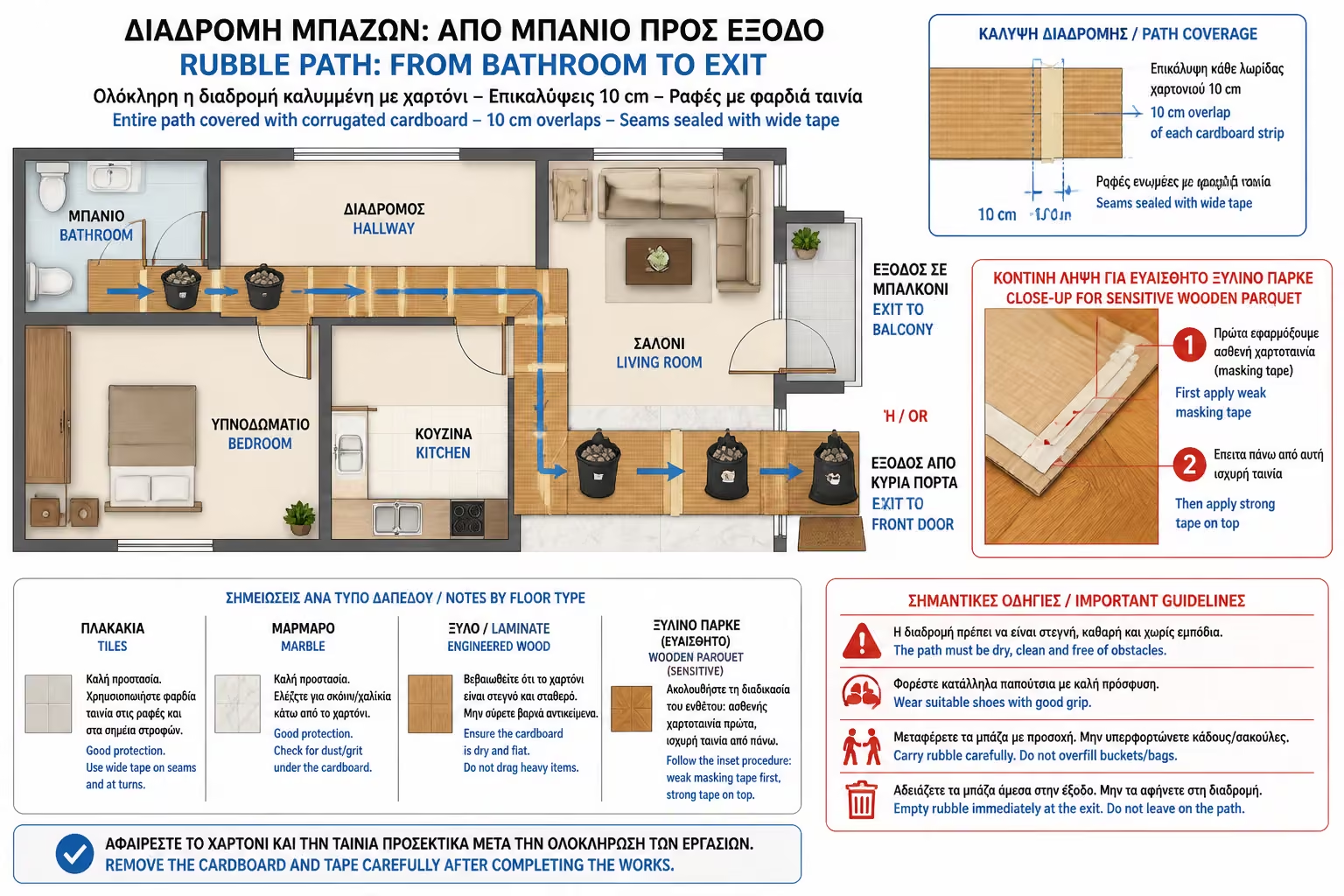
Cover the entire floor of the route (eg from the bathroom to the front door) with cardboard.
Do not leave gaps between the cartons. Overlap one roll on top of the other by 10cm and stick them together with wide tape.
Tape the edges of the cardboard to the floor. But be careful: If you have a sensitive wooden floor (parquet), do not stick strong duct tape directly to the wood because during removal it may lift the varnish. First put a layer of plain paper tape and stick the strong tape on it.
The biggest mistake that many owners make in the summer is to leave the air conditioning on in the living room "so the craftsmen don't get hot".
Air conditioners recirculate room air. If there is even a little bit of dust in the air, the AC will suck it up, clog its filters, fill its internal element with cement sludge, and then spread it all over the house. During demolitions, the air conditioning remains strictly off.
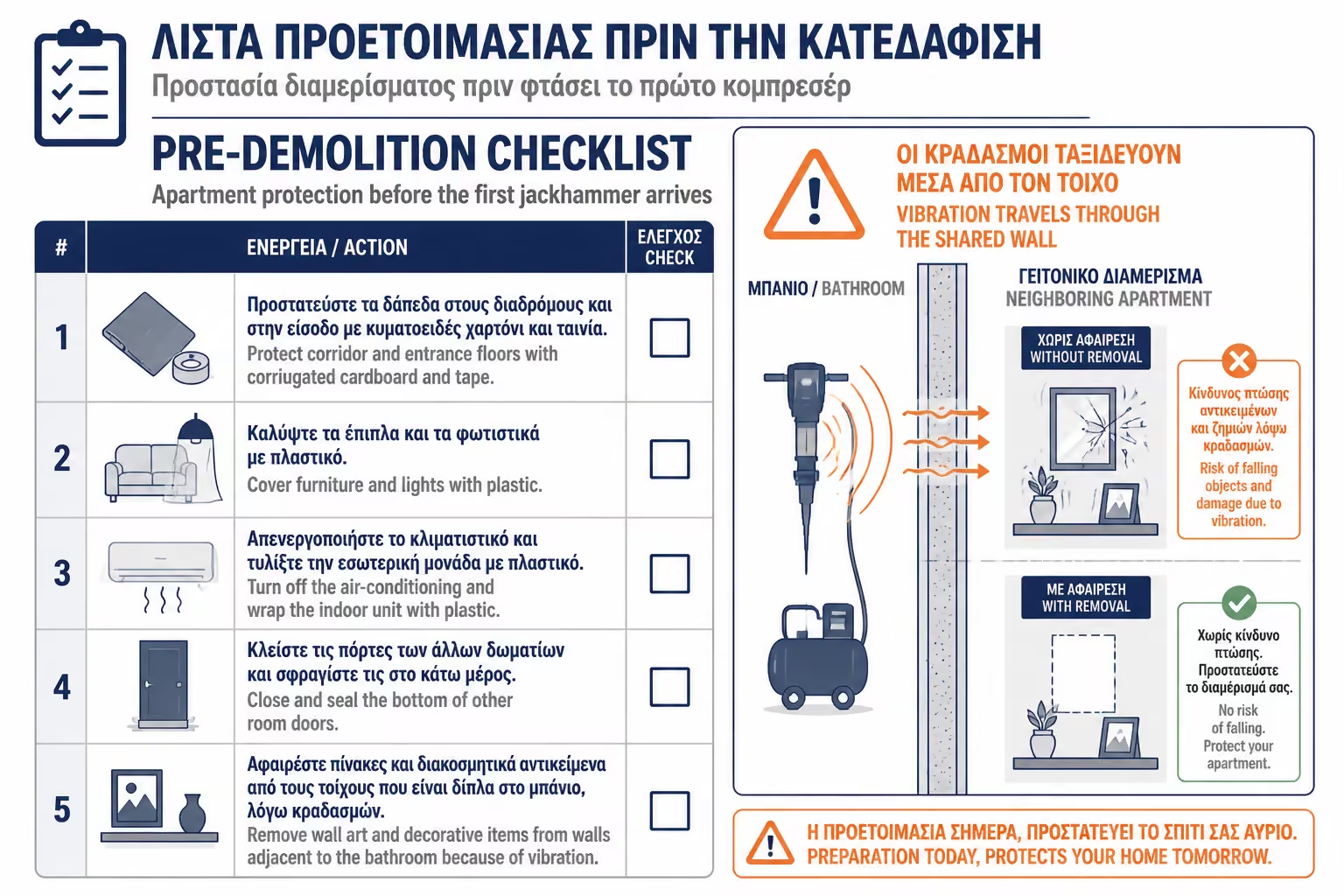
| Area / Object | Protection Action | Has it been checked? |
|---|---|---|
| Hallway/Entrance Floors | Layering with odule cardboard and good taping. | [ ] |
| Furniture & Lighting | Cover with nylon (especially if there are fabric sofas). | [ ] |
| Air conditioners (AC) | Turn off and cover the indoor unit with nylon. | [ ] |
| Doors to other rooms | Locking and sealing the bottom with stoppers or towels. | [ ] |
| Paintings / Decorations | Removal from the walls bordering the bathroom (due to vibrations). | [ ] |
> ⚠️ The Engineer's Tip: The vibrations from the compressor are transmitted through the walls. If on the wall bordering the bathroom (from the back side, for example in the living room or kitchen) you have hanging paintings, mirrors or shelves with glasses, hang them all. The vibration of removing tiles can drop them and break them, even if they are in a "safe" room.
In the next article, we move on to a big decision that will judge your mental health and your pocketbook: Home Inspection vs Turnkey Renovation. We'll break down what it means to coordinate workshops yourself (and the hidden pitfalls of the market) versus outsourcing the work to a contractor or engineer.
Return to category.
Go to categoryReturn to the central guide.
Go to guide