Phase 1 - Stripping & Tearing Down: The "Surgical" Stripping of the Bathroom

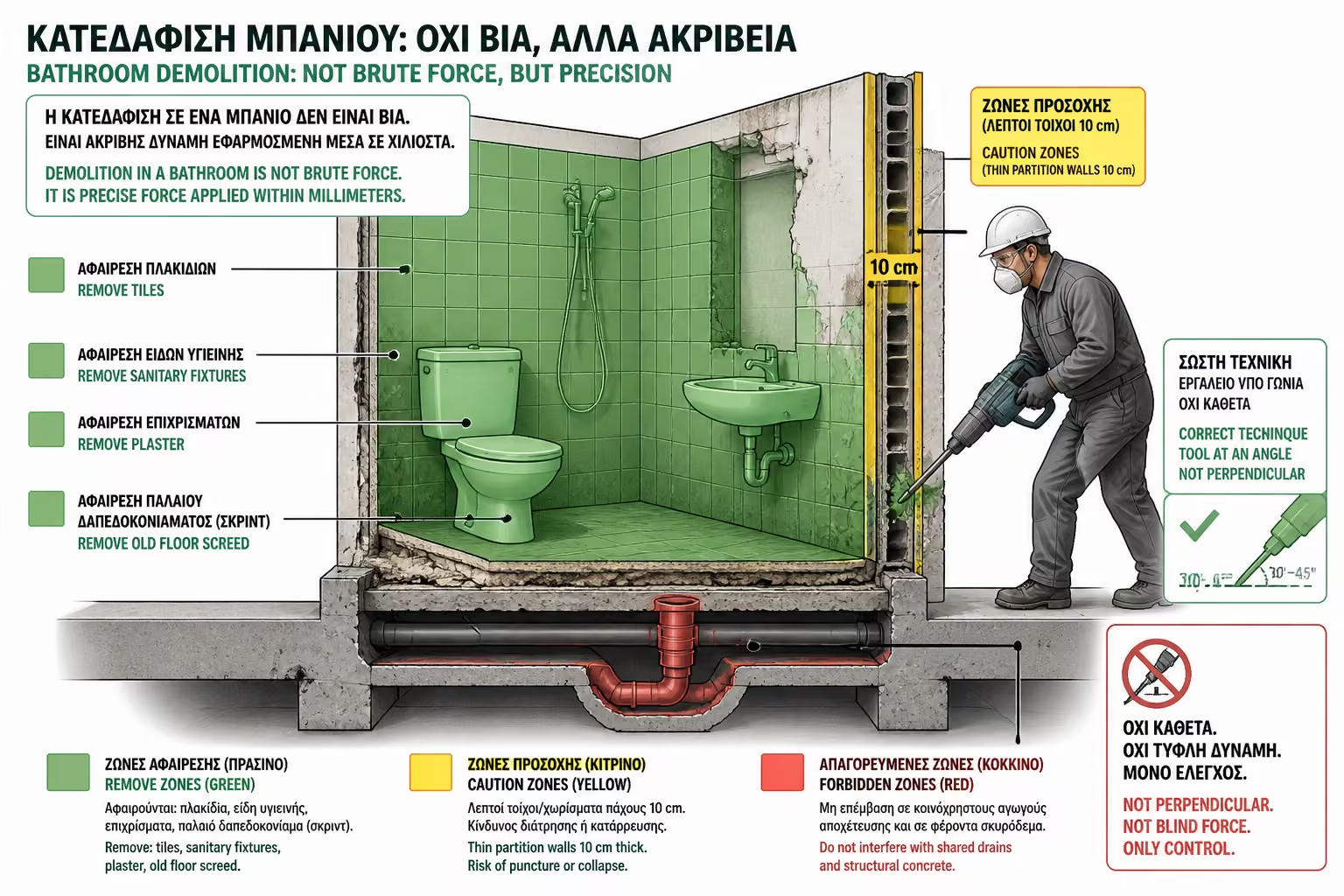
There is a common misunderstanding surrounding the first phase of renovation: many people think that demolition is a blind muscle power job. You take a heavy, an electric compressor, break everything you find in front of you and clean.

In fact, gutting a bathroom is more like surgery. Within a few square meters, the removalist must exert enormous force to break old concrete and tiles, but at the same time stop his tool with millimeter precision before drilling a central drain of the apartment building or knocking down the wall of the next room.

Let's see how Phase 1 of the renovation is performed correctly and safely, protecting the stability of your home.

1. Removing Toiletries & The Bathtub Trap

Before any hammering begins, the apartment's central water supply is isolated and the sink and basin are carefully disconnected. The big "thorn" at this stage, however, is the old cast-iron bathtub.

Illustration for 1. Removing Toiletries & The Bathtub Trap

The Cast Iron Bathtubs

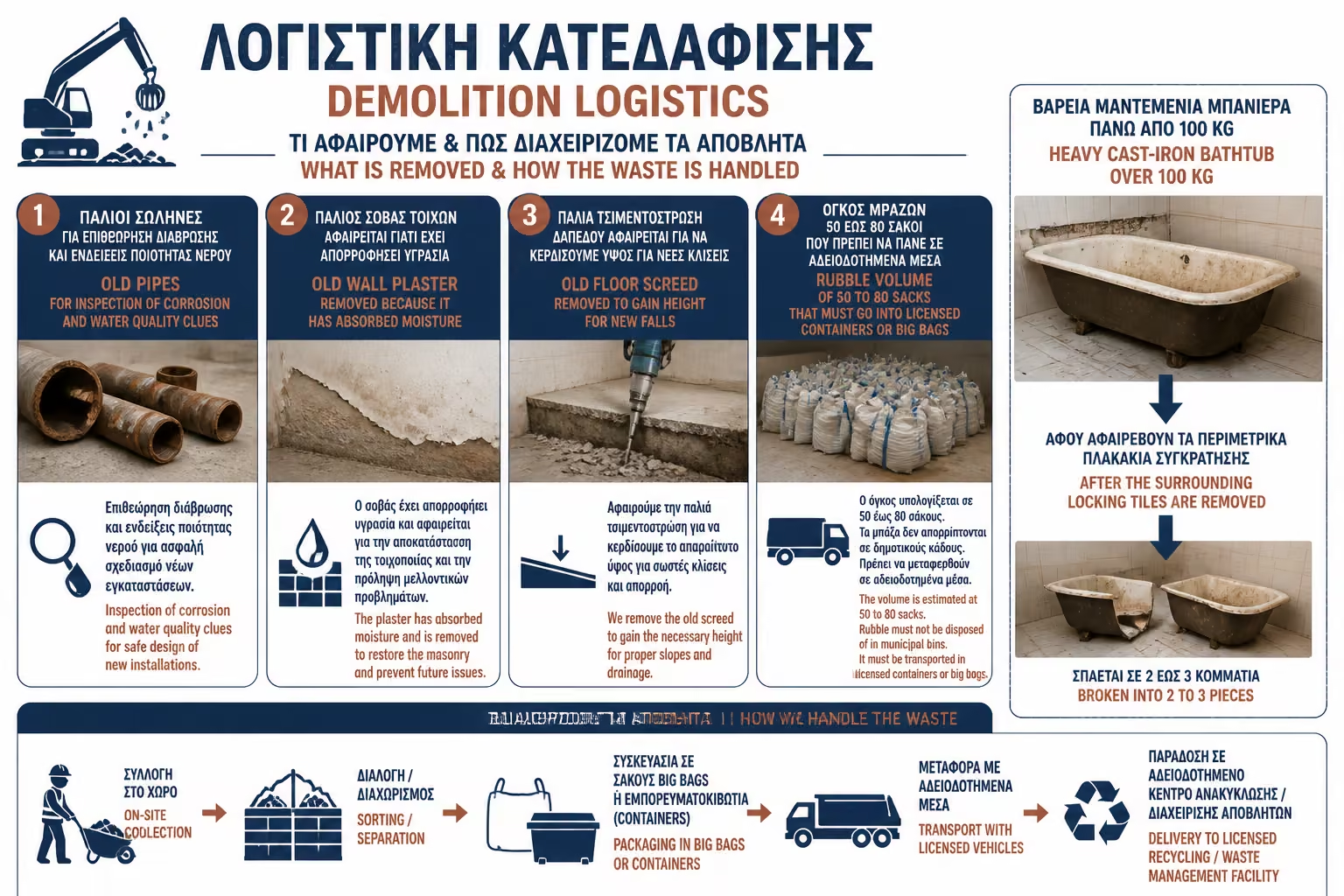
They are extremely heavy (often over 100 kg) and are usually built deep into the walls. If the workers try to pull it out intact, they run the risk of being carried away and knocking down an entire brick from the surrounding walls.

The Right Technique

The experienced craftsman breaks the tiles around the perimeter that "lock" the bathtub. Then, using a heavy one, he slams the cast iron into its center. Marble and cast iron are brittle materials, meaning that with a few hard hits the tub will crack and break into 2-3 pieces, making its removal easy and safe for the walls and workers' backs.

2. Tile & Substrate Removal: Getting to the "Bone"

Illustration for 2. Tile & Substrate Removal: Getting to the "Bone"

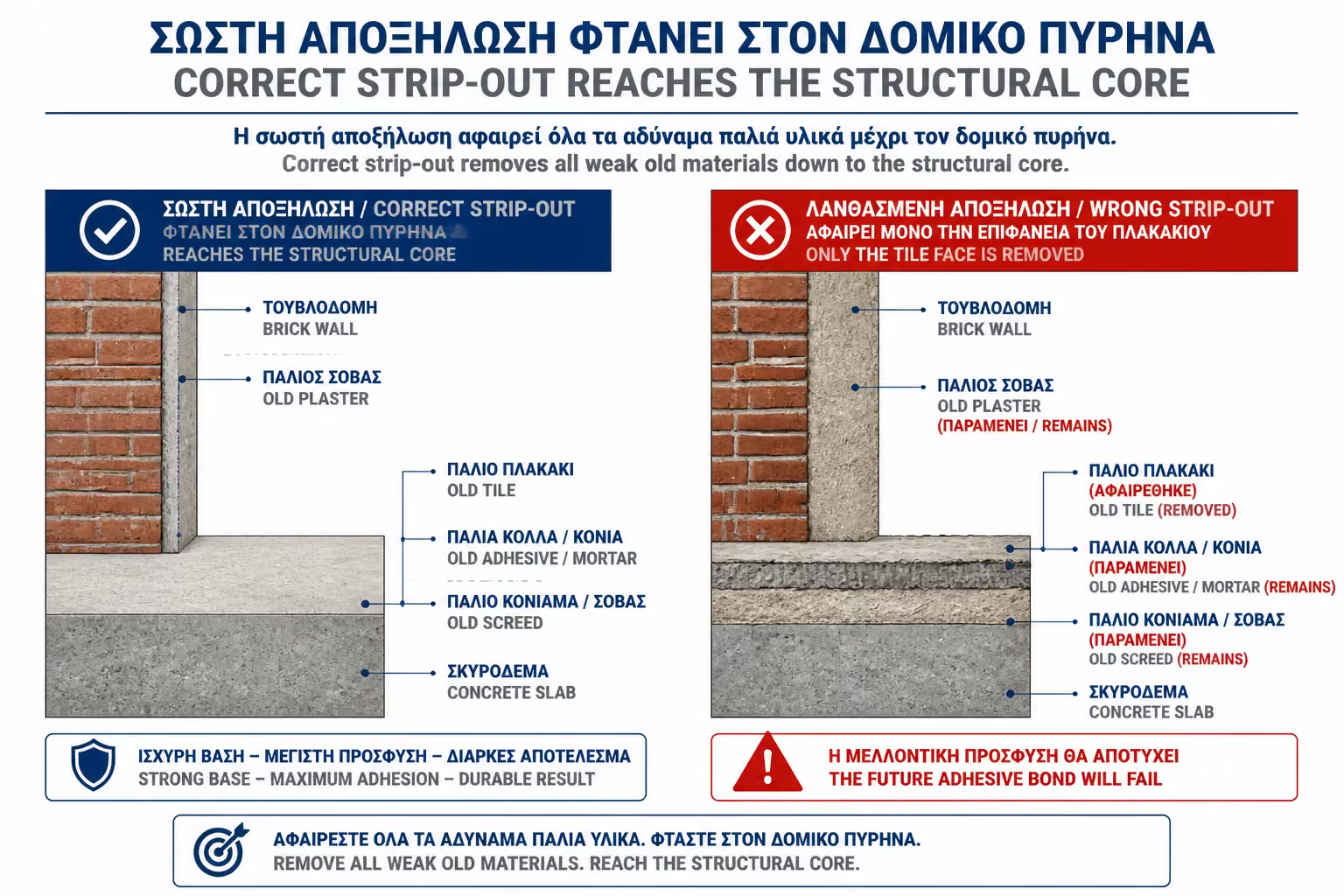
The biggest mistake that cheap repair shops make is that they only remove the tiles, leaving behind the old, loose mud (the glue or cement) with which they were attached.

Total Stripping

The tile must be stripped together with the old substrate (plaster on the wall, cement mortar on the floor). The bathroom needs to get to the "bone": stud on the walls and concrete (slab) on the floor.

Monobrick protection

The interior walls of Greek houses are usually "monobricks" (only 10 cm thick). If the compressor operator hits the wall vertically, the vibration will travel to the back side (e.g. in the kitchen or bedroom), throwing plaster, cracking the tiles there or damaging the furniture. The compressor should always work at an angle, parallel to the brick, peeling off the plaster and not hitting it internally.

3. The Red Line: Central Columns of an Apartment Building

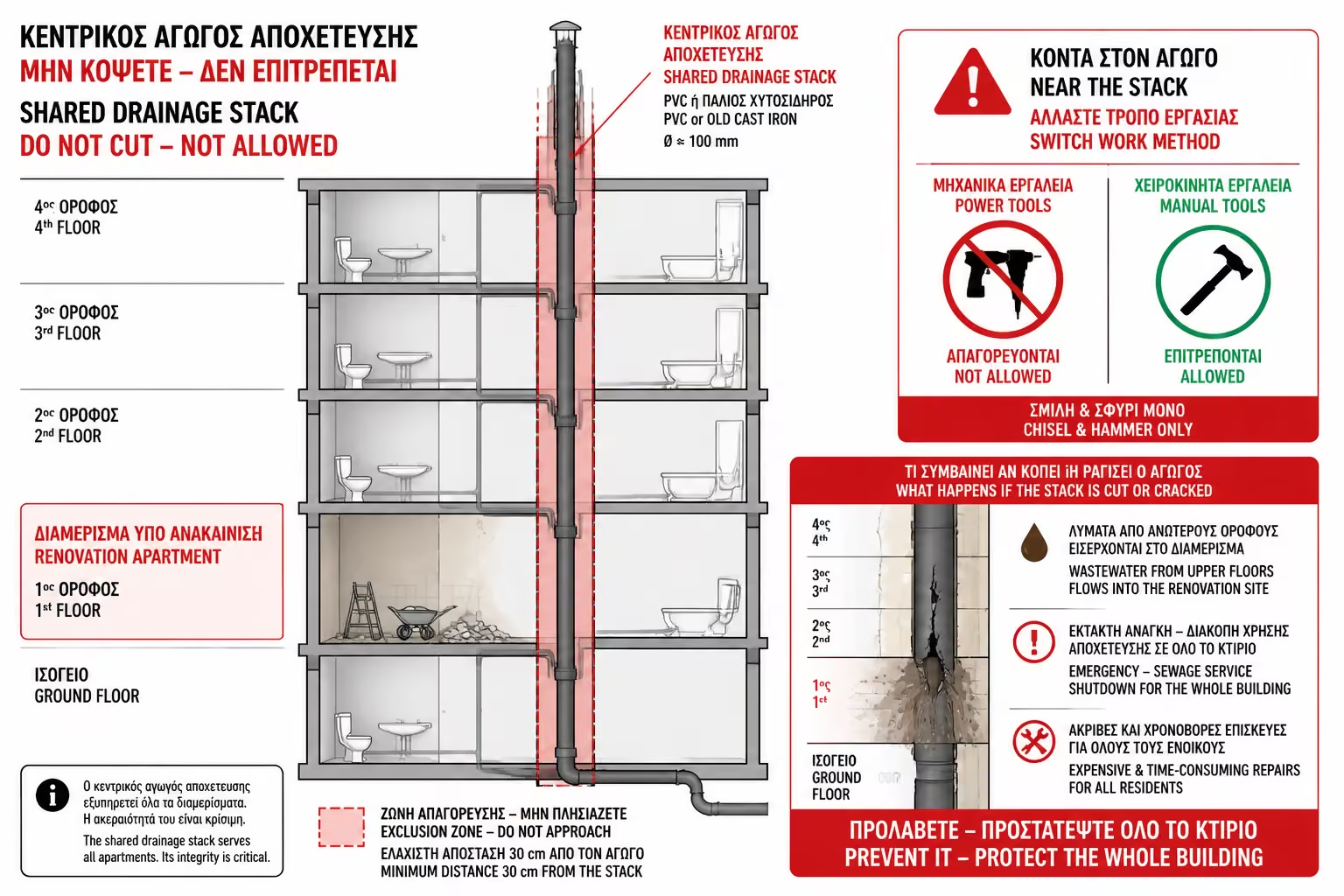
Every bathroom hides a "sacred" spot that should never be tampered with: the box (or recess) where the central vertical drainage column of the apartment building passes (usually PVC plastic pipe Φ100 or old cast iron).

If the compressor slips and cracks the center column, the sewage from the upper floors will start running into your yip. The repair of the central column requires the interruption of water use from the entire apartment building, huge costs and immediate replacement of the part. At this point, exfoliation is done exclusively with a manual chisel and hammer, sediment by sediment, avoiding any electrical tool.

Illustration for 3. The Red Line: Central Columns of an Apartment Building

4. Base Management & Legislation

Illustration for 4. Base Management & Legislation

A bathroom renovation produces an average of 50 to 80 bags of rubble (tubs, pavers, bricks, tiles).

Not in the Municipal Bins

Throwing bricks into the green or blue waste bins is strictly prohibited and incurs heavy fines.

Recycling Bins (Containers)

It is mandatory to rent a special waste collection bin (or special big bags if the road is narrow) from a licensed waste management company (SED).

What Do We Keep and What Do We Throw Out in Phase 1?

Bathroom item Action on Detachment Why?
Old Piping Complete removal / excision To make room for the new ones, without affecting the static.
Wall Plaster Demolition to the brick The old plaster has soaked in moisture and will throw off the new glue.
Cement floor screed Excavation up to the concrete slab In order to gain height and to do the new tricks correctly.
Beams / Columns (Concrete) Cutting is PROHIBITED Any digging in the load-bearing body (concrete) reduces the stability of the building.

> ⚠️ The Engineer's Tip: During demolition, ask the crew not to throw away the old pipes immediately. Put them aside for a while. By looking at the inside of old iron pipes (the corrosion and rust), the engineer can tell a lot about the water quality in your area and recommend the right filters or the right metals for your new batteries.

Phase 1 completed.

In the next article we move on to Phase 2 - New Plumbing & Electrical Passages, where the bathroom now begins to acquire its new "arteries" and "nervous system".

Related Articles

Preview