Family Bathroom: Design for Durability, Safety and Concurrent Use
Those with children know this scene all too well: It's 7:30 in the
morning, the time is pressing unbearably for school and work, and
suddenly everyone in the family is scrambling to use the only bathroom
in the house at the same time. Someone wants to brush their teeth,
another wants to take a quick shower, and the nerves hit
"red".
Unlike the Master Bathroom which focuses on relaxation or the Guest WC
which focuses on impressing, the family bathroom is the
"engine" of the home. It has to withstand hard daily use, be
easy to clean, be completely safe for small children and, above all,
allow simultaneous use without collisions.
As engineers, we approach family bathroom design in a purely practical
way. Let's look at the 4 pillars to build a bathroom that will
"grow" with your family.
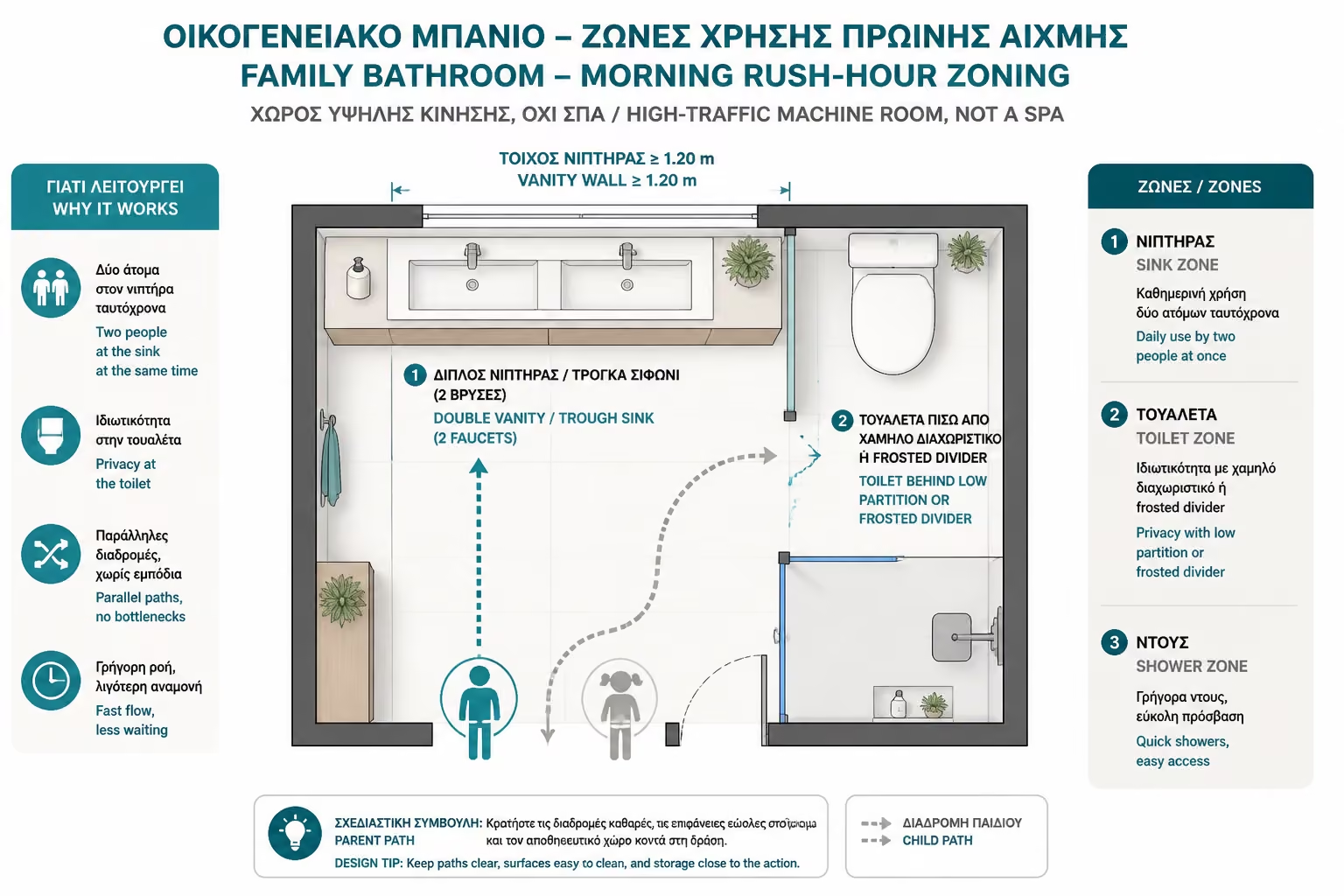
1. Traffic Management: Designing for Concurrent Use
When square footage is limited, smart zoning is the only solution to
avoid the morning crowd.
The Double Vanity
If your wall is at least 1.20m wide, a double sink is the number one
investment you should make. Allows two children (or a parent and a
child) to brush their teeth at the same time. If the space is
smaller, prefer a long narrow single sink (trough sink) with two
batteries.
Separation of the Basin
If you are doing a complete renovation and the floor plan allows it,
build a small partition (e.g. made of glass blocks, plasterboard or
frosted glass) between the sink and the basin. This small
intervention offers rudimentary privacy, allowing one to wash while
another uses the toilet.
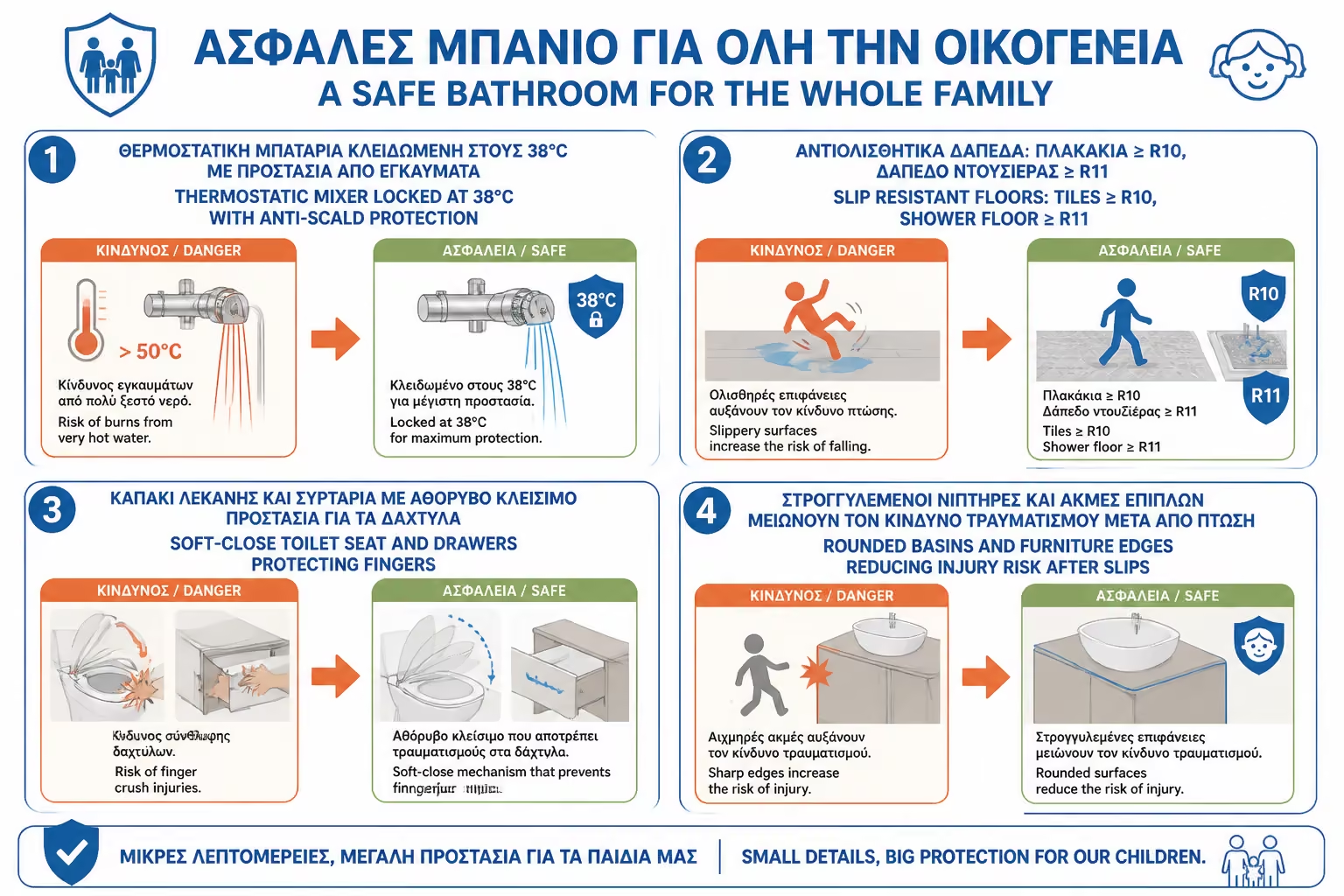
2. Child Safety Under the Microscope
The bathroom hides dangers: water on the floor, hot water and sharp
corners. Technology and modern materials can eliminate these risks.
Thermostatic Mixers
The ultimate lifesaver for parents. These shower/tub mixers have an
internal mechanism that "locks" the water temperature
(typically at 38°C) and reacts instantly to pressure changes. If
someone turns on cold water in the kitchen, the child in the
bathroom will not be scalded, as the valve will immediately cut off
the hot water supply (anti-scald function).
Slip Resistance Index (R-Rating)
Glossy, smooth tiles are a nightmare when they get wet. For the
family bathroom floor, require tiles with an index of at least R10,
while if you have a walk-in shower, the shower floor should ideally
be an index of R11 (slightly rough texture) for maximum grip.
Soft-Close Mechanisms Everywhere
Slow-falling basin lid and furniture drawers with brake. You save
yourself from loud noises and, above all, you protect little fingers
from being pinched.
Rounded Corners
Avoid square, strict sinks and furniture with sharp edges. Prefer
oval or rounded designs to avoid serious injuries in the event of a
slip.
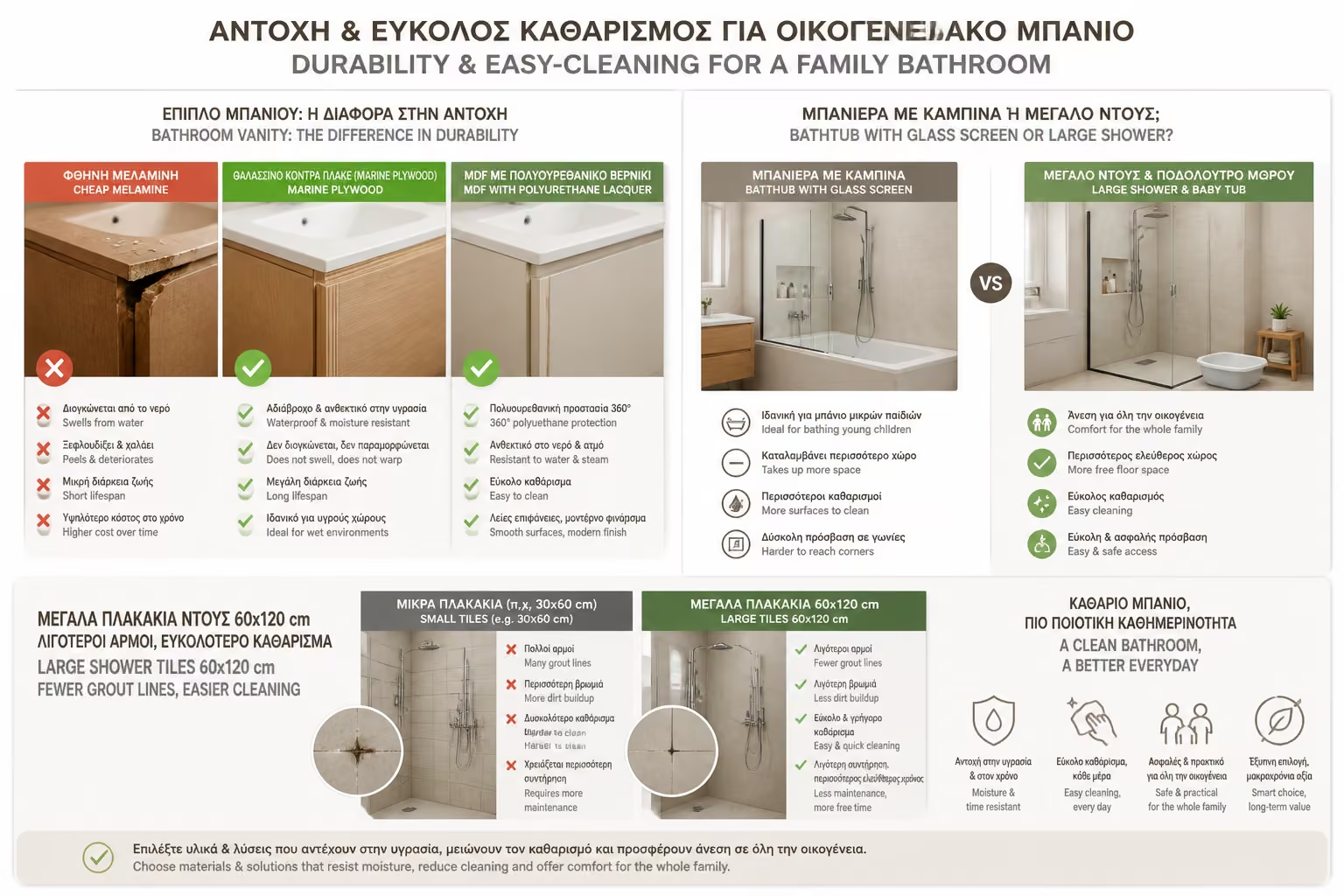
3. "All Weather" Materials & Easy Cleaning
Children splash, shampoo spills and walls get soaked. The bathroom
must endure.
The Eternal Dilemma
Bathtub or Shower? If you have infants or toddlers, the bathtub is
extremely practical. However, when children grow up (adolescents),
the bathtub simply becomes an obstacle. The golden ratio: If you
have the space, keep the bathtub but close it with an opening glass
(instead of a curtain) so that it also works perfectly as a shower.
Alternatively, a huge shower with a portable, plastic baby bath
solves the problem for the first 2-3 years.
Avoid Melamine Furniture
The cheap melamine/chipboard on the vanity unit will swell in the
first year from the many waters. Invest in furniture made of Plywood
or even MDF painted with polyurethane lacquer for strong
waterproofing.
Big Tiles, Few Joints
Scrubbing mold between joints is a nightmare. Choose large size
tiles (eg 60x120cm) for the shower wall. Fewer joints means less
mess and much faster cleaning.
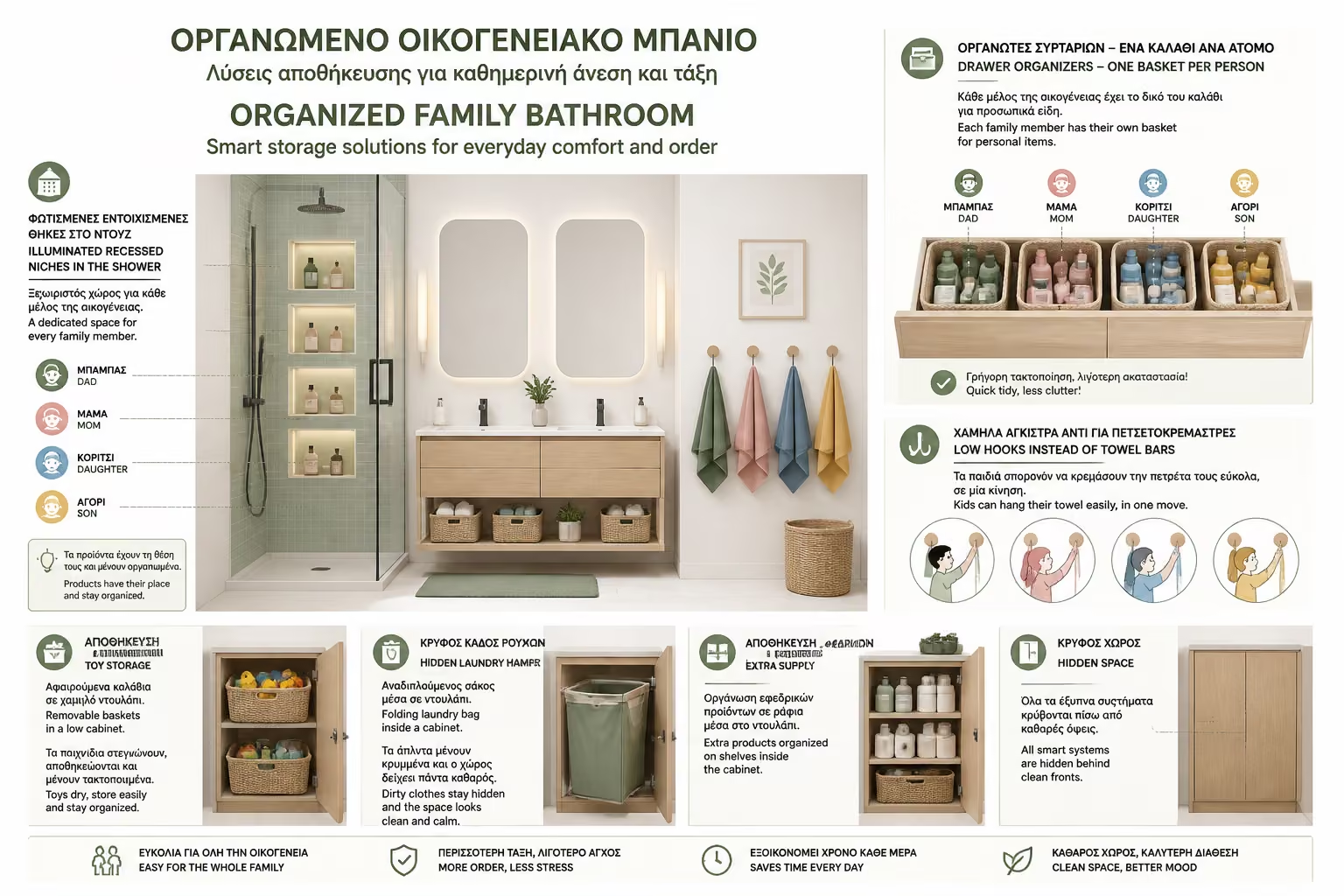
4. Storage: Hiding the Chaos
A family bathroom quickly fills up with plastic ducks, dozens of
shampoo bottles and wet towels.
Built-in Niches in the Shower
Don't hang rusting metal baskets that children will bump their
elbows into. Have the craftsman create lighted built-in recesses
into the shower wall for the whole family's bubble baths.
The "Each Member & His Basket" Rule
Make use of the drawers of the vanity unit or a tall stele (bathroom
column) by organizing them with internal baskets. If each child has
their own basket with their personal items, the bathroom will stay
organized without effort.
Strong Hooks, not Rails
Children get bored of folding their towel to put it on a towel bar.
Place large, sturdy hooks at a lower height so they can hang their
towels in one go.