
Bathroom DIY, Maintenance & Styling
Return to category.
Go to categoryThe toilet brush holder is one of the most useful but also most neglected items in the bathroom. It sits next to the toilet, in one of the most sensitive hygiene zones in the home, and yet it is often cleaned last or not at all. Many people clean the bowl, the seat, the floor and the sink, but leave the brush and its holder in place, thinking that once the brush goes into the toilet with cleaner on it, it somehow cleans itself.
In practice, the opposite happens. The toilet brush comes into contact with organic residue, toilet water, cleaners and moisture. After use, it often goes back wet into a closed or semi-closed holder. There it drips, stays damp, is not properly ventilated and creates a hidden environment where germs, slime, odors and mineral residue can build up. The holder is often dirtier than the brush itself because it collects everything that drains off it.
The problem is not only aesthetic. A dirty toilet brush holder can create odors even if the toilet bowl is cleaned often. It can leave drips on the floor, stain the base, spread dirt around the toilet area and make the bathroom smell stale or drain-like even when the drain itself is fine. In small bathrooms with poor ventilation, this becomes even more noticeable.
Proper cleaning of the toilet brush setup is not difficult, but it needs to follow a clear routine. It is not enough to pour a little disinfectant into the holder and forget about it. The brush itself needs cleaning, the holder needs to be emptied and washed, everything needs to dry properly, products need to be used safely, and the brush needs replacing when worn out. As in many parts of the bathroom, hygiene is not only about strong cleaners, but about a correct routine.
In this guide we'll look at why the toilet brush and holder become such a hygiene problem, how to clean the brush properly, how to disinfect the holder, what products are safe to use, what to avoid and when replacement is simply the better option.
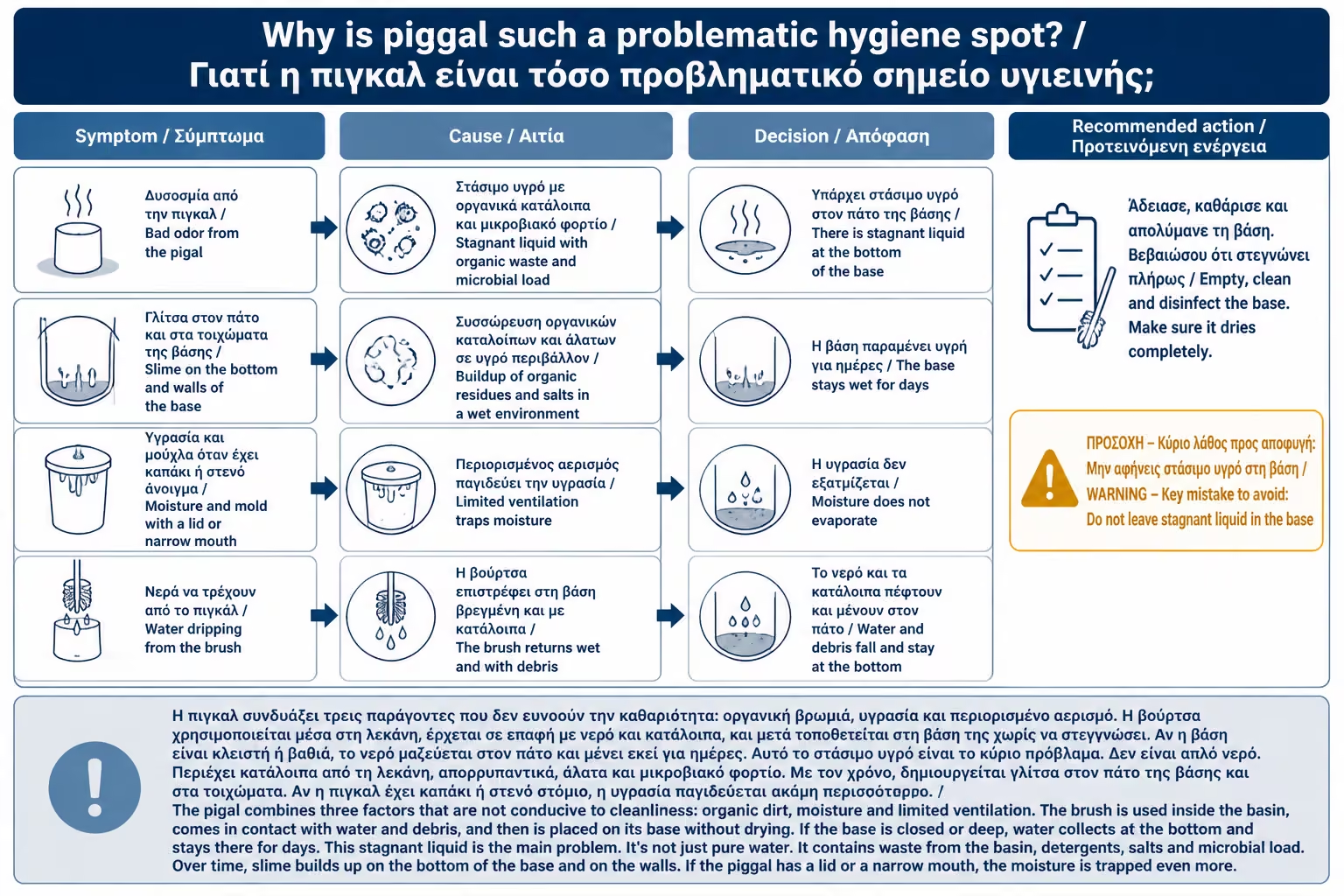
The toilet brush setup combines three conditions that work against cleanliness: organic dirt, moisture and poor ventilation. The brush is used inside the toilet bowl, comes into contact with water and residue, and then is placed back into its holder without drying. If the holder is closed or deep, water collects at the bottom and may stay there for days.
This stagnant liquid is the main problem. It is not just clean water. It contains waste from the toilet bowl, detergents, mineral residue and microbial load. Over time, slime builds up on the bottom of the holder and on its walls. If the holder has a lid or a narrow opening, moisture gets trapped even more.
The brush itself has many bristles or plastic fibers. Small residues, paper, mineral deposits or cleaner may remain between them. If it is not rinsed thoroughly after use, these stay on the brush and are transferred back into the holder. So even if the toilet looks clean, the cleaning tool may still be dirty.
A common example is the toilet brush holder that smells every time you pick it up. The toilet may be clean, the floor mopped and the bathroom ventilated, yet the holder may still have old cloudy liquid at the bottom. In that case, the smell does not come from the drain. It comes from the object itself.
The frequency depends on how the bathroom is used. In a typical family bathroom, the toilet brush and holder should be cleaned at least once a week. If the toilet is used heavily, if there is a small child in the home, if the bathroom is poorly ventilated or if the holder retains water, the frequency may need to be higher.
The brush should be rinsed thoroughly after each use. This does not mean full disinfection every time, but it does mean that it should not go back into the holder covered in residue. After cleaning the toilet bowl, flush or rinse the brush with clean water and let it drain for a moment before putting it back.
The holder should not be left with liquid inside for several days. If you see water, cloudy liquid or brown-yellow residue at the bottom, it needs cleaning. Do not wait for it to start smelling. As with faucets or shower curtains, by the time the odor appears, moisture and dirt have already built up.
In business premises, Airbnb units, offices or guest bathrooms, the toilet brush should be treated as a frequently replaced hygiene item. In those cases, cleaning needs to be more frequent and replacement should happen more often. It is not enough for it to look clean on the outside.
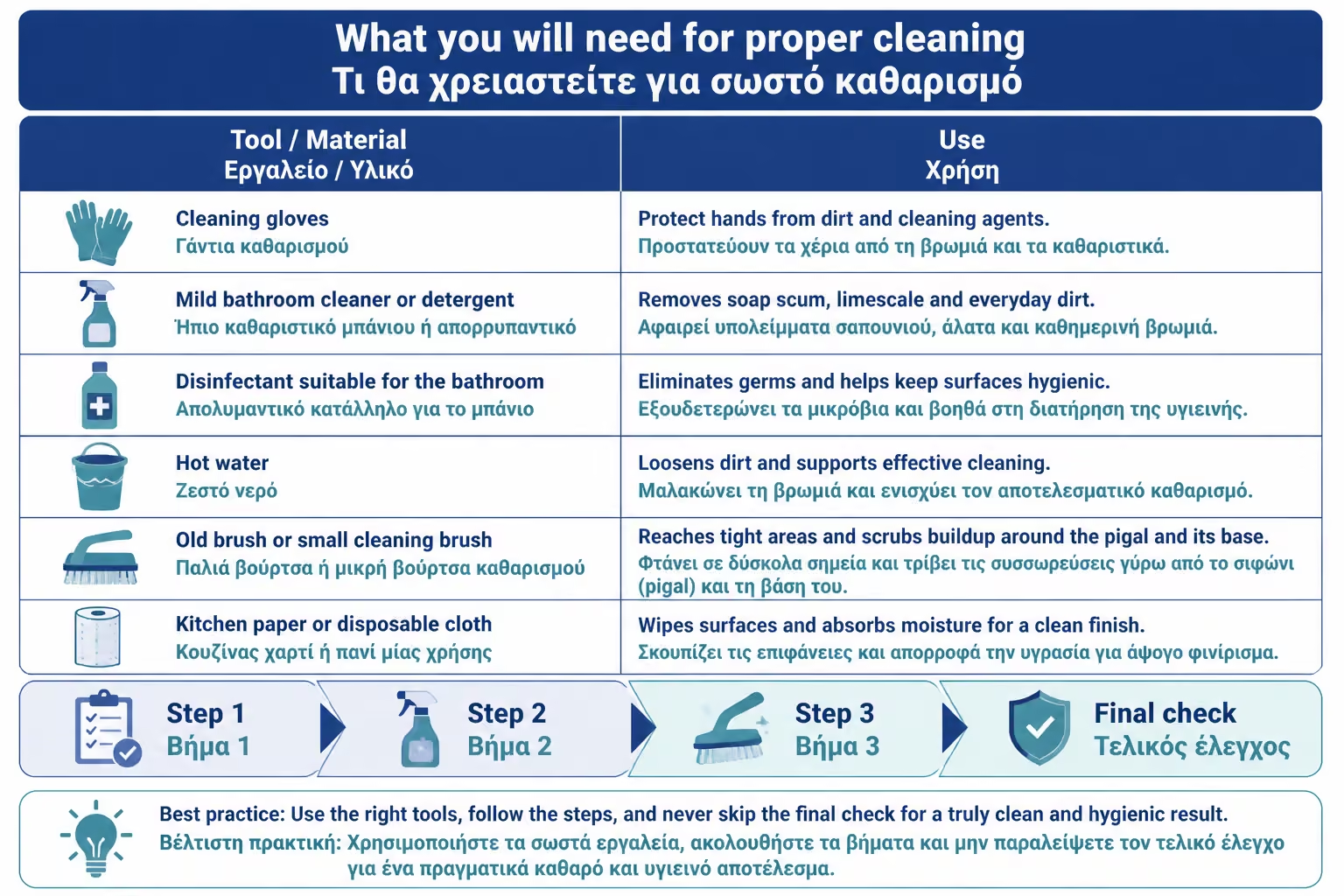
Cleaning the toilet brush holder does not require many tools. However, you should not use the same cloths and sponges that you use on the sink or faucets. This is a high-contact hygiene area and it should have its own tools or disposable supplies.
| Tool / Material | Use |
|---|---|
| Cleaning gloves | Hand protection |
| Mild bathroom cleaner or detergent | Removal of organic dirt |
| Disinfectant suitable for the bathroom | Reduction of microbial load after cleaning |
| Hot water | Rinse and soften residues |
| Old brush or small cleaning brush | Cleaning base and handle |
| Kitchen paper or disposable cloth | Drying of external surfaces |
| Small bucket or container | Soak, if necessary |
| Vinegar or citric acid | Only for salts, not for disinfection and never together with bleach |
| Chlorinated product or other disinfectant | Only as directed and without mixing |
The important thing is to separate cleaning from disinfection. First we clean the dirt. Then we disinfect. If you pour disinfectant on slime and organic debris, it doesn't work as well as it should and leaves the problem in place.
Avoid mixing products. If you use vinegar on the base, don't apply bleach without a very good rinse. If you use bleach or a chlorinated product, do not add vinegar, lemon, hydrogen peroxide, or other cleaning agents. Safety in the bathroom starts with not creating dangerous combinations.
The brush should first be rinsed thoroughly in the toilet bowl or with clean running water. After cleaning the bowl, rinse the brush well and swirl it lightly to remove residue from the bristles. If visible bits of paper or dirt remain, remove them with gloves or rinse again. The brush should not go back into the holder with visible residue on it.
For a deeper clean, fill a bucket or container with warm water and a suitable detergent. Allow the brush to soak according to the product instructions. Then scrub the handle and the joint with a small cleaning brush. Slime often collects there, especially if the handle has raised areas or a connection to a metal part.
If you want to disinfect, use a product suitable for disinfecting bathroom surfaces, always according to the instructions. It does not need an excessive amount nor many hours of soaking. After disinfecting, rinse thoroughly and allow the brush to drain. A brush returning to the base full of disinfectant and water will again create standing liquid.
A practical trick is to let the brush drain for a few minutes over the toilet bowl, secured carefully between the seat and the rim so that the water drips back into the bowl. This must be done hygienically, without touching clean surfaces. The goal is to avoid carrying all that water back into the holder.
The holder is often the dirtiest part. Carefully empty it into the toilet bowl or a suitable drain if it contains liquid. Then wash it with warm water and detergent. Pay close attention to the bottom, corners and inner rim, because that is where mineral deposits, slime and residue collect.
If the base is plastic, avoid very hard sponges that scratch. Scratches hold more dirt later. If it is metal, watch out for places where rust can appear, especially if there is water on the bottom. If it is ceramic, it is easier to clean, but it can break if dropped.
After cleaning, rinse well. If there are salts on the bottom, you can use a mild anti-salt method, such as diluted vinegar, only if the base material allows it. Do not mix it with chlorinated disinfectants. First descaling, good rinsing, then disinfection if necessary.
The base must dry. This is the most often missed point. If you wash the base and immediately refill it with a wet brush, the problem returns. Dry outside and, as much as possible, inside. If the base is closed and unventilated, consider replacing it with a more open design that drains better.
Disinfection makes sense after cleaning. If the base is slimy or dirty, the disinfectant does not reach the surface properly. First we remove the residues, wash with detergent and rinse. Then we apply disinfectant according to the product instructions.
If using a chloride product, be very careful with mixing. There should be no vinegar, citric acid, oxygen or any other cleaning agent in the same area. It also needs ventilation. In a small bathroom without a window, heavy use of bleach can be annoying or irritating.
There are also non-chlorine disinfectants suitable for bathroom use. The choice depends on the household's needs, the sensitivities of the users and the materials of the brush holder. In an ordinary home, there is no need to over-disinfect with very strong products every day. What matters is frequent cleaning, good rinsing, proper drying and periodic disinfection.
If the toilet brush is being used in a home where someone has a gastrointestinal virus or another contagious condition, the hygiene requirements increase. In that case, disinfection should be stricter and disposable or replaceable items should be changed more often, without improvisation and without mixing products.
Many put a little disinfectant or bleach on the bottom of the base and leave the brush inside. The logic seems correct: "it remains disinfected". In practice, however, this has drawbacks. The liquid is diluted with brush water, filled with organic debris, can smell strongly and, if left for days, becomes a stagnant chemical mixture.
Also, if the base is metal or has metal parts, chloride products can accelerate corrosion. On plastic bases, continuous exposure to a strong disinfectant can deteriorate the material over time. In closed stands, the smell can get trapped and come out every time you lift the brush.
Better practice is to periodically clean and disinfect the base, rinse and dry. If you want to use liquid on the bottom, it must be changed very often and not mixed with unknown products. In an everyday home, it's usually best to keep moisture out of the base.
A drier holder is more hygienic than one that always contains old disinfectant and water. The toilet brush should be able to drain and air out, not "swim" in liquid.
Pigal odor usually comes from standing liquids, slime on the base or a brush that is not rinsed well. The solution is not perfume. It is cleaning and drying. If the base smells, empty it, wash it thoroughly and let it dry before putting the brush back on.
After each use, rinse the brush in the running water. Do not immediately put it wet on the base. Let it drain for a few minutes. If the base quickly fills with water, the problem is the process of use, not just the frequency of cleaning.
Bathroom ventilation also plays a role. In bathrooms without windows, moisture lingers and makes odors stronger. After cleaning the toilet and the brush holder, leave the fan running or the door open. Moisture encourages bad smells.
If the toilet brush still smells after a proper cleaning, the brush is probably worn out or the holder is staying wet. Older plastics can retain odors. In that case, replacement is more practical than repeating harsh disinfection.
There is no perfect material, but there are practical differences. Plastic toilet brushes are economical, light and easy to replace. But if the plastic becomes scratched, it can hold more dirt. Metal sets can look better, but in a humid environment they may rust if they are not good quality. Ceramic or porcelain holders are easy to clean, but they are heavier and can break.
The most important parameter is not only the material but the design. A stand that holds stagnant water, does not open easily and does not clean the bottom is problematic, even if it looks beautiful. A base that is easy to empty and wash is more practical. If it has ventilation or allows the brush to drain, even better.
Brushes with thick classic bristles clean well, but retain residue. Silicone brushes are often easier to rinse and dry better, but not everyone likes them and they don't always have the same effectiveness in difficult areas. The choice depends on usage and maintenance.
In a heavily used bathroom, the most hygienic choice is often a simple set that is easy to wash and affordable to replace. A very closed decorative holder that is hard to clean may look better, but be less practical.
Silicone brushes have become popular because they are easier to rinse, don't hold as much water between dense bristles, and often dry faster. This makes them more attractive in terms of maintenance. In many cases, their base is also designed with better ventilation.
A classic brush with plastic bristles has the advantage of scrubbing more firmly and reaching certain parts of the toilet bowl well. But it also holds more residue and needs more thorough rinsing. If the holder is closed and the brush stays wet, it can start to smell quickly.
There is no one right choice for everyone. If you want easier daily hygiene, silicone can be practical. If you prefer a "harder" scrub, a good quality classic brush may work for you. In any case, the cleaning routine is more important than the material.
An expensive silicone brush that is never washed will still get dirty. A simple classic brush that is washed, dried and replaced regularly can be more hygienic in practice.
A toilet brush is not an accessory that lasts forever. If the brush is warped, if the bristles have split, if it keeps holding residue, if it smells after cleaning, or if the holder has permanent slime or stains, it is time for replacement. It is not worth trying to save a very cheap and worn item with harsh chemicals.
In an everyday bathroom, replacing every few months to a year is reasonable, depending on use and quality. In business areas or areas with many users, it is needed more often. If there is obvious wear or smell, replacement should be done immediately, regardless of its age.
The base also counts. If the brush is changed but the old base remains, it may hold odors and slime. In many cases it is better to change the whole set. If the base is good quality ceramic or metal and is cleaned well, it may last longer, but should be washed thoroughly.
A practical rule is this: if after cleaning, disinfecting, rinsing and drying the toilet brush still smells or looks dirty, no further effort is needed. It should be replaced.
Where you place the toilet brush affects hygiene. If it is wedged between the toilet and the wall, it is harder to ventilate and harder to clean around. If it constantly sits where shower water or mop water lands, the holder stays wet. If it is too close to paper, towels or furniture, there is a greater risk of moisture and dirt transfer.
Ideally, it should sit next to the toilet, where you can lift it easily, clean underneath it and allow air to circulate. The floor around the holder should be cleaned frequently. Brown or yellow marks around the base often come not from the toilet itself, but from drips from the brush.
If the bathroom has a shower very close to the toilet, make sure the brush holder does not get wet every day from shower spray. If it does, it will need more frequent cleaning or a better position. A brush holder that stays permanently in a wet corner will smell faster.
Aesthetics matter, but not at the expense of hygiene. A beautiful holder that is never emptied, washed or properly ventilated is a poor choice for everyday use.
In homes with small children, the toilet brush should be placed where it is not easy to reach during play. It is not an item children should touch or move. If necessary, choose a more stable holder or place it somewhere less accessible without making normal use difficult.
In homes with pets, especially dogs or cats that explore the bathroom, the base should not have standing water. It is unsanitary and may come into contact with cleaning agents. If you use disinfectants, be especially careful not to leave them on an open base.
In very small bathrooms, where everything is close together, the cleanliness of the holder matters even more. A drip from the brush can end up near toilet paper, a rug or a piece of furniture. In those spaces, the cleaning routine needs to be especially careful. Do not assume that because the item is small, the hygiene risk is small.
If there is a mat near the toilet, be careful not to drip the brush onto it. Bathroom mats hold moisture and can become a source of odors. The brush should drain into the toilet bowl, not onto the floor.
Cleaning the toilet brush setup is very low cost. Basic products are usually already available at home. Replacement is also inexpensive unless you choose a designer or high-quality stainless set. When the brush is worn, replacement often makes more sense than excessive disinfection effort.

| Product / Work | Indicative cost picture 2026 |
|---|---|
| Cleaning with existing cleaner and gloves | practically 0–3€ per cleaning |
| Simple plastic toilet brush | around €3–10 |
| Silicone toilet brush | around €8–25 |
| Toilet brush with closed or design holder | around €10–40 |
| Metal or stainless steel set | about 20–80€+ |
| Replacement brush, where available | around €3–15 |
| Bathroom disinfectant / cleaner | around €3–10 |
The prices are indicative and depend on the region, the store, the quality, the material, whether VAT is included and whether the product is simple or decorative. In areas with heavy use, it is better to choose a set that is easy to clean and easy to replace, not necessarily the most impressive one.
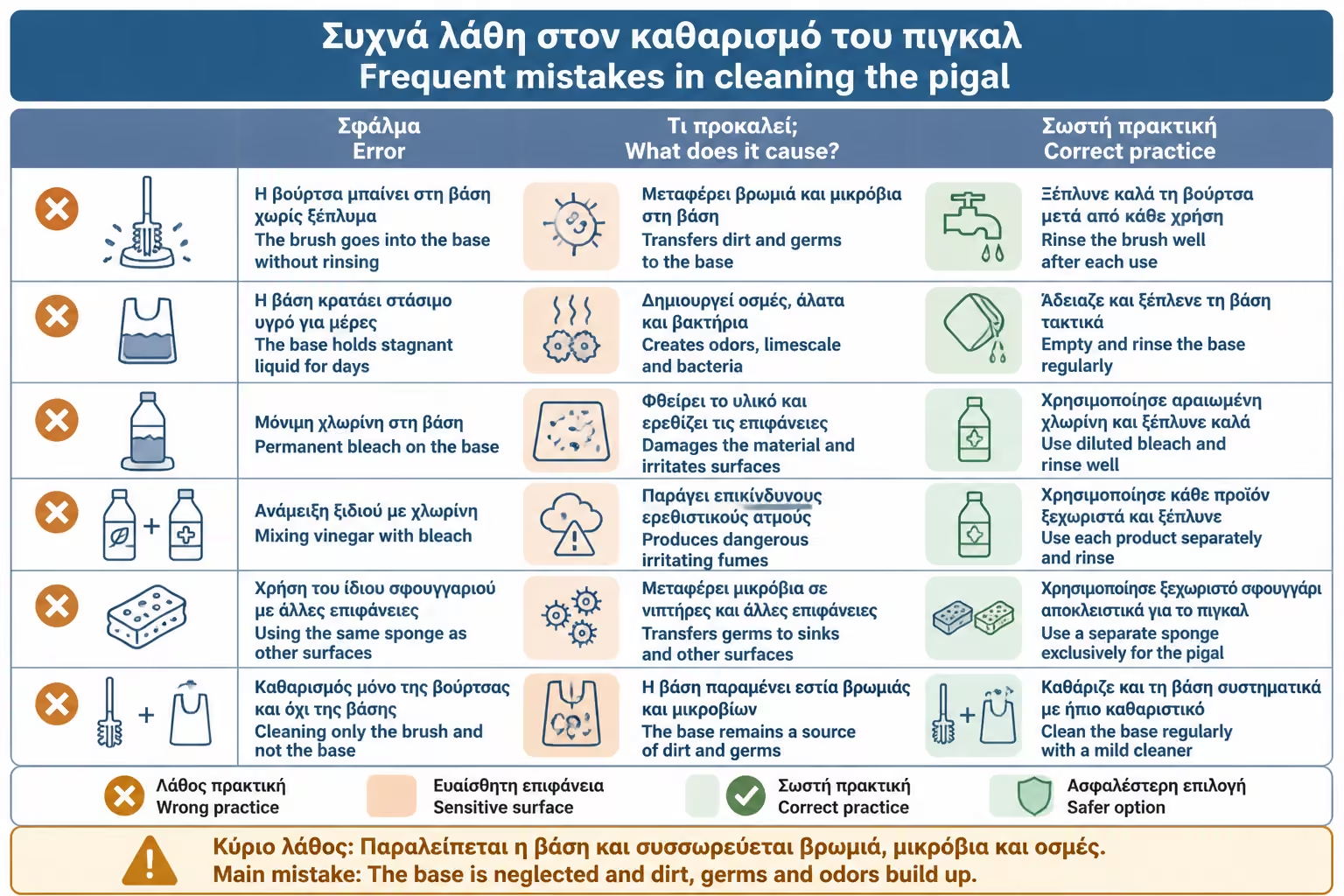
Mistakes happen mainly because the toilet brush is treated as a secondary item. But precisely because it is a high-contamination area, those mistakes quickly show up as odor and slime.
| Error | What does it cause? | Correct practice |
|---|---|---|
| The brush goes into the base without rinsing | Slip, residue, bad smell | Flushing in the cistern flow |
| The base holds stagnant liquid for days | Germs and smell | Emptying, washing and drying |
| Permanent bleach on the base | Strong smell, deterioration of materials, corrosion | Periodic disinfection and rinsing |
| Mixing vinegar with bleach | Hazardous fumes | Never mix products |
| Using the same sponge as other surfaces | Germ transport | Separate tools or consumables |
| Cleaning only the brush and not the base | The smell is coming back | Cleaning both |
| Maintaining a worn brush | Poor hygiene and reduced efficiency | Regular replacement |
| Placement in wet corner | Constant humidity | Position with ventilation and clean floor |
A typical example is the base where the owner drops a little disinfectant every now and then, but never empties it. After a few days, the liquid at the bottom is a mixture of water, disinfectant and organic residues. The smell does not go away because the problem is not the lack of fragrance. It is the presence of stagnant liquid.
If the area around the toilet still smells strongly even after the brush and holder have been cleaned or replaced, you need to look elsewhere. There may be an odor coming from the floor drain, from the toilet itself, from a leak at the base, from the joints around the toilet or from poor ventilation. The toilet brush is a common cause, but not the only one.
If the holder leaves brown marks on the floor, check for rust on a metal part. If that is the cause, clean the floor and replace the holder with one made from a material that does not rust easily. If the floor has porous grout joints and stays damp, deeper grout cleaning may also be needed.
If the brush holder sits next to bathroom furniture and you see swelling or moisture at the base of that furniture, check whether water is dripping from the brush or whether the floor stays wet. Small daily drips can eventually damage MDF or melamine.
If someone in the home has increased hygiene needs, it may be worth replacing the toilet brush more often or choosing a system with disposable heads, as long as it fits your practical needs and budget.
| Inquiry | Yes / No |
|---|---|
| Does the brush get flushed down the drain after each use? | Yes / No |
| Does the brush drain before it goes into the base? | Yes / No |
| Is the base emptied and washed at least weekly? | Yes / No |
| Does the base dry out and not permanently hold stagnant liquid? | Yes / No |
| Are gloves and separate cleaning tools used? | Yes / No |
| Bleach, vinegar, oxygen or other cleaners do not mix? | Yes / No |
| Does the base have slime, scale or brown residue on the bottom? | Yes / No |
| Does the toilet brush stay odor-free after cleaning? | Yes / No |
| Does the brush have crooked, split or worn bristles? | Yes / No |
| Is the piggery located in a ventilated area and not constantly wet? | Yes / No |
| If the toilet brush smells or no longer cleans well, will it be replaced? | Yes / No |
If the answer is “No” to the points about the base, draining or smell, the problem is not solved with more perfume. Needs cleaning, drying or replacement.
If you want a truly clean bathroom, do not forget the tool that cleans the toilet. The brush should be rinsed, drained and stored in a clean, dry holder. Permanent moisture at the bottom of the holder is the main cause of odor and microbial build-up. Do not allow old disinfectant and water to pool there. Wash the holder often, dry it as much as possible and replace the brush when it is worn. At this point in the bathroom, simple replacement is often healthier than excessive chemistry.
The toilet brush and its holder are among the most neglected parts of the bathroom, yet they directly affect the hygiene and smell of the space. The toilet bowl may be cleaned often, but if the brush stays wet, dirty and trapped in a holder full of stagnant liquid, the bathroom is not really clean.
The correct routine is simple: rinse the brush after use, let it drain, periodically clean and disinfect the holder, rinse well, dry it and avoid mixing cleaning products. It does not require overcomplication, but it does require consistency. The toilet brush should not become a hidden source of slime and odor next to the toilet.
If the brush is worn, if it still smells after cleaning, or if the holder keeps holding stains and liquid, replacement is the most practical solution. It is a small cost compared with the value of proper bathroom hygiene. A clean bathroom is not judged only by the tiles and faucets; it is also judged by the small items people usually forget.
Return to category.
Go to categoryReturn to the central guide.
Go to guide