
Bathroom DIY, Maintenance & Styling
Return to category.
Go to categoryA bad drain smell is one of the most annoying problems in a bathroom. The room may be clean, the tiles washed, the toilet disinfected and the faucets polished, yet one smell from the sink or floor drain is enough to ruin the whole sense of cleanliness. The frustrating part is that the cause is often not visible. There may be no obvious clog, no leak and no visible dirt. Every now and then, the bathroom simply smells like sewage.
In most everyday situations, the cause is nothing dramatic. Bathroom drains collect soap scum, shower gels, hair, toothpaste, oils from body products, salts, dust and micro-organisms. All these stick to the walls of pipes and siphons. Over time they form a thin film that smells, especially when it is left wet and not washed off properly. If the bathroom also has a floor drain that is rarely used, the odor trap can dry out and smell rising from the drain.
Monthly maintenance can greatly reduce these problems. It is not a solution for a severe clog, a broken pipe, poor pipe slope or a drain without a proper odor trap. But it is a simple preventive routine that helps keep soap and greasy residue from building up, limits slime inside the drain and maintains better water flow. The logic is the same as with grout or shower-enclosure maintenance: if you clean before the problem becomes severe, you avoid aggressive intervention later.
Boiling water, baking soda and vinegar are often recommended. An important clarification is needed here: in the bathroom it is not always correct to pour really boiling water into the pipes, especially if the installation has PVC, old pipes, gaskets, silicones or sensitive plastic parts. For maintenance we prefer very hot water, not boiling water just out of the kettle. The point is to soften the soap and the greasy film, not to thermally stress the installation.
In this guide we will look at how to do a safe monthly drain maintenance, where baking soda and vinegar help, where they are not enough, how to clean a sink, shower, tub and floor drain, what to avoid and when a bad smell indicates a technical problem that needs plumbing.
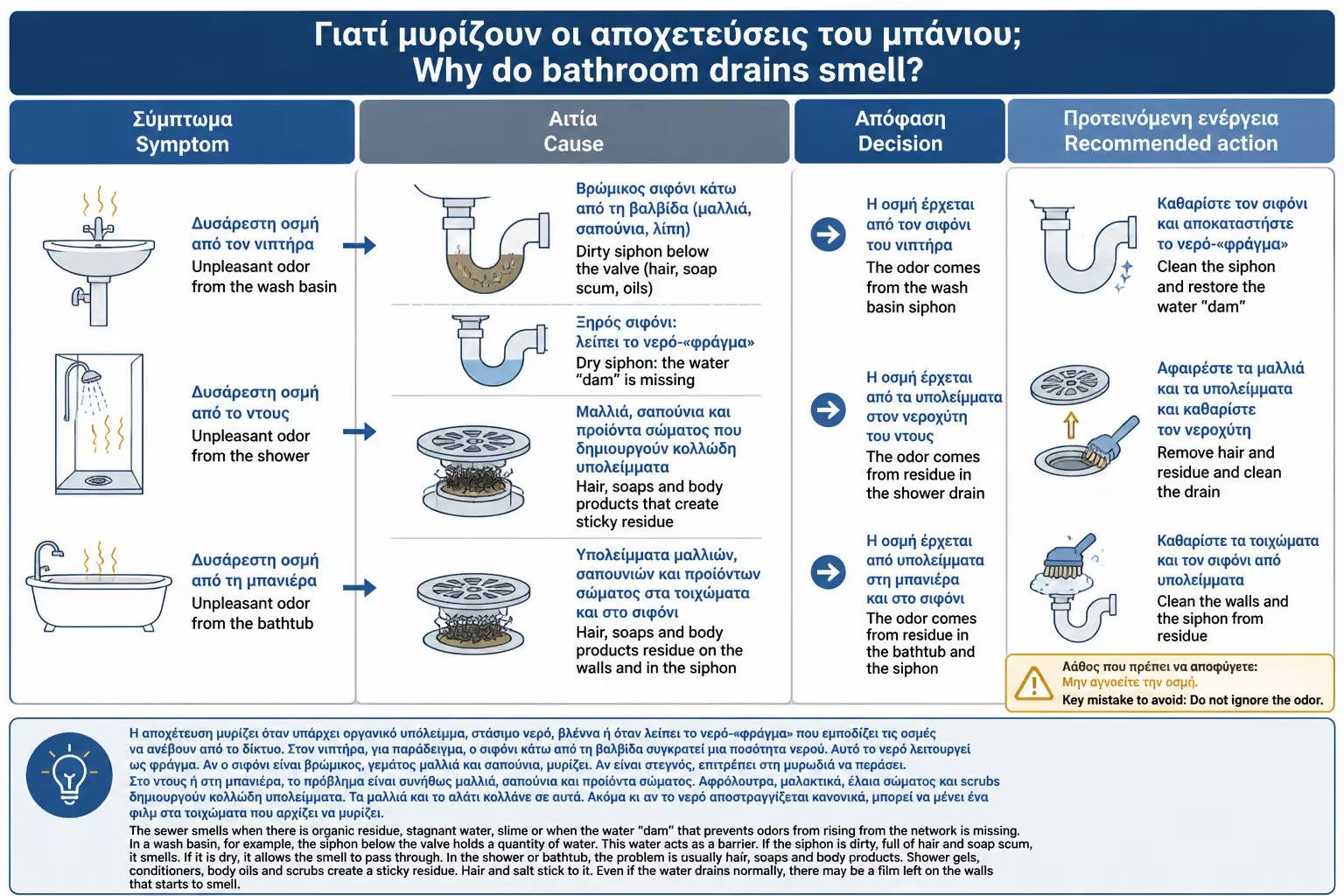
A drain smells when there is organic residue, stagnant water, slime, or when the water barrier that prevents odors from rising from the drainage network is missing. In a sink, for example, the trap below the drain holds a small amount of water. That water acts as a barrier. If the trap is dirty and full of hair and soap scum, it smells. If it dries out, it allows the odor to pass through.
In the shower or bathtub, the problem is usually hair, soaps and body products. Shower gels, conditioners, body oils and scrubs create a sticky residue. Hair and salt stick to it. Even if the water drains normally, there may be a film left on the walls that starts to smell.
In the floor drain, the smell often comes from waste. If the bathroom is not used often or if the siphon does not accept water, the odor trap can dry out. Then the smell is not due to dirt, but to the fact that there is no water to block the odors. In this case, the simplest solution is to add water regularly.
There are also more serious causes: poor drainage ventilation, a siphon without a proper odor trap, incorrect slopes, a blockage deeper in the network or a leak. Monthly maintenance helps with day-to-day causes, but doesn't fix a manufacturing problem.
Monthly maintenance is preventive in nature. It helps remove fresh residue before it becomes a thick layer. Softens soaps, washes away grease, reduces slime and maintains better flow. It is particularly useful in sinks, bathtubs and showers that are used daily.
But it is not a method of unclogging for a serious problem. If the water rises, if it leaves very slowly, if you hear gurgling noises from other siphons or if the smell comes out strongly after each use, the maintenance with soda and vinegar is not enough. There, mechanical siphon cleaning, steel or hydraulic, is needed, depending on the case.
A preventive routine is best when it is done consistently, not when the problem has already become severe. If every month you run very hot water and do a mild cleaning with baking soda and vinegar, you reduce the build-up. If you expect it to be very smelly or clogged, then natural remedies have limited effect.
A practical example is the sink that is not clogged, but smells a little when the hot water is turned on. That's where monthly maintenance can help. But if the sink fills with water and empties after several minutes, the siphon must be cleaned first.
Many tips say "pour boiling water down the drain". In practice, this is not always safe. Most modern bathroom drains have PVC plastic pipes or other plastic fittings, flanges, hoses and siphons. Freshly bubbling water can thermally stress certain parts, especially if there is an old installation or a thin plastic siphon.
For monthly maintenance, prefer very hot water, not boiling water. That is, water hot enough to soften soaps and greasy residue, but not actively boiling water. If you have boiled it, let it cool down a bit before pouring. Even better, use warm tap water if it's warm enough.
Hot water mainly helps with greasy and soapy residue. It doesn't dissolve hair, it doesn't remove a deep clog and it doesn't fix a siphon full of mud. But it is a good first and last step in a preventive routine.
In porcelain or ceramic sinks, avoid extreme temperature changes. Do not pour boiling water into a very cold sink or old china. Sudden heat stress is not a good practice. Maintenance should be gentle, not a shock to the installation.
Baking soda and vinegar are among the most well-known natural cleaning combinations. When they come into contact, they foam. This foam can help move light debris and reduce odors. Baking soda helps with odors and mild mechanical action, while vinegar has an acidic action against light salts.
But we have to be realistic. The baking soda and vinegar reaction is not a magic “clog remover”. To a large extent, acid and base cancel each other out. The foam is useful for gentle maintenance, not to dissolve hair, tough slime or deep clogs. If there is an accumulated mass of hair in the siphon, it must be mechanically removed.
Baking soda and vinegar should not be used after a chemical sealer or bleach. We do not mix products inside the tubes. If you've used a commercial caulk, don't add vinegar or another product afterwards. Follow the manufacturer's instructions and, if the problem persists, call a technician.
For monthly maintenance, the combination is useful when done correctly and in small amounts. No need to fill the tube with soda. Too much can be left as a residue, especially if not rinsed off well.
The simplest monthly routine starts with cleaning the grate or valve. Remove hair, soap and visible residue. If there is hair in the shower, do not push it into the pipe. Take them out and throw them in the trash. Prevention starts before you pour anything down the drain.
Then pour a little too hot water to soften the film. Then add baking soda to the drain. Let it sit for a few minutes. Pour vinegar slowly so that it bubbles into the opening. Wait about 10–15 minutes. Finally, rinse with plenty of very hot water.
A practical ratio for maintenance is:
| Material | Quantity for one siphon |
|---|---|
| Baking soda | 2–4 tbsp |
| White vinegar | about 1/2 cup |
| Very hot water | enough for initial and final rinsing |
No need to exaggerate. If the siphon is small, use less. If there are multiple siphons, work one at a time. Don't do the whole bath at once without knowing where a possible reaction or smell is coming from.
The sink collects toothpaste, soaps, hair, shaving foam, cosmetics and small debris. These sit around the valve and inside the siphon. If the sink starts to smell, often the problem is in the siphon just below the valve and not deep in the drain.
Before doing the monthly routine, clean the valve. If it has a pop-up mechanism, remove anything that can pop out easily according to its type. A mass of hair and soap often collects there. If it is not removed, the baking soda and vinegar will simply pass around it.
Pour very hot water, then baking soda, then vinegar and let it work. Rinse well. If after the process the sink still drains slowly, do not repeat endlessly. Most likely, the siphon needs loosening and cleaning. This is often a simple task, but care must be taken not to create a leak during reconnection.
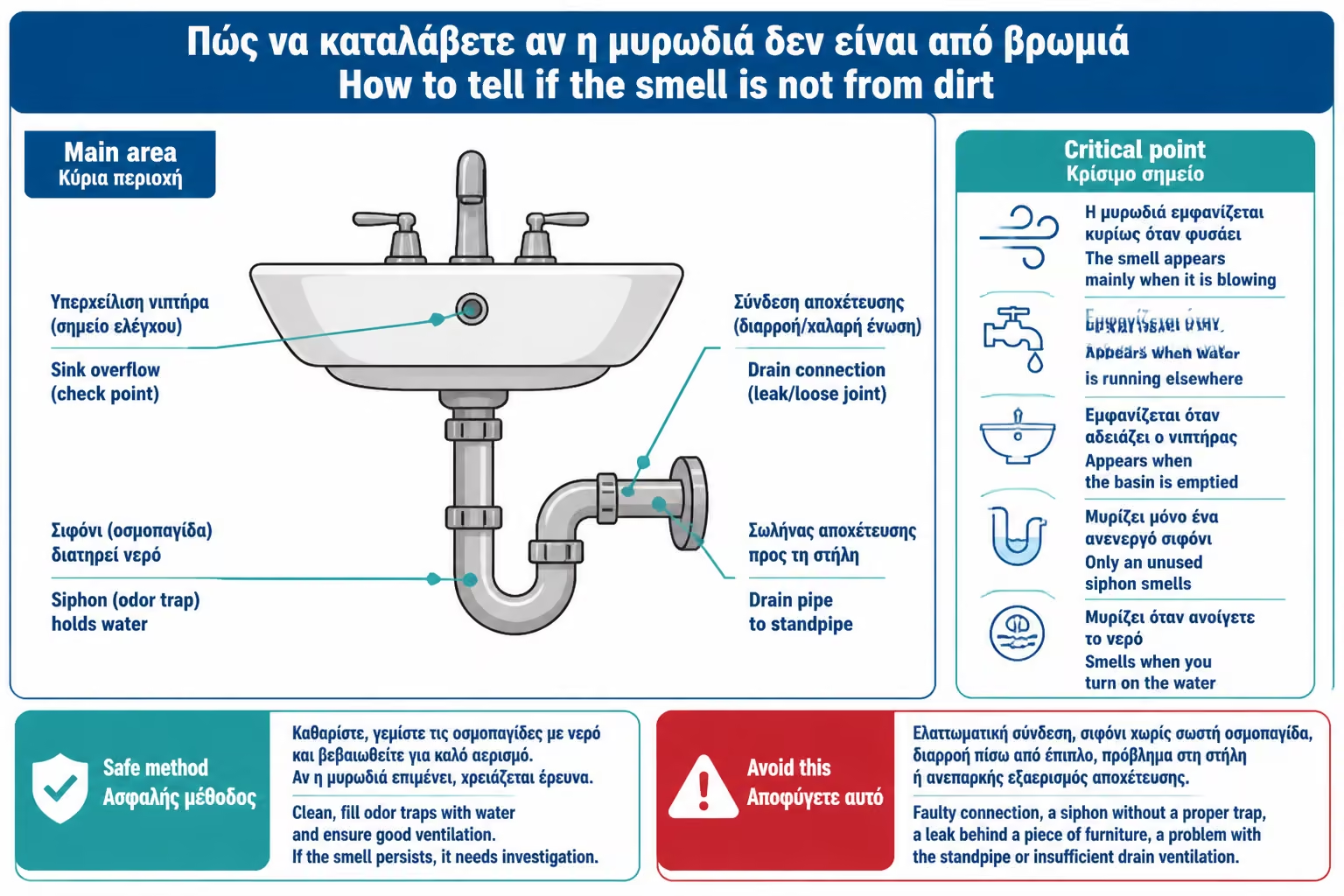
If there is a strong smell only when the water is running, the dirt may be on the walls of the sink overflow. The overflow is the small hole near the top of the sink. Slime collects there and needs separate cleaning with a suitable brush or cleaner, not just throwing products from the valve.
The shower is the place that collects the most hair. Monthly maintenance should always start with the grill. Remove it, if it is removable, and clean it thoroughly. Remove hair, soap and residue with gloves or paper. Do not push them deeper.
If the shower spout has a removable basket or trap, clean it. Many modern showers have attachments that trap hair. These should be emptied frequently. If they are not cleaned, the water will start to stagnate and the smell will become stronger.
After mechanical cleaning, do the routine with very hot water, baking soda and vinegar. In the shower, the final rinse should be sufficient to remove debris from the siphon. If the water still drains slowly, there may be hairs deeper or film build-up that needs a special tool.
A common mistake is to pour baking soda and vinegar into a shower full of hair. The lather looks impressive, but the hair remains. First we remove everything that can be caught by hand or with a special tool. Then we do maintenance.
The tub combines soaps, shower gels, hair and often products such as bath oils or bath salts. These can leave an oily film down the drain. If the tub is used frequently, monthly maintenance is helpful, especially around the valve and overflow.
First clean the valve of visible debris. If there is a cap with a mechanism, check if it collects hair. In many bathtubs, the overflow also has internal spots where dirt is held. If the tub smells while the valve looks clean, overflow may be part of the problem.
For the monthly routine, follow the same logic: very hot water, baking soda, vinegar, wait, good rinse. Avoid muddy water, especially in an acrylic tub or an old valve with plastic parts. We don't want to strain the tub or faucet.
If the tub is draining slowly, don't just rely on physical maintenance. Hair build-up in the siphon or cap mechanism is very common. There the mechanism needs cleaning or a plumber if there is no easy access.
The floor drain is often the real source of odors in the bathroom. If used infrequently, the water in the odor trap evaporates. Then a sewer smell rises. In this case, the solution is not first soda and vinegar. It is to fill the odor trap with water again.
Once a month, pour water into the floor siphon, even if it is not in use. If the bathroom is closed or hot, do it more often. You can add a little extra hot water for maintenance and then leave clean water in the trap. If desired, use a small amount of mild detergent, but rinse thoroughly.
If the siphon has a grate, remove it and clean it. There may be hair, dust, soaps and slime inside. A small brush helps. If there is a removable cap or odor trap container, clean it according to its type. Don't forcefully pull on parts you don't know how to snap into place.
If the siphon smells even though it has water, it may be dirty or there is a problem with the drain ventilation. If it smells constantly and strongly, it needs to be checked. Monthly maintenance helps, but doesn't fix bad construction.
In the bathroom we do not usually pour cooking fats, as in the kitchen, but there are other fats. Body oils, hair masks, conditioners, body butters, styling products and cosmetics can create an oily film in the pipes. This film sticks to hair and soaps.
If you often use such products in the shower or bath, rinse thoroughly with warm water after use. Do not let thick residue go down without enough water. Monthly maintenance helps, but daily habit plays a bigger role.
Avoid rinsing large amounts of oils or thick products in the sink. If a product can be wiped with paper first and thrown in the trash, do so. Everything that goes down the drain can at some point stick to the walls.
Baking soda and vinegar don't dissolve heavy grease like a professional cleaner or mechanical cleaning. It's maintenance, not permission to throw everything down the tubes.
Hair is the most common cause of slow draining in sinks, showers and bathtubs. They are not easily dissolved by natural methods. When combined with soaps and fats, they create clumps that catch on the siphon. That's why the best prevention is the filter or the hair retention grid.
In showers and bathtubs, use a basket or filter that is easy to clean. After every few uses, remove the bristles and throw them in the trash. Do not let them collect until it seems that the water is not leaving.
At the sink, watch out for shaving and combing. Small shaving hairs may seem harmless, but combined with soap they form a film. Rinse thoroughly with water and clean the valve regularly.
The monthly baking soda and vinegar routine is no substitute for hair removal. If there is a filter full of hair, the filter is cleaned first. Then maintenance makes sense.
Do not use baking soda and vinegar if you have already poured a chemical caulk. Remnants of the occlusive agent may react dangerously or be ejected with the foam. If a chemical sealant didn't work, the next move isn't another chemical or physical mixture. It is mechanical cleaning or hydraulic.
Avoid the method if the drain is completely blocked and the water does not drain at all. The baking soda and vinegar will sit on top of the standing water and not reach where it needs to go. In this case, a suction cup, siphon cleaning or steel wire, depending on the point, is needed.
Do not use it in facilities where you do not know what materials are present and there is already a leak, crack or old problem. Maintenance should not burden a facility that has mechanical failure.
Also, don't use excessive amounts in very small siphons or tight spots. Baking soda can remain as a residue if not rinsed off thoroughly. The right amount and a good final rinse are essential.
Chemical sealants are products for specific difficult cases and require great care. It is not monthly maintenance. Their frequent use can burden pipes, flanges, metal parts and the bathroom environment. Also, if they don't unclog, they stay in the drain and make the next operation more dangerous.
In sinks and showers, most problems start with hair and soap in the spout. These are often best cleaned mechanically. A chemical may give temporary improvement, but if the mass remains, the problem returns.
If you use a chemical sealer, follow the directions strictly. Do not combine with vinegar, soda, bleach or other products. Do not bend over the drain. Ventilate the area. If that doesn't work, call a plumber and let him know what product was used.
For monthly prevention, prefer mild measures: hair removal, warm water, proper rinsing, siphon cleaning and attention to products thrown down the drain.
If the smell is distinctly sewer-like and appears mainly when it is blowing, when water is running elsewhere, or when the basin is emptied, there may be a ventilation or odor trap problem. If only an unused siphon smells, it's probably dry. If the sink smells when you turn on the water, there may be slime in the overflow or siphon.
If after cleaning, filling odor traps and good ventilation the smell persists, it needs investigation. There may be a faulty connection, a siphon without a proper trap, a leak behind a piece of furniture, a problem with the standpipe or insufficient drain ventilation.
A sign of a technical problem is humming. If you hear siphons gurgling when you flush or empty the bathtub, pressure may be building up in the network and the odor traps are emptying. This cannot be solved with baking soda and vinegar.
Also, if the water in a siphon disappears too quickly without use, there may be a suction or connection problem. Maintenance helps odors from dirt, not odors from poor plumbing design.
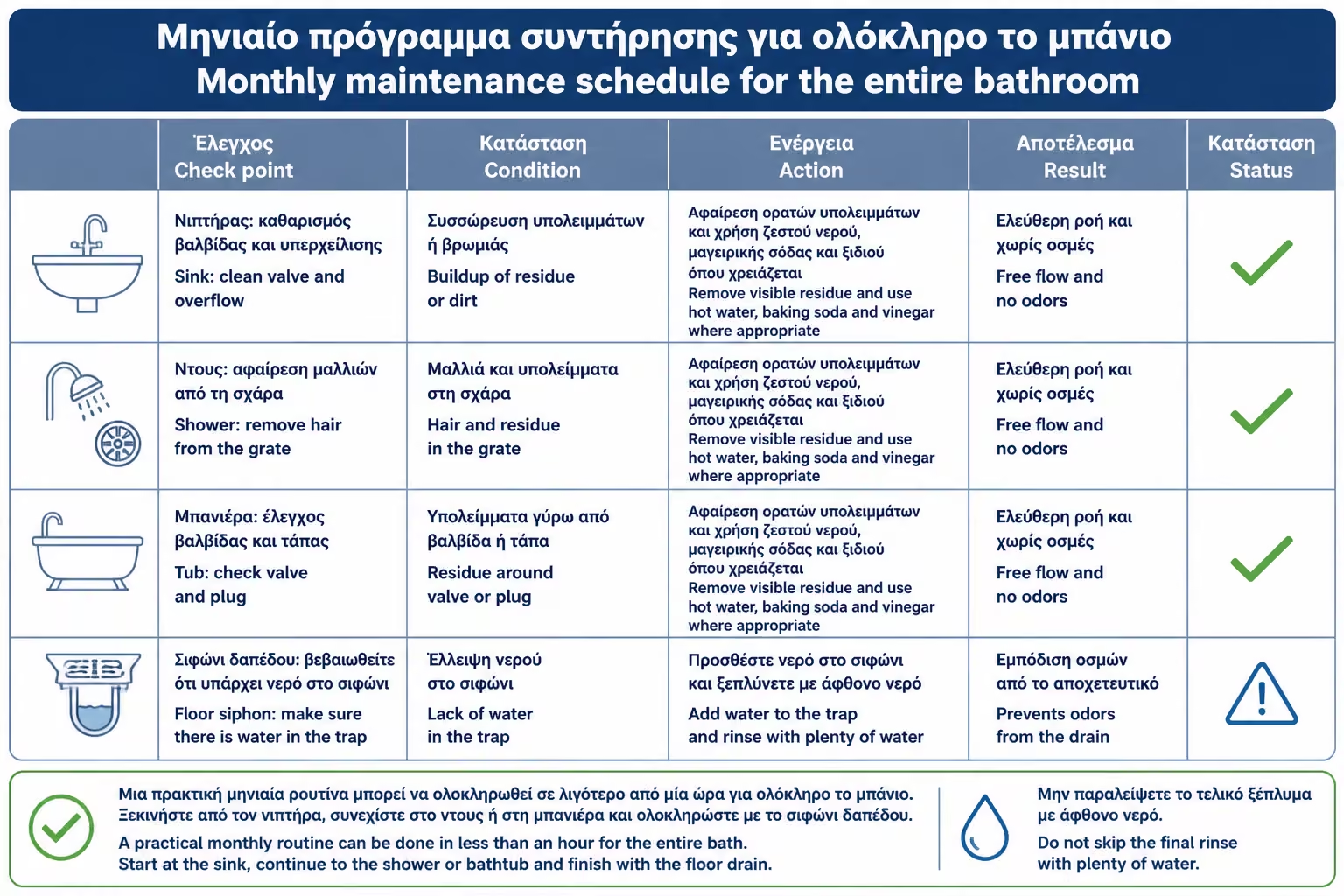
A practical monthly routine can be done in less than an hour for the entire bath. Start at the sink, continue to the shower or bathtub and finish with the floor drain. At each point, first remove visible residue, then use hot water, baking soda and vinegar where appropriate.
For the sink, clean valve and overflow. For the shower, remove hair from the grate. For the tub, check valve and plug. For the floor siphon, make sure there is water in the trap. Do not skip the final rinse with plenty of water.
You can keep a small maintenance diary, especially in homes that have frequent odors. If you see that the smell always returns from the same spot within a few days, then it is not a general maintenance issue. It is an indication of a specific problem.
Monthly maintenance makes sense when accompanied by small daily habits: we don't throw hair down the drain, rinse soaps, ventilate the bathroom, keep the siphons full of water and clean the grates.
Preventive drain maintenance is one of the most economical tasks in the bathroom. The basic materials are cheap and available in many homes. The big cost occurs when prevention is ignored and the problem develops into a blockage or technical failure.
| Material / Labor | Indicative cost picture 2026 |
|---|---|
| Baking soda | around €1–3 |
| White vinegar | around €1–3 |
| Cleaning gloves | around €2–8 |
| Hair retention filter for shower/bathtub | around €2–10 |
| Small siphon cleaning brush | around €3–10 |
| Drain suction cup | around €5–15 |
| Simple hand steel | around €5–20 |
| DIY monthly maintenance | about €1–5 per cycle, depending on materials |
| Professional unclogging | often from €50–€120+, depending on difficulty and area |
| Siphon repair or replacement | case by case |
The prices are indicative and depend on the region, the shop, the quality of the tools, whether VAT is included and the difficulty of access. Prevention with a hair filter and monthly maintenance is much more economical than an urgent unclogging.
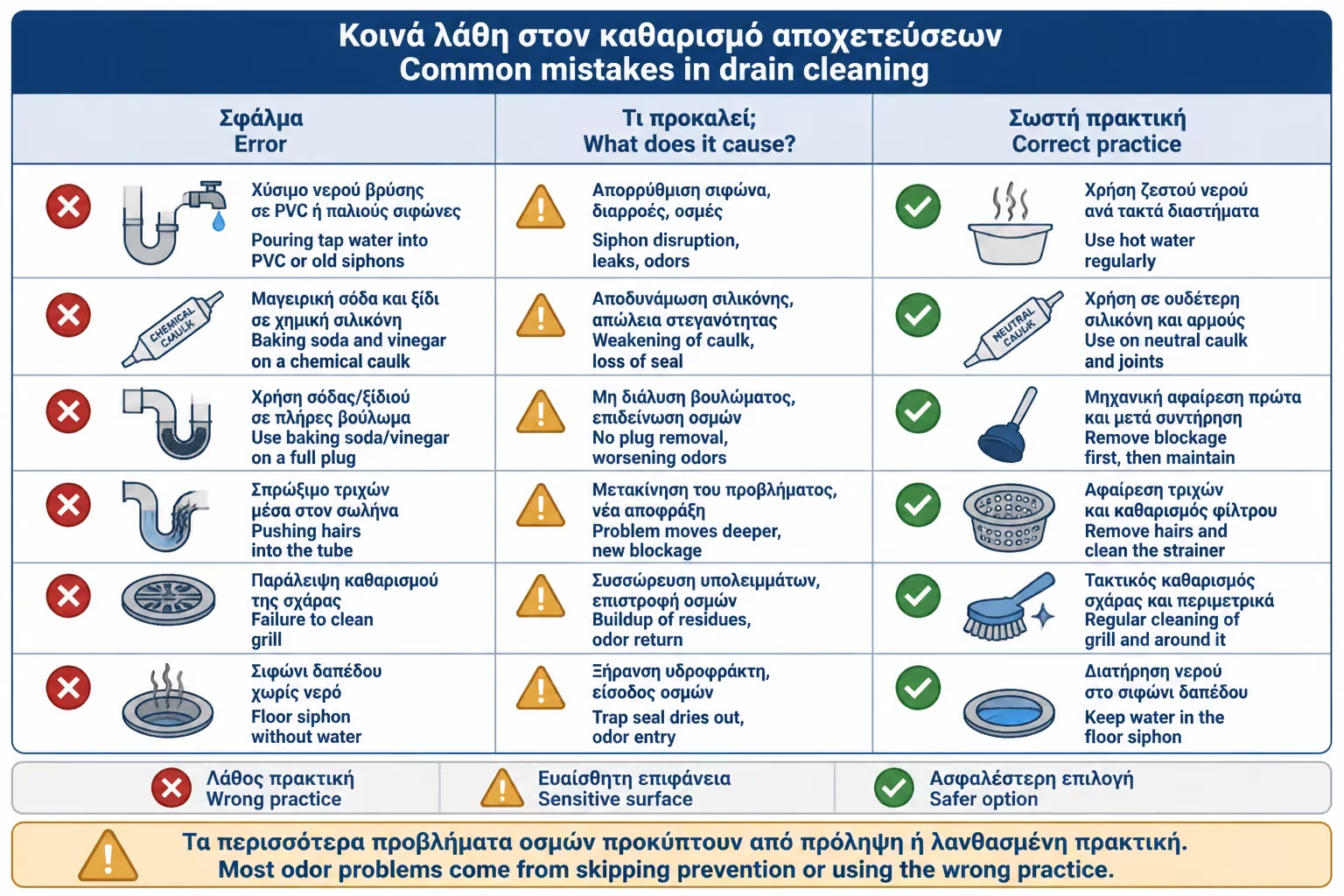
Mistakes are usually made from over-reliance on "recipes" or from haste. Drainage needs proper order, not random products.
| Error | What does it cause? | Correct practice |
|---|---|---|
| Pouring tap water into PVC or old siphons | Thermal stress of components | Very hot, not actively boiling water |
| Baking soda and vinegar on a chemical caulk | Risk of reaction | Never mix products |
| Use baking soda/vinegar on a full plug | Little effect | Mechanical or hydraulic cleaning |
| Pushing hairs into the tube | Future plug | Removal and disposal in the trash |
| Failure to clean grill | Return of odors | Cleaning before the routine |
| Floor siphon without water | Rise of sewage odors | Adding water to the odor trap |
| Too much soda | Debris in the pipe | Small quantity and good rinsing |
| Chemical sealants as monthly maintenance | Wear and tear | Mild prevention and mechanical cleaning |
A typical example is the sink that drains slowly and smells. The owner pours baking soda and vinegar every week, sees foam and thinks it cleans. But there is a mass of hair and soap left in the siphon. Until it is mechanically removed, the problem will return.
A plumber is needed when the water does not drain at all, when there is repeated clogging, when several siphons smell together, when there is a gurgling sound, when the smell returns immediately after cleaning, or when it is suspected that the odor trap is empty. This is not simple maintenance.
A technician is also needed if the faucet under the sink is leaking, if you can't fix it safely, if the shower has a linear faucet that is difficult to access, or if there are old metal pipes. Doing it wrong can create a leak or a bigger problem.
If you've used a chemical sealer and it didn't work, let the plumber know. It is important for its safety, because there may be caustic residues inside the pipe. Do not attempt to open a siphon full of chemical product without protection and knowledge.
Monthly maintenance reduces the chance of problems, but does not eliminate the need for a technician when there is an actual breakdown. Correct diagnosis saves time, money and suffering.
| Inquiry | Yes / No |
|---|---|
| Were hairs and visible debris removed from grills and valves first? | Yes / No |
| Was very hot water used and not screwed on delicate/plastic siphons? | Yes / No |
| Was the soda used in a small, reasonable amount? | Yes / No |
| Did the vinegar only go in after there was no other chemical in the drain? | Yes / No |
| Was there a good final rinse with enough water? | Yes / No |
| Does the floor drain have water in the odor trap? | Yes / No |
| Was the shower grate or floor drain cleaned? | Yes / No |
| Has the sink or tub been checked to see if it drains normally? | Yes / No |
| Wasn't a chemical sealer used as preventative maintenance? | Yes / No |
| If there are rumbling sounds or a strong recurring smell, will a technical inspection be requested? | Yes / No |
| Is there a hair filter in the shower or bathtub? | Yes / No |
If the answer is “No” to the points regarding hair, final rinse or water in the odor trap, the maintenance will not be fully effective. Drainage needs first mechanical cleaning and then mild physical maintenance.
Baking soda and vinegar is good monthly maintenance, not a solution for a serious clog. Before pouring anything down the drain, remove hair, clean grates and make sure the floor drain has water in the odor trap. Use very hot water, not necessarily boiling water, especially on PVC and old installations. And never mix natural materials with chemical sealants or bleach. If the smell returns quickly or you hear gurgling, the problem is probably technical and not a detergent issue.
Cleaning drains to prevent odors is a simple but very useful monthly habit. With a little baking soda, white vinegar and plenty of very hot water you can reduce soap scum, greasy film and mild odors in the sink, shower, tub and floor drain. The important thing is to do it preventively, before a serious blockage appears.
The correct sequence is cleaning visible residue, hot water, baking soda, vinegar, waiting and a good rinse. Hair should be mechanically removed and disposed of in the trash. The floor siphon must always have water in the odor trap. Chemical sealants are not monthly maintenance products and should not be mixed with natural formulations.
If the odor persists, if the water drains slowly, if there are gurgling sounds, or if the smell returns immediately after cleaning, then the cause may be deeper: a clog, a bad odor trap, a drain vent problem or a wrong connection. That's where control is needed, not more vinegar. Monthly maintenance is great when used for what it really is: prevention, not a replacement for plumbing diagnostics.
Return to category.
Go to categoryReturn to the central guide.
Go to guide