

Bathroom DIY, Maintenance & Styling
Return to category.
Go to categoryThere are places in the bathroom that get cleaned almost automatically: the sink, the toilet, the mirror, the bathtub and the floor. But there are also small objects that remain for weeks or months without special attention, even though they are used every day and come into direct contact with the mouth, hands or personal hygiene products. The toothbrush holder, rinsing cup, soap dish, liquid soap dispenser, cosmetic tray and razor holders are some of the most neglected parts of the bathroom.
The problem is that these accessories combine moisture, organic debris and poor ventilation. The toothbrush is often placed wet in a glass or case. Water, toothpaste, saliva, dust and small debris collect at the bottom. The soap dish holds water and melted soap. The base of the dispenser fills with slime from soap and salts. All this creates an environment where dirt is not always immediately visible, but it is there.
The hygiene of these small items is not a matter of exaggeration. If a toothbrush rests on a dirty cup holder, if the soap holder has slime and black marks or if the rinsing glass has cloudy water at the bottom, then the daily cleaning routine starts from an already burdened point. We don't need to panic or disinfect everything daily with heavy chemicals. But it needs constant, simple and practical maintenance.
Humidity is the key factor. A dry toothbrush cup is easy to clean and does not smell. A glass that permanently holds water at the bottom quickly becomes slippery. A soap dish that drains properly stays cleaner for longer. A soap dish without a drain turns into a small pool of water and melted soap. Bacteria and mold do not need a "dirty" bathroom to grow. They need moisture, residue and time.
In this guide we'll look at when cup holders, soap holders and toothbrush holders should be cleaned, how to properly clean them depending on the material, what to avoid, when sanitizing is needed, how to organize toothbrushes more hygienically and when an accessory just needs to be replaced.
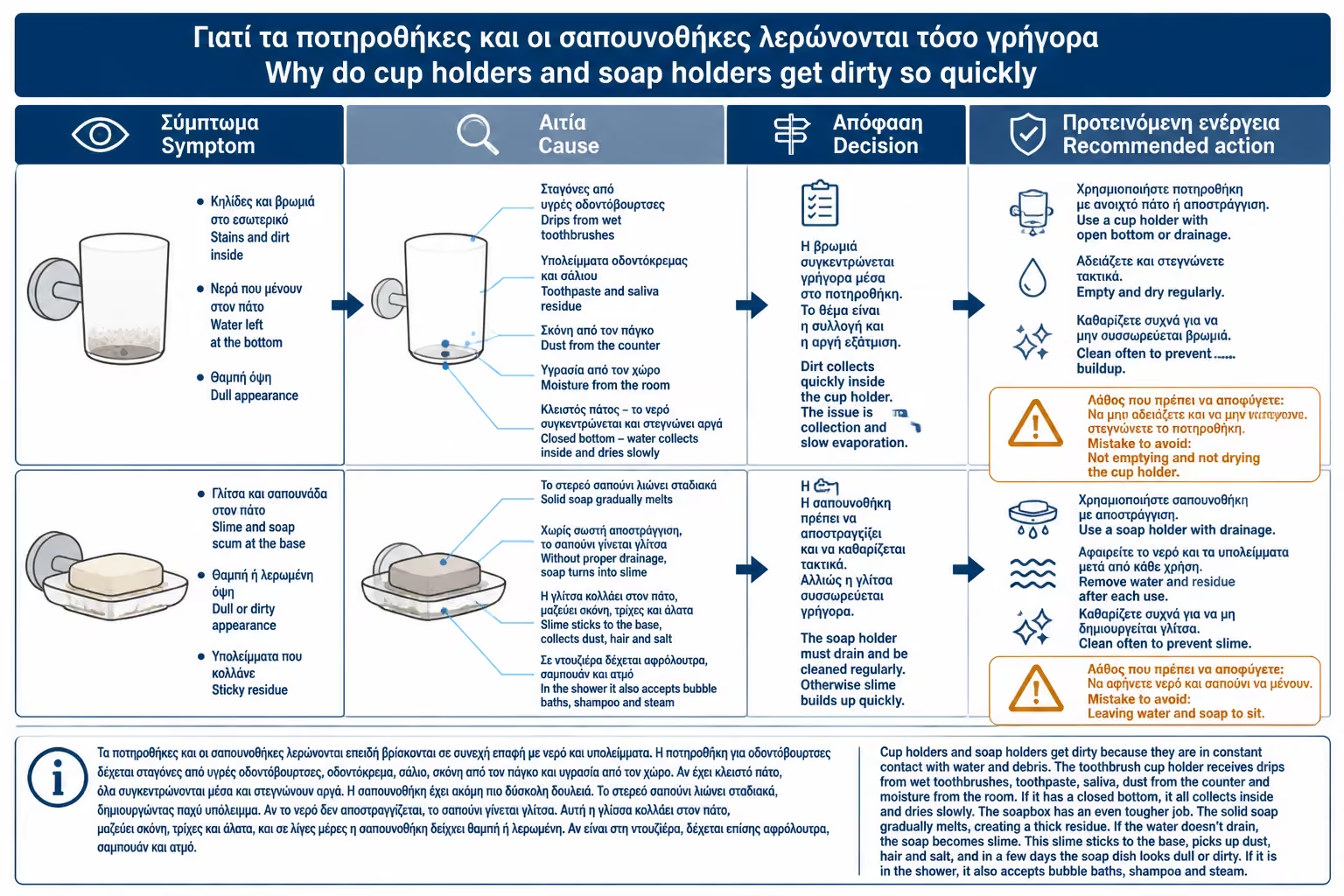
Cup holders and soap holders get dirty because they are in constant contact with water and debris. The toothbrush cup holder receives drips from wet toothbrushes, toothpaste, saliva, dust from the counter and moisture from the room. If it has a closed bottom, it all collects inside and dries slowly.
The soap dish has an even tougher job. Bar soap gradually melts, creating a thick residue. If the water does not drain, the soap turns slimy. That residue sticks to the base, picks up dust, hair and mineral deposits, and within a few days the soap dish looks dull or dirty. If it is kept in the shower, it is also exposed to shower gel, shampoo and steam.
Salts from hard water worsen the picture. They form white crusts where water remains. Soap and dirt stick more easily to the salts. So, even if the object does not have "dirt" in the classical sense, it starts to look blurry and neglected.
A common example is the toothbrush cup. Outwardly it may look clean. But if you lift it, at the bottom it has cloudy water, white salts and a gray-green film. This spot comes close to the handles of toothbrushes and we often touch there with wet hands. It's not a detail; it's part of daily hygiene.
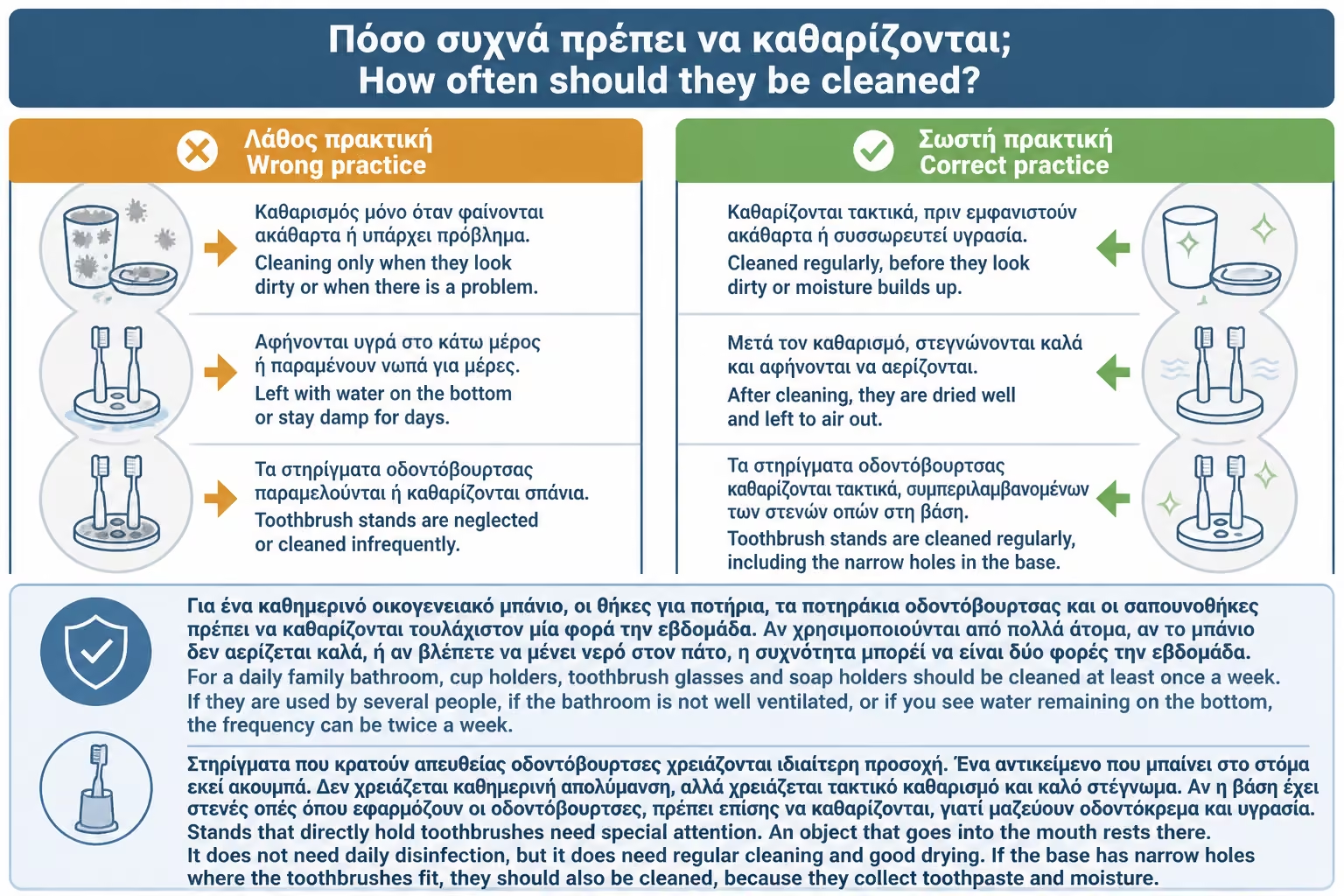
For a daily family bathroom, cup holders, toothbrush glasses and soap holders should be cleaned at least once a week. If they are used by several people, if the bathroom is not well ventilated, or if you see water remaining on the bottom, the frequency can be twice a week.
Stands that directly hold toothbrushes need special attention. An object that goes into the mouth rests there. It does not need daily disinfection, but it does need regular cleaning and good drying. If the base has narrow holes where the toothbrushes fit, they should also be cleaned, because they collect toothpaste and moisture.
Soap dishes with solid soap need to be washed more often, because slime builds up quickly. If the soap sits in water, the soap dish may need cleaning every few days. If it has a grate, drainage holes or a base that allows the soap to dry, it stays cleaner longer.
A useful rule of thumb is this: anything that holds water at the bottom needs to be cleaned more often. Anything that dries completely can be maintained less frequently. Humidity determines cleaning frequency more than appearance does.
Bacteria, slime and mold love moist environments. In the bathroom, humidity is almost constant: steam from the shower, water in the sink, wet toothbrushes, soaps and wet hands. If an accessory is not dried, a microenvironment is created where dirt remains active.
The toothbrush holder is a good example. After use, the toothbrush is rinsed but remains wet. If it is placed in a closed cup or a holder without ventilation, the water runs downward. Drops of toothpaste and residue collect at the bottom. If that moisture does not drain and dry, a film forms.
The same applies to the soap dish. Melted soap is an organic residue and it holds moisture. When it sits there, it becomes a slippery layer. Black mold does not have to be visible for the item to be dirty. The slime itself is already a sign that the surface needs cleaning.
The best prevention is ventilation and drainage. If the water drains away and the surface dries, the chance of slimy build-up and bad odor drops significantly. This applies to every small bathroom accessory.
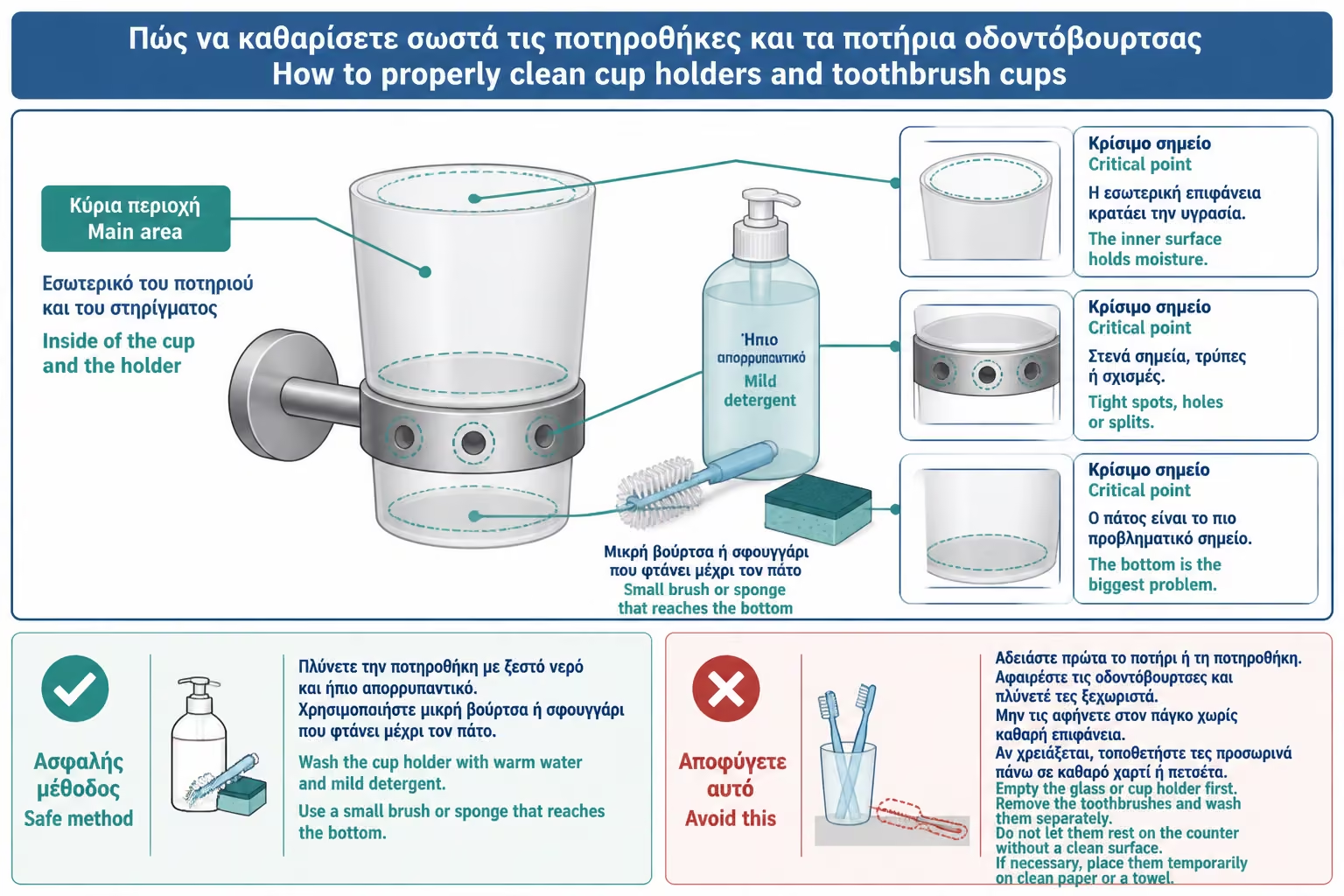
Empty the glass or cup holder first. Remove the toothbrushes and wash them separately. Do not let them rest on the counter without a clean surface. If necessary, place them temporarily on clean paper or a towel.
Wash the cup holder with warm water and mild detergent. Use a small brush or sponge that reaches the bottom. Therein lies the biggest problem. If there are tight spots, holes or splits, work them with a brush. Don't just clean the outside, because the inside is what holds moisture.
If there are salts, you can use a little diluted vinegar, if the material allows it. In glass, ceramic or simple plastic it usually helps. Avoid vinegar on natural stone, marble, specially finished metals or wooden elements. Rinse thoroughly afterwards to remove any odors or residue.
Finally, dry completely. This is critical. If you clean the cup holder and immediately fill it with wet toothbrushes while the bottom is still wet, the problem starts again. Ideally, leave it open for a few minutes to dry or wipe with a clean cloth.
The soap dish needs to remove the soap first. Remove the soap and rinse if it has slime on the underside. Then clean the soap dish with warm water and a mild detergent. If there is a thick layer of melted soap, leave it in warm water for a few minutes to soften.
Use a soft brush or sponge. If the soap dish has a grate or drainage holes, clean these areas thoroughly. Hard soap and salts collect there. Do not use metal wire on chrome, black, gold or plastic surfaces, as you may scratch them.
If the scale has become a white crust, apply a mild de-scaler suitable for the material or diluted vinegar, but only on surfaces that can withstand it. In soap dishes made of marble, stone or concrete, acidic products can leave stains. There, prefer a neutral cleaner.
Dry the soap dish before putting the soap back. If the soap sits in water again, it will melt and create slime. The best soap dish is one that drains. If yours doesn't have a drain, it might be worth replacing.
Liquid soap dispensers look more hygienic than soap boxes, but they also get dirty. Soap that runs from the pump, water from the hands and salts from the sink collect at their base. If the pump is metal, it may show scale or rust, especially on budget products.
Clean the outside of the dispenser once a week. Lift it off the counter and clean underneath. Many times the circular print around the base isn't just water; it's soap, salts and dust. If left, it can leave a permanent mark on the counter, especially on delicate materials.
The pump also needs cleaning. Wipe the nozzle where the soap comes out. If it has dried soap, soak only the appropriate part in warm water or wipe with a damp cloth. Do not submerge the entire mechanism if you do not know if it will hold.
If you are filling a reusable dispenser, wash it before refilling. Don't keep adding new soap on top of old scum. Over time, the inside can become slimy, especially if you dilute the soap with water without cleaning the container.
The toothbrush should be rinsed thoroughly after use and placed upright to drain. Ideally, the toothbrush heads should not touch each other. In family cup holders where all the brushes fall on top of each other, moisture and debris are transferred more easily.
Avoid closed lids for everyday storage unless there is a special reason for carrying. A cap can keep out dust, but if the brush is closed wet, it doesn't dry well. Moisture remains on the head. For everyday bathing, ventilation is more important than keeping the brush closed.
Do not place the toothbrush too close to the toilet or sink, especially if the space is small. If possible, keep it away from splashes and from cleaning tools stored openly nearby. It is also a good habit to close the toilet lid before flushing.
The cup holder must hold the brush upright, allow for ventilation and not have a bottom that permanently holds water. If it has a removable insert or grate, clean it often. Small parts are the ones that pick up the most dirt.
For daily household use, regular cleaning with warm water and soap is the foundation. It removes dirt, film and residue. Disinfection makes sense periodically or when there is increased need: after a virus, when there is visible contamination, when the holder has developed an odor, when an item has fallen into the toilet or when it is used by several people.
Disinfection must be done on a clean surface. If there is soap, salts and slime, clean first. Then apply disinfectant according to the instructions. If using a chloride product, do not mix it with vinegar, lemon, hydrogen peroxide or other cleaners. After disinfection, rinse where necessary and dry.
Avoid leaving strong chemical residues on objects that come into contact with toothbrushes. A good rinse is essential. We don't want a cup holder smelling strongly of bleach or cleaner and then toothbrushes touching it.
For many materials, a mild disinfection with a suitable product is safer than improvised combinations. Sanitizing doesn't have to be aggressive to be helpful. It needs correct order and compatibility with the hardware.
Do not leave standing water on the bottom of glasses and coasters. It is the most common mistake. If the cup holder holds water, empty it daily or choose another base with better drainage. The toothbrush should not stand in water.
Do not use the same sponge that cleans the toilet or toilet brush holder to clean the cup holder. Cleaning tools must stay separate. For toothbrush accessories, use a clean sponge or a small brush, or place them in the dishwasher only if the material allows it.
Do not use abrasive sponges on plastic or black/colored accessories. Scratches hold more dirt. Do not put vinegar on marble, natural stone or metal with special finishes. Do not leave essential oils or perfumed products in cup holders that touch toothbrushes, as they may leave residue.
Don't assume an item is clean because it "has soap on it." The soap dish can be full of soap and dirty at the same time. Soap that pools becomes residue, not automatic sanitization.
Glass and ceramic are relatively easy to clean, don't hold odors easily, and show when dirty. But they need attention because they break. Plastic is light and economical, but if scratched or yellowed, it holds dirt more easily. Stainless steel can be practical, but it must be of good quality so that it does not rust in a wet environment.
Wooden or bamboo accessories are aesthetically beautiful, but need very good drying. If they are constantly wet, they can turn black, swell or smell. Not an ideal choice for areas where water sits on the bottom unless they are very well treated and drained.
Slatted or sloped soap dishes are better than flat closed ones. Cup holders with removable bottoms or drainage holes are easier to clean. Accessories that come apart in parts are usually more hygienic, because you can clean the corners.
The best choice is not always the prettiest. It is the one that is easy to clean, dries quickly and does not retain hidden water.
Some glass holders, bath glasses and soap dishes can be put in the dishwasher, but only if the material allows it. Glass and ceramic accessories usually hold up better. Low quality plastics may deform. Specially finished metals may dull. Wooden or bamboo accessories are not suitable.
If you use a dishwasher, put items toothbrush-free, debris-free, and in a place where they won't move. After washing, let them dry completely. Do not reuse them while there is water in the bottom.
Not everything needs to go in the dishwasher every week. For many accessories, hand washing is more controlled and safer. The washing machine is useful mainly for simple, durable items without special finishes.
If you are not sure about the material, don't risk it. A simple wash with warm soapy water is safer than a disfigurement or blur that cannot be corrected.
Bathroom trays and organizers collect dust, water, residue from creams, toothpaste, make-up and soaps. They often look neat but have a sticky film on the bottom. If toothbrushes, razors or facial products rest on them, they need frequent cleaning.
Empty the organizer once a week or every fortnight, depending on use. Wash it with a mild detergent, rinse and dry. Clean the objects themselves that rest on it. There is no point in cleaning the tray and putting back bottles with soap stuck to their bases.
Avoid hard sponges and abrasives on acrylic or clear organizers. They are easily etched and then clouded. On metal organizers, watch for rust at the joints. In bamboo organizers, dry very well.
Organization helps hygiene. The fewer objects resting on the counter, the easier it is to clean. An overloaded counter around the sink quickly becomes a zone of moisture and debris.
Razors are often left in glasses, soap dishes or cases filled with water. This is not good practice. Moisture accelerates blade wear, can form rust, and makes the case dirty. A razor that stays in water is not hygienic nor does it work well.
After use, rinse the razor, shake it gently and leave it to drain. Do not put it blade down in a glass of water. Clean its case like you clean a cup holder, especially if it collects hair or shaving foam.
If rust appears on the blade or sheath, replace the razor. A worn blade is not worth using in contact with the skin. If the case is metal and rusts, prefer a material that can better withstand moisture.
Do not store razors with toothbrushes. It is different use and different hygiene. Keep them separate, in a dry place.
The sink counter must be easy to clean. If it is full of glasses, soaps, creams, brushes, razors and small objects, any cleaning becomes difficult and eventually postponed. Accessory hygiene starts with less clutter.
Keep only everyday items on the counter. Things that are rarely used go in a cabinet or organizer. Toothbrushes should be upright and ventilated. The soap should drain. The dispenser must be easily lifted for cleaning from below.
If there are children, use containers that are easy to clean and do not tip over. If there are several members in the family, prefer a case with separate positions for each toothbrush. So the heads do not touch each other.
Once a week, pick up all items and clean the counter. Then clean the items themselves before putting them back. This takes a few minutes, but makes a big difference in the hygiene of the area.
If a cup holder has a persistent odor, cracks, yellowing, slime that comes right back, or spots that won't clean, it's best to replace it. Small bathroom accessories are not worth saving with harsh chemicals when they are worn out. Their cost is usually low in relation to hygiene.
Soap dishes that are cracked or permanently hold water in the bottom are poor choices for everyday use. If the material is heavily scratched, the scratches hold dirt. If a metal accessory has started to rust, it can stain the counter or sink.
Wooden or bamboo accessories that have blackened, swelled or smell of moisture do not always come back with cleaning. If moisture has entered the material, replacement is safer.
A simple rule: if an accessory that comes close to toothbrushes cannot be completely cleaned and completely dried, it is not suitable for this use.
Small bathroom accessories are economical to maintain. Basic cleaning supplies are already in most homes. The replacement is also relatively low-cost, unless we are talking about design series or special materials.
| Product / Work | Indicative cost picture 2026 |
|---|---|
| Clean with existing soap and warm water | practically €0–2 |
| Small cleaning brush | around €2–8 |
| White vinegar or baking soda | around €1–3 |
| Simple plastic cup holder | around €2–8 |
| Glass or ceramic cup holder | around €5–20 |
| Soap dish with drain | around €3–15 |
| Liquid soap dispenser | around €5–25 |
| Bathroom accessories set | about 10–60€+ |
| Design / metal / special finish accessories | around 30–100€+ |
The prices are indicative and depend on the region, the store, the quality, the material, the brand and whether VAT is included. For everyday hygiene, many times a simple accessory that is easy to wash and dry is better than an expensive one that retains water and is practically impossible to clean.
Most mistakes are made because accessories seem "secondary". But because they come into contact with toothbrushes, soap and hands, they directly affect daily hygiene.
| Error | What does it cause? | Correct practice |
|---|---|---|
| Toothbrushes in a glass with water at the bottom | Moisture, slime and odors | A holder that drains and dries fully |
| External cleaning only | Dirt on bottom and holes | Complete cleaning inside |
| Soap sitting in water | Slip and melted residue | Soap dish with drain |
| Using the same sponge as the toilet or sink | Germ transport | Separate tools |
| Vinegar on marble or special finishes | Fading and wear | Neutral cleaner |
| Closed wet toothbrush case | Poor drying | Open ventilation |
| Old accessories with cracks | They hold dirt | Replacement |
| Many objects on the counter | Difficult cleaning | Less and more organized |
A prime example is the beautiful ceramic glass that holds four toothbrushes. It looks clean from the outside, but because it is never emptied, it has standing water at the bottom. The solution is not a stronger disinfectant once a month. It is to be emptied, washed and dried weekly, and ideally to allow better ventilation.
If the accessories get slimy or moldy very quickly, the problem may not just be their cleanliness. The bathroom may be holding too much moisture. If the mirror remains cloudy for a long time, if the joints turn black, if the curtain or cabin smells and if the soap dishes never dry, better ventilation is needed.
Check if there is a window or vent and if it is used enough. The moisture that remains in the room sits on all objects. Even the cleanest accessories will quickly become dirty if the bathroom is not dried.
Also check if the surfaces around the sink hold water. A counter without proper wiping, a dripping battery or a dispenser that constantly runs soap create permanent moisture. Accessories just show the problem.
The hygiene of small items is part of the overall hygiene of the bathroom. It is not enough to wash the cup holder if the counter underneath it is constantly wet.
| Inquiry | Yes / No |
|---|---|
| Are the cup holders and soap dispensers cleaned at least weekly? | Yes / No |
| Does he empty the water from the bottom of glasses and coasters daily? | Yes / No |
| Do toothbrushes dry upright and ventilate? | Yes / No |
| Are the toothbrush heads not touching each other? | Yes / No |
| Does the soap dish have drainage or does it dry out easily? | Yes / No |
| Does the dispenser lift up and clean from underneath? | Yes / No |
| Are separate cleaning tools used for these accessories? | Yes / No |
| Avoid vinegar/acids on marble, natural stone and special finishes? | Yes / No |
| Are the accessories rinsed well after disinfection? | Yes / No |
| If they have cracks, permanent slime or smell, are they replaced? | Yes / No |
| Is the sink clean under all items? | Yes / No |
| Is the bathroom ventilated enough to dry accessories? | Yes / No |
If the answer is "No" to the points concerning drying, water on the bottom or contact of toothbrushes, daily hygiene needs improvement. A clean bathroom is not only judged by the large surfaces, but also by the small objects we use every day.
If an accessory in the bathroom holds water, it will get dirty quickly. This is the simple rule. Cup holders for toothbrushes and soap holders must be emptied, washed and dried frequently, because they are in direct contact with personal hygiene items. Don't just look if they look pretty on the outside. Look at the bottom, holes, grates and places where moisture stays. If it does not dry easily, it is not a good choice for bathing.
The hygiene of small bathroom accessories is one of the most underrated parts of cleanliness. Cup holders, soap holders, toothbrush holders, dispensers and organizers are used every day, but are often cleaned much less often than they should be. Moisture, soaps, toothpaste, salts and organic residues create slime, odors and places where dirt stays hidden.
The solution is not too much chemistry. It's a simple routine: weekly washing, daily emptying of stagnant water, proper drainage, good drying and selection of easy-to-clean accessories. Toothbrushes should be dried standing up, not touching each other and not standing in water. Soap dishes should allow the soap to drain. Stands and organizers need to be lifted and the counter underneath cleaned.
If an accessory has cracks, permanent slime, rust, odor or does not clean completely, replacement makes more sense than trying to save it with strong cleaners. In the bathroom, small items make a big difference. When they are clean, dry and properly organized, the entire space becomes healthier and more pleasant to use on a daily basis.
Return to category.
Go to categoryReturn to the central guide.
Go to guide