
Electrical Panel Buying Guide
How to calculate the right panel size and number of module spaces so the board is not overcrowded from day one.
Read more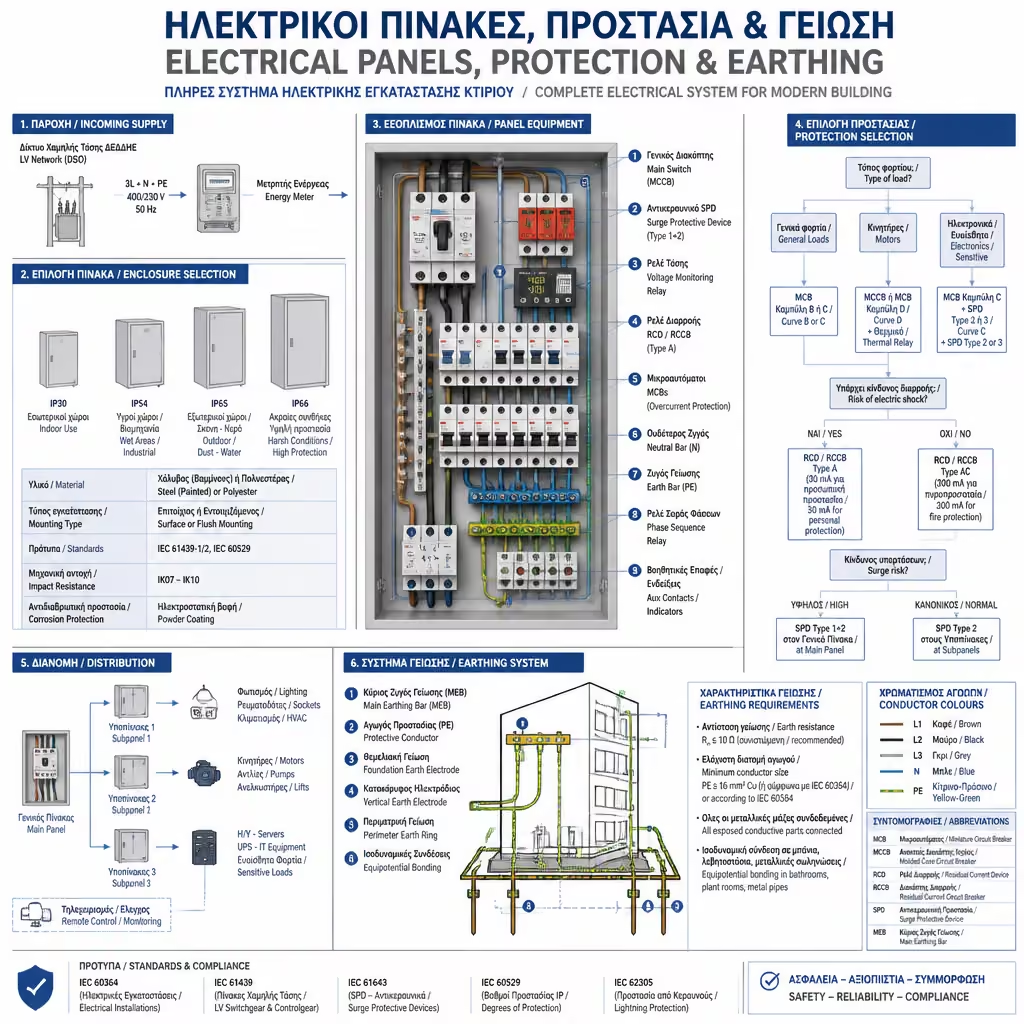
The electrical panel is not just a plastic box on the wall. It is the control centre and the primary shield that protects both life and property. In this section we decode everything around the main board and the grounding system: choosing the right enclosure, understanding residual-current protection, meeting foundation-grounding requirements in new buildings and recognising the warning signs that show an old panel needs replacement.
These supporting articles help you make better technical decisions whether you are designing a new installation, upgrading an old one or diagnosing a safety concern.
Good design starts with the enclosure itself. The correct panel gives you enough space for current needs, flexibility for future extensions and the right fit for the building environment.
How to calculate the right panel size and number of module spaces so the board is not overcrowded from day one.
Read moreAdvantages, drawbacks and aesthetic trade-offs depending on whether you are in new construction or a light renovation.
Read more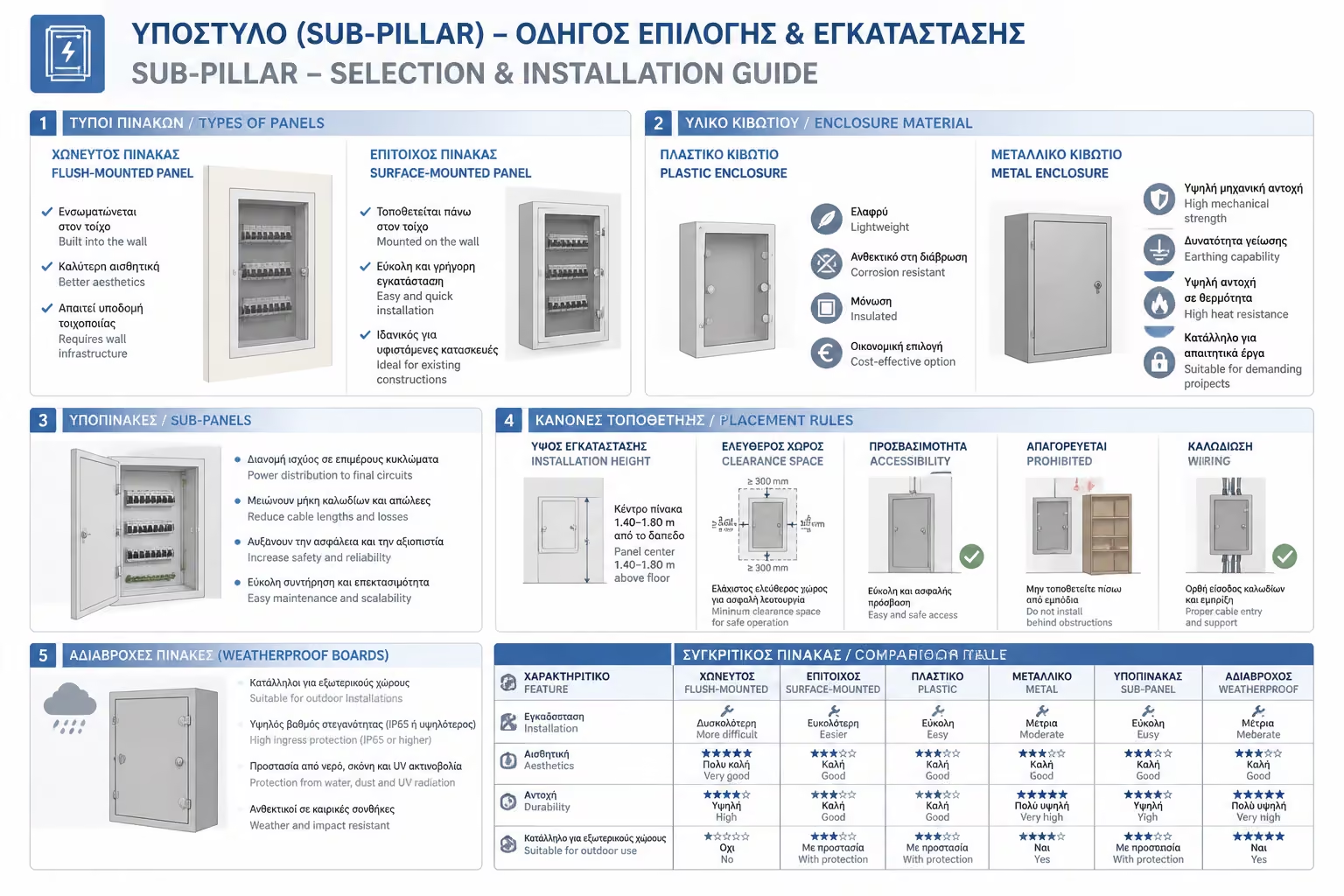
When regulations require a metal enclosure and when ABS plastic is sufficient for residential use.
Read moreWhen a second board is useful for maisonettes, outbuildings or large garages, and how it should be connected correctly.
Read moreWhat the rules say about where the main panel can and cannot be installed, especially near bathrooms and damp areas.
Read moreA guide to weatherproof boards for outdoor use, wet environments, basements and storage spaces.
Read moreClean internal wiring for easier maintenance, better safety and reduced overheating risk.
Read moreThe components inside the panel make critical decisions in fractions of a second. Understand how protective devices work so you can specify the right combination for real-world safety.
What they do, how they save lives and why they sometimes trip “for no reason” from the user’s perspective.
Read moreWhy older AC-type devices may no longer provide adequate protection around modern electronic loads and inverters.
Read more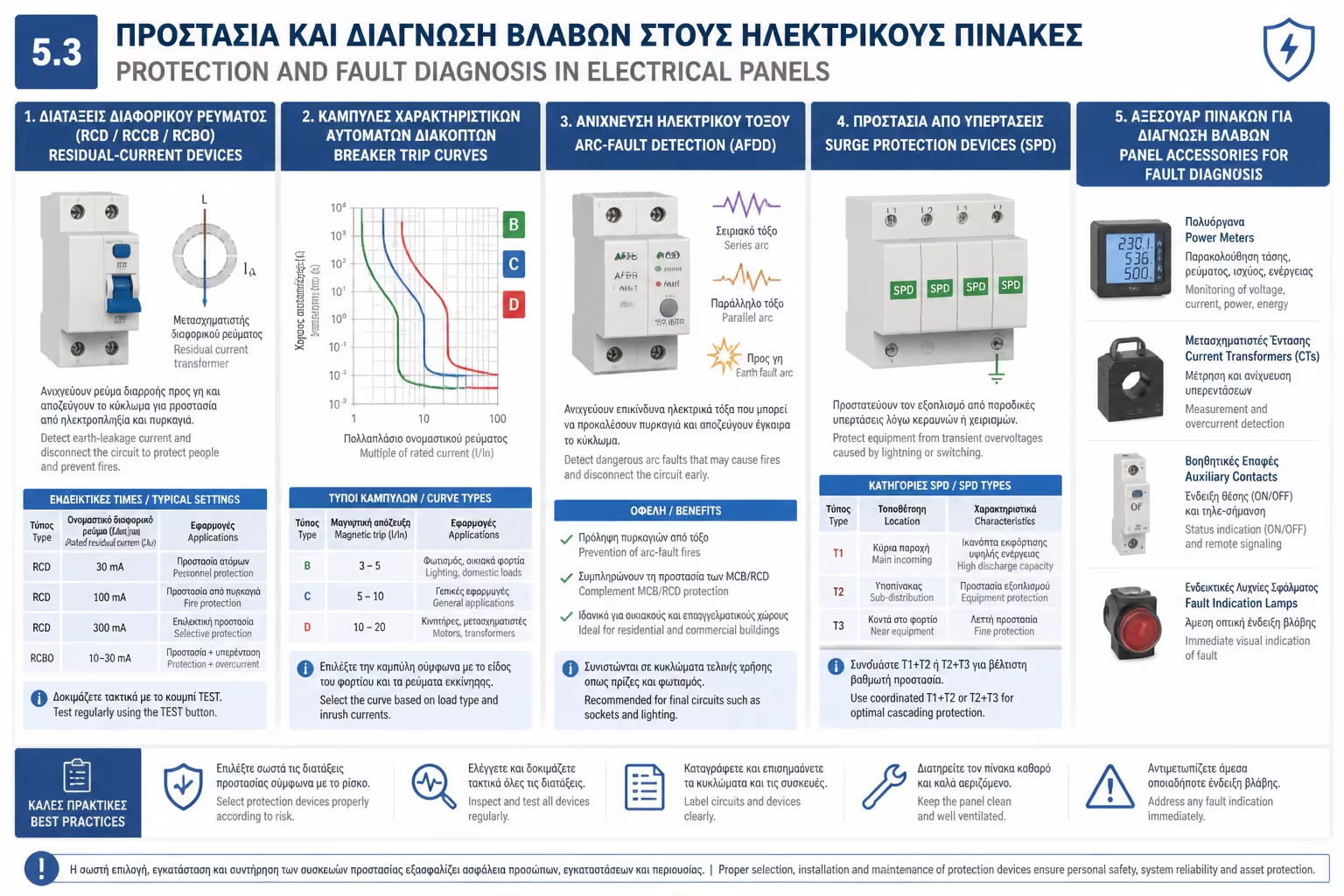
The difference between B and C curves and which breaker belongs on lighting, motors or air-conditioning loads.
Read moreThe newer fire-protection standard that detects dangerous arcing before it turns into a fire.
Read moreHow to protect electronics, TVs and computers from lightning-related surges and dangerous voltage events.
Read moreHow contactors and power relays safely control water heaters, large loads and tariff-based circuits.
Read moreTheir different roles, the proper installation order and how each one behaves during a fault event.
Read moreSmall DIN-rail devices that make diagnosis and everyday use of the panel much easier.
Read moreGrounding is invisible, but it is the most important protective infrastructure in the building. Whether you are pouring new foundations or upgrading an existing property, proper grounding is the only safe escape path for fault current.
A full guide to the grounding system that has been mandatory by law in new construction for many years.
Read moreWhich materials go into the concrete before the slab is poured and why coordination between contractor and electrician matters.
Read more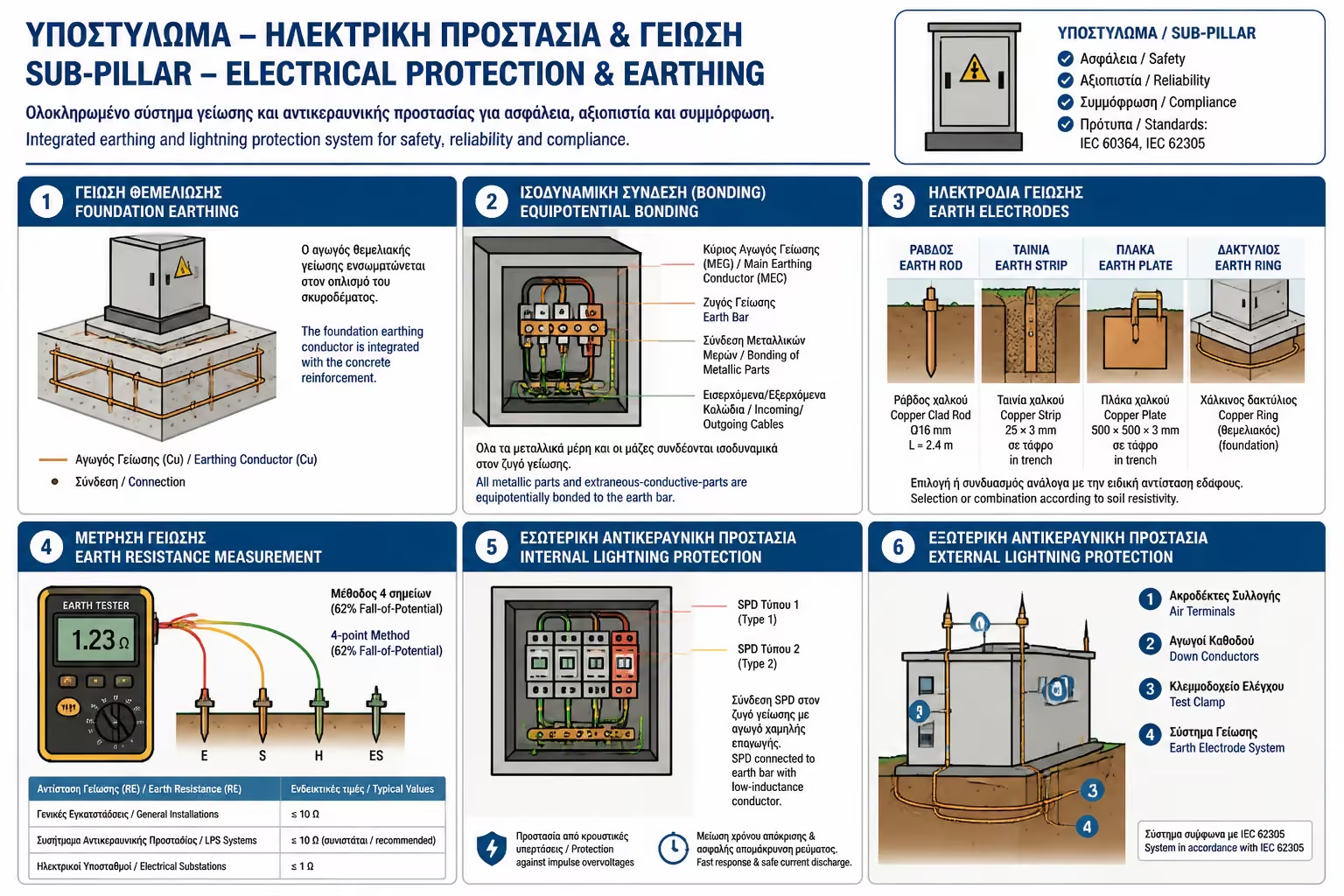
A simplified guide to TT, TN-S and TN-C-S arrangements and how neutral and earth are distributed through the supply network.
Read moreHow to create effective, measurable grounding in older buildings that have no foundation-grounding system.
Read moreWhy it is essential to bond metallic water pipes, bathtubs and exposed metal elements throughout the building.
Read moreHow the test is performed, what resistance values are acceptable and how a poor grounding system can be improved.
Read moreStrategies for protecting the building’s sensitive electronic equipment against indirect lightning events.
Read moreDesign principles, regulations and technical requirements for external lightning control systems in exposed or professional installations.
Read moreAge and rising energy demand put old panels under strain. Upgrading them is not just modernisation; it is a direct intervention that protects the property against fire and system failure.
Burning smell, buzzing sounds, frequent short circuits and other warning signs that should never be ignored.
Read moreA transparent pricing guide showing what the electrician’s work includes and which materials drive the total budget upward.
Read more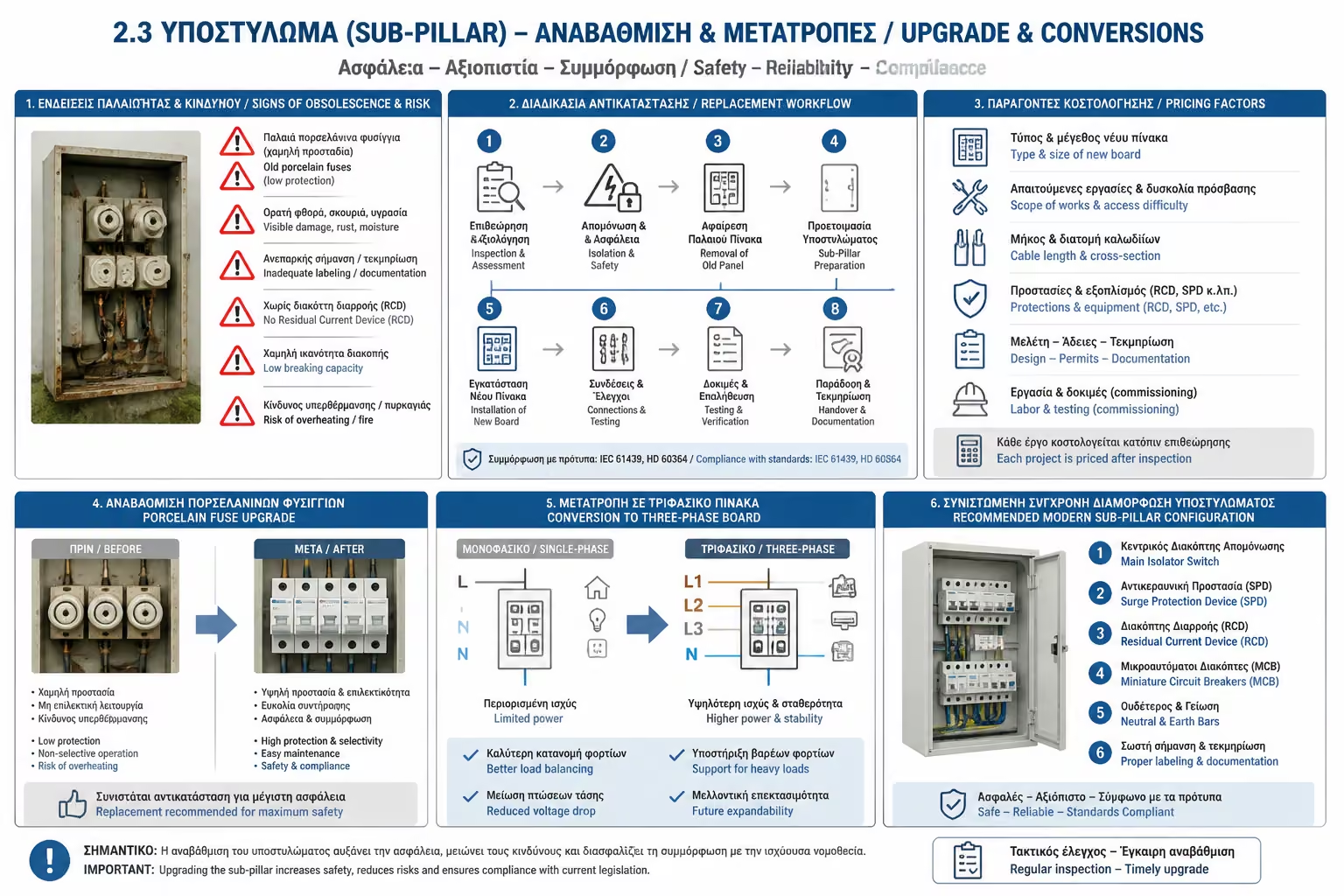
Why the classic screw-in fuses with wire inserts are obsolete and should be replaced with modern breakers.
Read moreSpace and protective-device requirements before adding major loads such as a heat pump or EV charger.
Read moreHow long the work takes, how disruptive it is and what the owner should know before the electrician arrives.
Read moreThe most underrated but essential step: clearly naming each breaker so faults can be located without guesswork.
Read moreWhat changes inside the board, in the protective devices and in the internal wiring once the supply upgrade is approved.
Read moreSee the full pillar map covering panels, supply, lighting, smart home, networks and maintenance.
Go to the guideIf you are planning a new installation or a demanding renovation, contact us for proper design support and coordination of all building networks.
Contact us