
DIN-Rail Energy Meters
What panel-mounted meters are and how they are installed inside the board for permanent monitoring.
Read more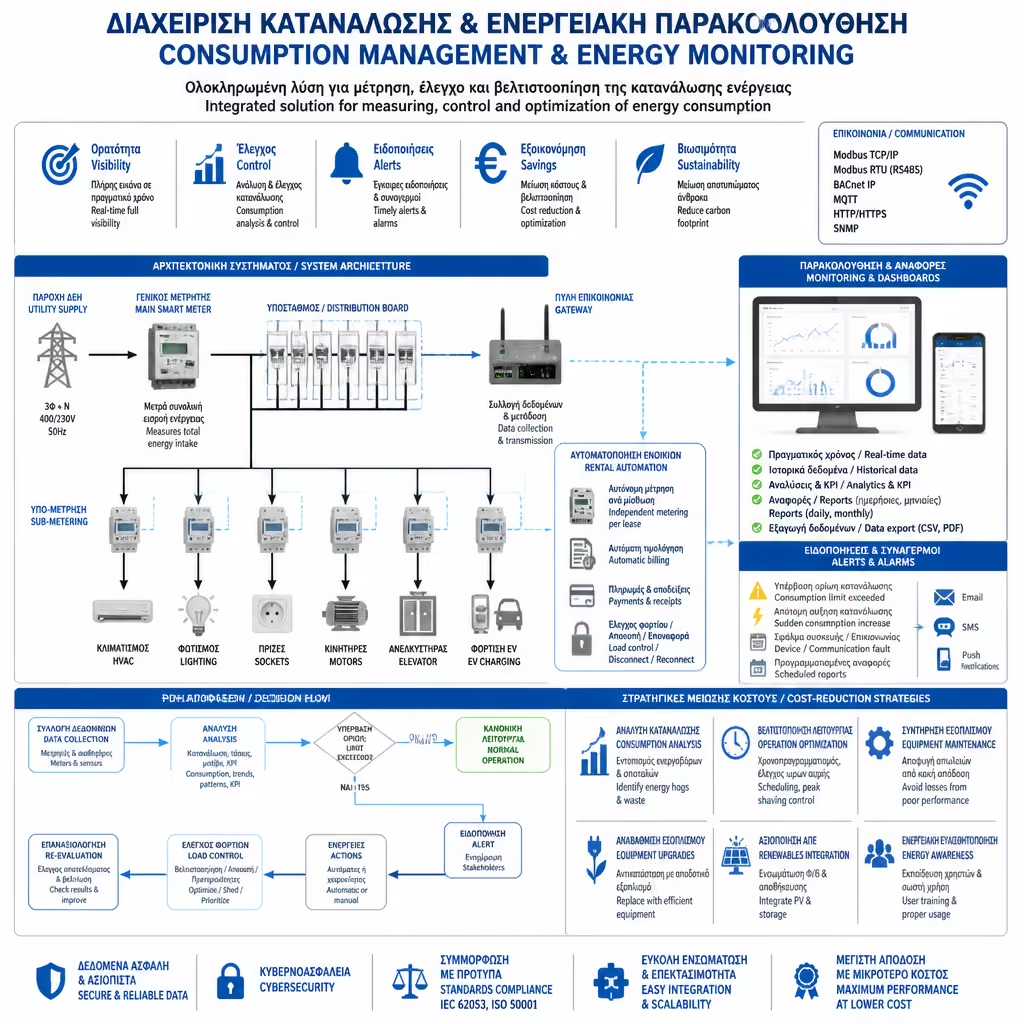
When electricity costs rise, visibility becomes the first real lever for savings. This guide covers the tools and workflows that help you measure, analyse and control consumption in homes, rentals and small businesses, from DIN-rail sub-metering to smart dashboards and tariff-aware automation.
The articles in this section help you move from rough assumptions to actual data, then from data to targeted energy-saving action.
The foundation of control is reliable measurement. This section explains how to install, choose and use consumption meters for homes, apartments, rooms and shared facilities.
What panel-mounted meters are and how they are installed inside the board for permanent monitoring.
Read moreHow to monitor separate loads or users so electricity can be tracked fairly and clearly.
Read more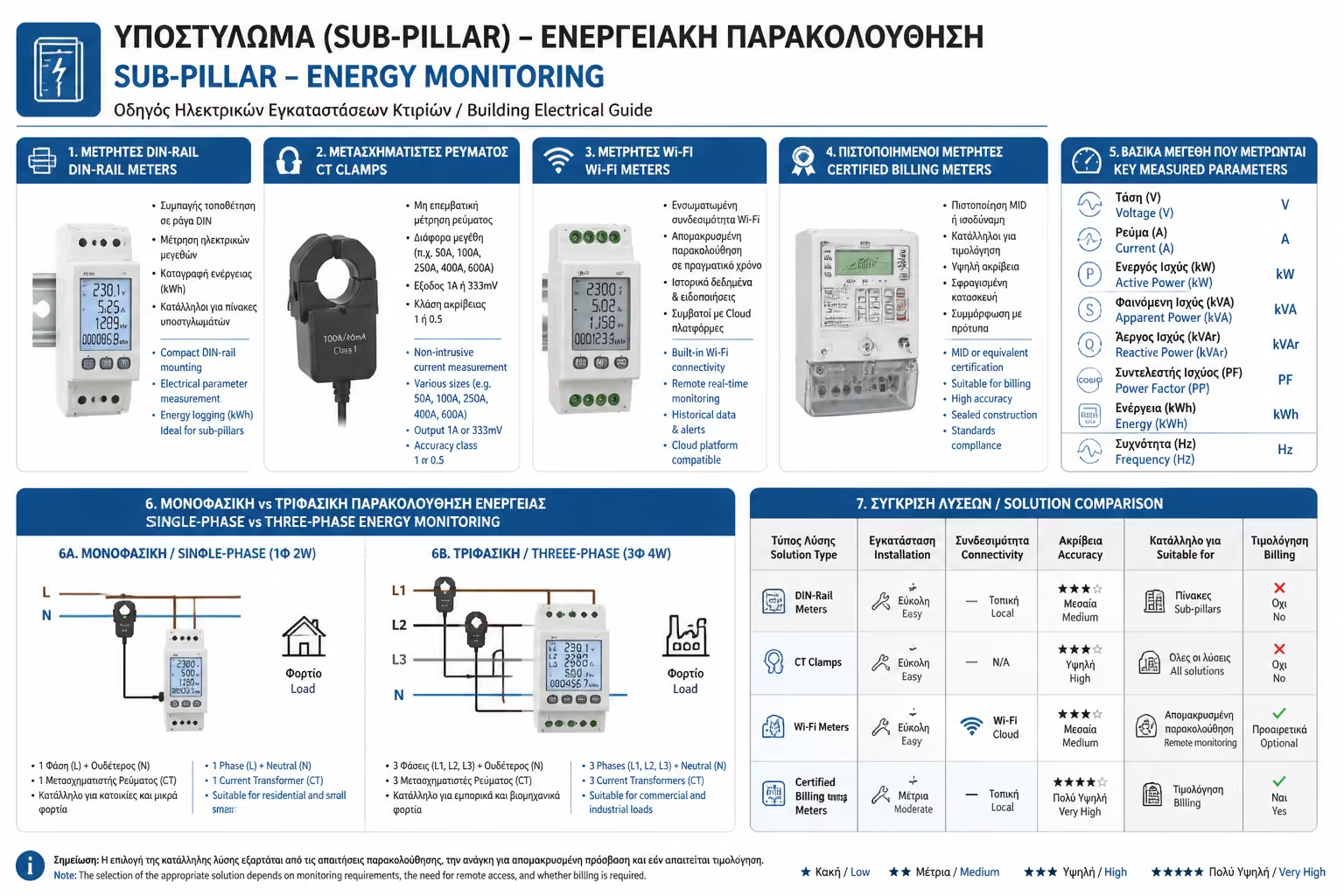
Devices such as Shelly EM or Sonoff that provide quick cloud or app-based access to live consumption data.
Read moreHow current transformers work, where they fit and why they are so common in retrofit monitoring.
Read moreWhich type you need based on the supply and the way loads are distributed in the property.
Read moreWhy MID-certified meters matter when the readings are used for billing or legal accountability.
Read moreSmart plugs with energy measurement for appliance-level monitoring without panel work.
Read moreThe main integration options used when monitoring scales beyond a single apartment.
Read moreShort-term rentals and shared spaces need stricter control of waste without harming the guest experience. Here we look at practical automation and billing approaches for real operating scenarios.
How to limit unnecessary consumption in short-term rentals without making the space feel restrictive.
Read moreWays to stop cooling and heating from running continuously when guests are away.
Read more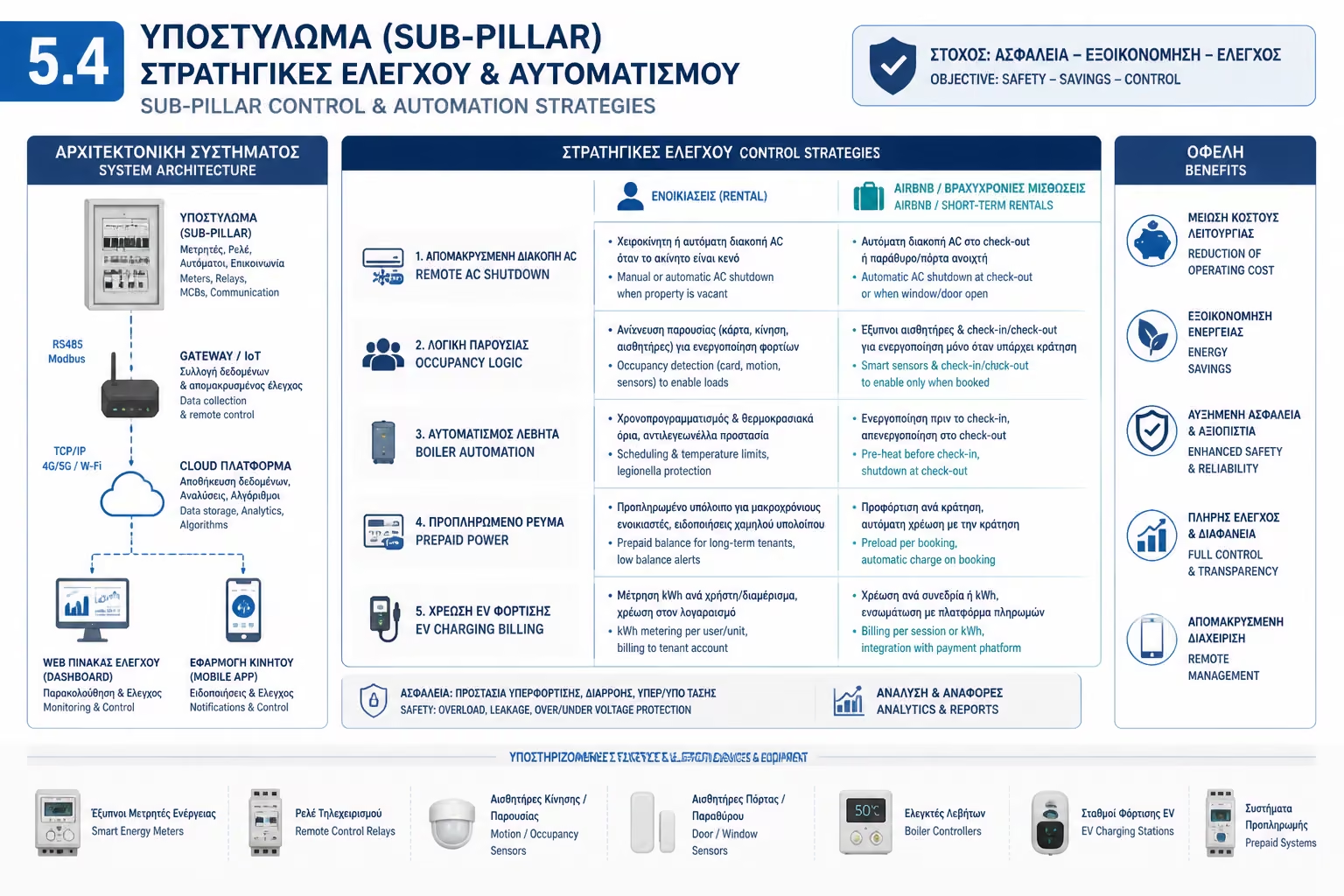
Traditional presence control compared with newer smart occupancy logic.
Read moreTimed and rules-based control that prevents unnecessary hot-water heating.
Read moreWhen prepaid metering makes sense and what its operational limits are.
Read moreHow to measure and charge separately for guest EV charging in Airbnb-type accommodation.
Read moreWhat can be measured, billed or controlled and where contractual clarity matters.
Read moreSmart rules that stop waste when the room is being ventilated or misused.
Read moreMeasurement alone is not enough. The next step is turning raw energy data into readable dashboards, alerts and reports that support actual decisions.
The basics of understanding daily curves, spikes, baseload and abnormal operating patterns.
Read moreHow to bring multiple measurements into one central visual environment.
Read more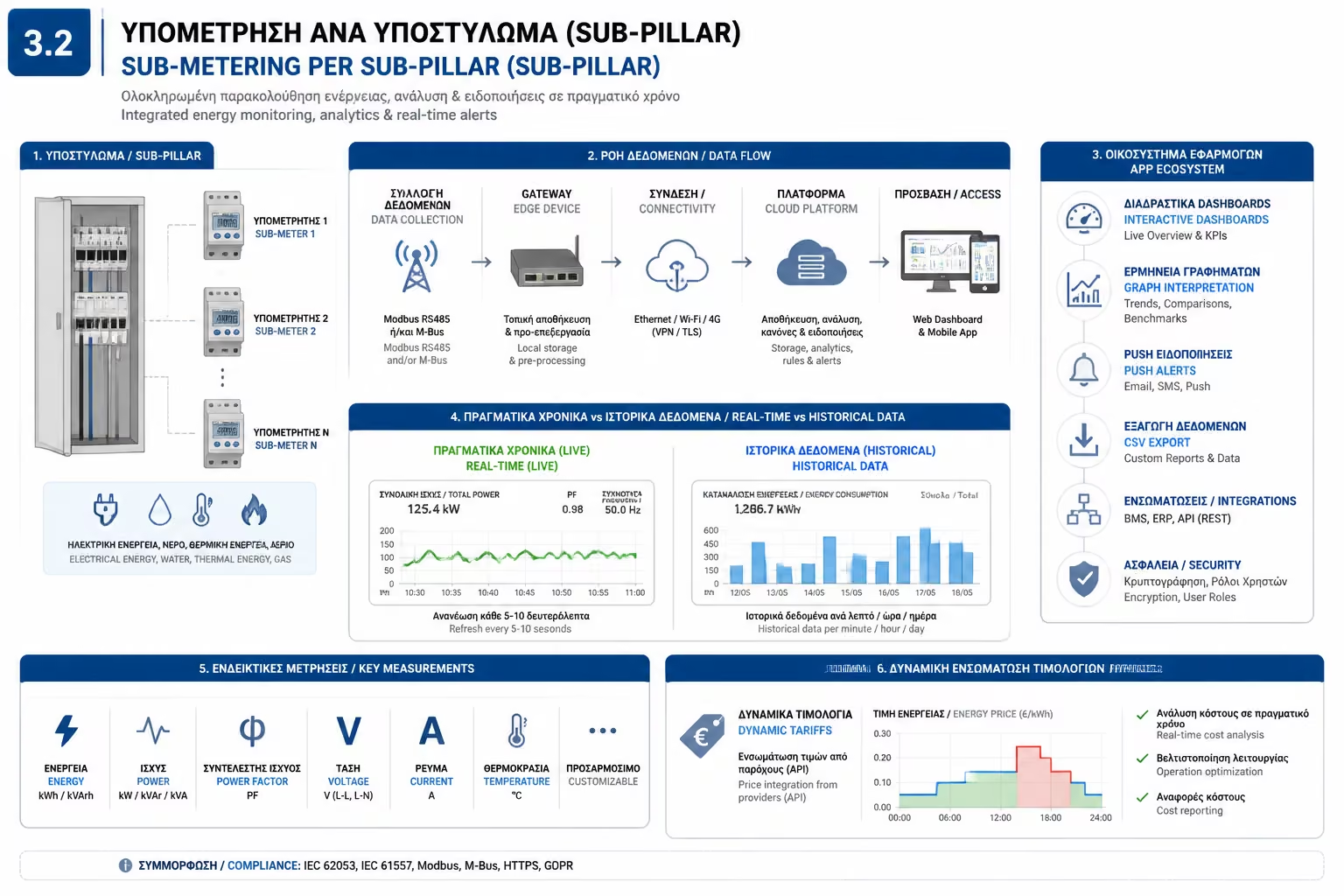
How vendor apps differ in visibility, automation depth and long-term usefulness.
Read moreHow to move energy data into spreadsheets for audits, accounting or deeper analysis.
Read morePush notifications and threshold logic for early warning when usage suddenly changes.
Read moreWhat each mode is good for and why both matter in a serious energy workflow.
Read moreHow apps and automation can respond to hourly price signals instead of fixed-rate assumptions.
Read moreThe last layer is action. Once measurement and analytics are in place, practical electrical upgrades and automation strategies can reduce cost quickly and often with fast payback.
Standby loads that quietly consume electricity all day and how to eliminate them.
Read moreWhy better temperature control usually means lower bills and more stable comfort.
Read more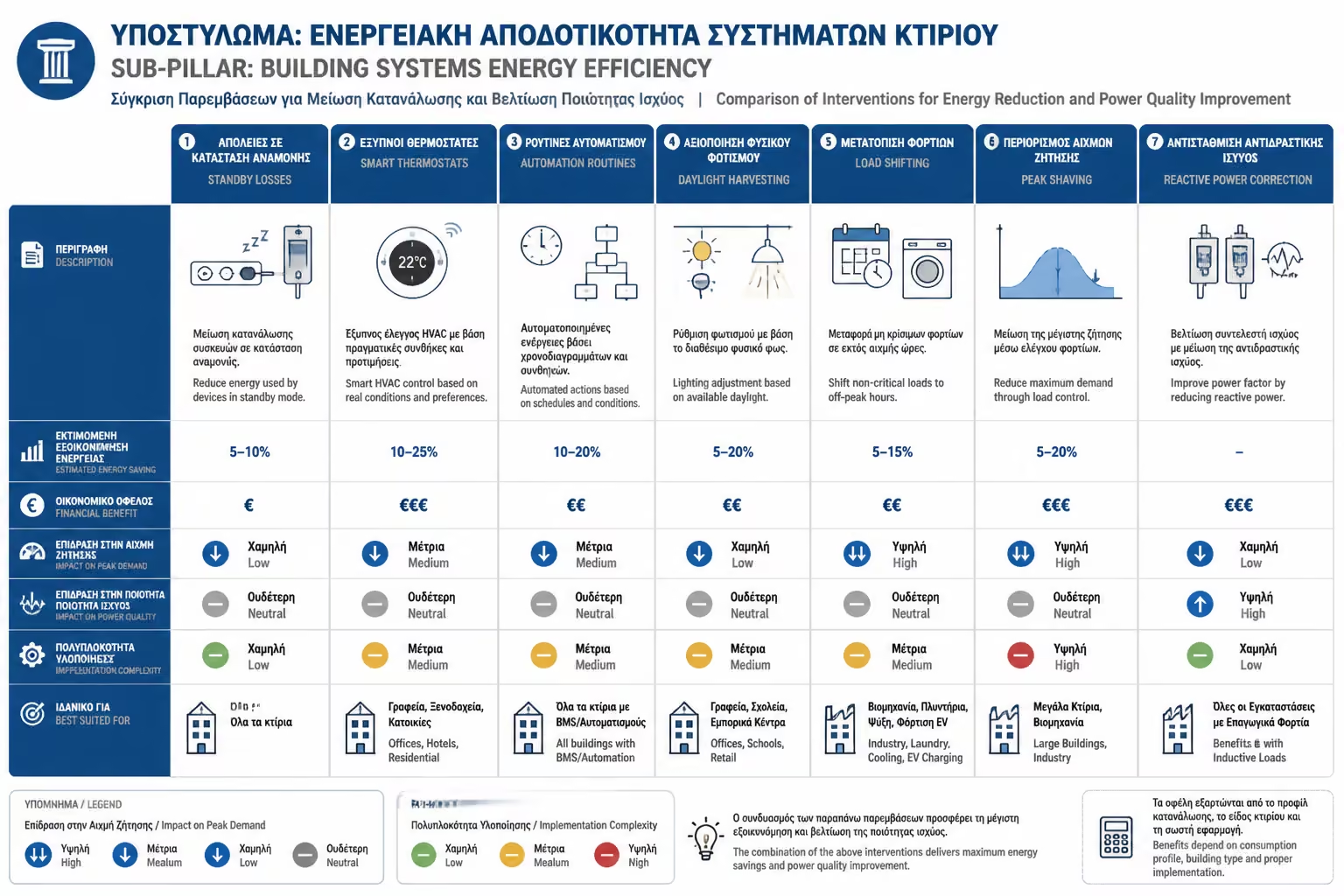
Routines that reduce unnecessary operation across lighting, cooling, heating and hot water.
Read moreUsing natural light intelligently so artificial lighting runs less during the day.
Read moreMoving flexible consumption to cheaper or more favourable hours.
Read moreCutting short demand peaks that drive disproportionate cost or stress the supply.
Read moreA key strategy for commercial and technical users dealing with power-factor penalties.
Read moreThe practical add-ons and controls that usually pay back the fastest.
Read moreSee the full pillar map covering panels, supply, lighting, smart home, networks and maintenance.
Go to the guideIf you are planning a new installation or a demanding renovation, contact us for proper design support and coordination of all building networks.
Contact us