The Placement
It is a small, usually white, plastic or metal box that is screwed high into the wall (to keep it out of easy reach of children or pets) on every floor or every two floors.
Anyone who has lived in or managed a typical Greek apartment building (built 1970 - 2000), knows that any intervention in the common areas is equivalent to... a council of war.
When it comes time to run fiber optic (FTTH) to the building, the biggest challenge is not technological, but practical and legal. How will the cable go up from the ground floor to the 5th floor without ruining the aesthetics of the marble staircase? And most importantly, can a "difficult" neighbor or administrator deny you access to high-speed Internet?
As engineers, we are often faced with these conflicts. Let's explain how a building's "Vertical Wiring" is designed, what the famous Floor Box is, and what the law says about your rights.
As we saw in a previous article, the central pipe of the provider from the street ends in a central box on the ground floor (the BEP - Building Entry Point).
A central trunk cable (Riser Cable) must start from the BEP which will rise vertically to the entire height of the building. Because there are no internal telecommunications shafts in the old apartment buildings, the providers follow the following method:
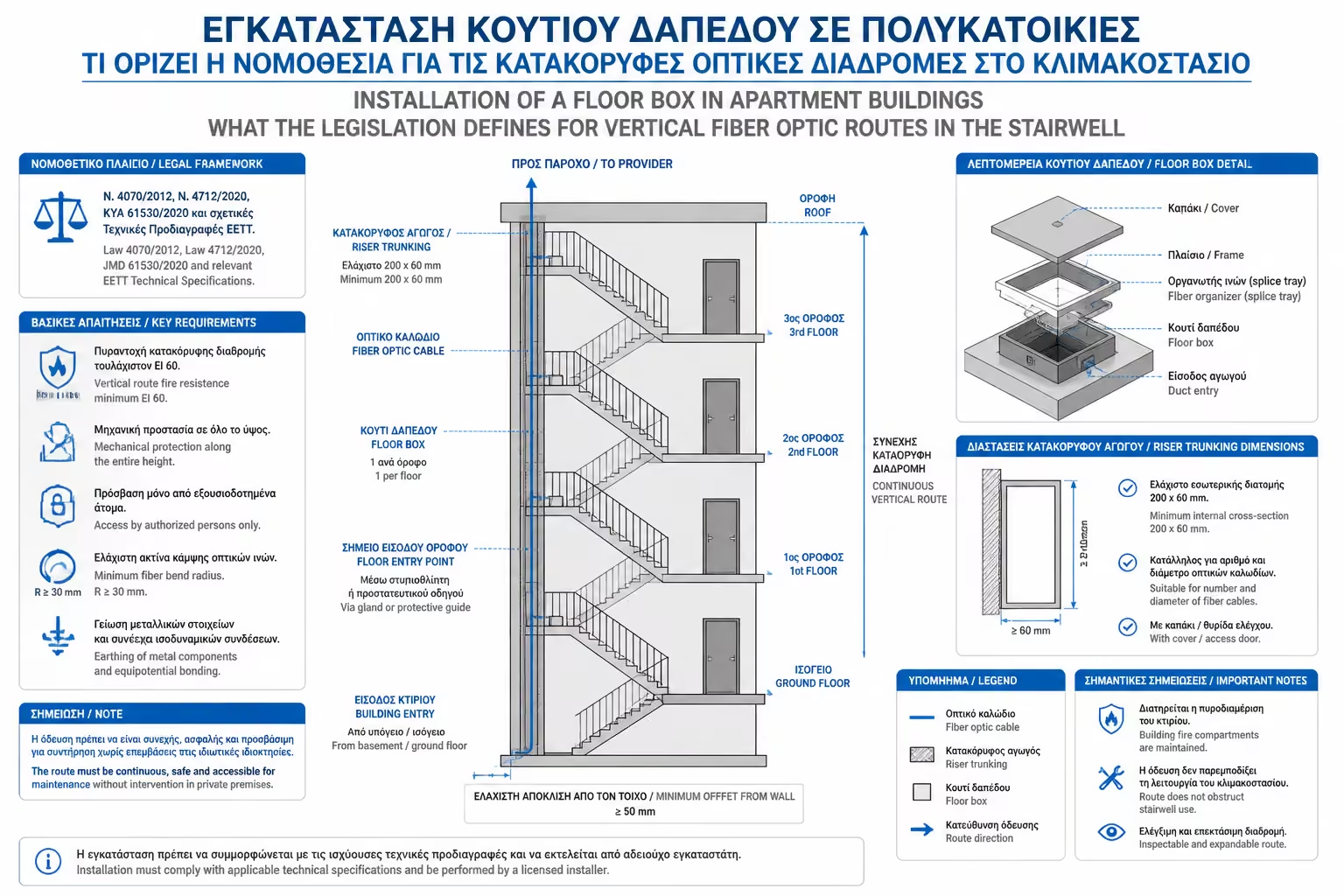
It is not enough just to pass the cable. There must be a "station" on each floor so that each apartment can get internet. This stop is called the Floor Box.
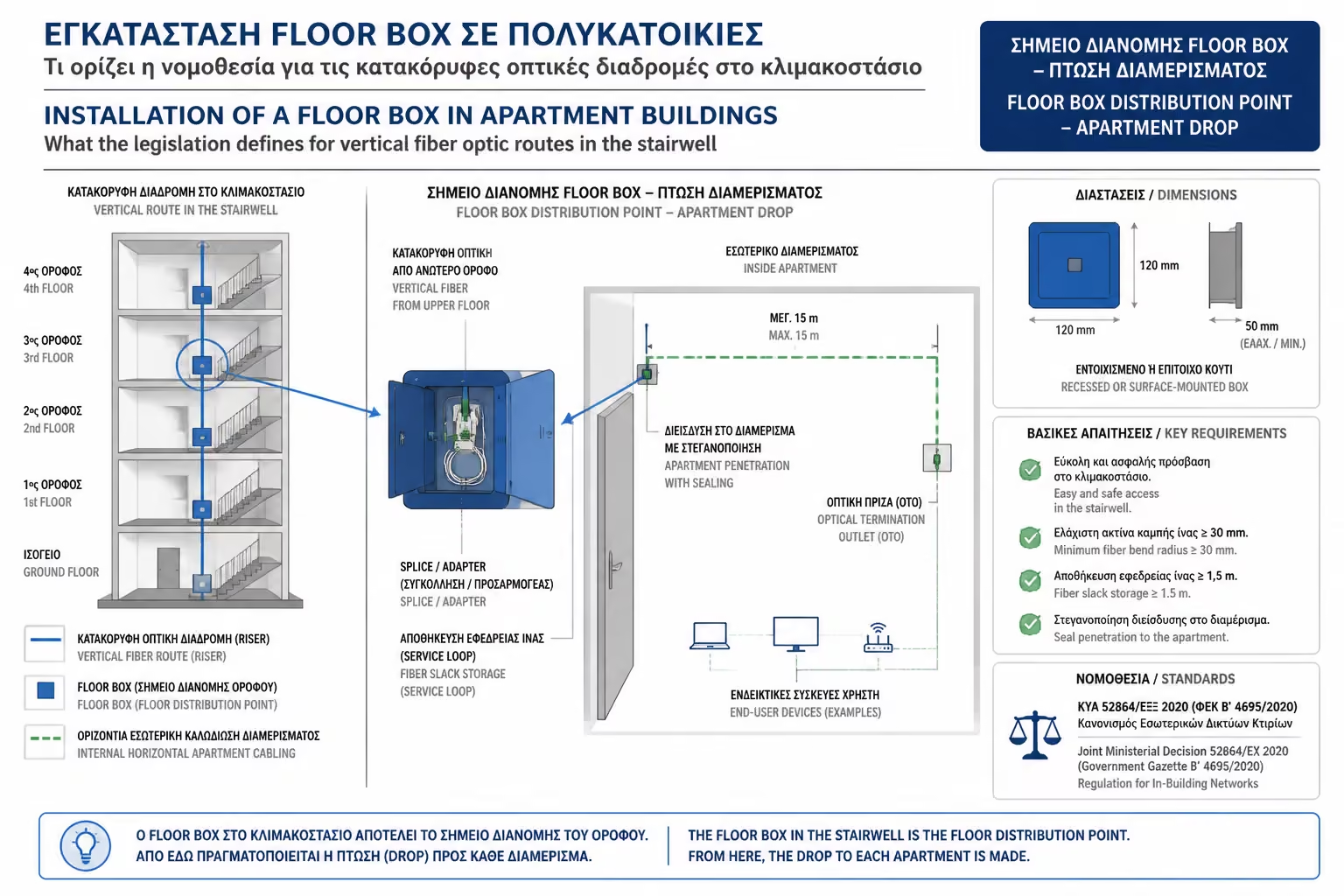
It is a small, usually white, plastic or metal box that is screwed high into the wall (to keep it out of easy reach of children or pets) on every floor or every two floors.
Inside this box, technicians do splicing or use ready-made splitters (Splitters). Practically, they detach 1, 2 or 4 "hairs" from the central cable that goes up, and leave them waiting.
When you request activation, the technician will open your floor's Floor Box, clip a thin cable into standby, and run it (through an even thinner conduit) over your door into your apartment.
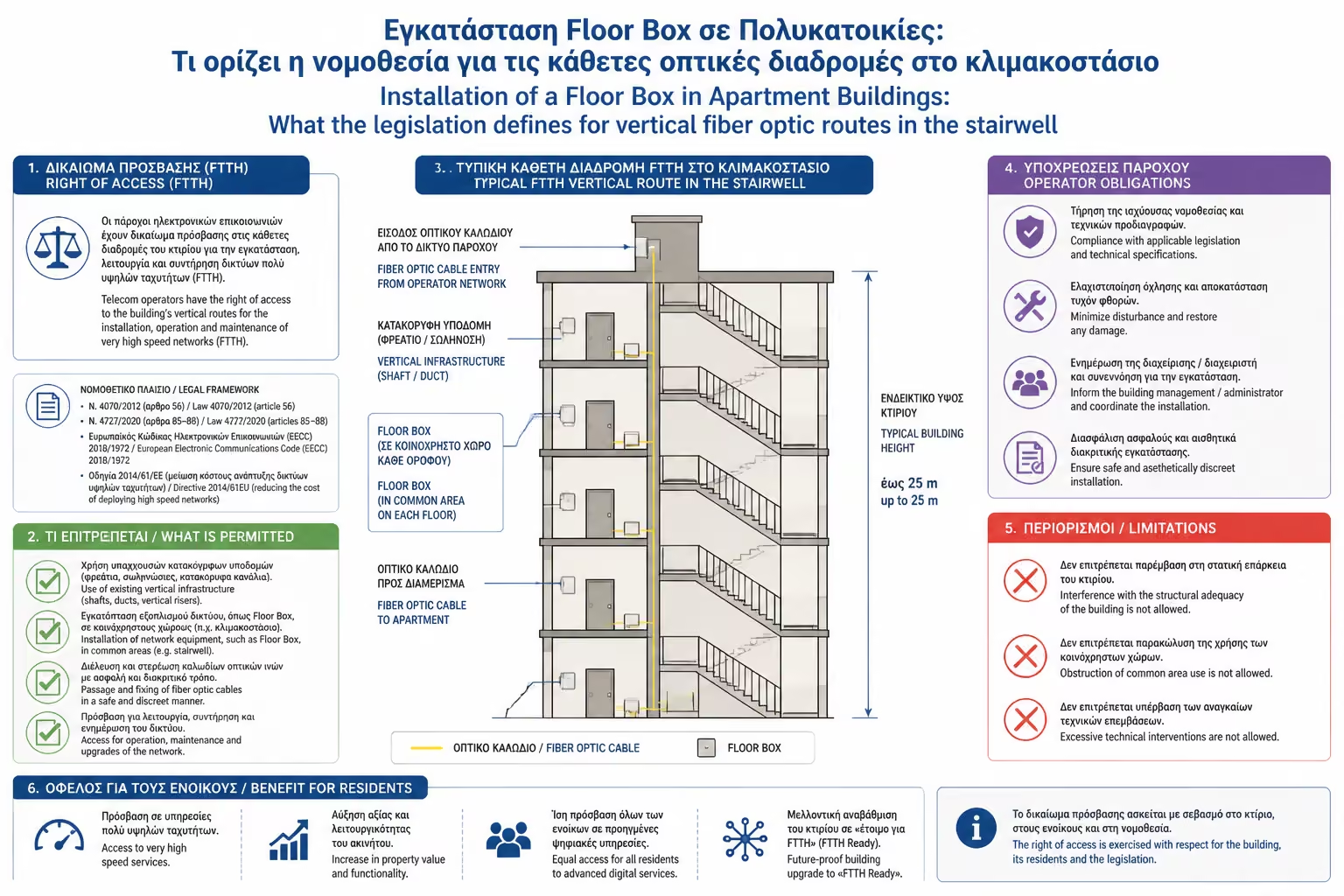
This is the most frequently asked question. The answer based on the European directive and Greek legislation (Law 4463/2017 on reducing the cost of installing high-speed networks) is clear: No, it cannot arbitrarily prohibit you from installing.
The state treats fiber optic networks as Basic Public Utility Infrastructure (like electricity and water).
Because the installation takes place in common areas, the providers' engineers follow strict rules:
Technicians are prohibited from drilling columns (reinforced concrete load-bearing body) with large drills. Routing is usually done through masonry (bricks).
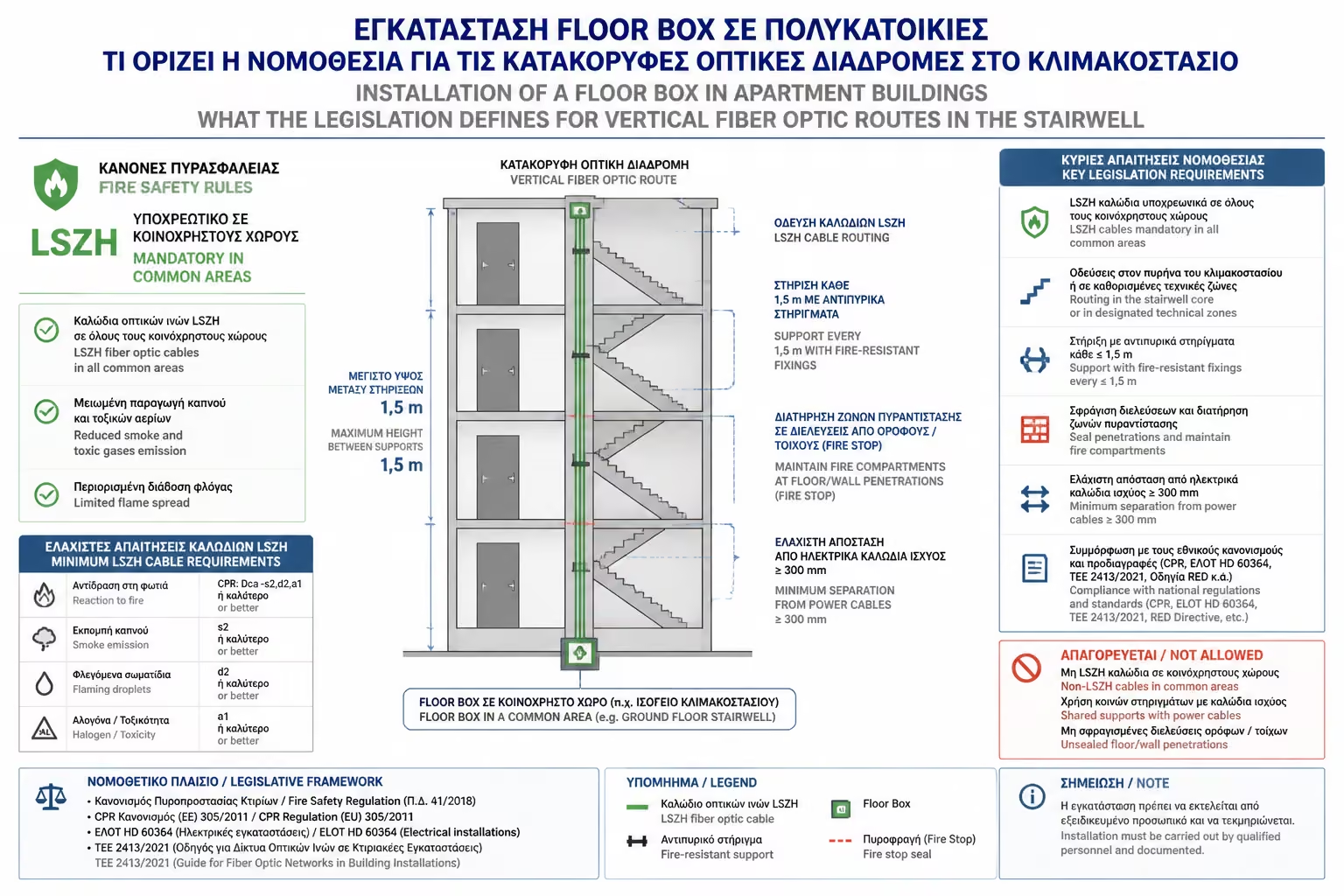
Fiber optic cables used internally and plastic ducts must be of LSZH (Low Smoke Zero Halogen) specifications. If a fire occurs in the stairwell, these materials do not release toxic gases (halogens) and do not emit thick black smoke, allowing the building to be evacuated safely.
Fiber optic channels must be kept at a distance from PPC central power panels, not because the fiber is at risk of interference (as we have seen, glass is not affected by current), but for reasons of pure electrical safety during maintenance.
The "vertical" arrival of optical fiber to your apartment building is an inevitable, but highly positive upgrade that increases the value of the entire building. Floor Box is the digital hub of your floor. In case you encounter resistance from co-owners, remember that the law is on the side of technological progress, as long as the installation is done with respect to the aesthetics and safety of the common areas.
Next Step: The fiber has arrived, it's attached, the system is set up... but suddenly the internet is crawling or cutting out. What could be wrong with the glass?
We continue with the troubleshooting guide: Troubleshooting Fiber Optics: Why the speed drops (excessive cable bending, dirty connectors, losses).
Return to category.
Go to categoryReturn to the central guide.
Go to guide