The Reserve
Each security light (or the central system that controls them) has its own batteries. As soon as the lamp realizes that the mains voltage has "dropped", it switches on instantly (in less than 0.5 seconds).
In all previous articles, the goal of lighting was to make our lives more beautiful, more comfortable, or more productive. In this chapter, however, things get serious. The goal of lighting here is one and only: The protection of human life.
Imagine you are in an underground mall, a movie theater, or a large factory. Suddenly, there is a power outage or a fire. The building is plunged into total darkness. The real danger in these cases is not always fire, but panic. People get disoriented, trampled and trapped.
This is where Emergency Lighting comes into play. As engineers, we know that its installation is not left to the good will of the owner, but is enforced by strict legislation and controlled by the Fire Service. Let's see how such a system is set up to ensure the smooth evacuation of a building.
The security lighting is an independent network of lights which remains "sleeping" (or at low intensity) as long as there is normal power from the DEDDIE.
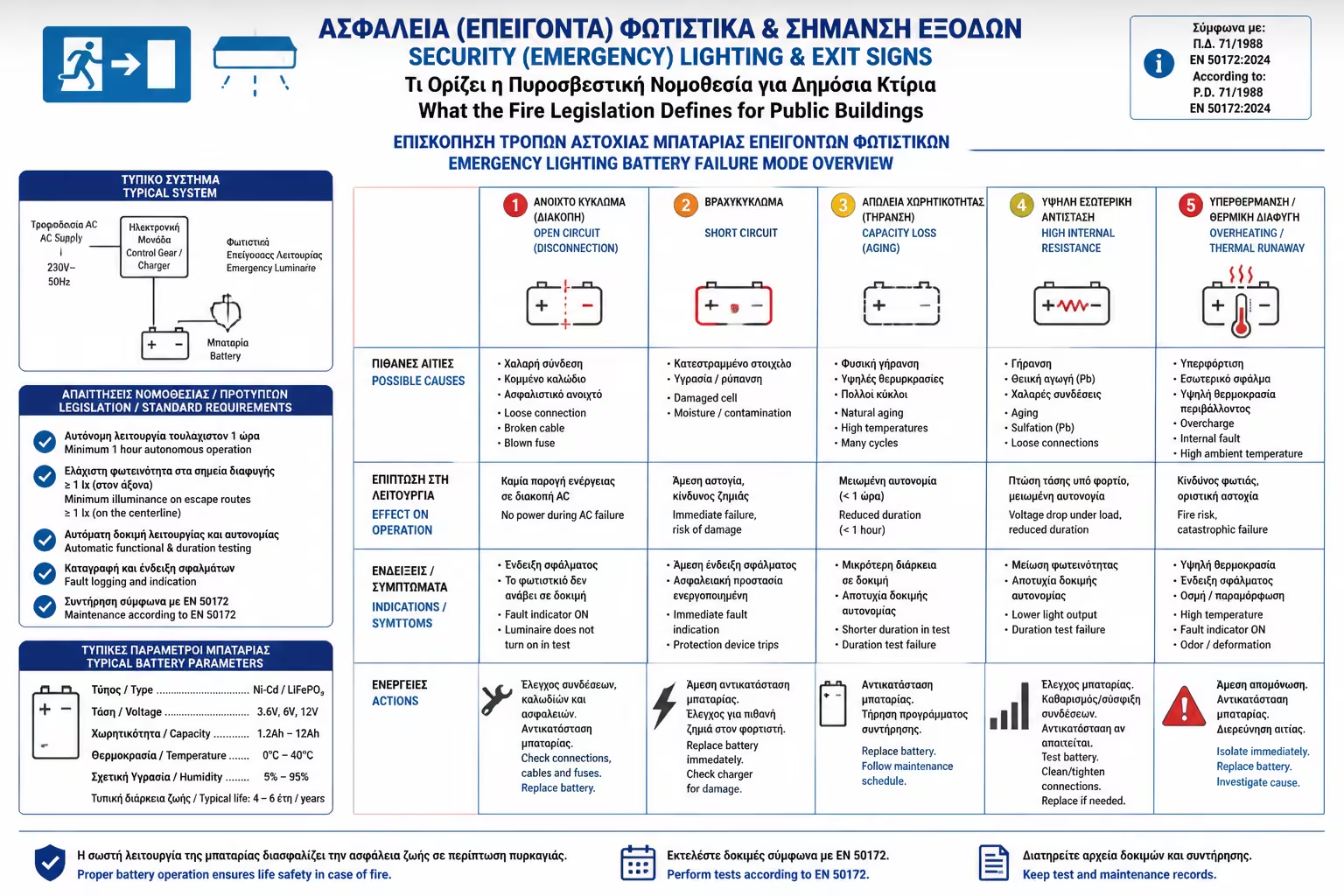
Each security light (or the central system that controls them) has its own batteries. As soon as the lamp realizes that the mains voltage has "dropped", it switches on instantly (in less than 0.5 seconds).
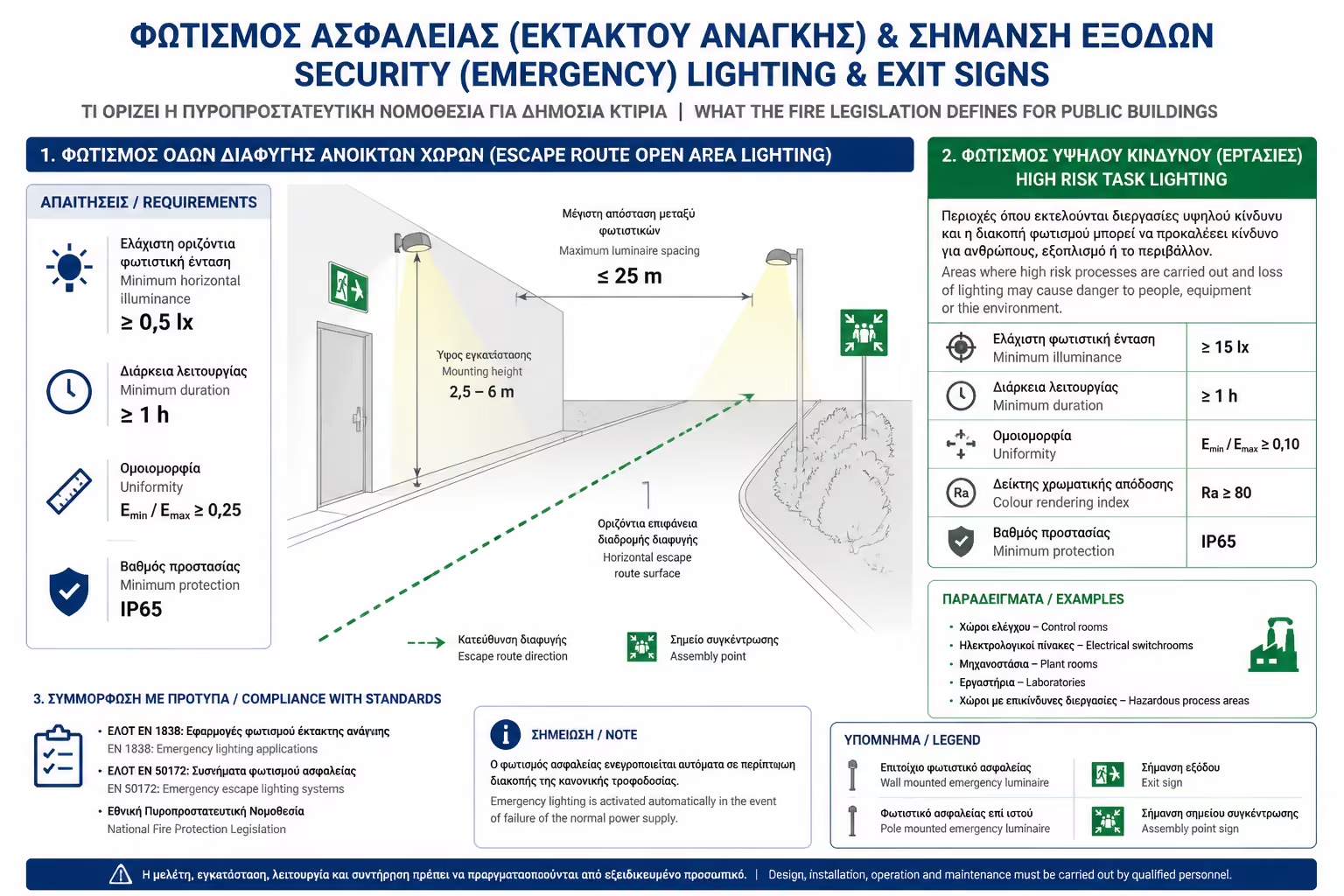
The legislation (ΕΝ 1838) requires that these lamps can stay on, drawing energy exclusively from their battery, for at least 1.5 to 3 hours (depending on the size of the building). This is the time necessary to fully evacuate the building and for rescuers to intervene.
Design does not happen by accident. The European standard divides safety lighting into three distinct categories:
Its purpose is to illuminate the corridor, the staircase and the path that people must follow until the final exit. * The Rule: It must ensure at least 1 Lux in the center of the corridor (at floor level). It may sound a bit much, but in total darkness the human eye adjusts, and this 1 Lux is enough to see steps and obstacles.
Placed in large, single spaces (e.g. indoor gyms, large restaurants or exhibition halls) of more than 60 square meters. * The Purpose: To dispel the total darkness that causes panic and allow people to move calmly to the escape routes. A minimum illumination of 0.5 Lux on the floor is required here.
It concerns industries and laboratories. If a worker is handling a band saw at that moment, or a chemist is mixing acids, the lights cannot go out suddenly! * The Rule: Here the safety lights must immediately provide at least 15 Lux (or 10% of normal lighting) so that the worker can terminate the process, shut down the dangerous machinery safely and then evacuate the area.
They are the most recognizable lamps in the world. The green boxes with the white man running to the door.
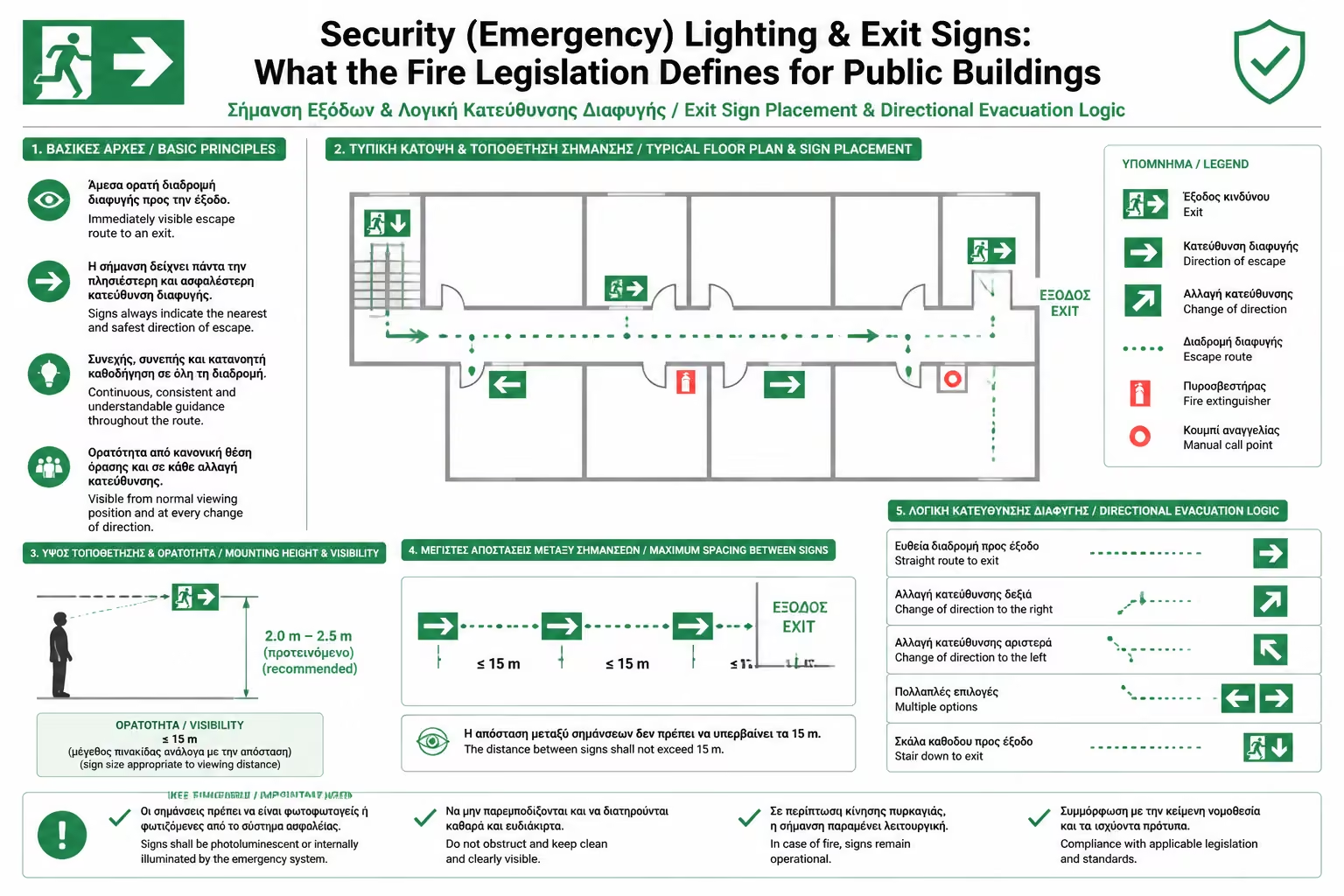
The engineers, during the preparation of the Fire Protection Study, follow strict siting rules. Safety lights must be included:
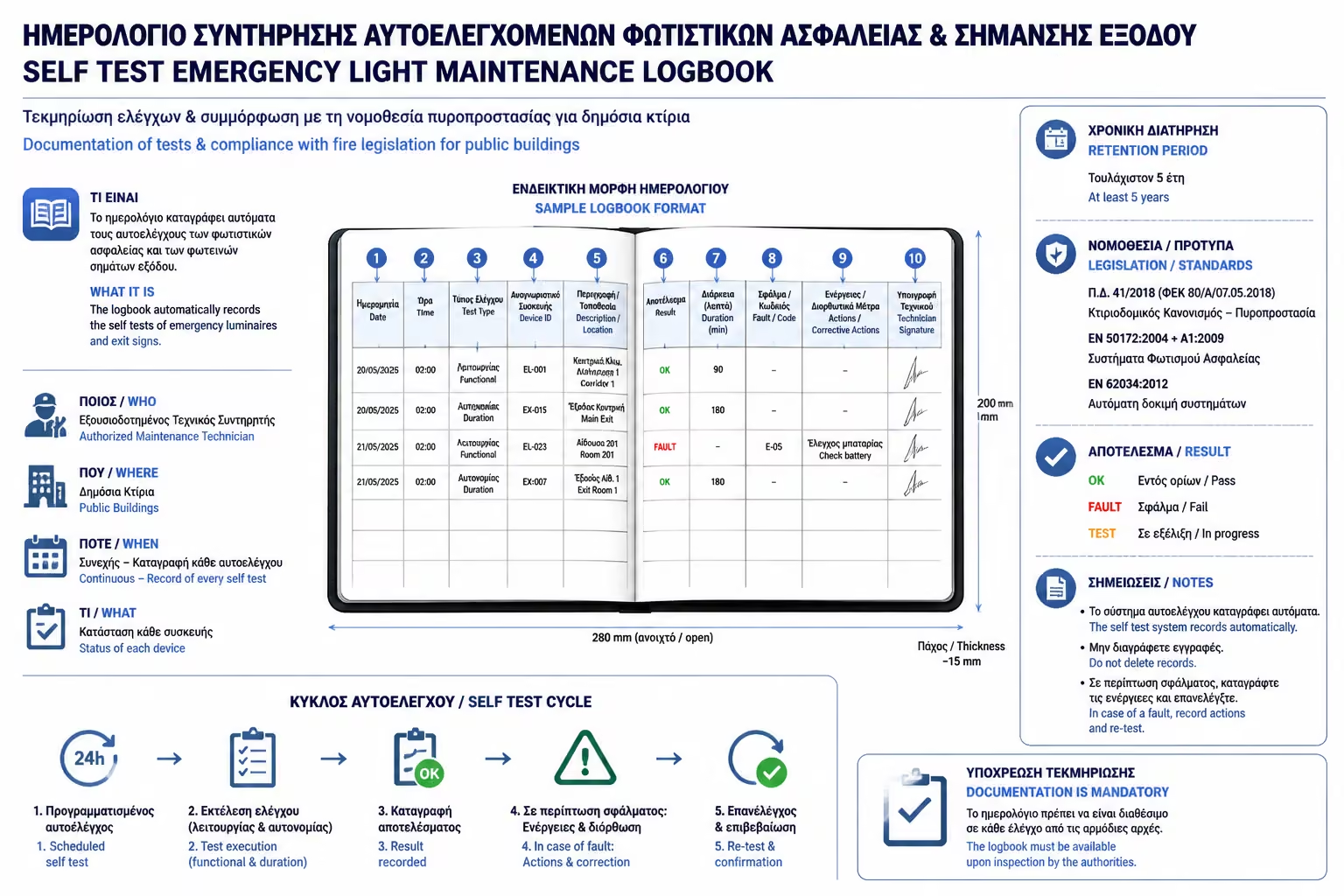
The biggest problem with security lights is that we "forget" them. If they stay on the wall for 5 years without ever losing power, their battery can be destroyed. When the fire finally happens, they will never ignite.
To solve this, modern systems have Auto-Test technology. The lamp itself has a microprocessor. Once a month, it cuts its power by itself, turns on the lamp for 5 minutes and measures the health of its battery. If it finds a problem, it lights up a red light (or sends a message to the DALI host), alerting the maintenance person to go and change the battery.
Security lighting is a building's last line of defense when all other systems fail. Installing it should not be seen as a bureaucratic chore for the Fire Brigade's permission, but as a moral obligation to the people who live, work or play within your business. Invest in certified fixtures with an Auto-test function and check frequently that the exit signs are clear and visible.
Next Step: We have seen how we calculate the light in the warehouse and how we plan the security. But how can we see the result of all these calculations before the building is even built? We continue in the guide: Lighting study with Dialux: What you should ask your engineer before the construction of your business space.
Return to category.
Go to categoryReturn to the central guide.
Go to guide