🧨 Obsolete fuses
Rewirable or screw-in fuses do not offer the usability and reliability of modern miniature breakers, and they are easier to abuse.
An old electrical board is one of the clearest signs that a property lags behind on safety. Wooden or metal boxes, screw-in porcelain fuses and the absence of modern protective devices create a scene many people describe merely as “old,” while it is in fact potentially dangerous.
Replacing the panel is genuinely one of the first tasks in any serious renovation. But it is equally important to understand that the panel is the heart of the protective system, not the whole body. If rotten wiring hides behind it, even the brightest new board cannot make the house safe on its own.
An old panel is not just inconvenient to use. It gathers technologies and materials that no longer meet current expectations for overload, short-circuit and electric-shock protection.
Screw-in porcelain fuses in particular have long been associated with dangerous practices such as replacing the fuse element with thick wire, which effectively cancels the protective function entirely.
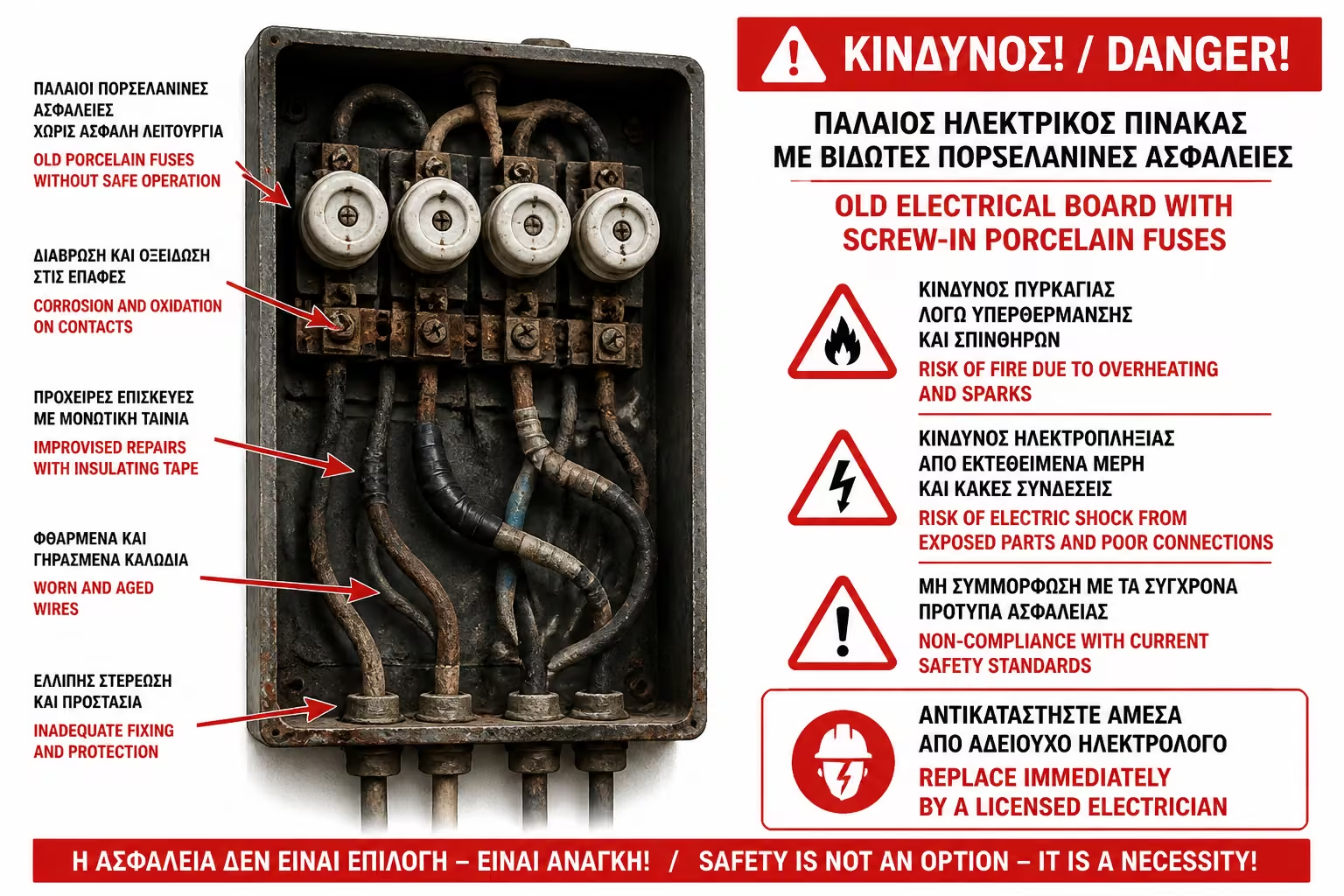
Rewirable or screw-in fuses do not offer the usability and reliability of modern miniature breakers, and they are easier to abuse.
Without an RCD, people remain exposed to leakage currents from appliances or deteriorated wiring.
Plastic parts, bakelite bases and internal connections have been heat-stressed for decades and may now be a weak point themselves.
Repeated trips, fuse replacements and searching in the dark are not just annoying. They are signs that the system has outlived the logic of its era.
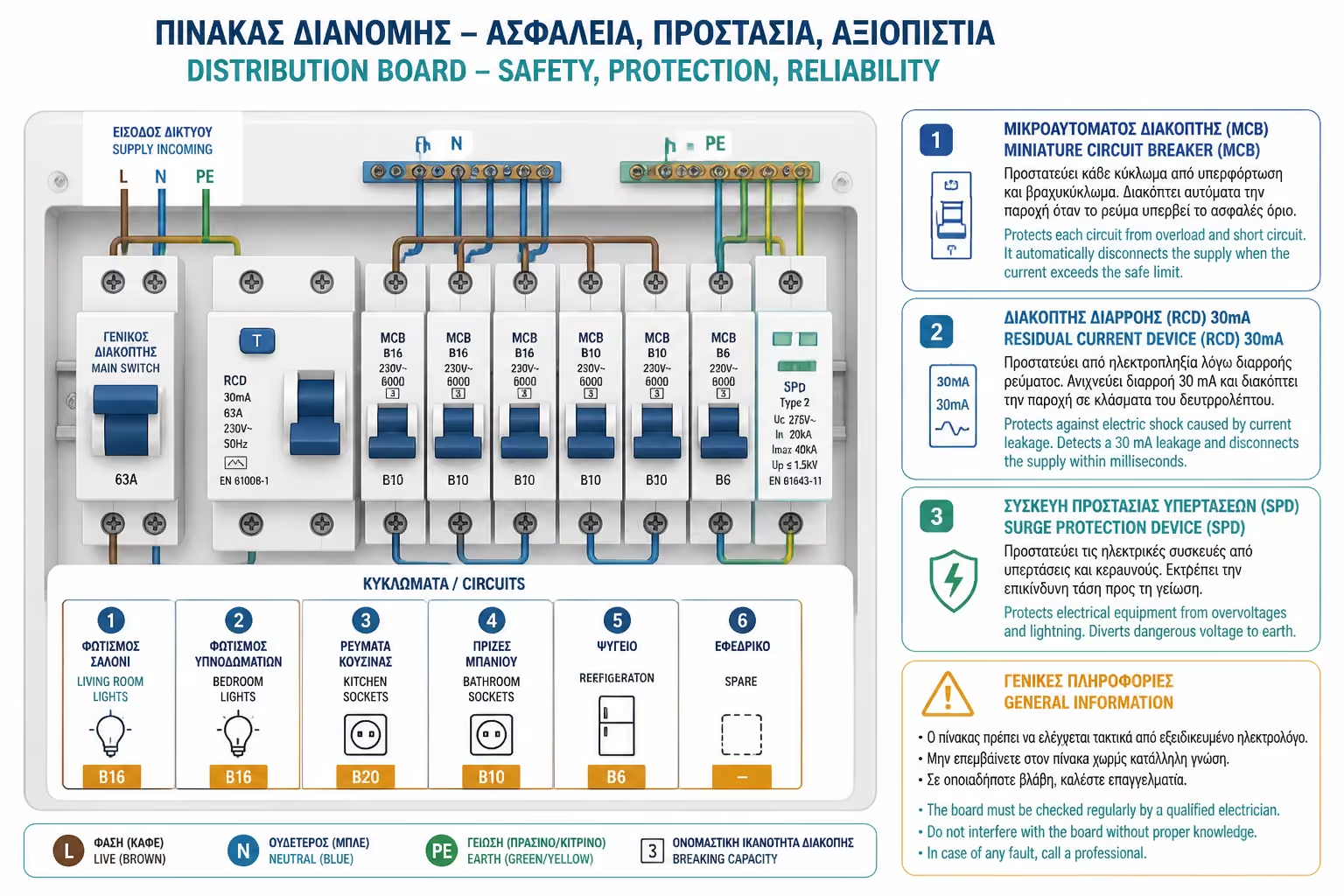
Replacing the board is not just about changing the box. It is the chance to reorganise the entire protective strategy of the installation with proper devices and clear circuit separation.
These protect each individual circuit and can be reset easily after a trip without replacement.
This is the key life-safety guardian against electric shock, detecting leakage to earth in fractions of a second.
It protects sensitive electronics and control boards from supply surges or nearby lightning-related events.
A serious board is tidy, understandable and leaves sensible room for future circuits and upgrades.
Kitchen loads, bathrooms, lighting and heavy appliances should not all be confused into a handful of generic breakers. A new panel is an opportunity to reorganise the system.
Many owners assume that once a new board is installed, the problem is solved. In reality the board cannot erase the fatigue, leakage and inadequacy of the old circuits buried in the walls.
On the contrary, the new board often exposes the real pathology. The fresh RCD detects what the old panel ignored and begins tripping constantly because the old network is no longer healthy.
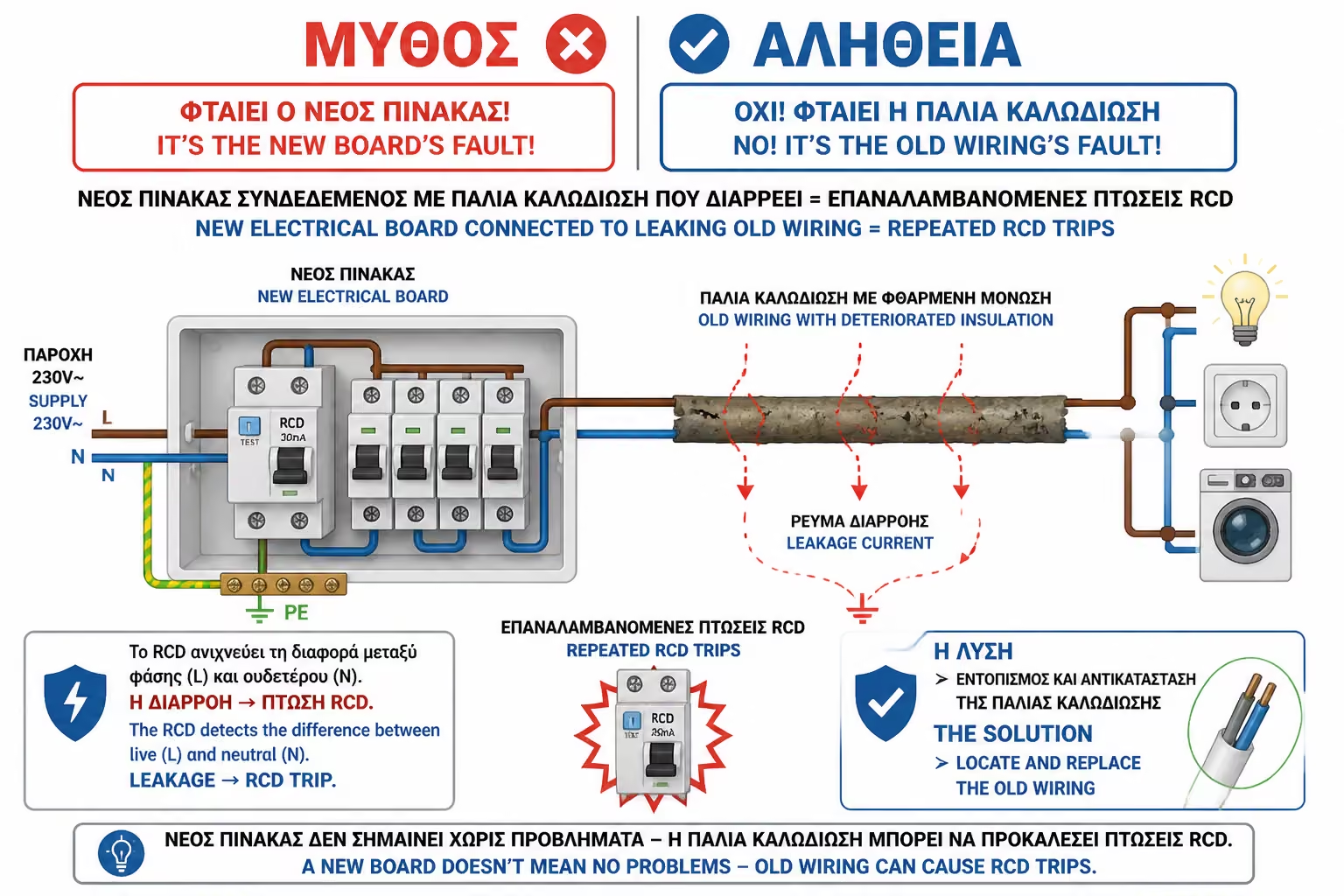
Deteriorated insulation creates small leakage currents that the new board now detects, so the owner wrongly concludes that the new panel itself is faulty.
Aesthetically the panel looks perfect, but the overall safety level remains poor if the hidden network behind it has not been renewed.
If someone bridges out the RCD to stop the trips, they are only hiding the symptom and removing the protection.
If the property is fairly modern, with good conduits, proper cable types and earthing, replacing the board can be a very meaningful upgrade. But in a house from the 1960s or 1970s, the new board should usually form part of a broader renewal strategy.
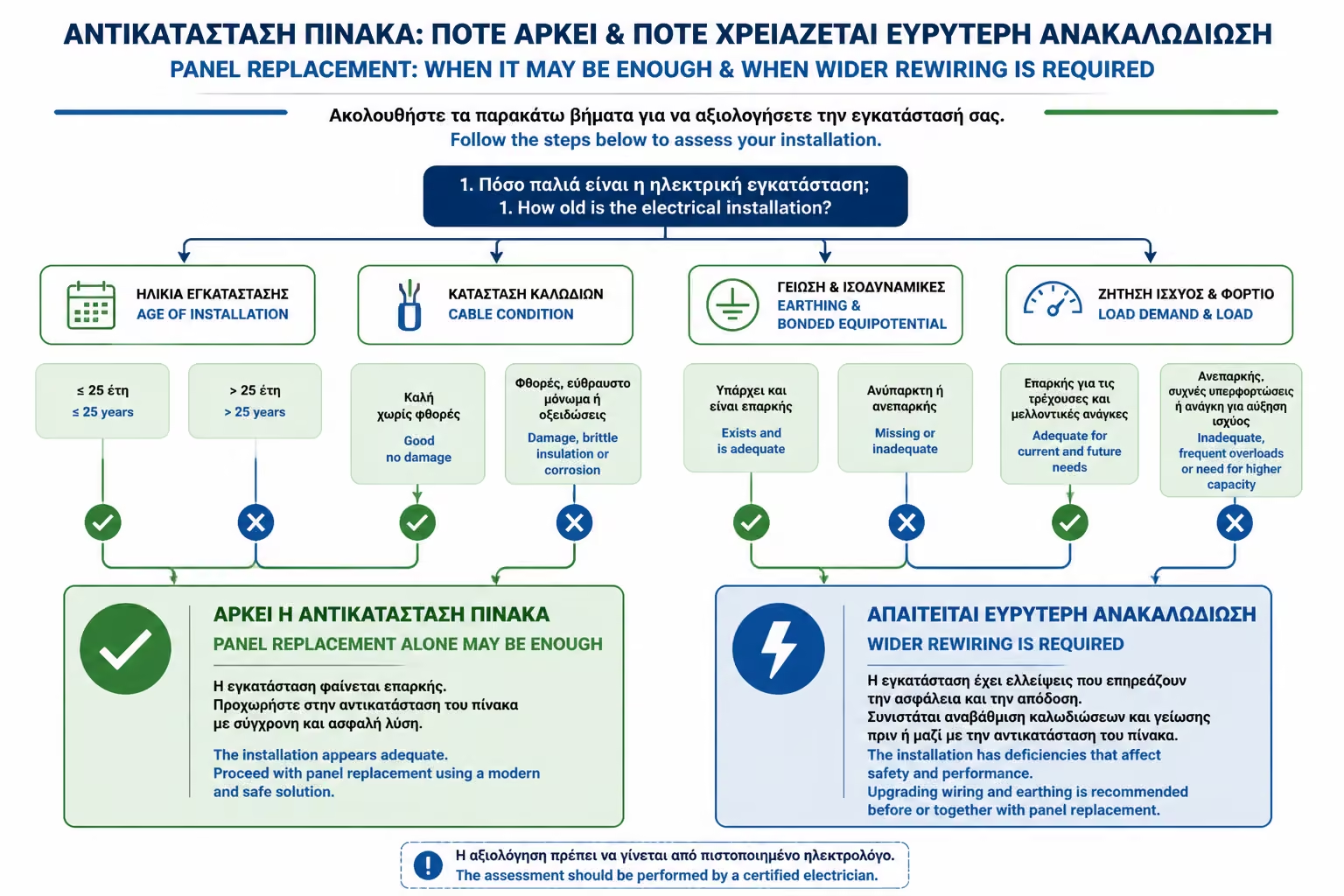
In newer homes a board replacement can complete a well-targeted partial upgrade.
With old cloth wiring, missing earthing or overloaded circuits, the board is necessary but not sufficient.
The aim is not just to replace the visible cabinet, but to make protection, circuits and loads work together properly.
The right decision comes only when the electrician evaluates not just the board, but also the wiring, earthing, load profile and the real needs of the property.
💡 A new electrical board is the right starting point. It is not a magic filter that can heal a sick installation by itself.
Return to category.
Go to categoryReturn to the central guide.
Go to guide