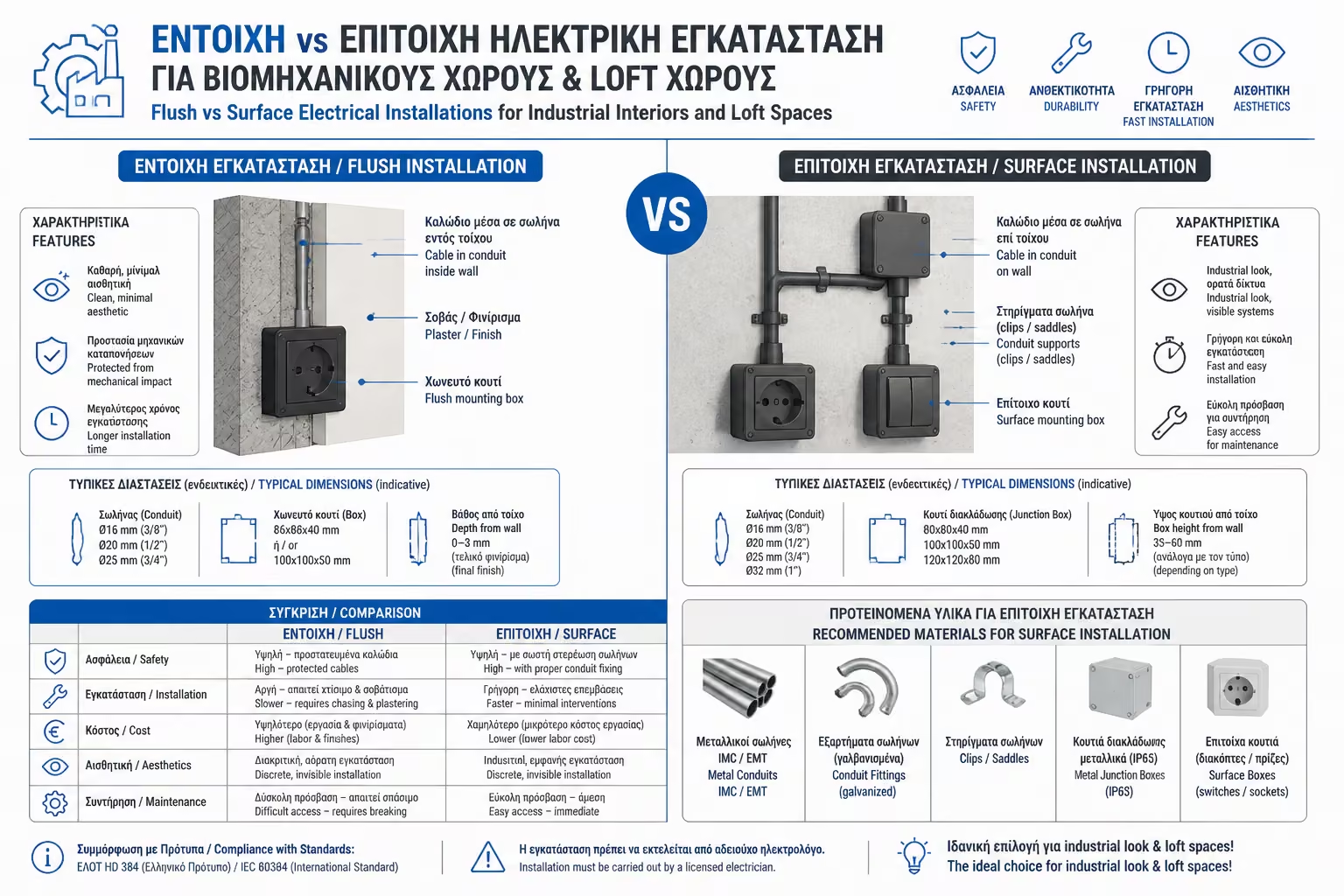
Clean visual result
The installation disappears into the wall and does not compete with the architecture of the room.
Industrial-style interiors have become a strong trend again in lofts, offices, cafes and homes with exposed concrete, brick or stone. In these spaces the electrical installation is no longer hidden away but becomes part of the architecture itself.
The choice between concealed and surface-mounted wiring is not purely aesthetic, though. It changes the scope of work, the cost, the flexibility of future alterations and, above all, the safety rules that must be respected.
In practice, the right decision depends on the building fabric, the intended use of the space and whether you want the installation to stay discreet or become an explicit architectural feature from the first glance.
Concealed wiring remains the default choice in most Greek homes. Cables run inside conduits buried in the wall, junction boxes are recessed and the only visible elements are the switches and sockets.
The result is clean, minimal and easy to live with. There are no exposed conduits collecting dust and no obstacles behind wardrobes or furniture. The trade-off is that any change after completion usually means opening walls again and repairing finishes.
That is why concealed installation remains an excellent option when the room calls for calm surfaces, when wardrobes and fixed furniture dominate the walls, or when the owner does not want the electrical design to play a visible role.
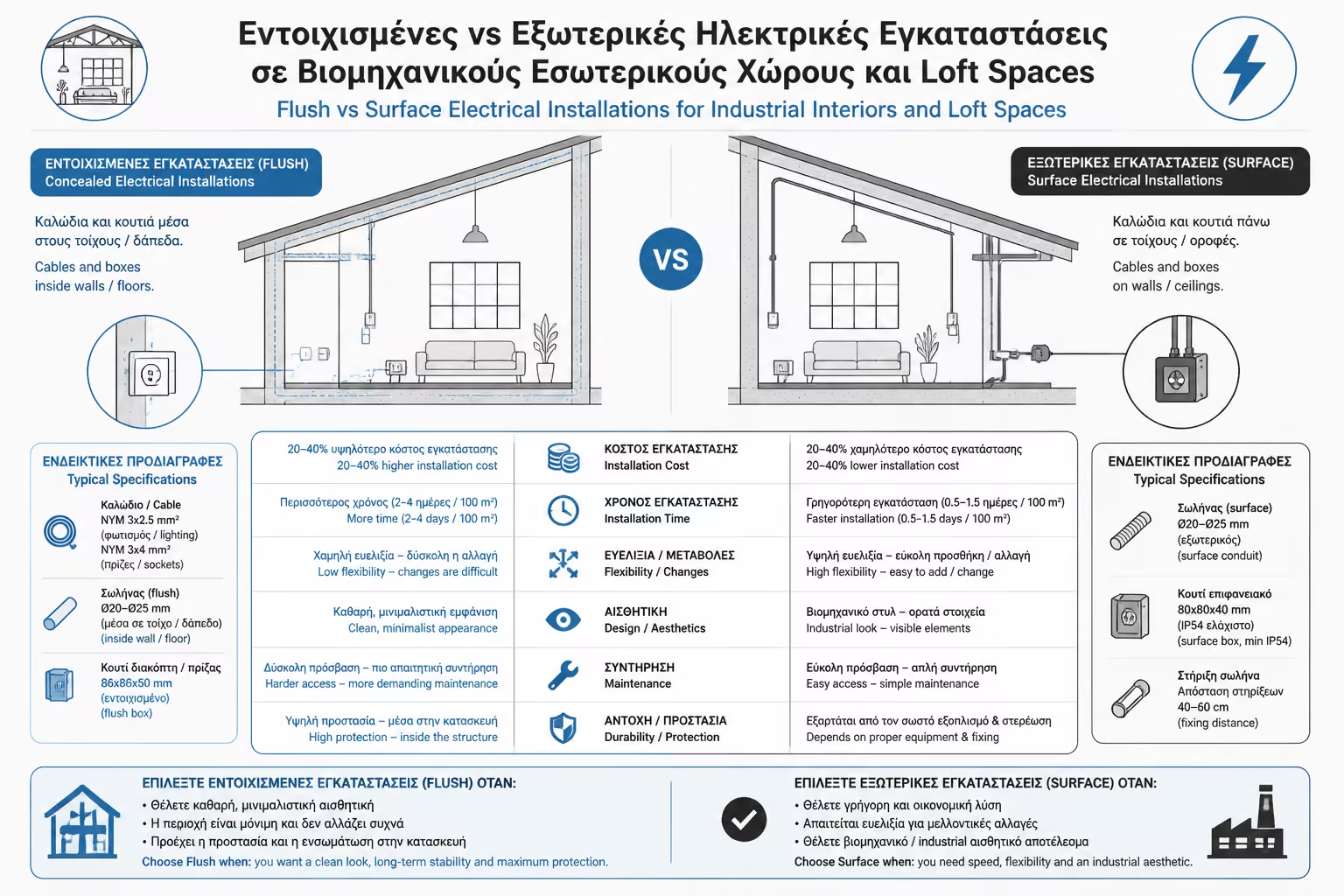
The installation disappears into the wall and does not compete with the architecture of the room.
In standard apartments and houses it remains the safest neutral option from a design point of view.
If the layout changes or new electrical points are required, the intervention becomes expensive again.
The work involves chasing, plaster repair and typically a second cycle of finishing trades.
Surface-mounted installation is attractive because it combines strong visual identity with great flexibility. The electrician can move along walls and ceilings without major demolition, which is especially valuable in stone, preserved or already finished buildings.
But exposed wiring is much less forgiving. If routes are not laser-straight, if support spacing varies or if cheap white plastic accessories are used, the result looks improvised instead of architectural.
It is also attractive in refurbishments where you want to avoid heavy demolition, preserve stone or exposed finishes and keep the option of future modifications with less disruption.
A strong option when you do not want to damage stone, exposed concrete or completed finishes.
New outlets, luminaires or branches can be added far faster than in a concealed installation.
Geometry, alignment and layout discipline are essential if the installation is going to look intentional.
Exposed conduits, boxes and specialist fittings often cost more than concealed materials.
An industrial result is not achieved by screwing any random plastic conduit onto the wall. Texture, colour, mechanical robustness and the quality of visible accessories determine whether the room feels designed or simply unfinished.
Typical choices include galvanised steel conduit, dark heavy-duty rigid conduit, weatherproof surface boxes, vintage or industrial switchgear and metal supports set out at regular intervals.
Likewise, the visible switches, boxes and supports have to belong to the same family of materials, because in an industrial interior inconsistency between accessories is immediately obvious.
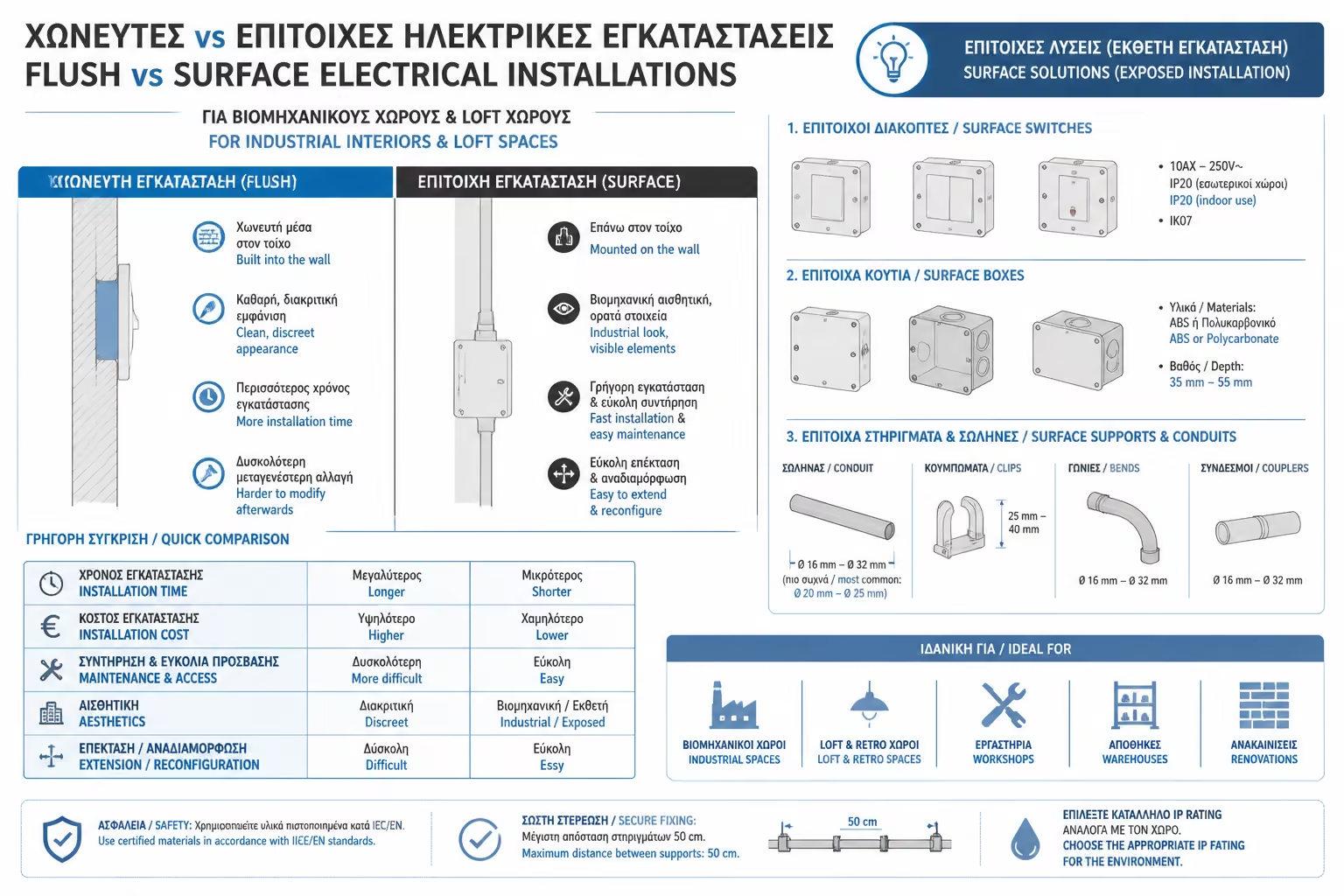
They offer the most authentic industrial language, but they require excellent detailing and complete earthing.
Often more practical and cost-effective, while still working very well with exposed concrete interiors.
Every visible component must belong to the same visual language if the installation is to feel deliberate.
Omega clips or rail systems need a constant rhythm so the conduits read as part of the design.
As soon as metallic conduits or metallic enclosures enter the design, one requirement becomes critical: equipotential bonding and proper earthing of the whole exposed network. If a damaged conductor energises the metal shell, every visible run may become dangerous to touch.
That is why industrial-style wiring is worth doing only when it is designed as a real electrical installation and not as decorative theatre. In the right building, with the right installer, it can be outstanding. Without that discipline, concealed wiring is the safer path.
Put simply, metallic conduit is not decorative theatre. Without proper earthing, residual-current protection and disciplined routing, what looks striking today can become a serious hazard tomorrow.
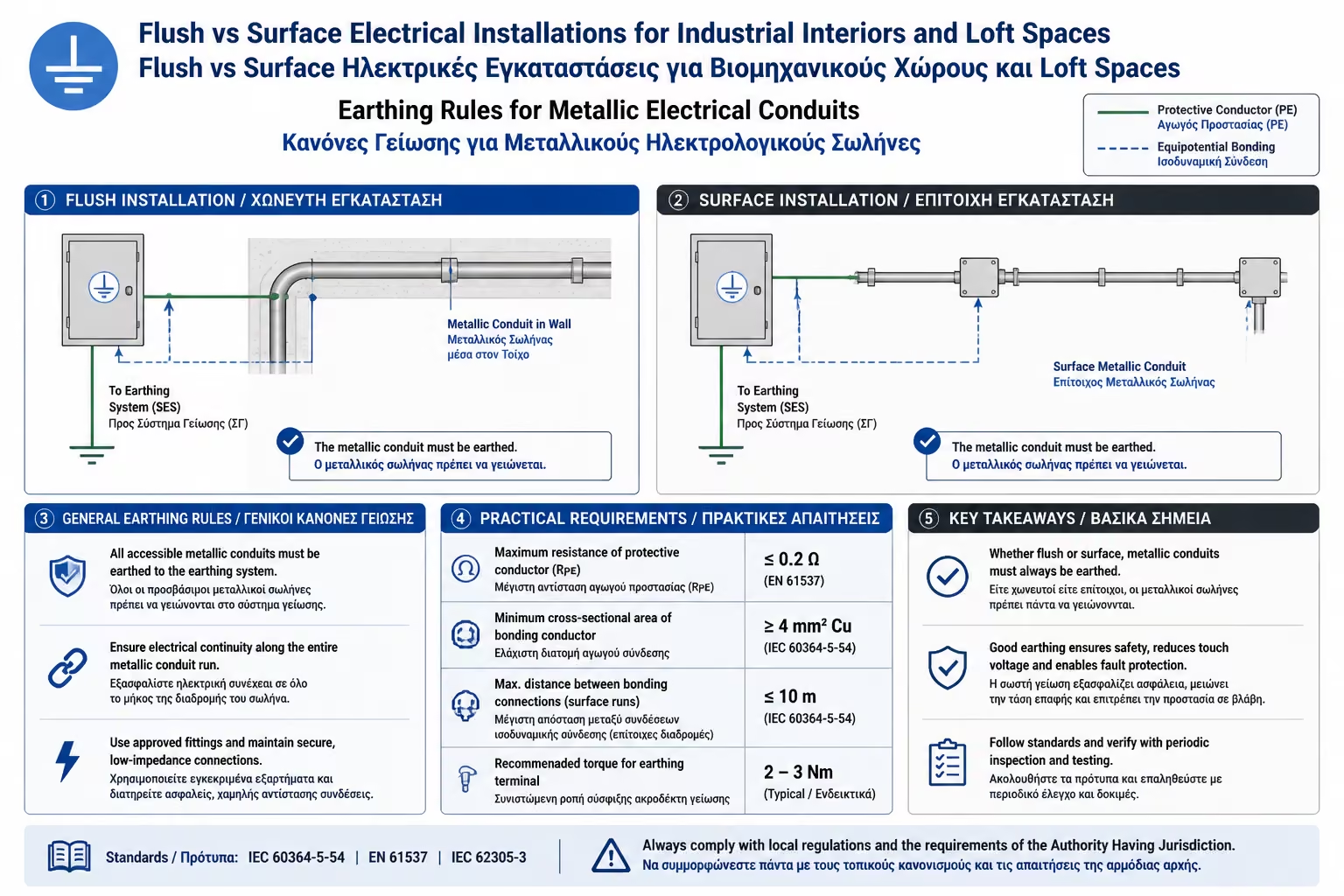
A metallic conduit network is not a harmless decorative feature. It must be properly bonded to the protective earthing system.
Residual-current protection has to work together with the earthing network so faults are cleared immediately.
Lofts, studios, hospitality spaces and raw-material interiors are the natural fit for this approach.
When done properly, exposed installation is not a budget trick but an intentional design investment.
Industrial electrical design works only when appearance and electrical discipline support each other.
Return to category.
Go to categoryReturn to the central guide.
Go to guide