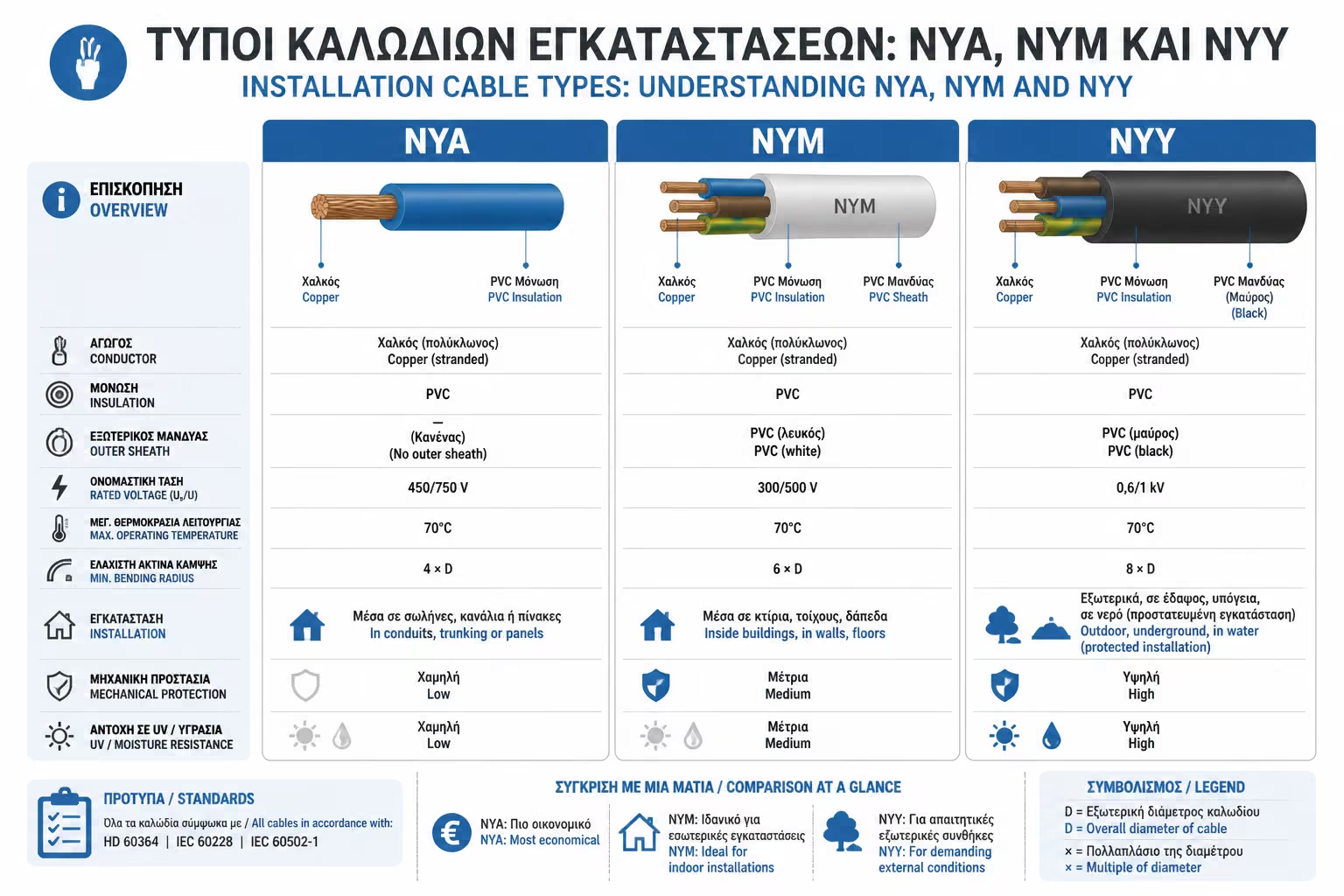
N = standardised product
The cable follows a defined naming and technical classification system.
Most owners hear NYA, NYM or NYY and assume they are simply different trade names for the same thing. In reality these markings describe very different cable constructions and therefore very different permitted applications.
Using the wrong cable in the wrong place is not just inefficient spending. It can lead to premature UV ageing, mechanical damage, short circuits or the total failure of an outdoor circuit.
The logic is simple: every cable is designed for a specific environment and a specific protection level. The better you read the markings, the lower the chance of paying for the same installation twice.
In practice, the wrong cable rarely betrays itself on installation day. It usually fails months or years later, when sunlight, moisture, mechanical stress or later maintenance demands reveal that the original choice was unsuitable.
The Greek market still uses the older German VDE naming logic. The letter N points to a standardised cable, Y to PVC insulation, A to a single conductor and M to a common sheath around multiple conductors.
Once you understand that logic, you stop buying cable blindly and start judging whether it belongs in conduit inside a wall, in a free internal run or in demanding outdoor conditions.
Once you know these basic letters, you can immediately tell whether you are dealing with a single conductor, a sheathed cable or a type intended only for protected internal routing.
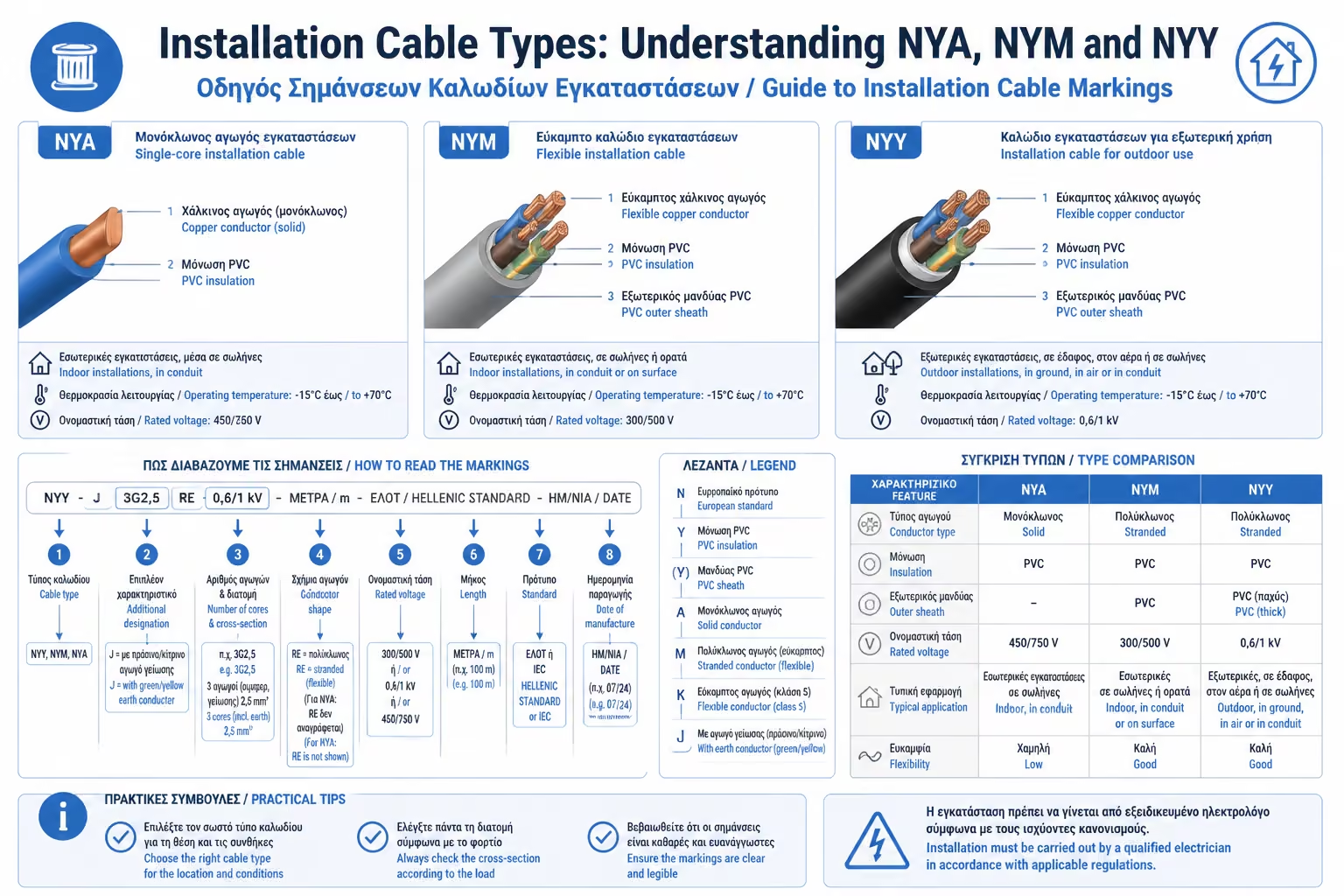
The cable follows a defined naming and technical classification system.
The insulation or sheath is PVC, with specific strengths and limitations.
This indicates a single insulated conductor rather than a multi-core sheathed cable.
Multiple inner conductors are grouped under a shared outer jacket.
NYA is the single conductor used mainly inside flexible or rigid conduits in walls, floors and panels. It does not have a second protective sheath, so its proper use is always inside some form of mechanical protection.
Because it lacks that extra outer jacket, it should never be built directly into plaster without conduit, clipped openly to the wall or left exposed where its insulation can be damaged.
In Greek domestic work, NYA performs correctly only when the conduit protects it. Without that conduit, the single insulated conductor loses its main advantage and turns into a direct risk.
In a correctly installed conduit it is economical, familiar and the standard choice for internal circuits.
Without a second sheath it is unsuitable for direct exposure or embedding without protection.
It is also widely used for organised internal panel wiring and terminations.
This conductor needs a protected environment if it is to remain safe over time.
NYM is effectively a bundle of conductors under a shared grey sheath. That makes it useful in suspended ceilings, drywall cavities, trunking and surface internal runs where extra protection and a tidy route are needed.
NYY or J1VV is the tough outdoor option. Its black outer sheath resists UV and moisture and is appropriate for external or buried runs where grey NYM would age quickly and fail.
NYM makes sense where you need easy installation in suspended ceilings, drylining or visible interior runs, but not when the cable will be exposed to sunlight, permanent moisture or direct burial.
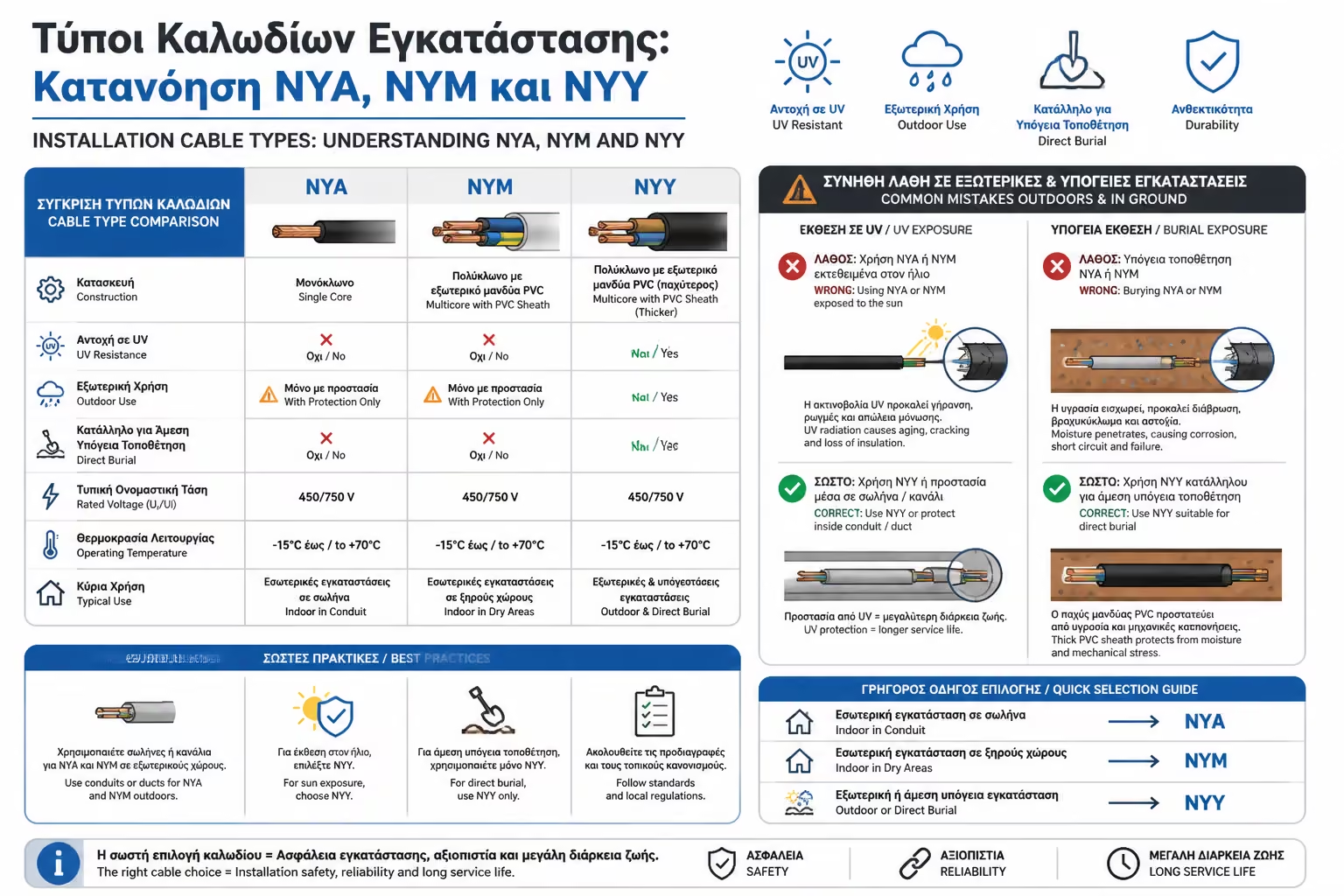
Suitable inside false ceilings, drywall systems and internal surface routes without direct sunlight.
This is the correct choice for balconies, terraces, external walls and underground runs.
A common mistake is using NYM outdoors, where sun and moisture destroy it prematurely.
You are paying not only for the cable itself but for decades of reliable service.
For normal domestic circuits pulled inside wall conduits, ask for NYA. For internal free runs, suspended ceilings and drywall cavities, ask for NYM. For gardens, terraces, garages and buried feeds, NYY or an equivalent UV-resistant cable is required.
The key lesson is that the right question is not which cable is best in general, but which cable will survive this environment for the next twenty years.
That is where NYY or J1VV stands out: the black outer sheath, UV resistance and stronger mechanical durability make it the right choice for gardens, roofs, underground feeds and other harsher conditions.
That is also why outdoor work is never just a question of conductor size. You also have to ask what conditions the cable must survive throughout the full life of the installation.
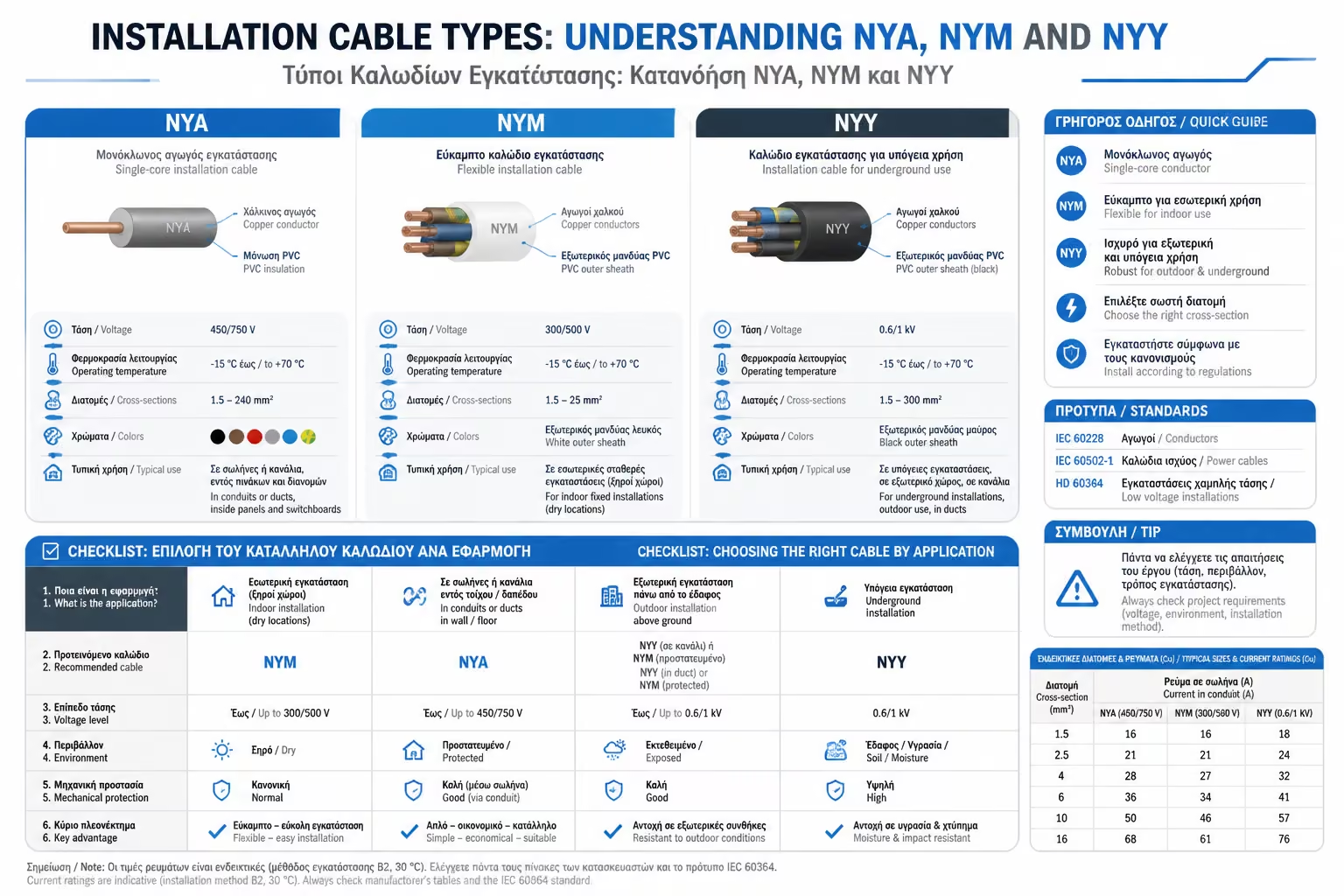
NYA or the equivalent modern H07V-U/H07V-R designation.
NYM or another sheathed cable intended for internal building runs.
NYY / J1VV with whatever additional mechanical protection the route demands.
A cable that bends nicely is not automatically a cable that is allowed everywhere.
Cable type should be selected by the environment it must survive in, not by what feels convenient on site.
Return to category.
Go to categoryReturn to the central guide.
Go to guide