The joint loosens over time
Thermal expansion and contraction gradually change the quality of the contact.
Most electrical fires in domestic installations do not start from something dramatic. They begin at tiny points of poor contact inside junction boxes, where two or three conductors were joined badly and started heating up over time.
The correct joining method is neither expensive nor complicated. It does, however, require discipline in materials, correct stripping, good contact pressure and a solution that remains reliable under time and thermal cycling.
This is the point where the true reliability of the entire circuit is decided. A cheap or careless joint may appear to work for a while, but on loaded lines temperature and microscopic copper movement expose it very quickly.
That is why many serious failures do not begin with the cable as a material, but at the exact point where two conductors were joined without proper pressure, proper mechanical retention or respect for conductor size and type.
The old method of twisting conductors together with pliers and wrapping them in insulating tape is no longer acceptable for permanent electrical installations. The contact pressure is uncontrolled, the joint loosens over time and the tape itself ages or detaches.
The result is higher contact resistance, local overheating and a much greater chance of sparking. Tape is useful as a supplementary insulation or marking material, not as the main way to hold live conductors together.
That is why the old twist-and-tape method has no place in a modern permanent installation. It may look easy, but it does not provide stable contact pressure or lasting mechanical security.
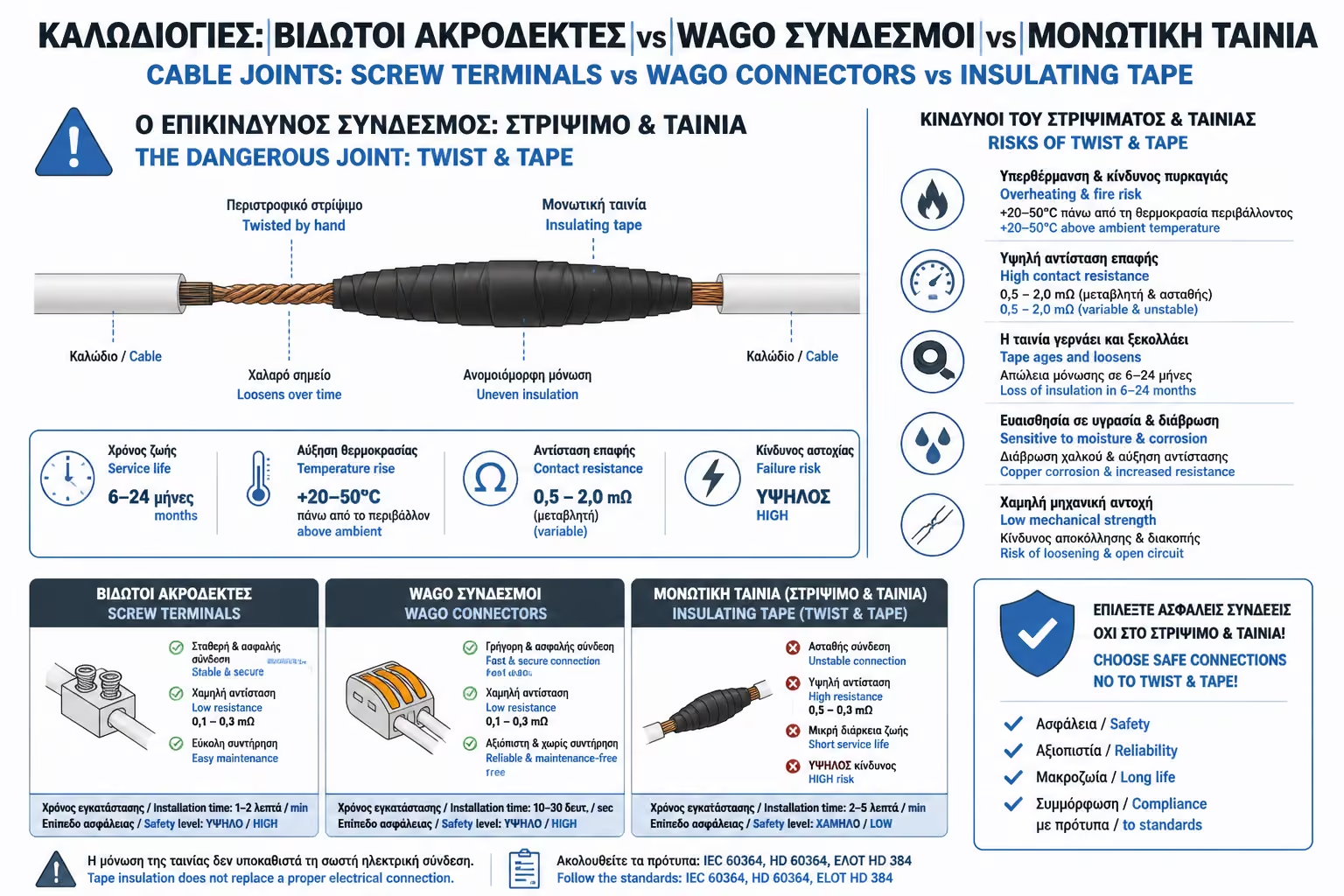
Thermal expansion and contraction gradually change the quality of the contact.
Its adhesive dries out, the wrap shifts and bare copper can become exposed.
Poor contact behaves like a small heater inside the junction box.
For permanent power circuits this method should be avoided entirely.
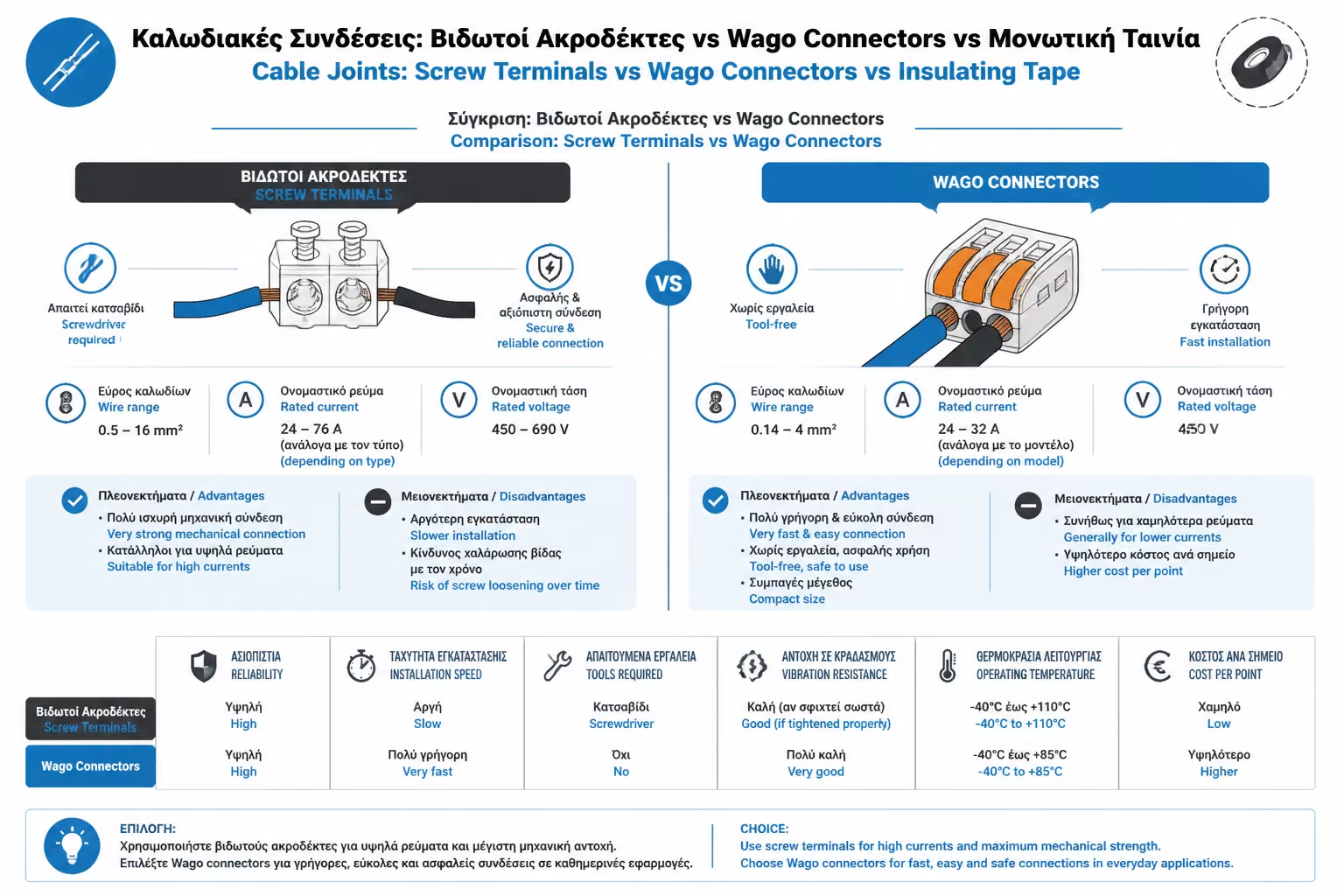
Screw terminals remain an acceptable solution when used correctly in the right context. They are simple, inexpensive and still necessary in some special applications such as high-temperature environments or appliance terminations.
Their main weakness is that they depend heavily on the hand that tightens them. Too little torque gives a loose joint. Too much torque damages the conductor, especially stranded cables without ferrules.
Traditional screw terminals are still used, especially in hotter applications, but they demand correct tightening, correct conductor size and, for stranded conductors, suitable ferrules so the strands are not damaged.
Joint quality depends directly on proper screw pressure.
They still have a place in certain high-temperature or equipment-specific connections.
Without ferrules the screw may cut strands and reduce the effective conductor area.
They do not forgive poor tightening or rushed workmanship.
Spring-clamp connectors rely on a built-in spring that applies stable contact pressure to the conductor. They therefore avoid screw-dependent workmanship and follow the thermal movement of copper far better over time.
They also allow easy visual inspection, fast installation and safe joining of different conductor styles where the product permits it. For most domestic junction boxes, this is now the cleanest and safest general solution.
Wago-type spring connectors solved precisely those issues, because the spring keeps constant pressure on the conductor and allows clean, repeatable joints with very little room for error.
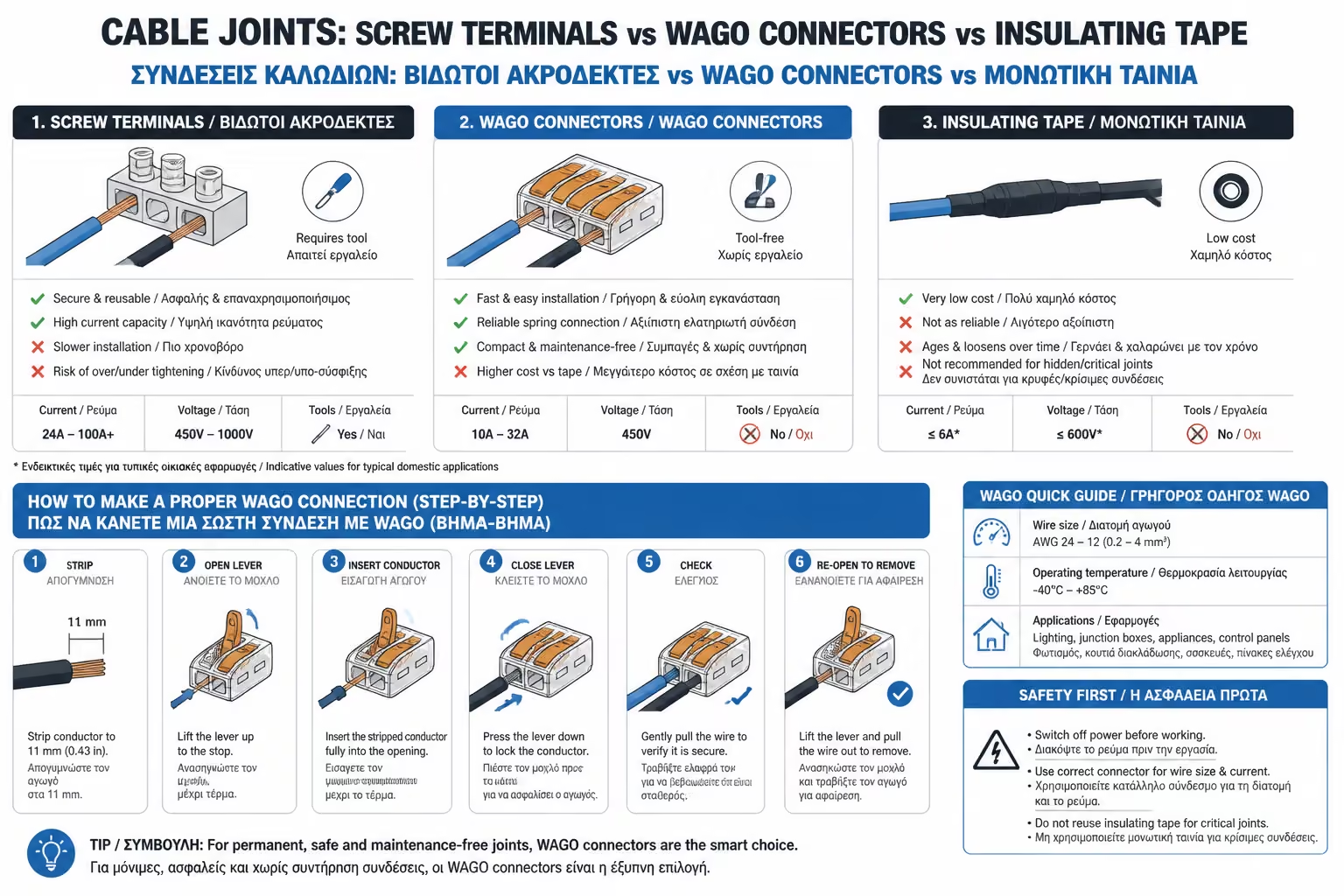
The spring maintains a reliable joint without later re-tightening.
You can see whether the conductor has fully entered the connector body.
They can safely join solid and stranded conductors when used according to the model specification.
They deliver a quality result with less room for human error.
Whether you use a screw terminal or a Wago connector, correct stripping length and clean copper are fundamental. The conductor must be straight, undamaged and exposed to the proper length. On spring connectors that length is defined by the product itself.
After insertion, perform a visual check, a gentle pull test and proper arrangement inside the junction box so that the connection is not crushed by the lid or stressed by bad cable folding.
Even then, a good connection still requires careful stripping, clean copper and a visual check that the conductor is fully seated. The best connector cannot save poor preparation.
If the copper is oxidised, the strip length is wrong or the connector is used outside its rating, the problem remains. A proper joint is always the combination of the right component and the right workmanship.
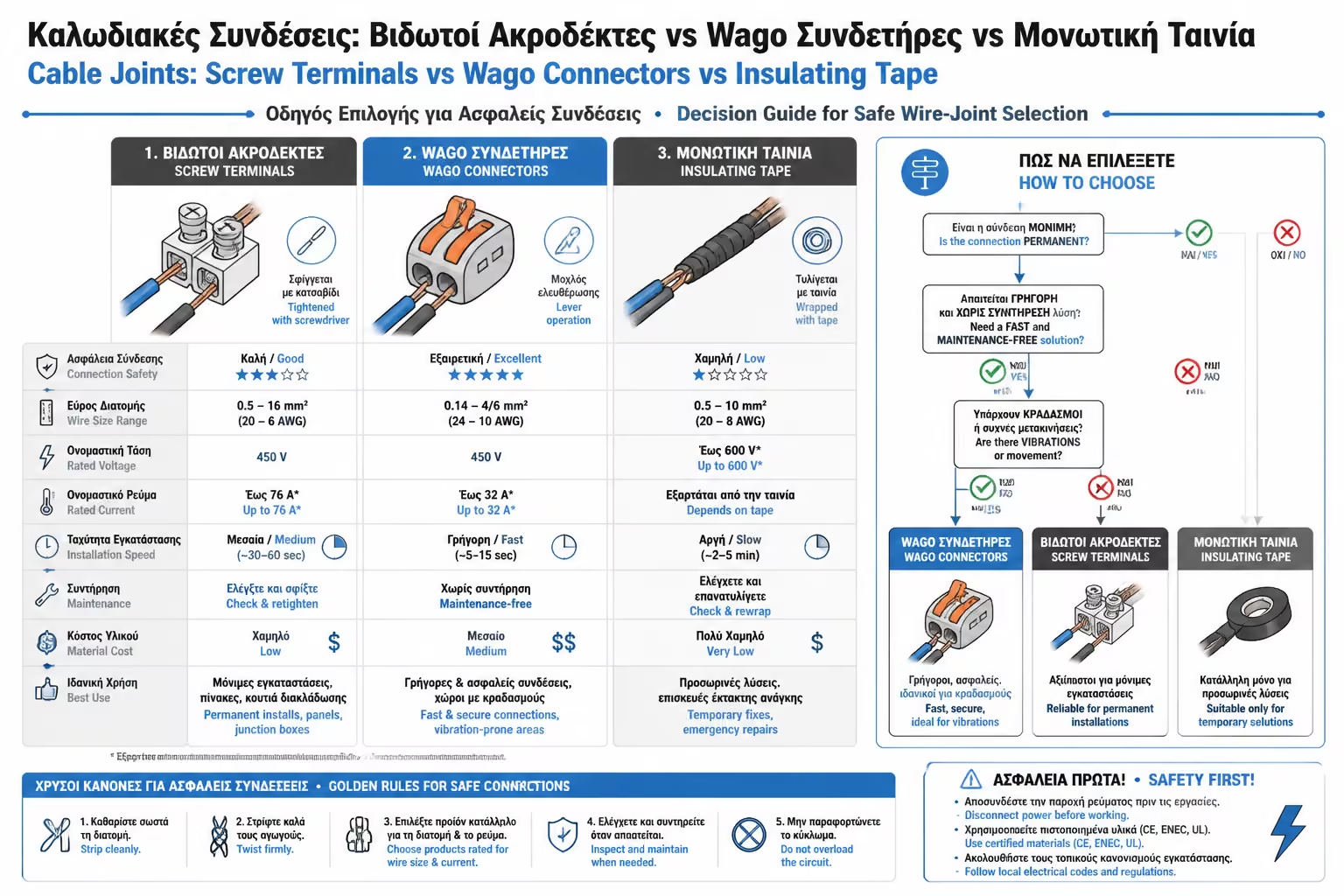
Too short means poor contact; too long leaves exposed copper.
Damaged or bent copper does not produce a trustworthy termination.
A small pull confirms the conductor is actually locked in place.
A good joint stays good only if it is not later stressed by poor arrangement.
A good electrical joint is one you should not have to think about again for the next ten years.
Return to category.
Go to categoryReturn to the central guide.
Go to guide