1.5 mm² with 10A
Typically used for lighting circuits and smaller auxiliary loads.
The thickness of the copper inside a cable determines how much current it can carry safely without overheating. When the cross-section is too small for the load, the cable behaves like a hidden heating element inside the wall.
That is why conductor sizing is not an abstract topic. It sits at the heart of residential fire safety and is one of the areas where the worst shortcuts appear in older or improvised installations.
Cable cross-section is not a theoretical detail or a sales trick. It is the factor that determines how much current can pass safely without overheating the line or exposing the building to fire risk.
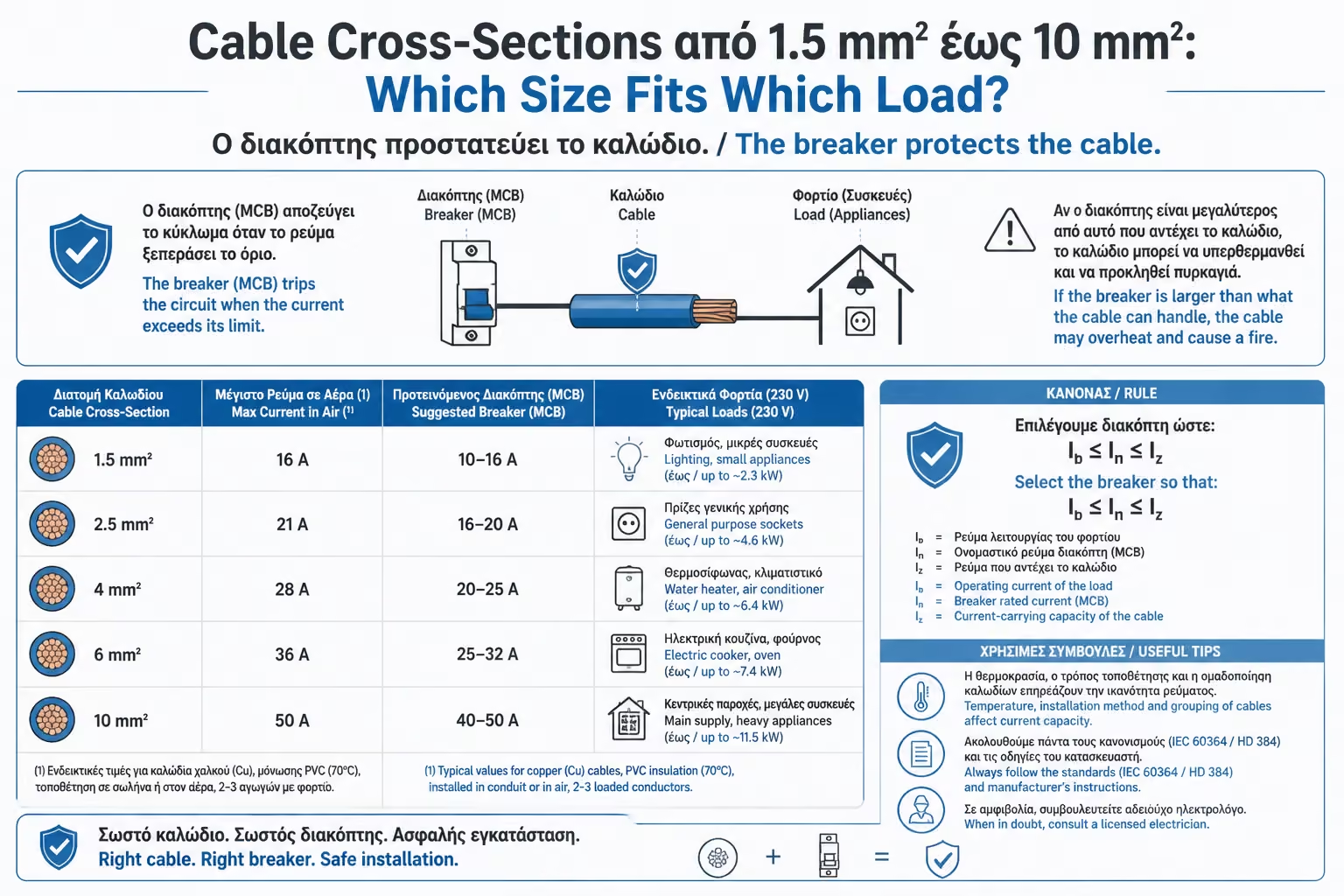
Many people think the breaker in the electrical board exists to protect the television, washing machine or water heater. In reality its primary role is to protect the cable hidden inside the wall.
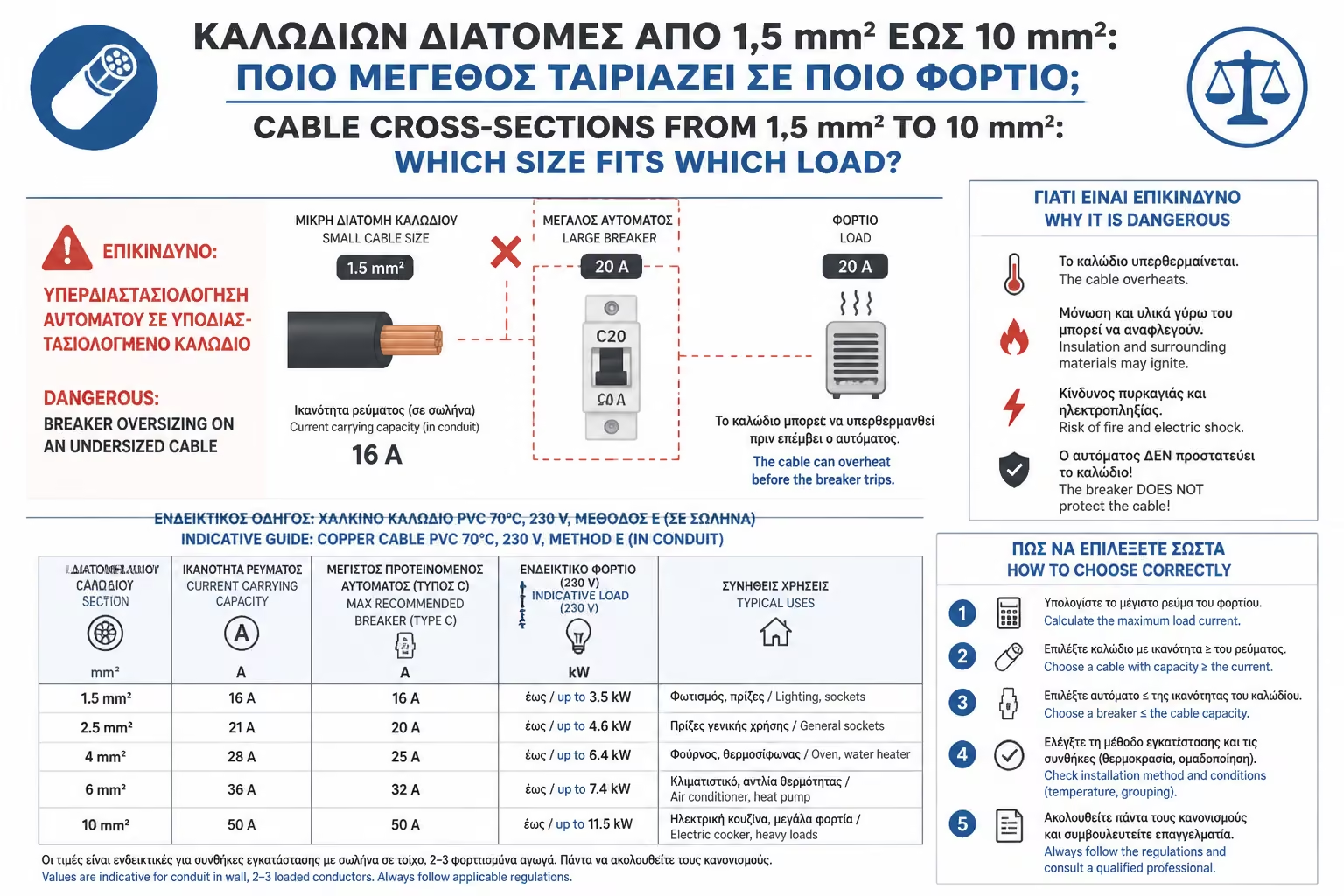
That means every conductor size is paired with a maximum protective device. If we increase the breaker rating without changing the cable, we are not strengthening the installation. We are only removing its protection.
That is why you never increase a breaker “so it stops tripping” unless you first know exactly which cable it is protecting. The pairing of conductor size and breaker rating is the basis of any serious installation.
Typically used for lighting circuits and smaller auxiliary loads.
The standard choice for common socket circuits in many domestic installations.
Water heaters, special circuits and stronger mono-phase supplies need larger conductors.
Any breaker change has to follow a real check of the circuit.
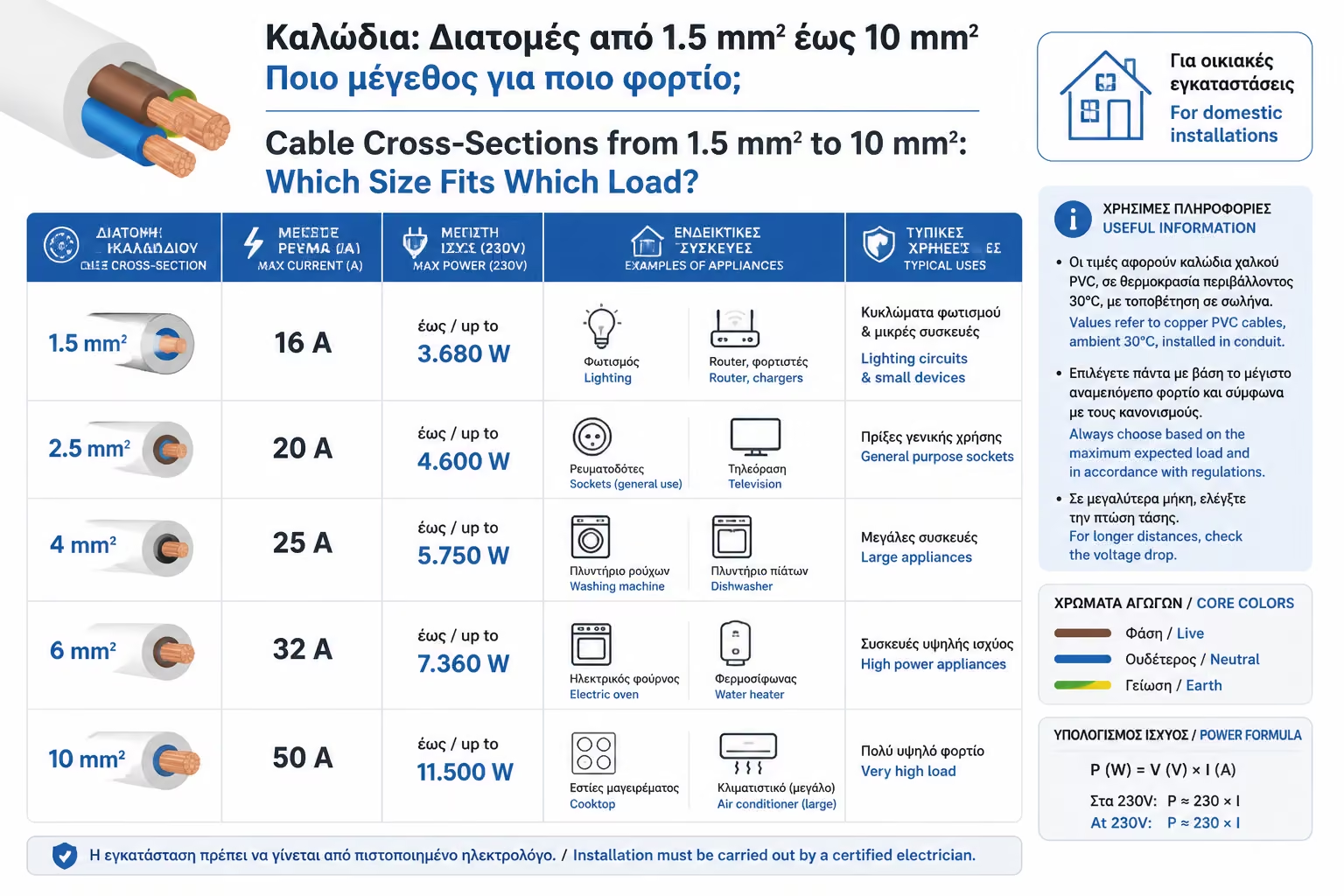
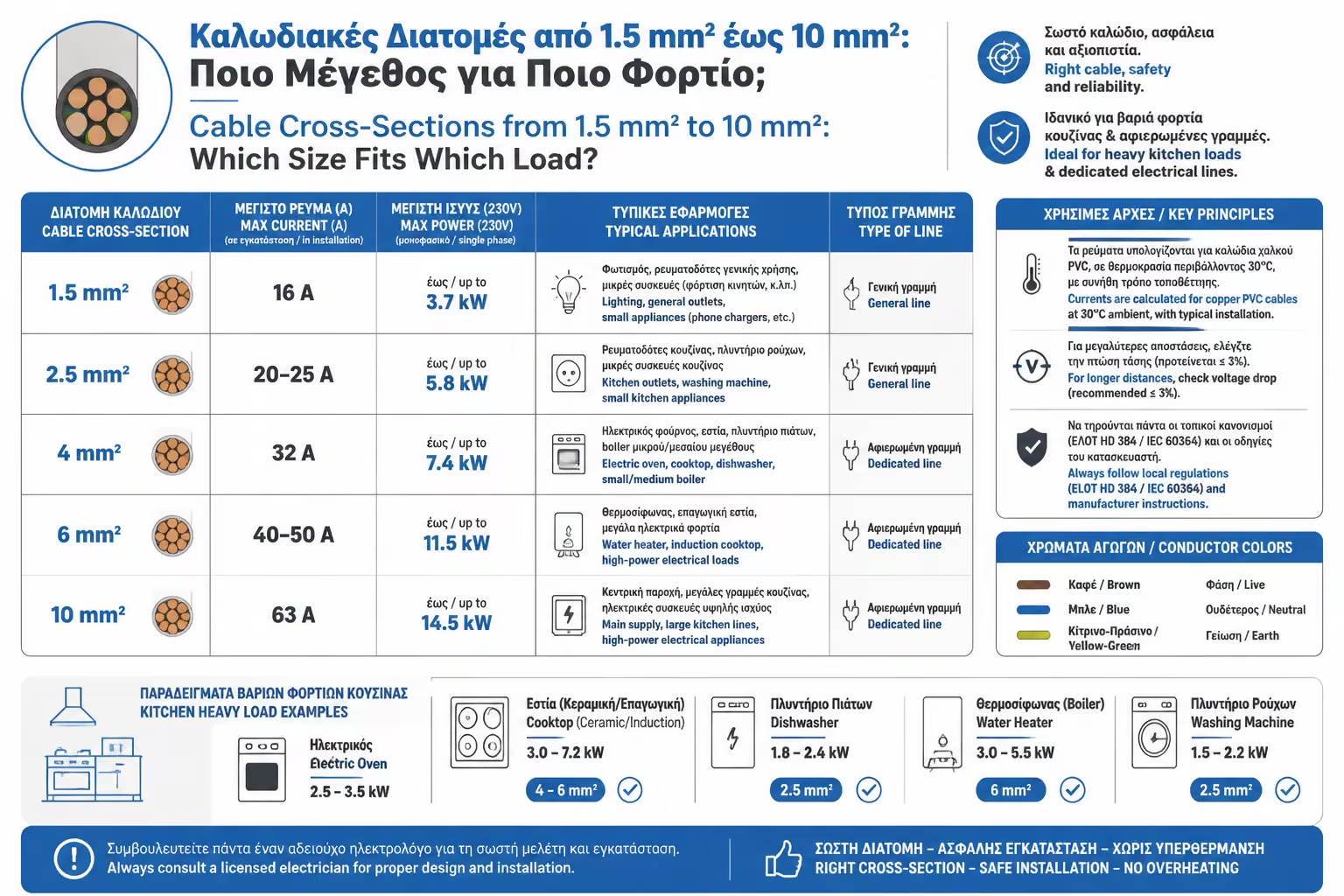
Most owners will come across five main categories: 1.5 mm² for lighting, 2.5 mm² for socket outlets, 4 mm² for water heaters and selected dedicated loads, 6 mm² for cookers or stronger single-phase feeds and 10 mm² as a main supply or sub-board feed.
The size is always selected together with the load type, route length, installation method and the wider context of the circuit. It is never enough to copy a chart mechanically without understanding where the line goes.
A 1.5 mm² conductor remains acceptable for lighting and small motors, but not for socket circuits that today carry much heavier loads than they did a few decades ago.
Lighting circuits, switch loops and small motors such as shutters or extractor fans.
General-purpose sockets, washing machines, refrigerators and many everyday domestic loads.
Electric water heaters and some dedicated higher-load circuits.
Cookers, instant water heaters and demanding single-phase supplies.
Main property feeds or larger sub-board and distribution connections.
In kitchens, water-heater circuits and any load that runs near its limit for long periods, correct sizing becomes even more critical. These cases often require dedicated circuits, not just slightly thicker cable.
A proper design means the oven, cooktop, dishwasher or EV charger are not all hanging from one general-purpose line. Each heavy load needs its own supply logic and protective strategy.
The 2.5 mm² conductor is the everyday socket standard, while 4 mm² and 6 mm² belong on dedicated lines for water heaters, cookers, heat pumps or other demanding appliances with high consumption.
Often require 4 mm² conductors with the corresponding protective device.
These frequently drive the design toward 6 mm² or even three-phase arrangements.
Having a dedicated line is often as important as the conductor size itself.
Grouping too many loads increases voltage drop, nuisance trips and cable stress.
The most common and most dangerous mistake is when an old circuit keeps tripping and somebody fixes it by fitting a larger breaker. The problem is not solved. The thin old cable simply loses its protection and may overheat inside the wall.
In any older home, before connecting heaters, high-demand appliances or new socket outlets, ask for the real conductor size and condition of the wiring to be checked. Safety does not come from the board alone. It comes from the correct match between cable, load and protection.
When an old line remains undersized and you simply fit a larger breaker, you do not solve the problem. You only remove the last layer of protection the cable still had inside the wall.
If a 10A circuit keeps tripping, the issue may be overload or misuse, not a weak board.
Adding AC units, heaters or new outlets to an older room requires technical confirmation.
The dangerous point is often buried inside the wall, far from your view.
When the load does not match the line, a new dedicated feed is the correct answer.
When a breaker trips repeatedly, the right technician checks the cable. The wrong one simply fits a bigger breaker.
Return to category.
Go to categoryReturn to the central guide.
Go to guide