A deep box beside the window
The motor and its control need space and sensible access to the connection point.
Motorised shading is no longer a luxury limited to villas or hotels. Electric shutters, awnings, interior roller blinds and smart curtains are becoming common in ordinary homes, whether for comfort or for better energy behaviour.
The problem is that the need for these systems usually matures after the frames, finishes and decorative details are already complete. If no provision was made, the result is exposed cables, white trunking and ugly holes on newly finished walls.
Correct electrical preparation lets you leave invisible supply points and logical routes exactly where motors, switches or future smart relays will be needed. That way, shading becomes integrated into the house rather than looking like a later patch.
For a classic wired shutter motor, the electrical logic does not end with a supply point somewhere near the window. You need a deep switch box beside the opening, a neutral where required and a clean route from that box up into the shutter housing where the motor sits.
A 4x1.5 mm² cable is often the right baseline for wired up/down control. But the critical issue is the hidden path: a conduit or route that brings the cable exactly to the motor location without forcing the installer to drill and run surface cabling later.
When this provision is made correctly during the frame or construction stage, the result is invisible. Once that stage is missed, the aesthetic damage is rarely corrected perfectly.
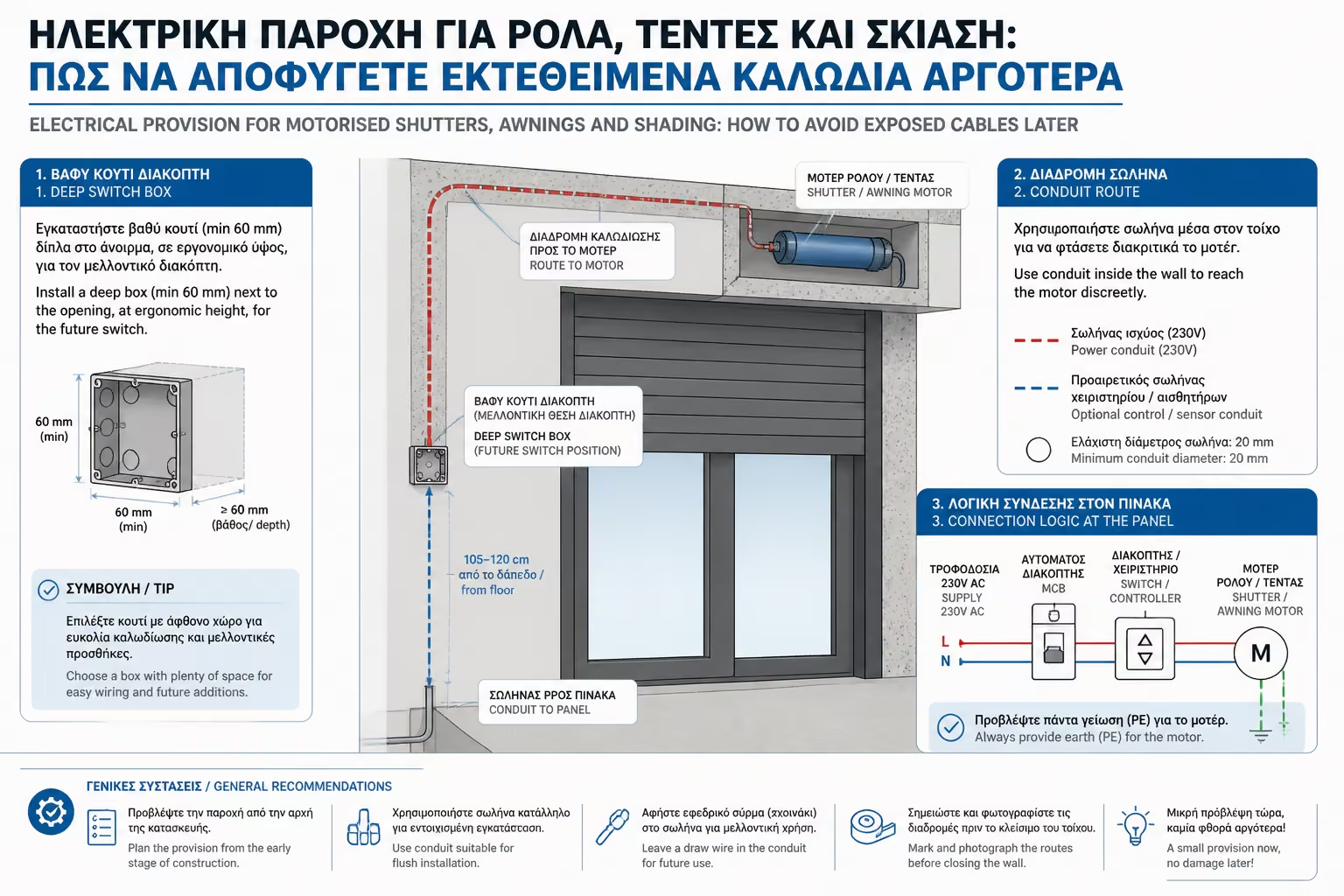
The motor and its control need space and sensible access to the connection point.
Up, down, neutral and earth all need organised cabling.
The right route is what keeps the final result clean and professional.
Afterwards, every intervention becomes harder and visually worse.
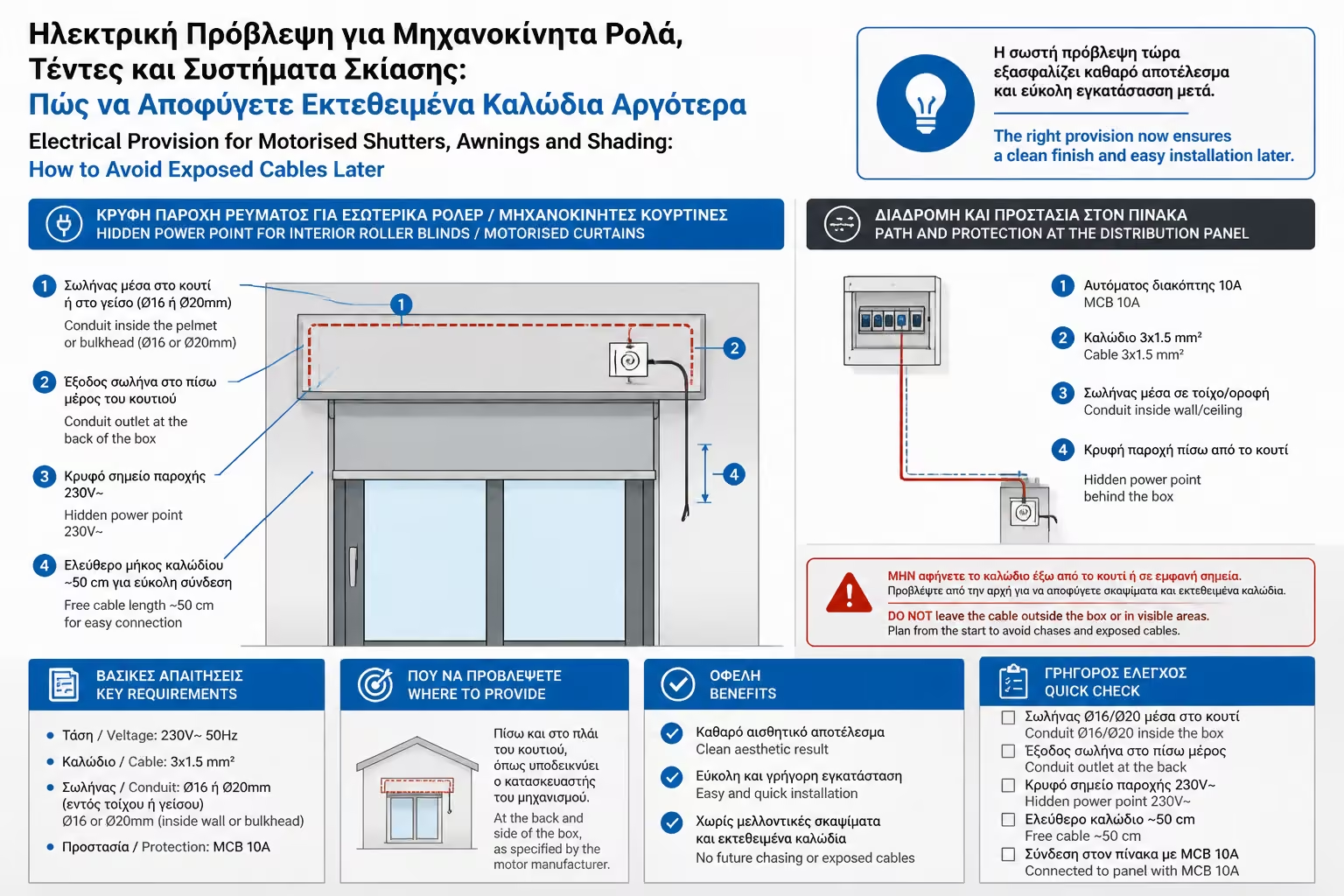
Motorised roller blinds and smart curtains often look simple precisely because they hide behind fabric or a curtain rail. Their clean installation, however, depends on leaving a small but accurately placed power point high in the correct corner of the opening.
In many cases, a simple 3x1.5 mm² supply in a small blind junction box or protected hidden point is enough. The challenge is not electrical complexity but positional accuracy and avoiding damage to the decorative finish around the opening later.
Even if you initially choose a wireless or battery-operated system, a hidden permanent supply is almost always the better infrastructure decision. It keeps options open and eliminates future battery maintenance in the room.
A correctly positioned hidden feed can solve the entire interior shading strategy cleanly.
That is usually sufficient for most curtain or blind motors with permanent power.
A few centimetres wrong can ruin the decorative result or expose wiring.
Permanent infrastructure gives more comfort and much better long-term flexibility.
With exterior shading, the provision is not only about the motor but also about the environment. The connection points operate under sun, wind and rain, so weather resistance and mechanical protection become central design parameters.
An awning may need a 4x1.5 mm² or 3x1.5 mm² cable depending on control logic, but equally important is having a correct IP-rated box or protected exit exactly where the motor will be installed. If sun or wind sensors are planned, their route toward the proper sensing point must also be included.
The secret is to treat the awning as a technical system rather than a decorative add-on. Then the installation stays clean, safe and ready for future automation.
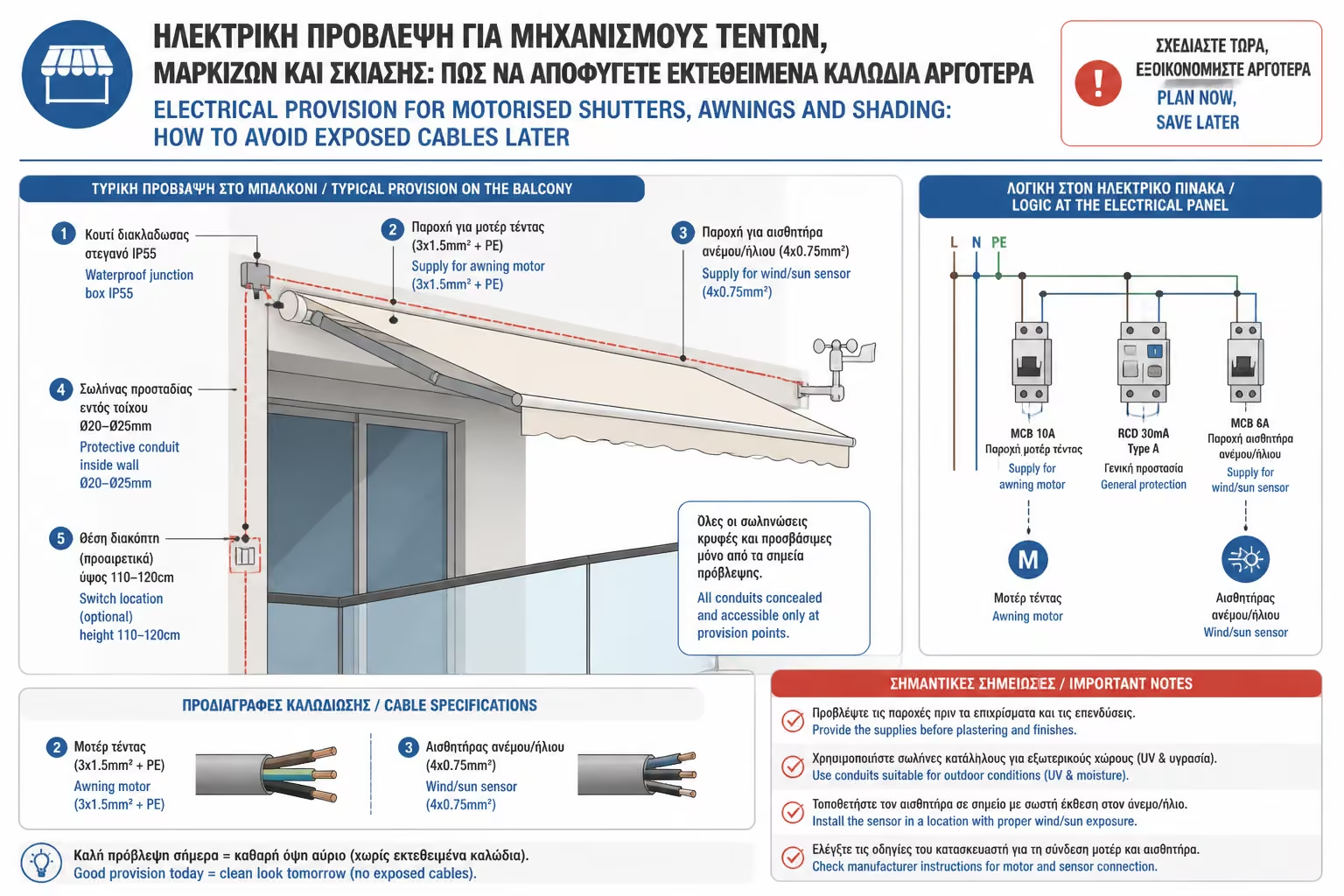
On a balcony, weatherproofing is not a bonus feature but a basic requirement.
The intended mode of operation directly affects what should be installed now.
Wind and sun data are often essential to safe automated operation.
Correct shading improves comfort and reduces cooling demand.
If you want shading to operate intelligently with scenes, schedules and integration into sensors or a smart-home platform, the same principle applies as with the rest of the automation network: deep boxes and a neutral conductor at the control point.
Many modern relays for shutters and awnings need space, reasonable thermal conditions and clear wiring that includes neutral. If the box is shallow or neutral is missing, future automation becomes much more limited or uncomfortably improvised.
So the mature provision for shading is not only 'bring power there'. It is 'bring power there with the right logic' so the house can later move from simple manual control to genuinely integrated smart shading without new damage.
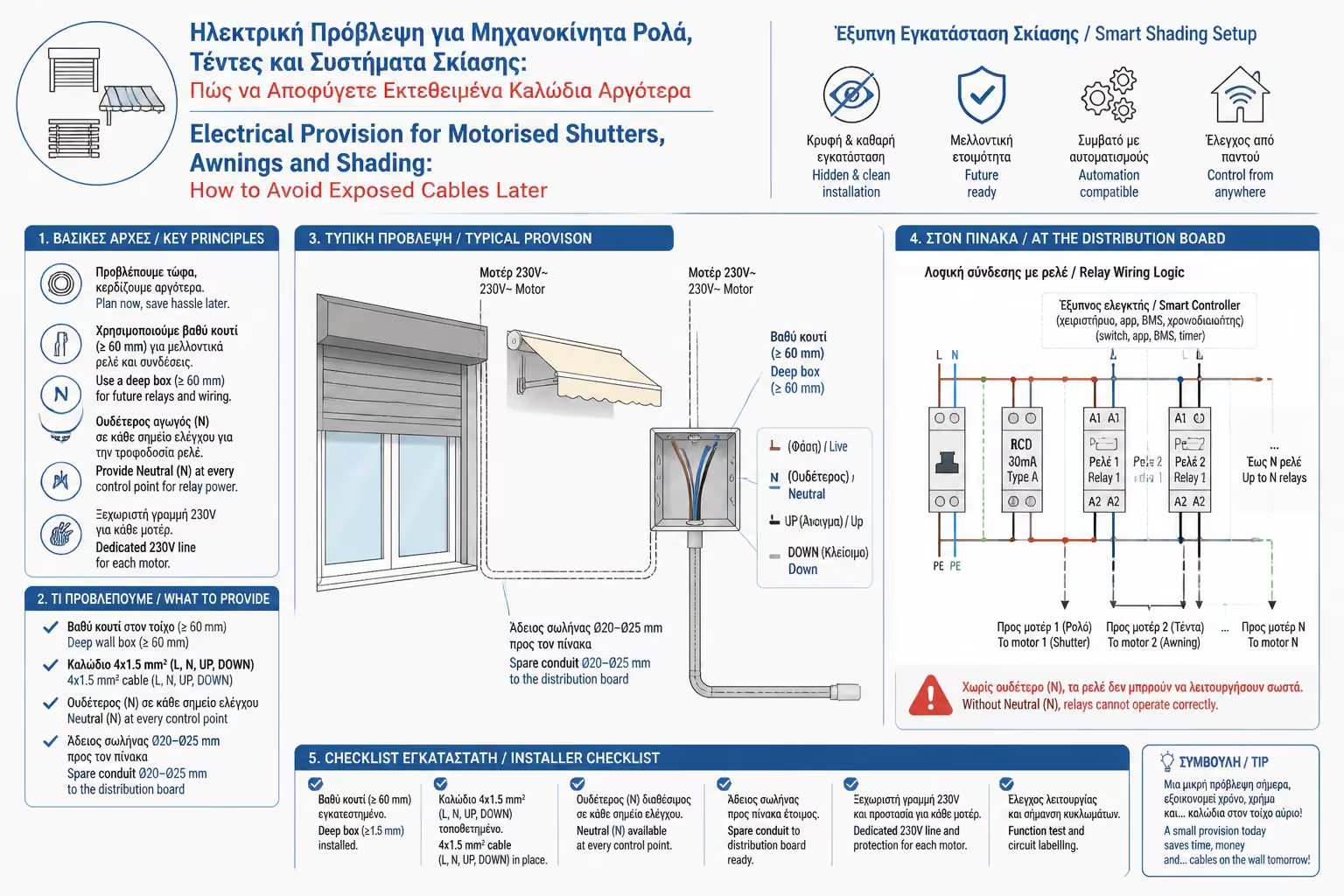
The space behind the switch matters enormously if smart modules are added later.
Many modern relays do not work properly or at all without it.
Good provision makes upgrades possible without reopening walls and frames.
The real goal is a hidden but robust base for automation, comfort and aesthetics.
In shading systems, the most beautiful installation is the one you barely notice. That only happens when the electrical provision was made early enough.
Return to category.
Go to categoryReturn to the central guide.
Go to guide