Clear point-to-point logic
Every empty conduit should serve a real future scenario rather than existing abstractly.
A home's needs change much faster than the life of the building itself. What feels more than adequate today may soon need fibre internet, new data cabling, home cinema, motorised shading or a power route to a kitchen island.
If no hidden path exists in advance, every new requirement becomes demolition, drilling and visible trunking. An empty conduit is the cheapest possible way to buy future freedom.
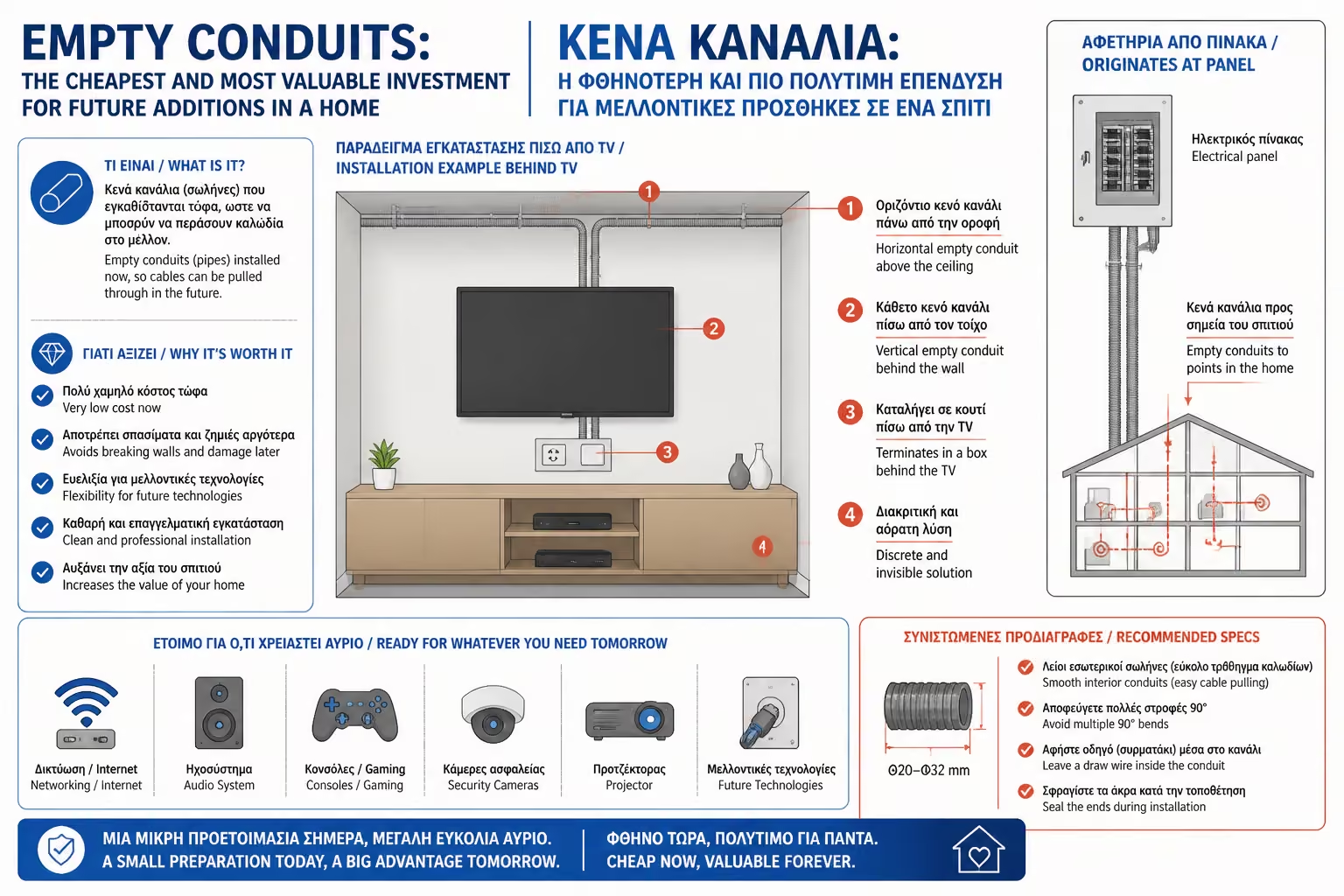
The critical point is that a conduit is not useful simply because it exists. It needs the right diameter, limited bends, sealed ends and above all a pull cord. Only then does it become real infrastructure instead of buried useless plastic.
A useful spare conduit is not just a random thin pipe that starts somewhere and ends who-knows-where. It is a planned route with a clear starting point, a clear destination and a logic tied to a future use case.
Without a pull cord, even a good route can become frustrating when the time comes to install a new cable. Without end caps, the conduit fills with dust, debris or insects. Without controlled bends, it becomes practically impossible to use.
So the provision needs to be done professionally: documented in photos, understood by the owner and usable later by another technician without guesswork.
Every empty conduit should serve a real future scenario rather than existing abstractly.
The nylon cord is what converts a theoretical provision into practical usability.
Keeping the conduit clean is fundamental if it is to be useful later.
After finishing works, no one remembers hidden provisions accurately without records.
In the living room, the TV and media equipment change constantly. A large-diameter conduit between the TV zone and the media cabinet makes future HDMI, fibre, ethernet or power-related routing possible without hanging cables.
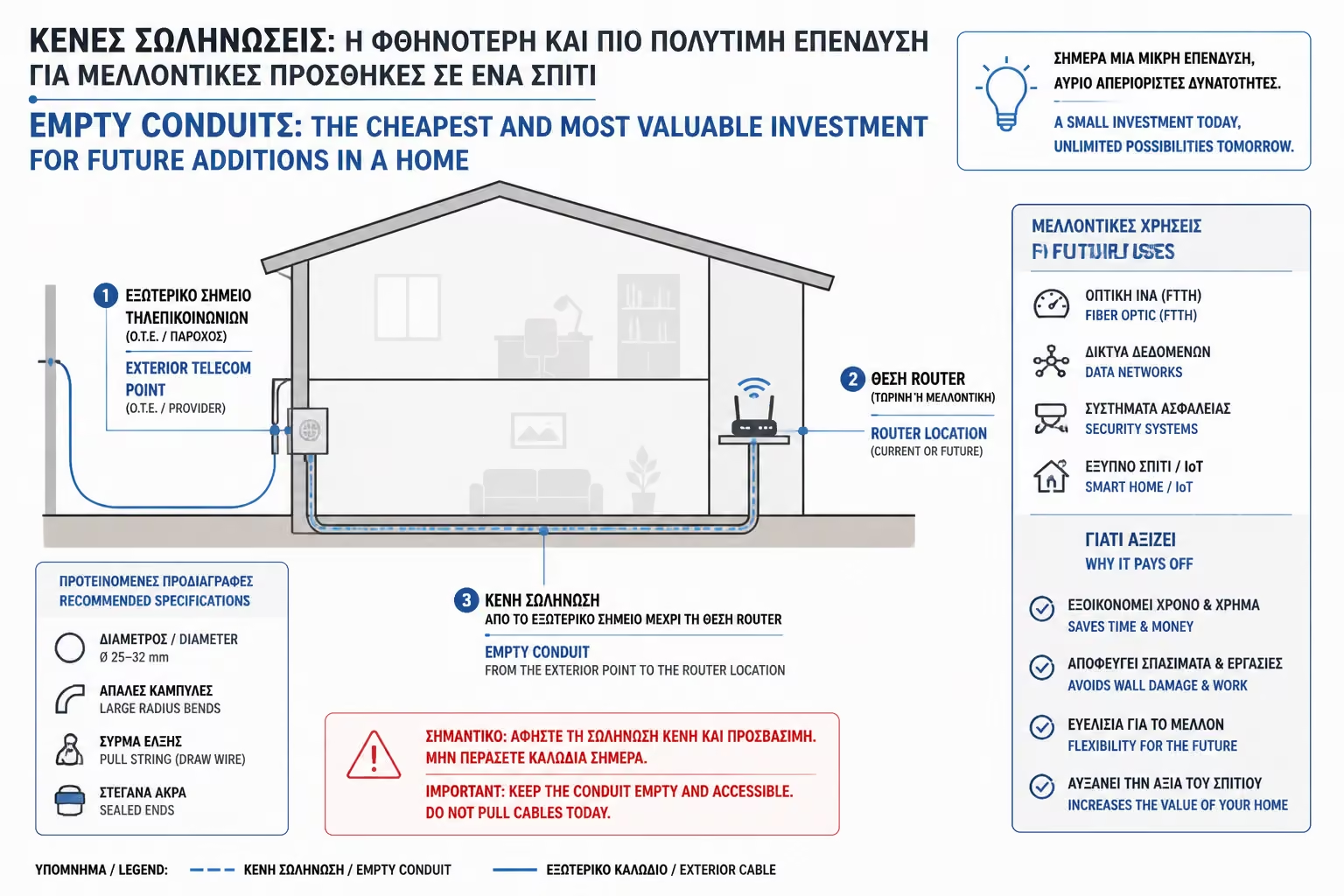
At the same time, FTTH has completely changed the telecom needs of modern homes. A spare conduit from the provider entry point to the right router or rack position inside the property avoids ugly drilling and surface cable runs.
In both cases, the provision is cheap while the wall is still open and expensive once the home is completed and occupied. That makes these routes almost self-evident investments.
One hidden route keeps the visual result clean even after multiple equipment upgrades.
A proper telecom path allows the provider to finish the job without damaging the home.
HDMI, fibre and data cables all benefit from space and smooth curves.
After plastering and painting, the same tiny route becomes disproportionately expensive.
A kitchen island may be a simple worktop today and tomorrow need power for sockets, induction cooking or a concealed downdraft extractor. If no heavy-duty spare conduit has been provided in the floor, every upgrade becomes traumatic for the finished tiling.
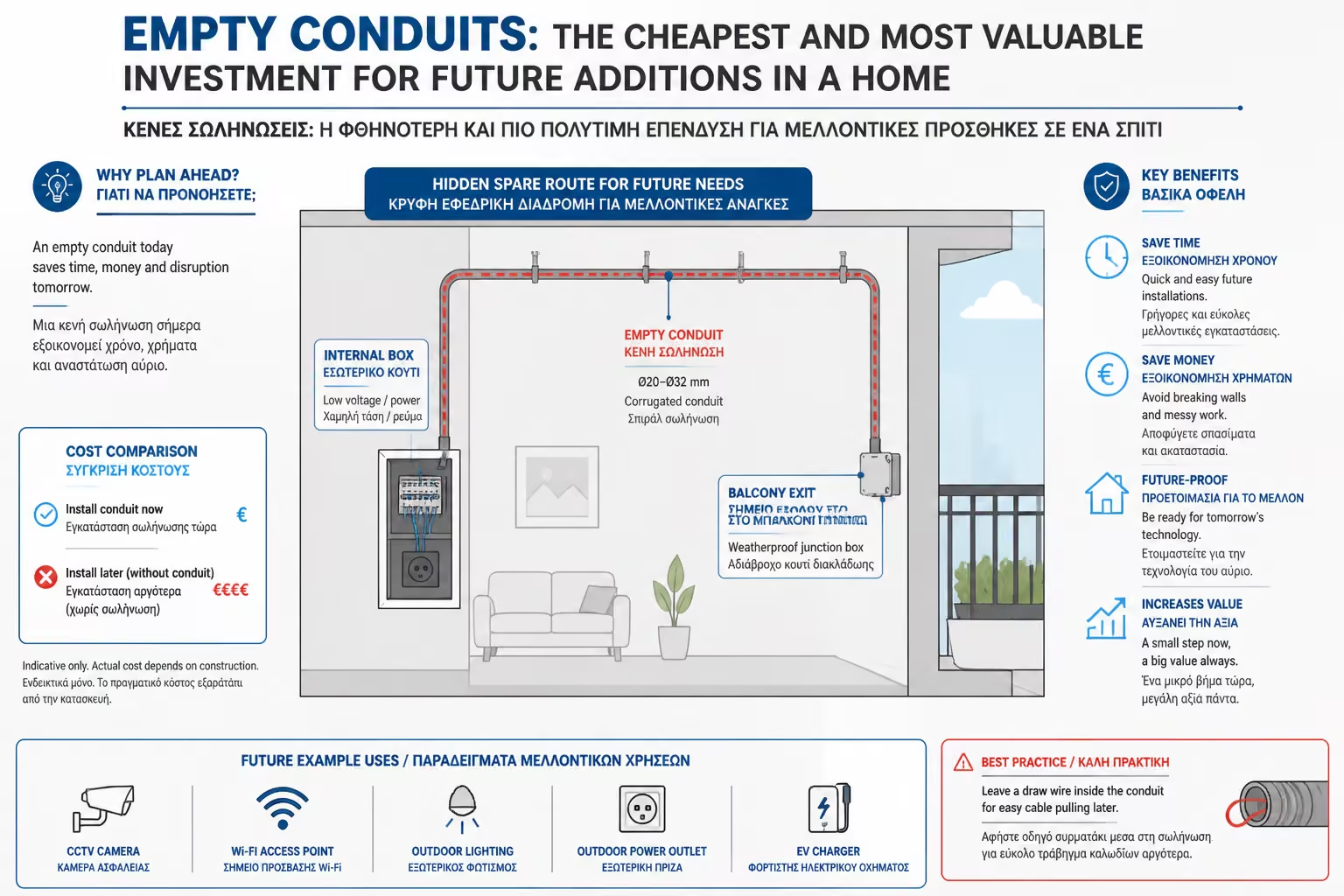
The balcony also keeps changing role over time. A future awning, camera, outdoor outlet, heating panel or weather sensor all need hidden electrical infrastructure. A spare route from an internal box to a protected exterior point can solve multiple future scenarios.
Precisely because you do not yet know the exact final device, the empty conduit is the ideal neutral decision. It does not lock you in, but it keeps all the mature options open.
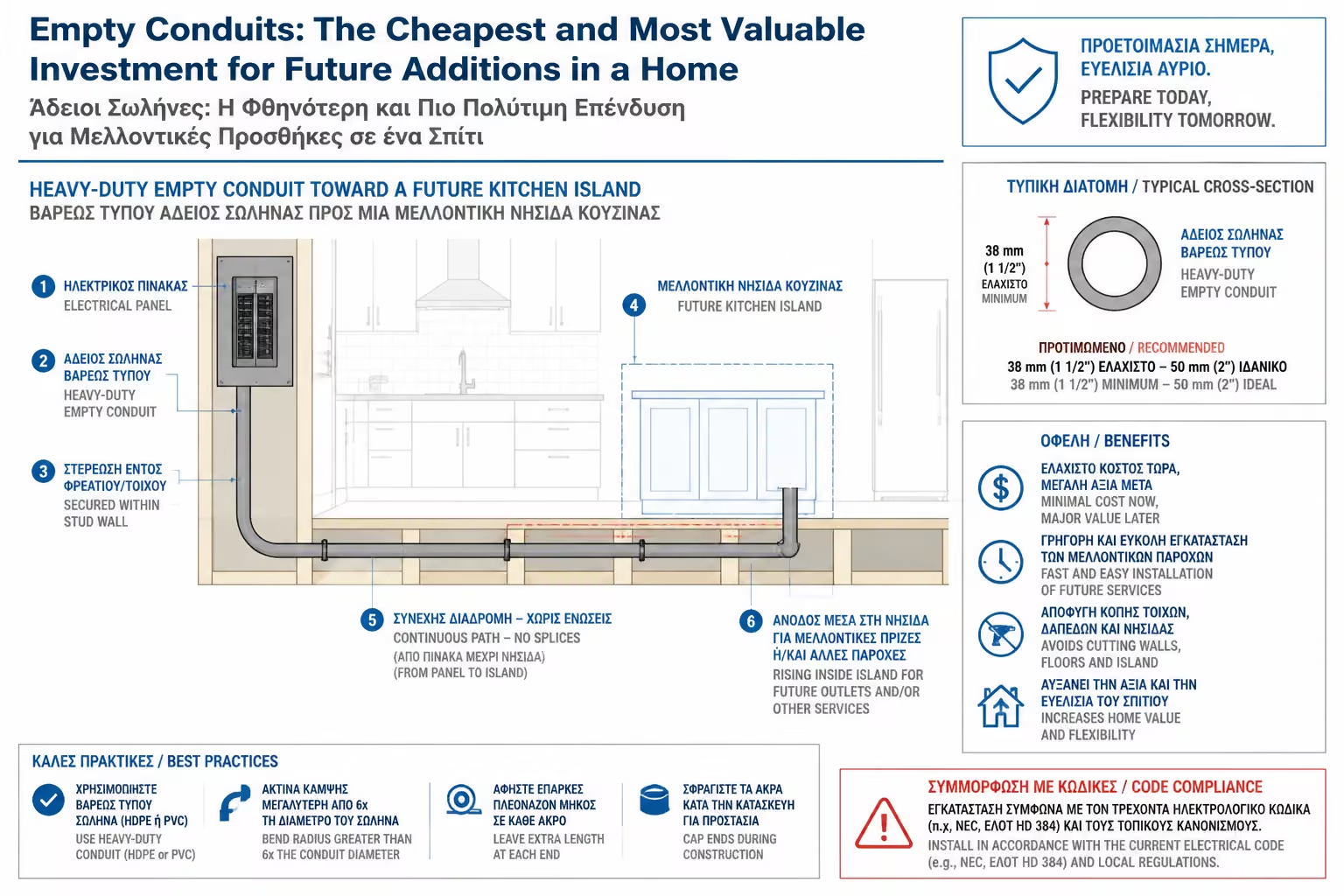
Bringing power to the middle of a room is never easy once the floor is complete.
Shading, security and comfort continuously create new loads and requirements.
Mechanical protection matters when the route enters more demanding building zones.
You do not need to know the final product to leave the right hidden route today.
Rule one: the fewer hard bends the conduit has, the more useful it will be later. Rule two: every spare route must be capped and documented. Rule three: the diameter has to be honestly adequate for the scenario you are anticipating.
Many poor provisions fail because the conduit was too narrow, no pull cord was left inside or no one remembered where the other end emerged years later. The result is a theoretical spare route that is practically unusable.
A correct empty conduit is a small investment that buys adaptability. It does not solve only one future problem; it makes the entire home more resilient to changes in technology and lifestyle.
Geometry is often more important than the total route length.
A spare route that gets lost or filled with dirt stops being an investment.
The cheapest option is not the most economical if it can never be used.
With a small cost today, the home remains open to tomorrow’s technology changes.
An empty conduit is the quietest but perhaps the most profitable provision in a home: invisible today, lifesaving tomorrow.
Return to category.
Go to categoryReturn to the central guide.
Go to guide