
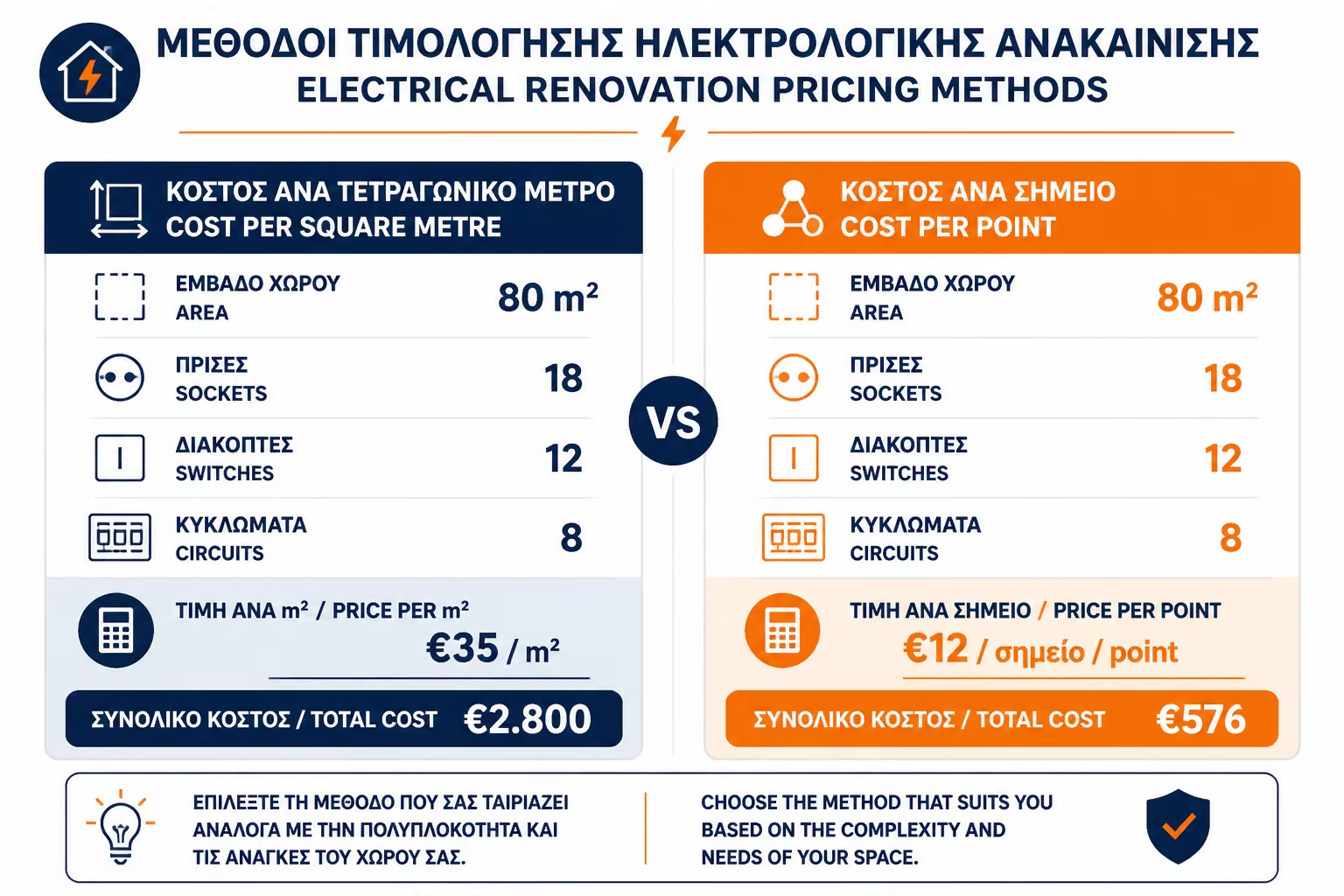
1️⃣ Price per square metre
This is the quick method for a first estimate. It is useful for early budgeting, but it can misrepresent homes with many loads, more complex planning or higher technical expectations.
The first real shock in many renovations arrives when the owner asks for an electrical quotation and hears numbers that sound much higher than “just changing some sockets.” That happens because electrical renovation is not a single product. It is a package of strip-out work, new routing, boxes, cabling, panel upgrades, testing and often coordinated reinstatement.
If you want to compare quotations properly, you need to understand how the work is priced and what each number actually includes. Otherwise you end up comparing unlike with unlike and assuming one contractor is simply expensive, when in reality they may have included far more labour, better materials and a more complete scope.
In the Greek market, electrical renovation is usually priced either per square metre or per point. Each method has its own logic, but each also creates different levels of accuracy and different traps when reading a quotation.
This is the quick method for a first estimate. It is useful for early budgeting, but it can misrepresent homes with many loads, more complex planning or higher technical expectations.
A “point” counts sockets, switches, lighting points and dedicated supplies. It is more accurate and fair because it reflects the actual density of the installation.
Even if the first quotation is based on square metres, ask for a point breakdown and a clear scope of works. Only then can you compare two contractors on equal terms.
A flat with very few outlets and a simple board may look expensive per square metre but reasonable per point, while a smart, heavily serviced home may hide major cost behind an apparently average €/m² figure.
The final bill is not just “cable and sockets.” A large share of the cost sits in labour: marking, chasing, conduit installation, fixing boxes, pulling circuits, connecting the panel and carrying out final testing.
The rest is split across materials, the chosen equipment level and special protective devices. That is where the gap appears between economy, mid-range and premium solutions.
That is why two quotations with similar totals can have completely different internal logic. One may invest in labour quality, another may reduce material quality and a third may omit important protective devices altogether.
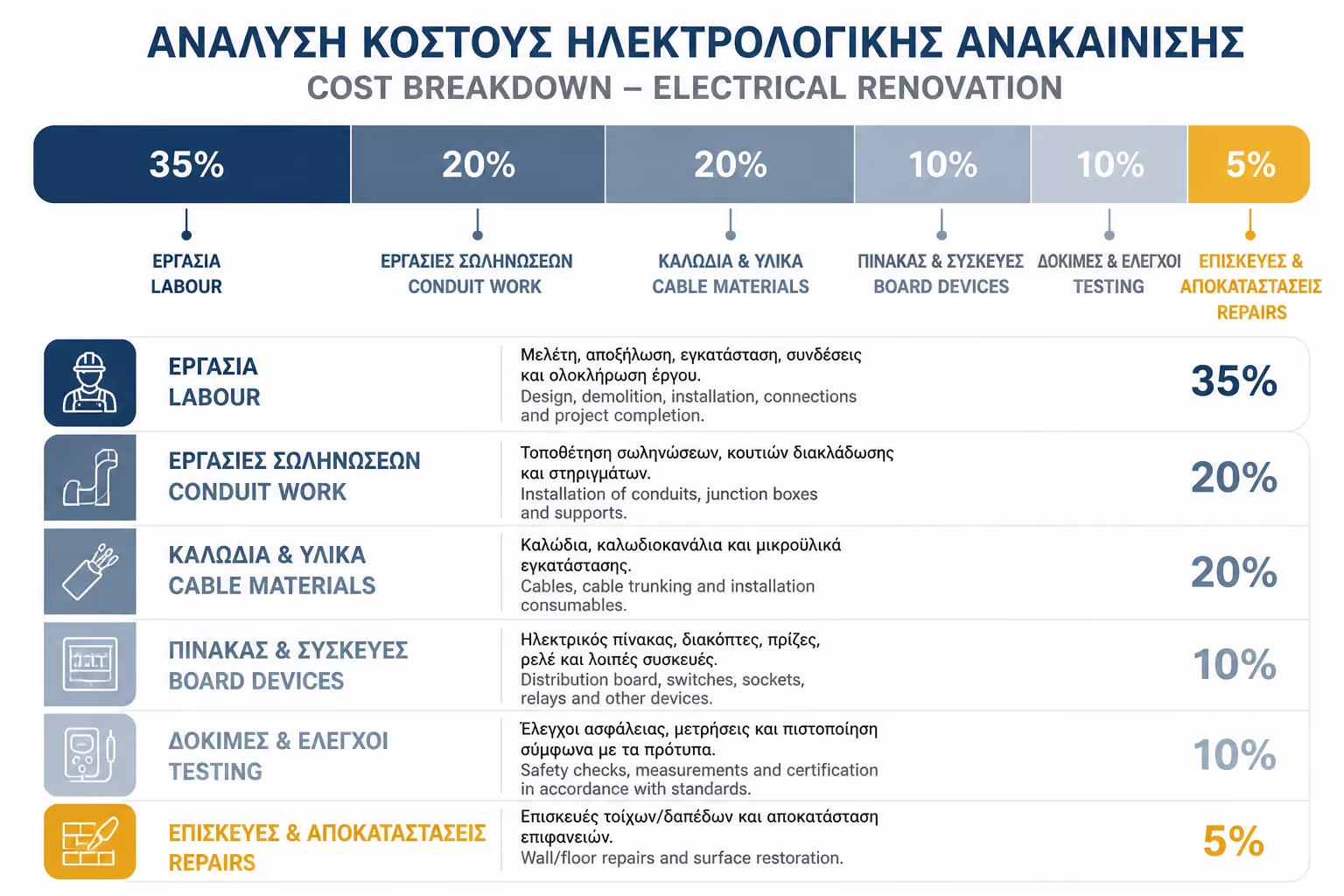
In older properties the heaviest cost is often the creation of new routes and the removal of the old network. The harder the wall build-up and the longer the runs, the more labour costs rise.
Conduits, boxes, cables, connectors, junction boxes and panel materials vary significantly in quality. Not all 2.5mm² cables or RCDs are equivalent.
MCBs, RCDs, surge protection, contactors and proper circuit labelling can change the budget noticeably, but they are exactly the elements that define safety and maintainability.
Not all homes cost the same to rewire even if they have the same floor area. The final amount depends heavily on the true difficulty of the job and on the owner’s choices about quality and future provisions.
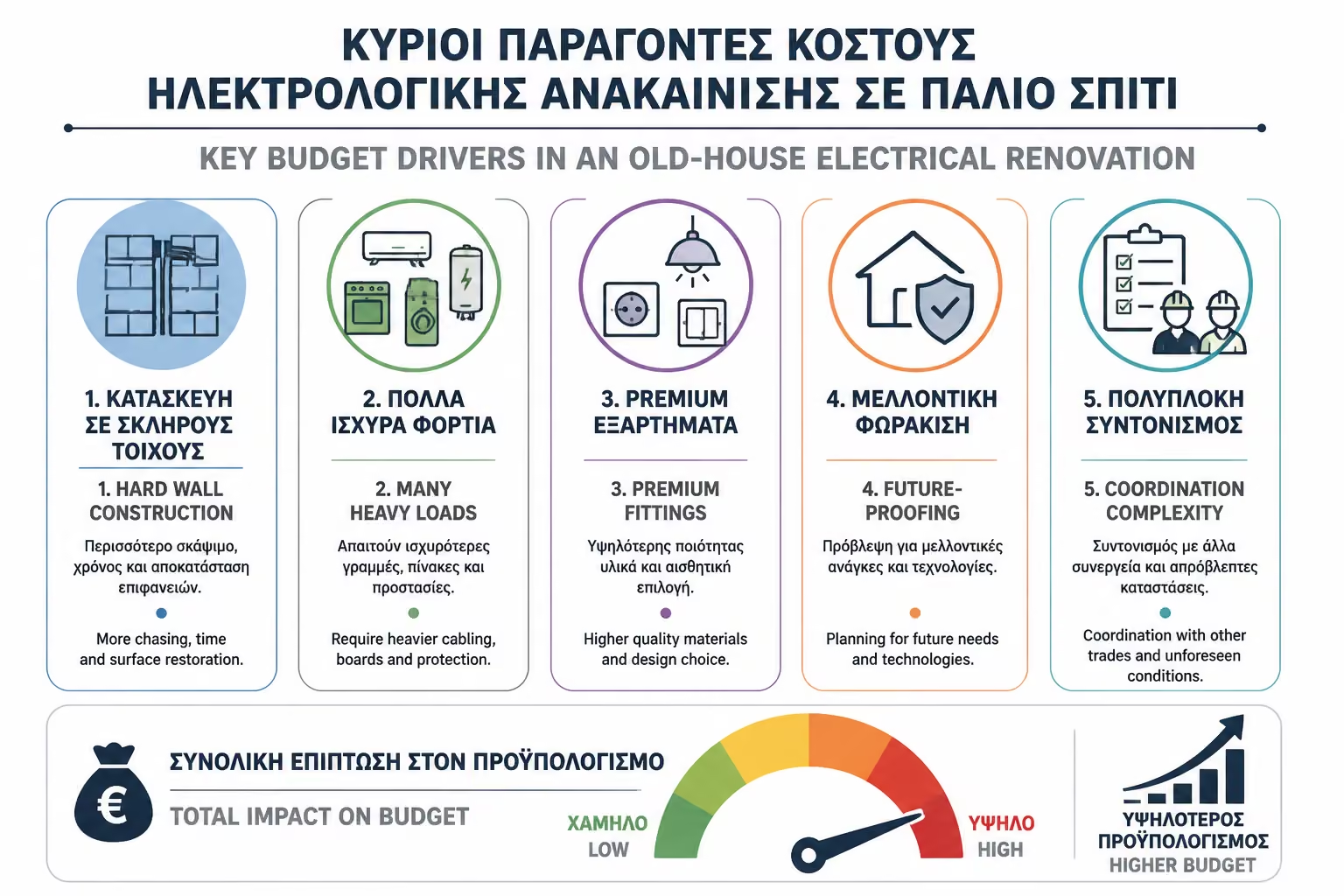
Hard concrete, stonework or awkward routes increase labour time and reinstatement complexity.
If the home will serve an electric cooker, multiple air-conditioning units, a heat pump or an EV charger, more dedicated circuits and a larger board are required.
Designer switches, sockets and branded mechanism ranges can raise the final quotation substantially compared with basic equipment lines.
Spare conduits, data points, smart home provisions and extra board capacity cost more today but prevent much more expensive interventions later.
The clearer the design, the load schedule and the coordination with other trades, the fewer surprises and repeat visits end up being charged at the end.
The most common budgeting mistake is to count only the electrician’s direct work. In reality there are associated costs that, if not listed clearly in the quotation, appear later as unpleasant surprises.

Who closes the chases? Are plaster, local repairs and patching included, or priced separately? This should be stated clearly.
Measurements, certification, final checks and installation declaration updates all take time and carry value. Do not assume they are free just because they are not visible hardware.
Once walls are opened you may discover missing earthing, rotten junction boxes or improvised joints. A sensible contingency allowance is always necessary.
Ask for the number of circuits, board scope, material level and exclusions to be stated clearly. Anything left vague usually returns later as extra cost.
💡 The cheapest quotation is often not the most economical one. It is simply the vaguest.
Return to category.
Go to categoryReturn to the central guide.
Go to guide