✅ Appropriate age and materials
If the house has PVC-insulated NYA or NYM cables inside plastic conduits, the electrician can verify that the insulation is still flexible and serviceable.
Every renovation reaches the point where the owner wonders whether it is worth spending money on something invisible: the cables hidden inside the walls. The natural reaction is to prefer new sockets, modern switches and a fresh panel while leaving the old installation in place behind the scenes.
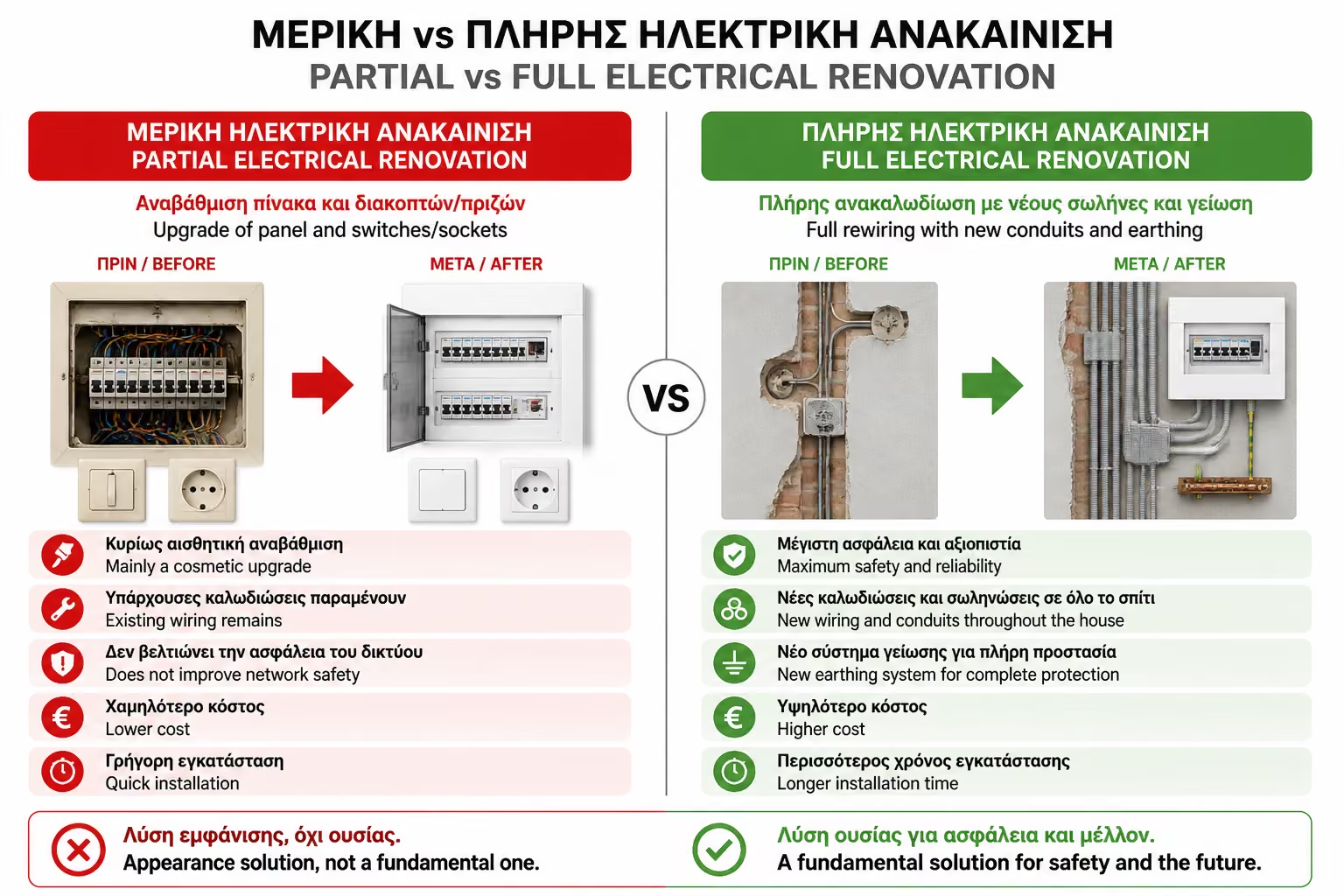
The problem is that electrical systems do not forgive cosmetic upgrades. If the core of the installation is ageing, lacks earthing or cannot support today’s loads, a partial renovation simply wraps a dangerous system in attractive new fittings. The right decision depends on the age, materials and actual demands of the property.
A partial renovation makes sense only when the underlying installation is fairly modern and still healthy. In practice that usually means homes built or comprehensively renovated after about 1995 to 2000, with plastic-insulated cables, usable conduits and earthing throughout the property.
In that situation you can replace the panel, add residual-current protection, renew fittings and run a few additional circuits for new appliances without demolishing every wall in the house.
If the house has PVC-insulated NYA or NYM cables inside plastic conduits, the electrician can verify that the insulation is still flexible and serviceable.
The presence of an earth conductor in all rooms is a major criterion. If living rooms and bedrooms have properly earthed socket outlets, the installation starts from a much healthier baseline.
If the kitchen, bathroom and heavy loads stay in the same locations, the need for new routes is reduced and the partial option becomes much more realistic.
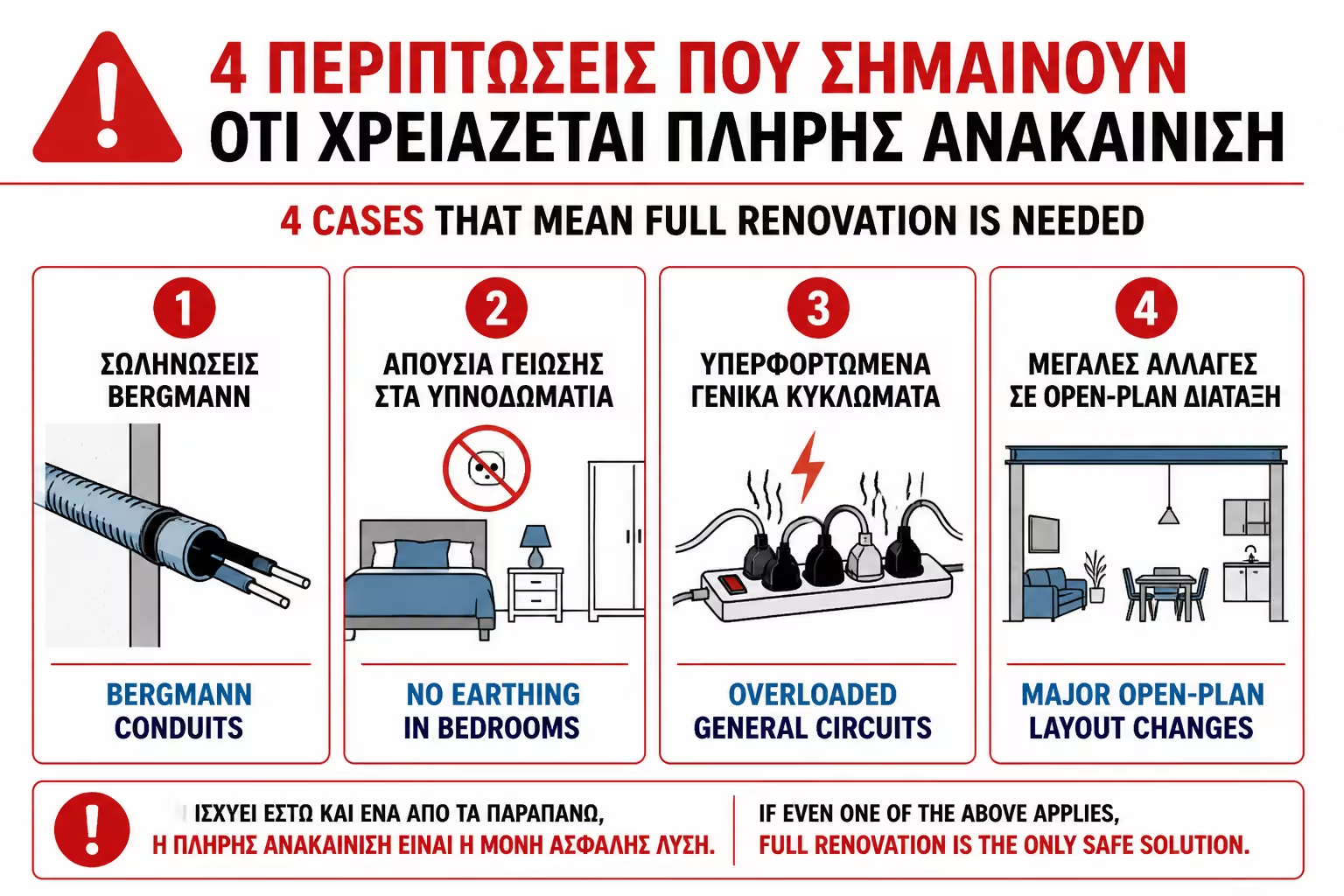
If you identify even one of the following conditions, full renovation stops being an overreaction. It becomes the only technically honest way to obtain a safe installation that can work with modern demand.
Old metal conduits lined with bitumen paper and cloth-insulated conductors are dangerous by nature. The insulation crumbles, the copper becomes exposed and even minor work can trigger a short circuit or fire.
Old installations that provide earthing only in the kitchen and bathroom are no longer adequate. Without an earth conductor, both people and equipment remain exposed to electric shock and surge damage.
Homes with one or two general socket circuits cannot support air conditioning, modern kitchens, chargers and today’s electrical demand. The old cables overheat silently inside the wall.
If you are moving the kitchen, demolishing walls or opening the house into a new plan, the old routes no longer serve the redesigned property. Heavy circuits must be rebuilt from scratch.
In the property market it is very common to see a shiny new electrical panel and assume the installation has been properly upgraded. In reality the panel is only the shop window if the wiring behind it is forty or fifty years old.
A modern board with residual-current protection and miniature breakers often exposes the hidden defects of old cabling rather than curing them. The result may be an RCD that trips constantly because the aged insulation and earthing condition are no longer compatible with modern protection.
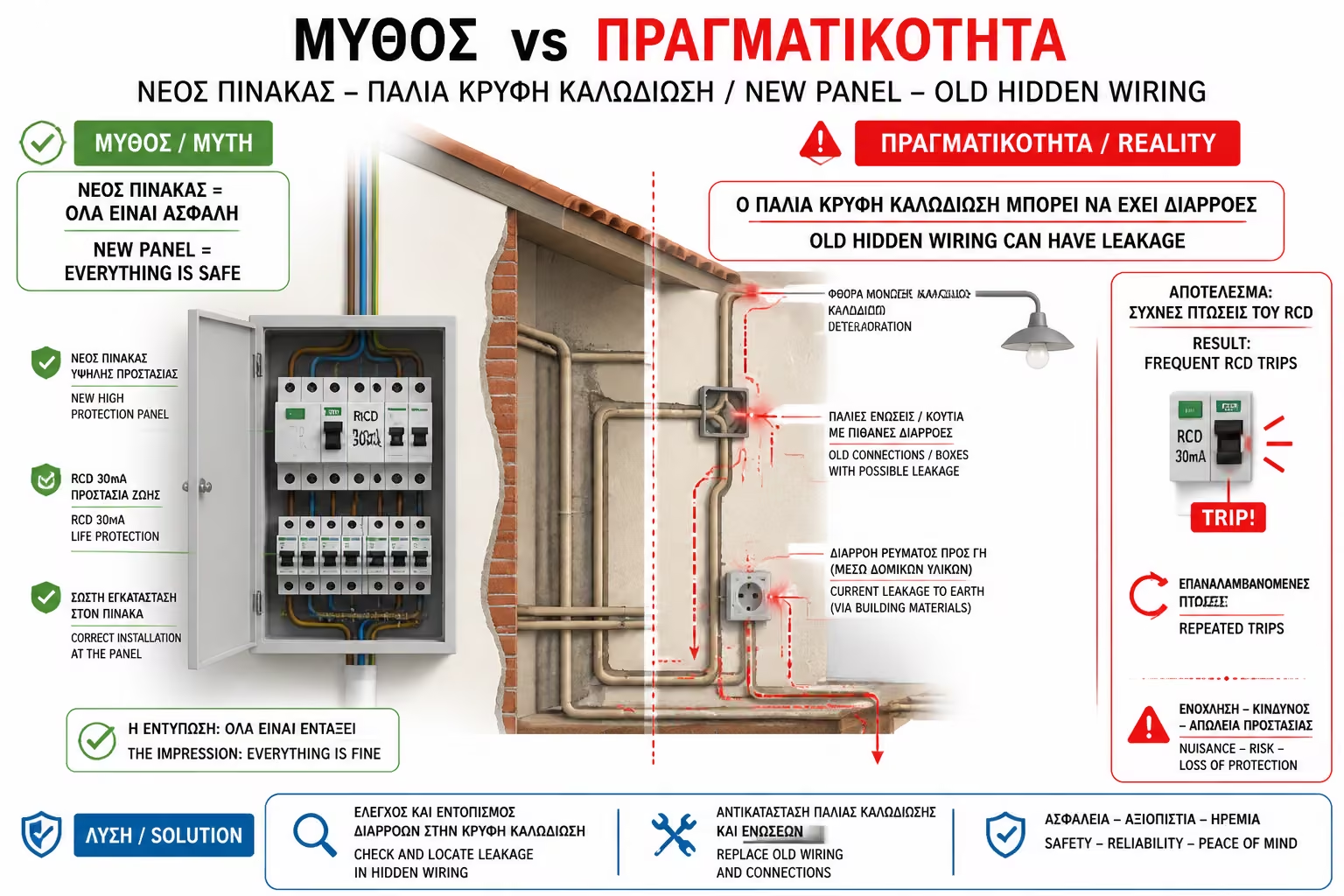
Changing only the board can make the property look modern to buyers or tenants while leaving the core problem of the hidden network completely unresolved.
Aged insulation leaks current into damp walls or metal routes and the new RCD detects it immediately. The owner then experiences repeated unexplained power trips without any appliance failure.
If someone suggests bridging out the RCD to stop nuisance trips, they are not solving the problem. They are removing the only life-safety device. That is technically and legally unacceptable.
The right choice is not made by appearance or by choosing the cheapest answer. It requires checking the age of the system, opening selected outlets, testing earthing, listing new loads and discussing honestly how the renovated home will actually be used.
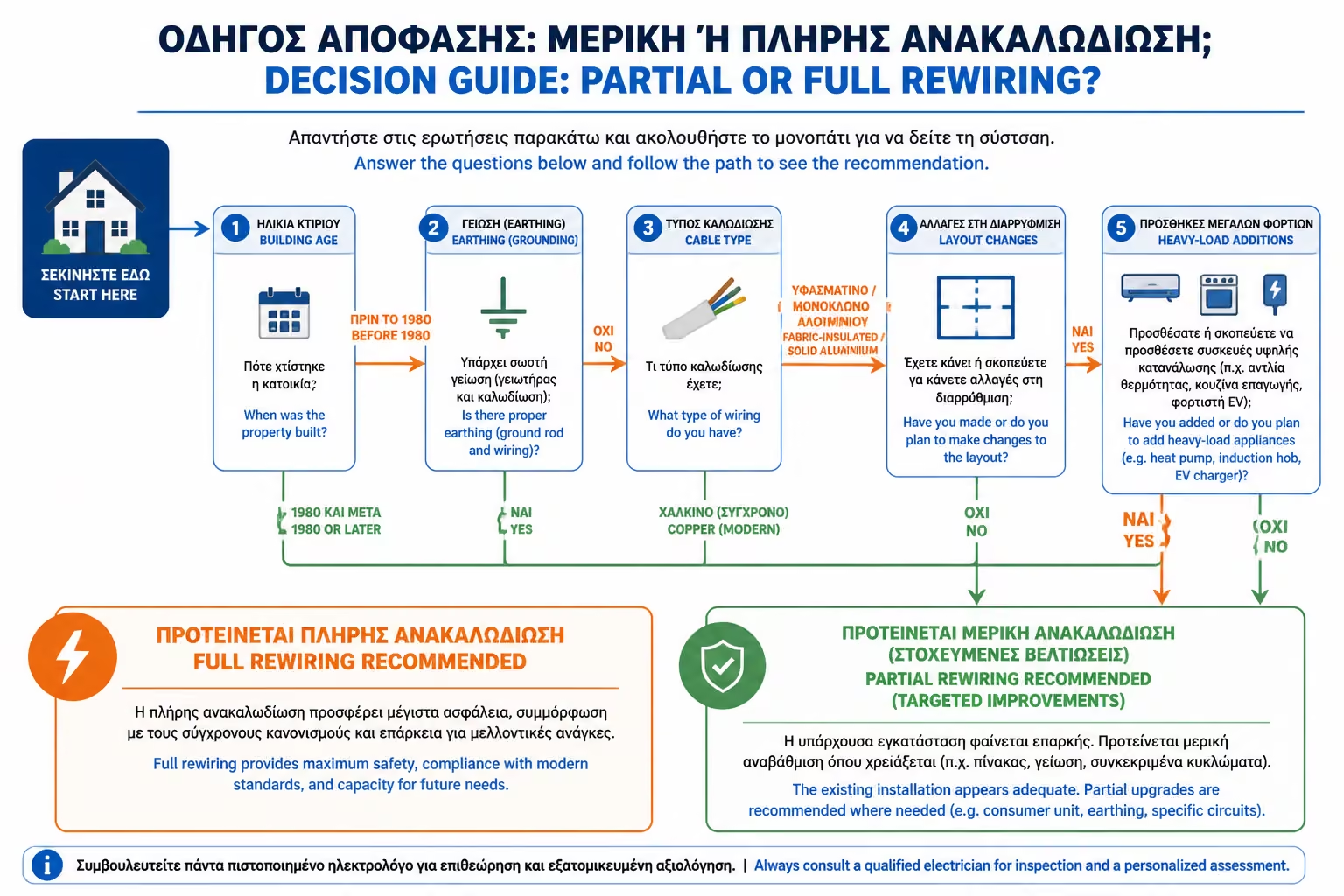
The electrician should open sample sockets and junction points, inspect materials, test earthing and assess insulation condition rather than deciding only by looking at the board.
The renovation must support air conditioning, multiple appliances, data systems, smart controls and future demand. If the old network cannot carry that reality, keeping it makes little sense.
A full renovation costs more upfront, but it removes the ongoing fear of fire, random faults, endless patch repairs and repeated emergency call-outs over the years.
💡 If the choice between partial and full renovation still feels vague, it usually means the inspection has not gone deep enough.
Return to category.
Go to categoryReturn to the central guide.
Go to guide