🕰️ Old system, old assumptions
The installation was designed for far lighter loads, different lifestyles and much lower safety expectations than those of a modern home.
Many homes built in the 1960s and 1970s still operate with installations that look acceptable on the surface while hiding completely outdated materials inside the walls. Bergmann conduits and cloth-insulated wiring are among the most typical examples.
The issue with these systems is not only their age. The underlying technology itself has been surpassed by modern safety expectations, present-day load demand and the requirement for proper earthing and protection. Once you discover them during renovation, the discussion is no longer about a small repair but about a clear replacement signal.
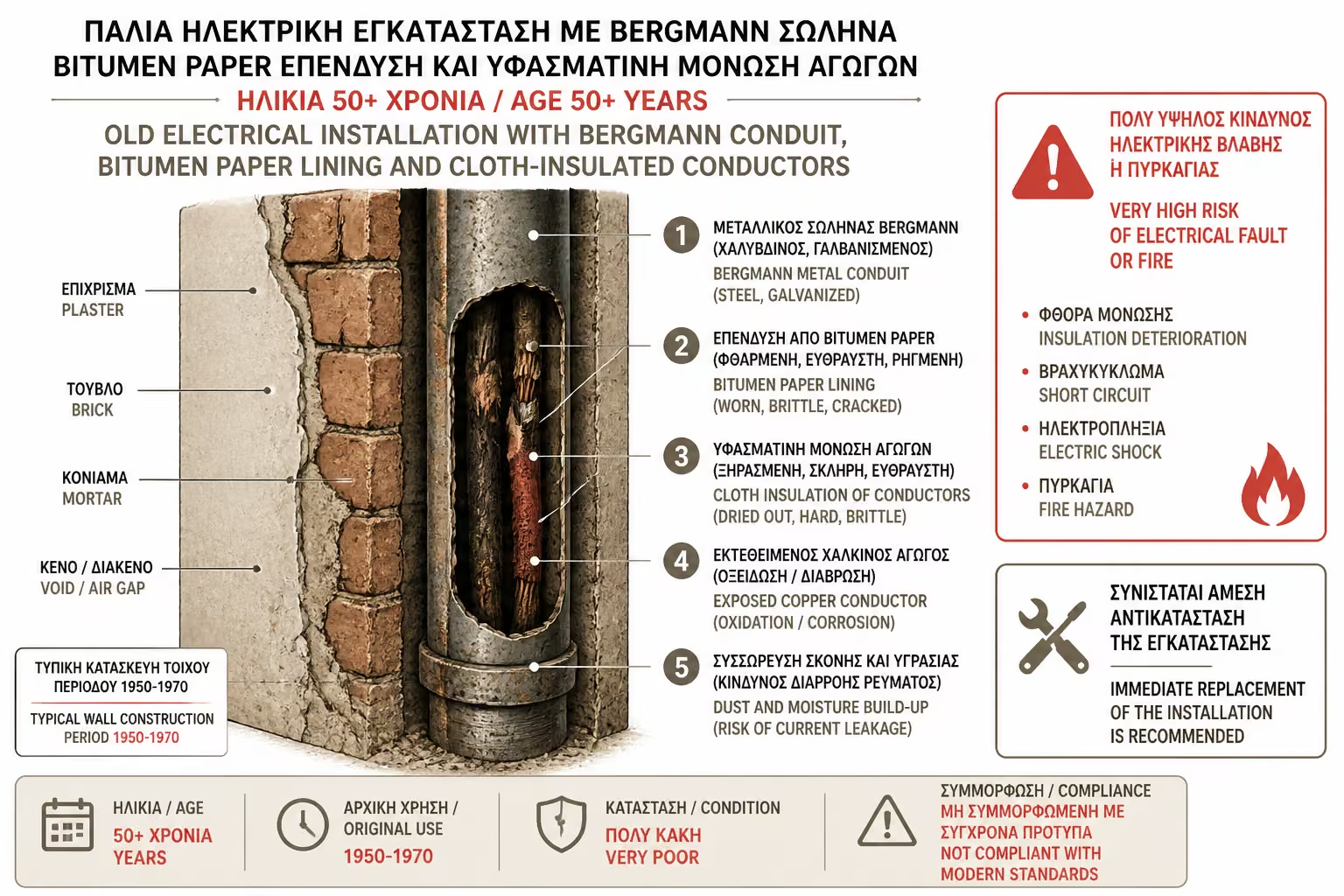
Bergmann conduits were metal tubes internally lined with bitumen paper or a similar material, used together with conductors insulated by cloth. In their time they were seen as advanced, but today they belong to a completely different technical era.
After fifty or more years, the cloth, bitumen lining and every old insulating layer have aged, dried out and lost resilience. The wiring may appear still and silent, but in reality it has become fragile and unpredictable.
Many such systems remained in use simply because the house was lightly loaded or because nobody disturbed them. That does not make them safe. It only means they stayed unchallenged until the next renovation or fault.
The installation was designed for far lighter loads, different lifestyles and much lower safety expectations than those of a modern home.
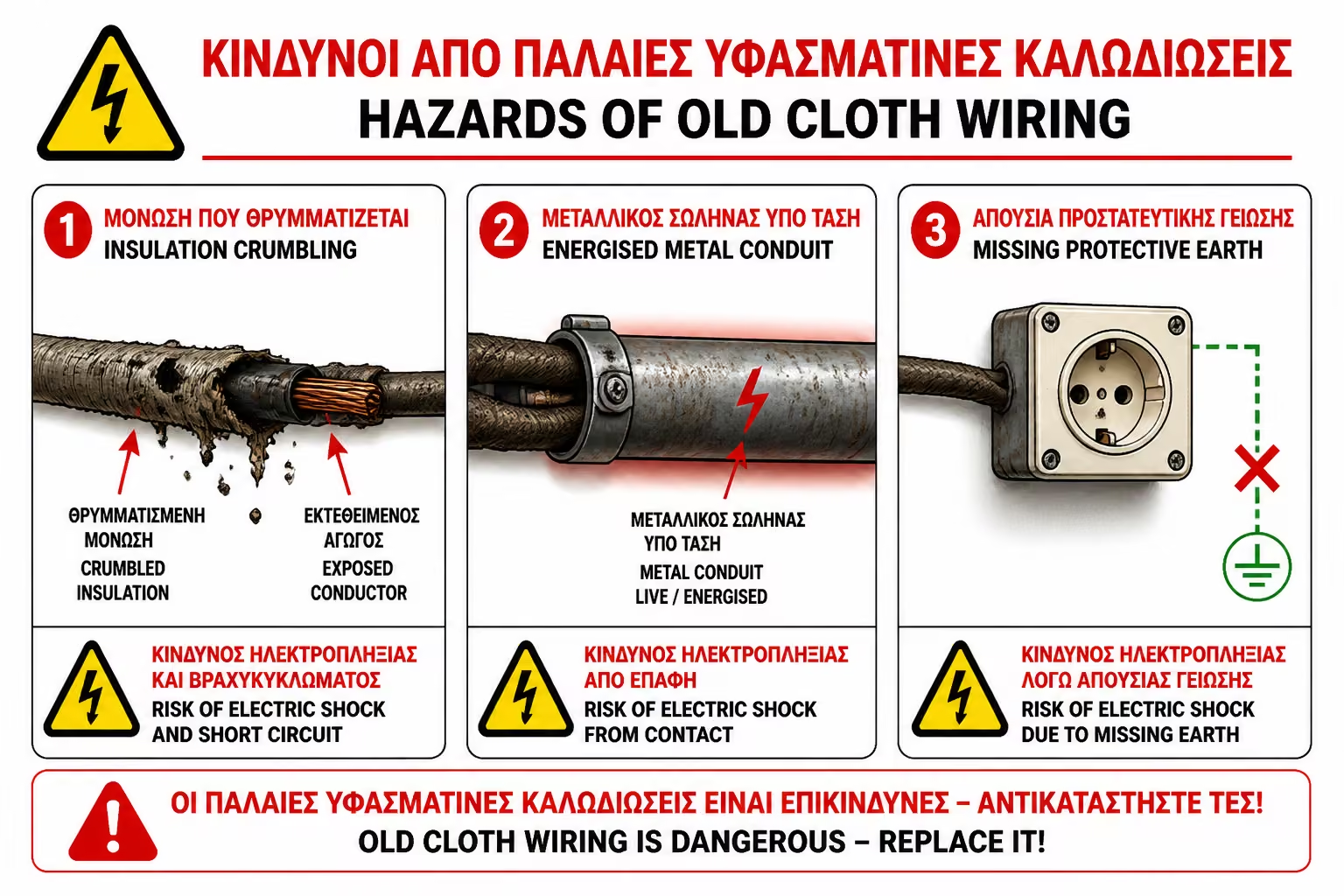
Cloth does not age like modern PVC. It dries, tears and crumbles much more easily once moved or stressed.
Once the insulation collapses, the bare conductor can contact the metal tube, creating an immediate short-circuit and leakage hazard.
The most serious dangers in these installations are not visible at a glance. They usually reveal themselves only when someone attempts a repair, replaces a fitting or tries to add a new circuit.
As soon as the conductor is moved, the cloth insulation may literally crumble in the electrician’s hands. At that point the copper is exposed and a short circuit becomes a matter of luck.
If the bare conductor touches the metal tube and there is no proper earthing, the whole metal route can become energised, creating a genuine electric-shock risk.
Most homes of this type do not provide modern protective earthing throughout the installation. Lights and sockets may still appear to work, but the core defence against electric shock is missing.
This is the question everyone asks once they hear the cost of a full replacement. In theory it sounds attractive: leave the walls alone and simply pull new conductors through the old metal conduits.
In practice, the chances of success are low and the reliability is poor. Bergmann routes are often filled with remnants of old insulation, corrosion and deformation that prevent a safe cable pull.
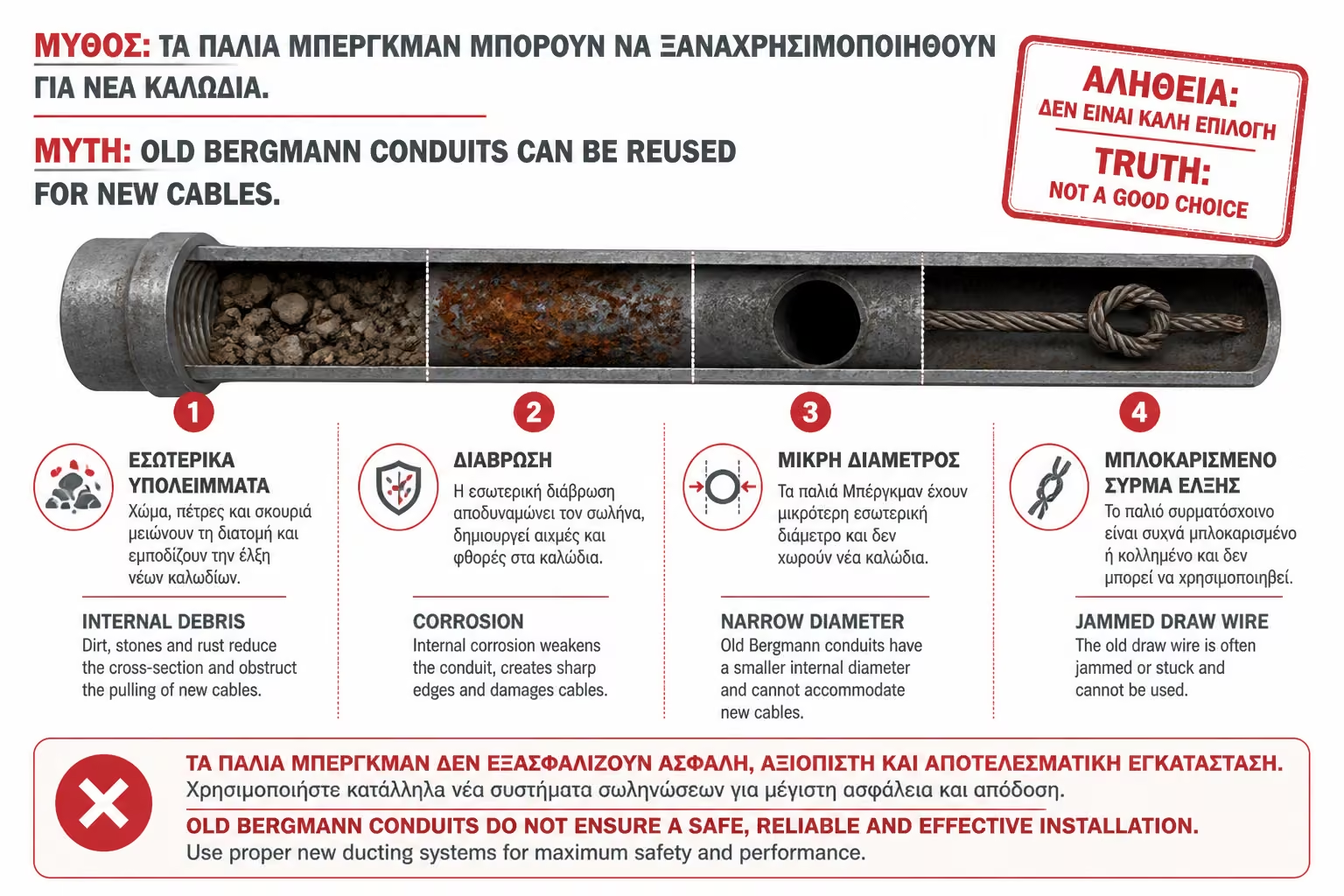
Bitumen lining and remnants of old insulation stick, obstruct and damage any new conductor being pulled through.
The routes are narrow, the bends are often harsh and new cable can be damaged easily during pulling.
A cable that physically fits does not mean the route is suitable, properly earthed or safe for the next decades.
When Bergmann routes and cloth wiring are found in a home, there is one technically honest answer: complete replacement of the old network, with new conduits, new conductors, a new panel and modern protective earthing.

A full renovation creates infrastructure you can trust, not a system that merely “still works” out of habit.
The new network can work correctly with modern RCDs, proper protective earth conductors and contemporary safety devices that cannot be added reliably on top of the old base.
You remove the anxiety of hidden defects, random faults and the ongoing fear of fire or electric shock.
In the new renovation, ask for photos, routing records and circuit documentation. That prevents the next generation from inheriting another invisible network of unknown logic.
💡 Bergmann is not an example of “old but dependable” construction. It is a clear sign that the installation has reached the end of its life cycle.
Return to category.
Go to categoryReturn to the central guide.
Go to guide