Designing Exterior Installations: Wiring for Gardens, Pools and Outdoor Lighting

Outdoor electrical work is one of the most neglected parts of a building, even though it faces the harshest conditions of all: water, soil, impact, gardening tools, rodents and relentless ultraviolet exposure.

If the exterior network is improvised at the end of the project, the result is predictable: nuisance RCD trips, cut cables and leakage faults. The right approach is to engineer it from the start rather than treat it as an afterthought once the paving and planting are finished.

1. Underground Wiring: The 50 cm Rule

The most serious mistake in Greek gardens is burying ordinary indoor cable or lightweight flexible conduit just below the soil surface. That means the first planting job, the first shovel or the first season of heavy moisture can turn the installation into a hazard.

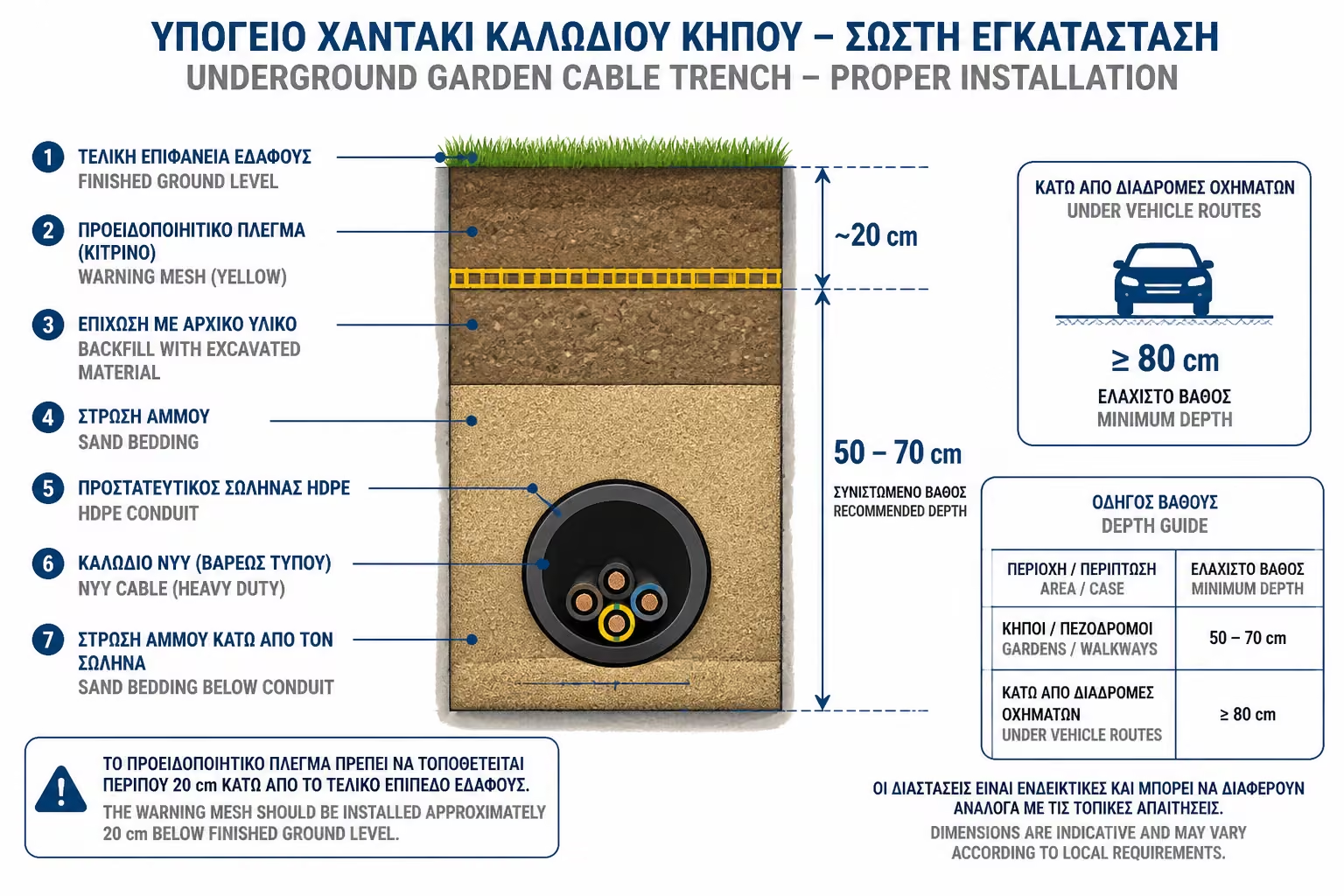
A proper underground installation needs the correct cable type, a protective conduit, controlled burial depth and clear warning measures so future work on the site does not accidentally strike a live electrical route.

Underground garden cable route inside protective conduit

⚫ The correct cable

For underground use, a heavy-duty cable such as NYY is required, with black outer sheathing and reinforced insulation against moisture, mechanical stress and UV radiation. Standard indoor residential cable is not intended for direct exposure to ground conditions.
🧱 Conduit and depth

The cable should never be placed bare in soil. It runs inside rigid or semi-rigid HDPE conduit, typically buried 50 to 70 centimetres deep. Under vehicle routes the depth should increase further to protect against wheel loads and later excavation.

🏖️ Sand bedding

The conduit should sit on clean sand and then be covered again with sand so water can drain and sharp stones or construction debris do not press directly against the protective pipe.

🚧 Warning mesh

A coloured warning mesh should be placed roughly 20 centimetres below the finished ground level. That way the next person digging will hit the warning layer first rather than the live cable itself.

2. Swimming Pools: The Ultimate Risk Zone

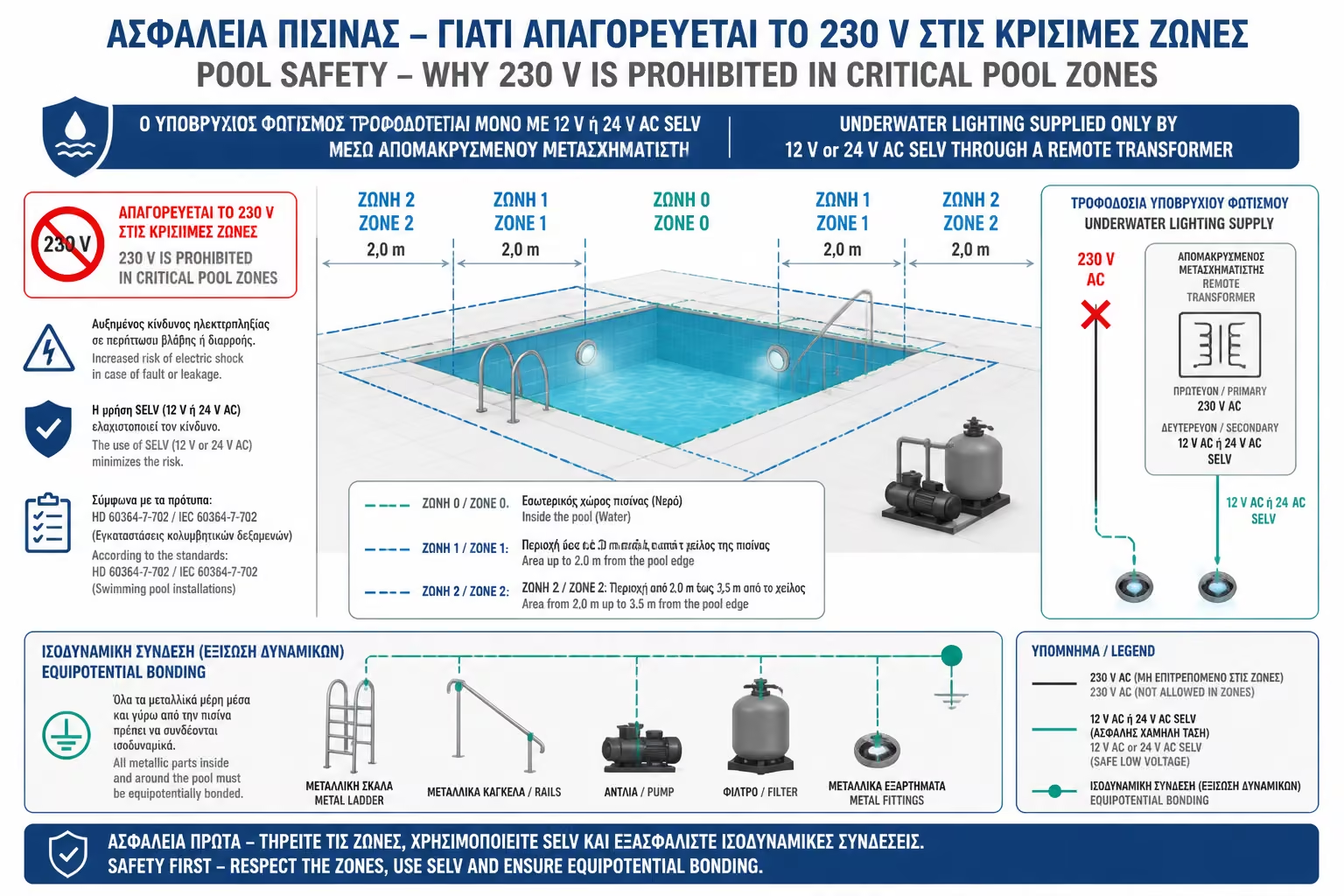
Safe pool electrical design with SELV lighting and grounding

A pool is the most tightly controlled outdoor electrical environment because direct contact between the human body, water and metal is unavoidable. Safety zones and earthing are not formalities here but essential life-protection measures.

⛔ No ordinary 230V in critical zones

Inside the pool and very close to it, ordinary 230V supplies are not acceptable. These areas must be treated as high-risk zones where a wrong fitting or wrong position can create a fatal hazard.

💡 SELV underwater lighting

Underwater luminaires must operate only on extra-low-voltage safety supplies, typically 12V or 24V AC. The transformer that reduces the voltage must stay outside the safety zones, in the plant room or a suitable sealed enclosure.

🪜 Equipotential bonding

Ladders, metal rails, exposed plant components and other conductive parts must be bonded together and connected to the main earthing system. This prevents dangerous voltage differences from appearing where a swimmer can touch them.

📍 Transformers and control boards

Supply equipment should not be placed casually near the pool just because it seems convenient. Its location is part of the design and must satisfy distance, sealing and maintenance-access requirements.

3. Outdoor Lights and Sockets: IP Ratings and Sealed Joints

In exterior areas, a stylish fitting is not enough. The hardware must match the actual exposure level, because a covered veranda and a low-level lawn spotlight watered every evening are completely different electrical environments.

Weather resistance concerns not only the final visible device but every connection point behind it, since moisture often enters through poor junctions rather than through the main fitting itself.

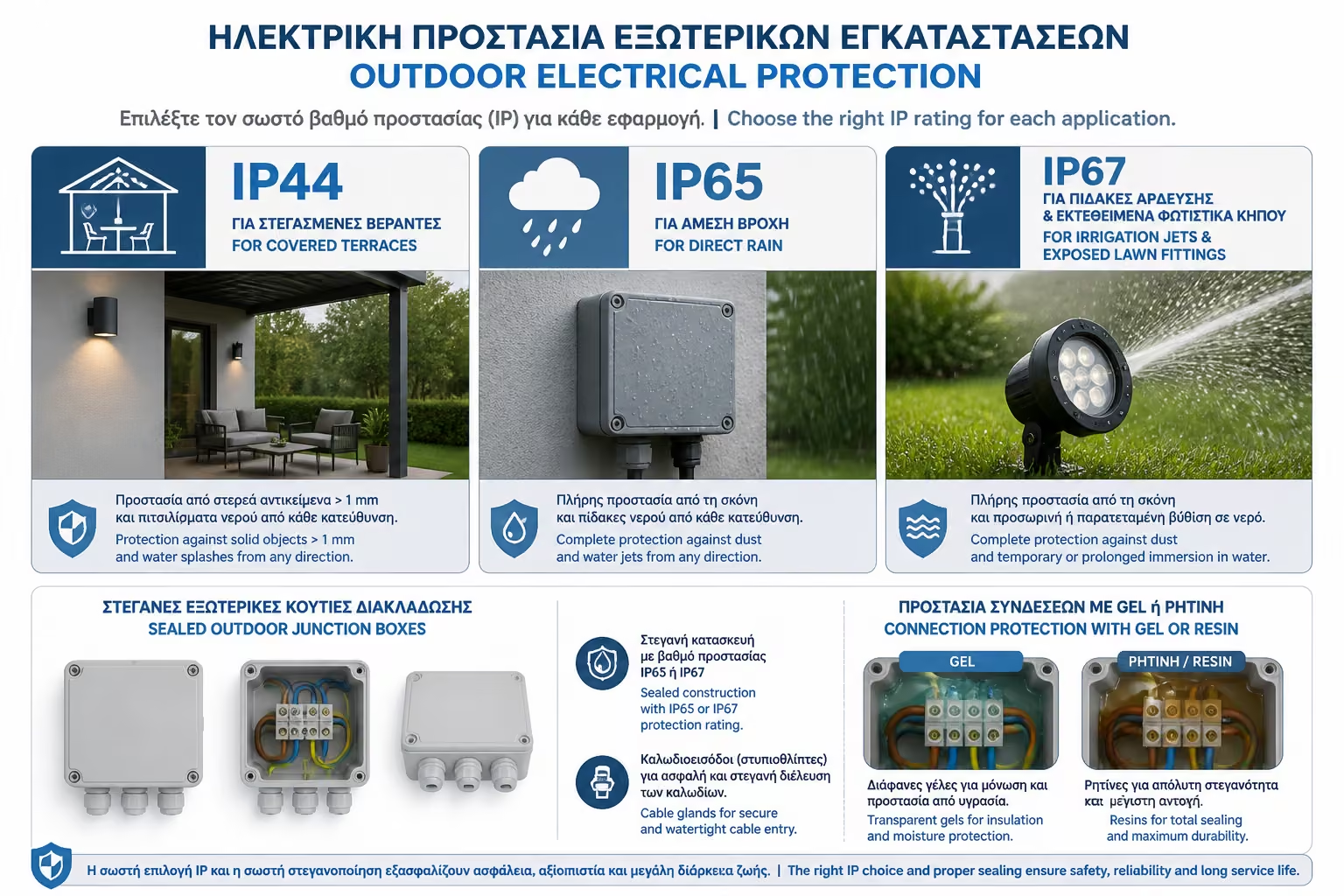
Weatherproof sockets, luminaires and outdoor junction boxes

💧 IP44 for sheltered exterior spaces

On covered terraces and semi-protected outdoor areas, where splashing is possible but direct exposure is limited, sockets and switches should be at least IP44.

🌧️ IP65 or IP67 for direct exposure

Where rain, irrigation jets or heavy dust act directly on the equipment, the requirement rises to IP65 or even IP67 depending on the exact product and the possibility of temporary flooding.

📦 Sealed junction boxes

Outdoor joints are not made with insulating tape. Proper weatherproof boxes, suitable cable glands and, where necessary, gel or resin sealing systems are used so the copper connections do not corrode over time.

🧪 The real test is time

A poor connection may appear to work for weeks and fail in the first winter. The correct IP choice and junction strategy are judged by whether the installation still works after years of rain, irrigation and UV exposure.

4. Independent Circuits and Future-Proofing

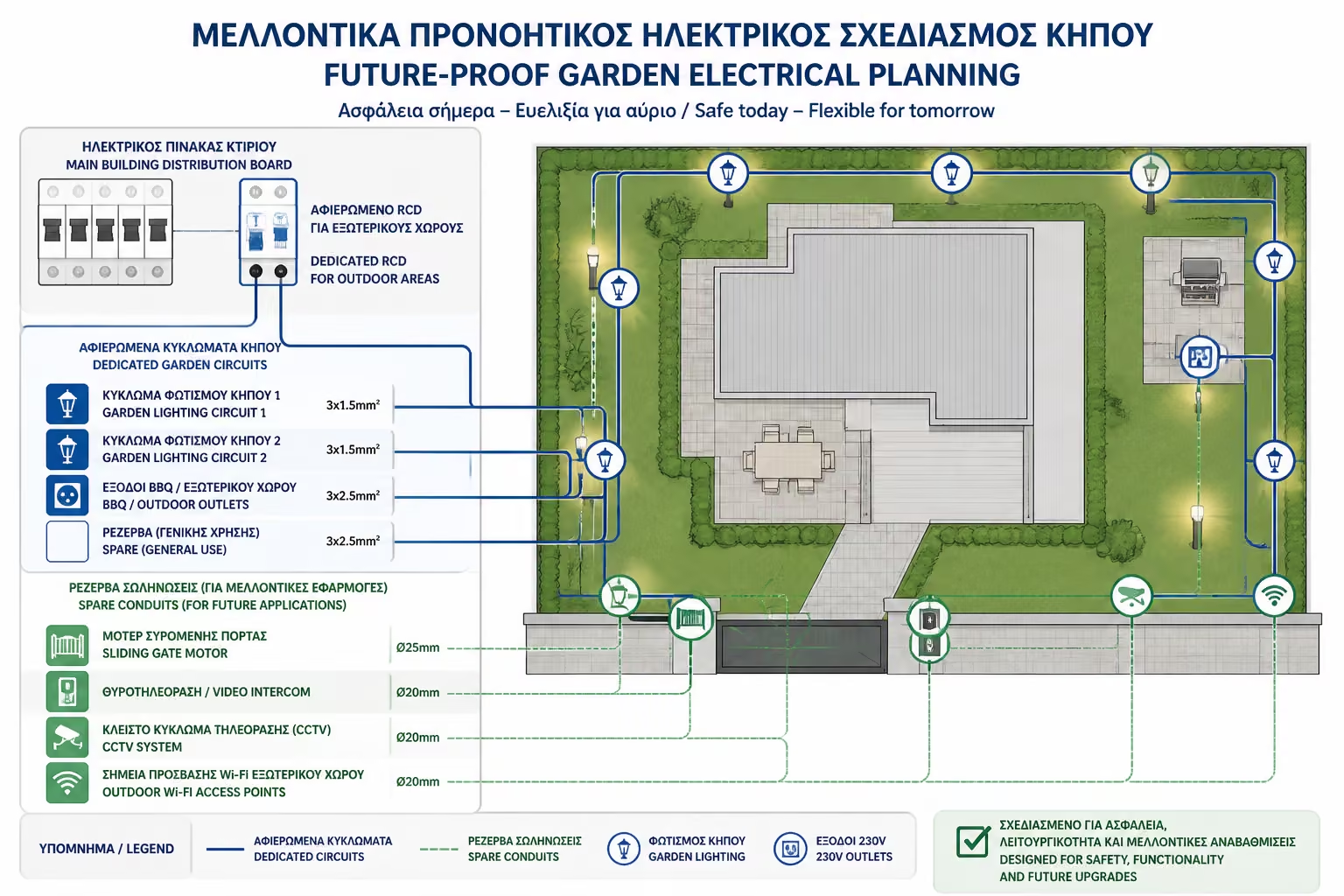
One of the most frustrating mistakes is feeding outdoor lighting from the same RCD as the house interior. Gardens are naturally damp environments, so one faulty spike light can end up blacking out the entire property.

It is equally important to install spare routes now for the systems that usually come later: gate motors, intercoms, CCTV, barbecue-zone outlets, Wi-Fi access points or pergola lighting.

Independent garden circuits and provisions for future outdoor systems

🔌 Separate outdoor RCD

A properly designed board includes an independent residual current device for the garden, gate and perimeter lighting. That way an exterior fault does not shut down the interior of the home or threaten refrigeration and other essential loads.

🚪 Gate provisions

Even if no gate motor or video intercom is fitted today, it is worth installing power and data conduits to the entrance. The cost during construction is small compared with reopening a finished driveway or landscaped front garden later.

🍖 BBQs, pergolas and outdoor living points

Power points for refrigerators, fans, lighting and appliances should be planned before the final hardscaping is complete. Outdoor spaces now function as a true extension of the home rather than a secondary zone.

📶 Cabling for security and network coverage

High points on fences, pergolas or facades should include UTP provisions for cameras and access points. Moving toward a smarter outdoor environment is much easier when the conduits are already in place before finishes are closed up.

⚠️ Once the circuits for gardens and pools are designed correctly, the next step is to convert that design into real available power, utility supply sizing and balanced load allocation across the home.

Related Articles

Preview