How it works
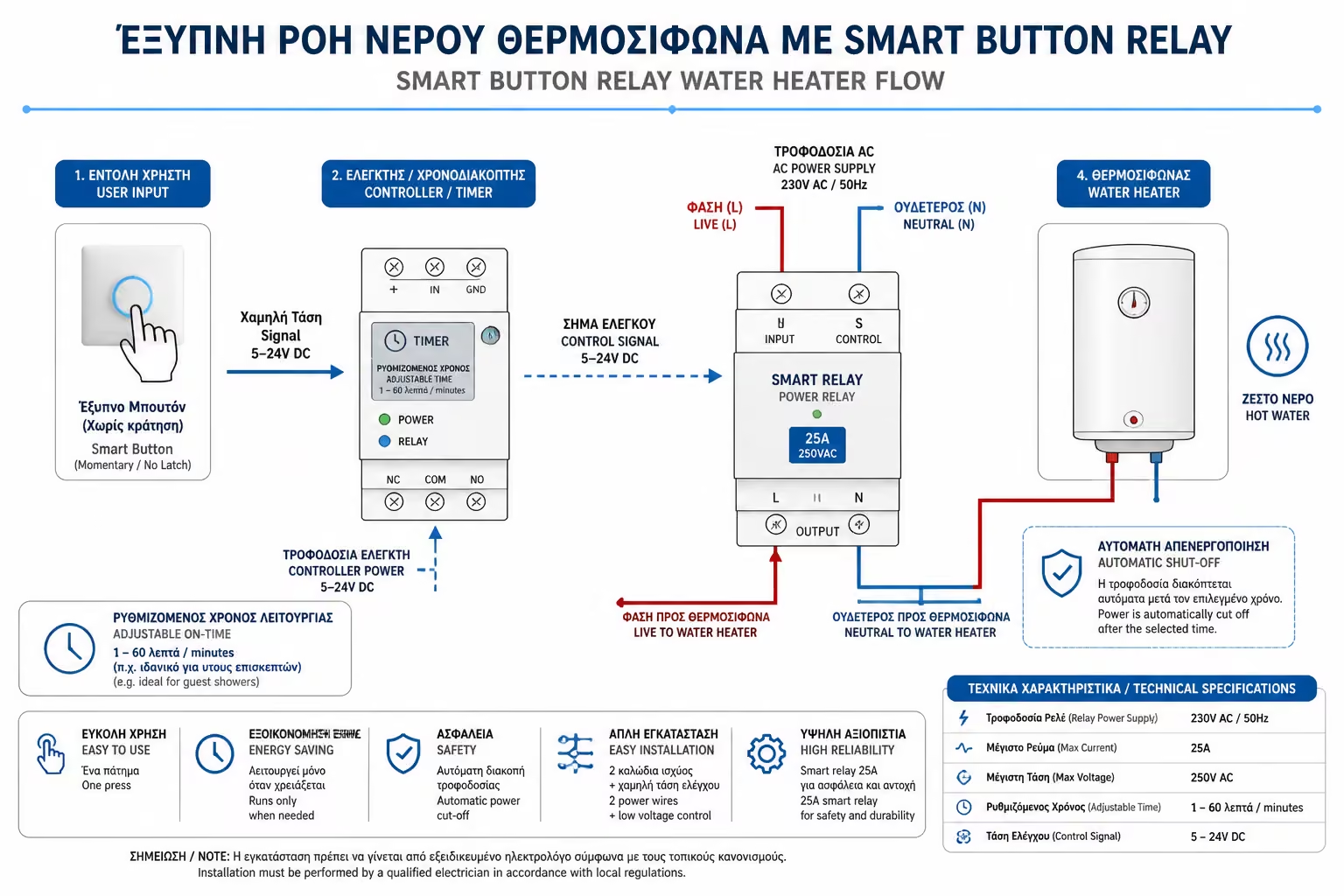
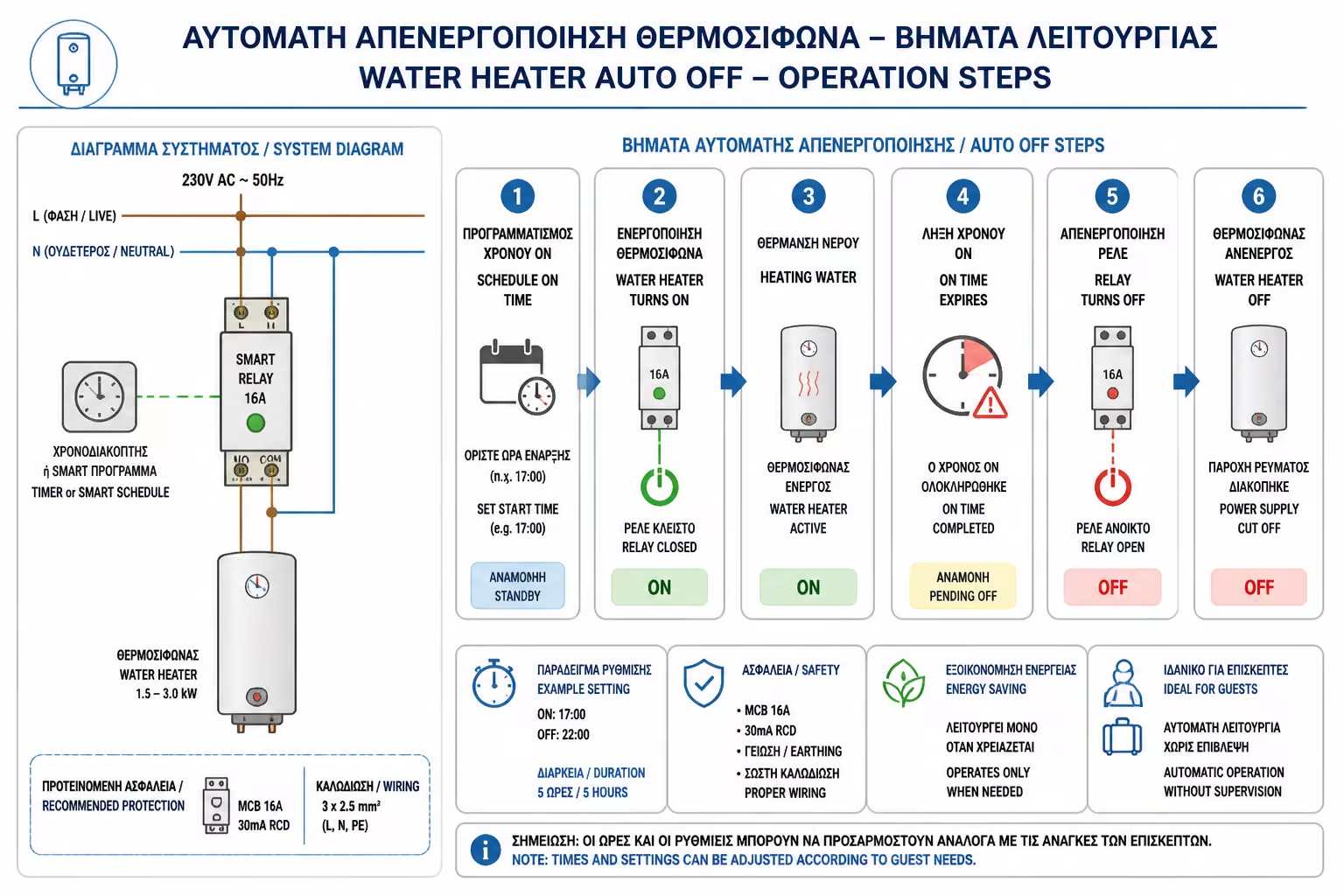
The visitor presses a button on the board. The timer is set by the electrician to supply power for exactly 30, 40 or 60 minutes, and then automatically cut it off.
If the air conditioner is the "thief" of energy, the electric water heater is the... "black hole". With a huge resistance of 4000 Watts (or more), every hour it works costs dearly.
The scenario in short-term rental accommodations is identical: The guest returns from the beach, turns the water heater switch on the panel to take a bath, and then... goes out for dinner forgetting to turn it on. The water heater runs non-stop all night (or until its internal thermostat "cuts out"), wasting huge amounts of energy and straining its resistance.
As engineers, the solution we propose here is absolute: The visitor must never have the physical control (ON/OFF) of the water heater. It should only be able to start it, and the house should take care of the closing. Let's see how this is implemented, from the old school to the modern Smart Home.
This is the most classic method, known to electricians for decades. In the electrical panel, instead of the traditional two-pole switch (the "water heater"), a digital timer is placed.
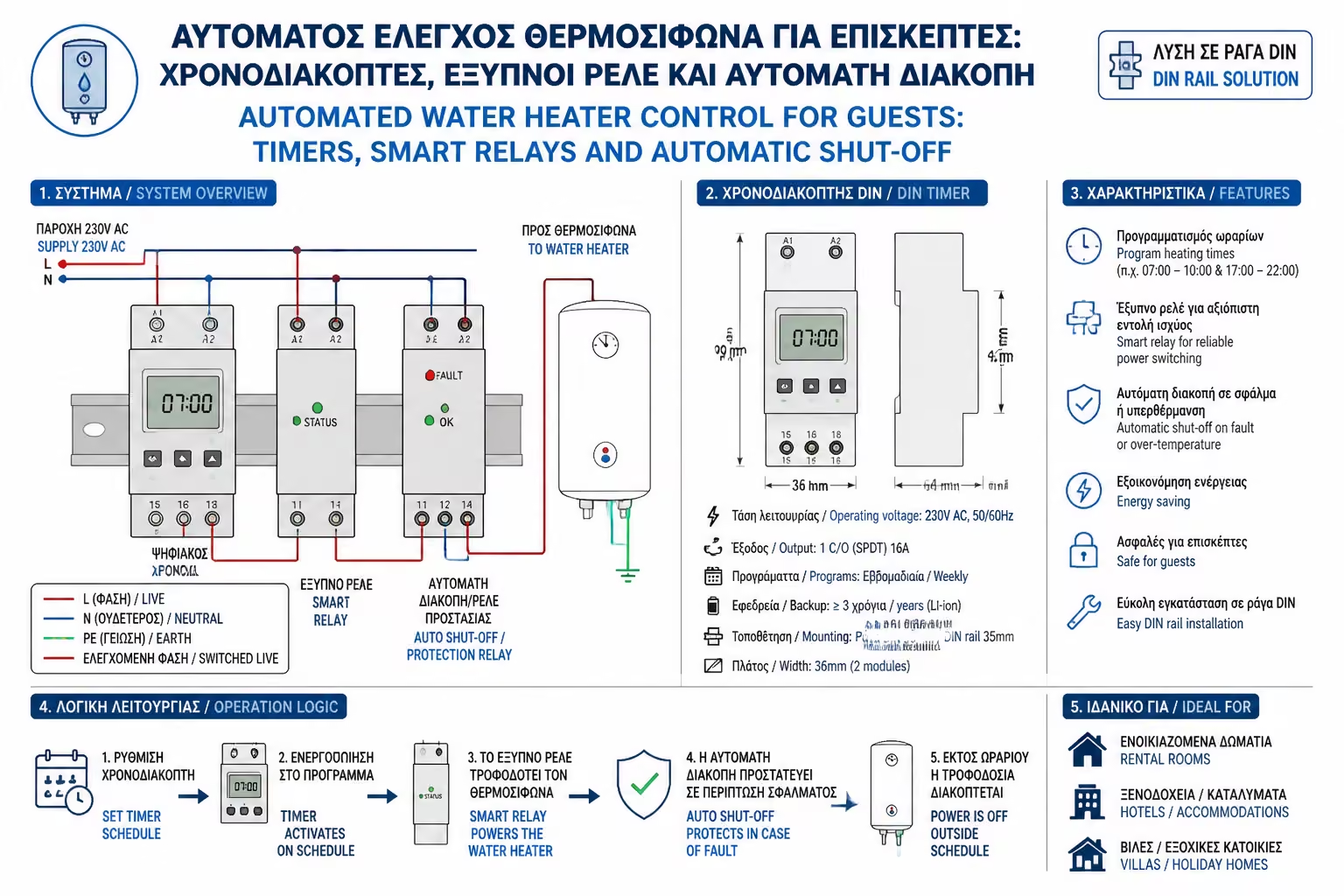
The visitor presses a button on the board. The timer is set by the electrician to supply power for exactly 30, 40 or 60 minutes, and then automatically cut it off.
It is a robust, fully autonomous solution that does not depend on Wi-Fi or the Internet.
It is hardly "user friendly" (UX). The buttons on the digital calendars are small and often confuse tourists. Plus, as the host, you have no remote control over whether you need to turn on the water for him before he gets home.
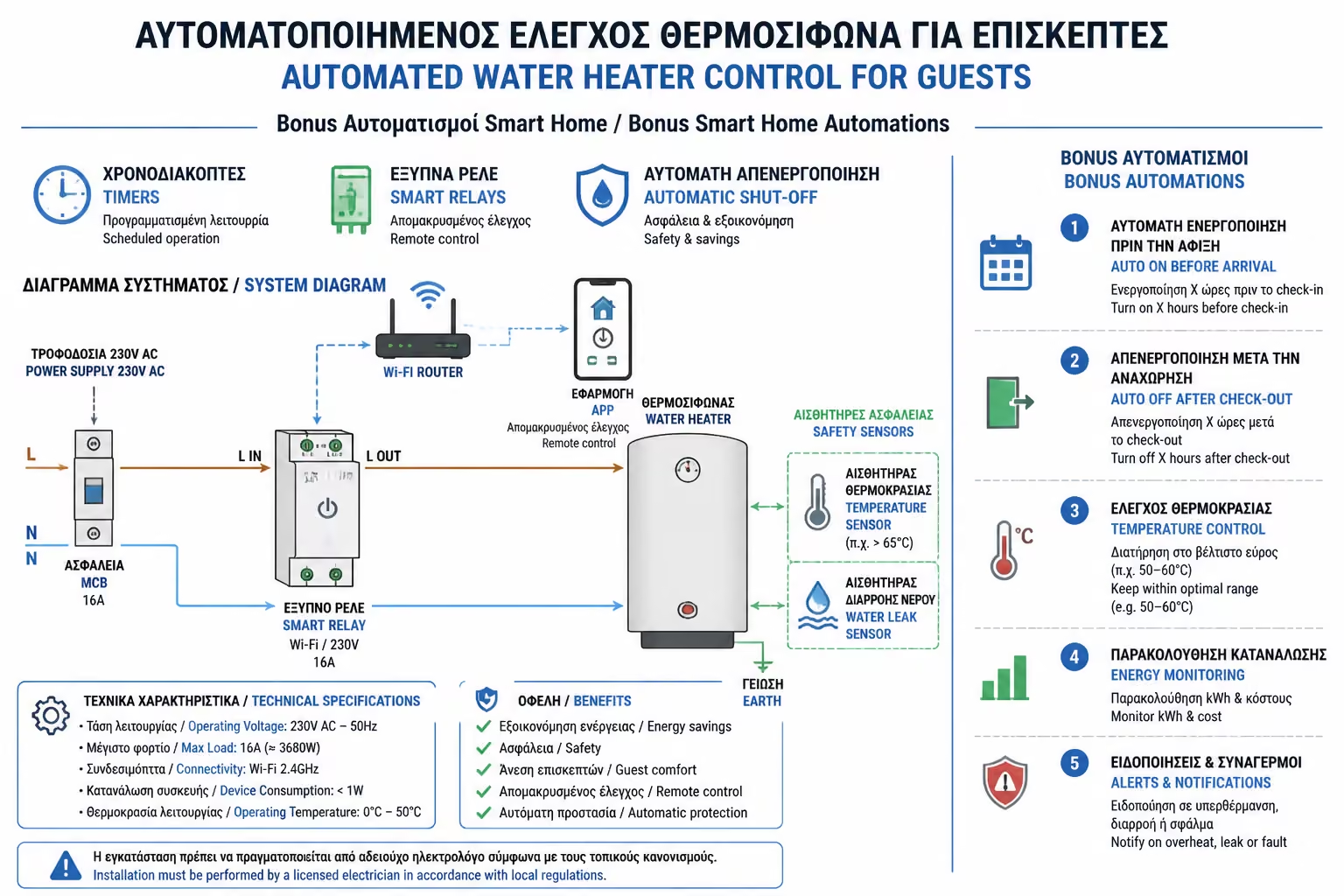
Here is the ultimate, professional solution we apply to modern Airbnb and Boutique Hotels. The purpose is for the visitor to see a simple switch on the wall, while all the "magic" happens on the board.
The Topology (What Materials You Need):
Let's see how this smart infrastructure elevates experience and eliminates waste:
The client wants to take a bath. He walks out of the bathroom, presses the "Button" on the wall once.
The light on the button lights up. The customer understands that the water heater has turned on. It doesn't download any apps, it doesn't search the board.
Once the button is pressed, the Smart Relay on the panel counts down (eg 40 minutes). Once the 40 minutes have passed, the relay "drops" the supply and the light on the button goes out. The water is now hot.
The customer texts you: "We will arrive at the apartment in 20 minutes." You, from your home, press a button on your mobile phone and turn on the water heater. When customers come in, they have hot water right away. You cheered them up with zero effort!
Now having a smart relay on the panel, you can "papades" in cooperation with the rest of the home ecosystem:
If the water heater is on and the house realizes that the customers have left (the door is closed and there is no traffic), the relay turns off the water heater on the spot, even if 40 minutes have not passed.
If the smart leak sensor (Flood Sensor) on the bathroom floor catches water (e.g. the water heater spiral broke), the system immediately cuts the power to the water heater to prevent the risk of electric shock and sends you a notification (Push Notification).
The fight against the unnecessary use of the water heater does not need signs with "requests" to visitors. With an installation cost of around €100 - €150 (Smart Relay + Power Relay + Button + Electrician's Work), the problem is solved once and for all. The customer has the absolute convenience of a simple button, and you the absolute certainty that the PPC "meter" does not spin like crazy when the house is empty.
Next Step: We have seen how we control heavy loads inside our own apartment. But what if you have an entire building of rentals and set up a common room with washers and dryers? How do you ensure customers don't wash... one shirt at a time for free?
Moving on to the super interesting guide: Prepaid Electricity (Prepaid/Coin Meters): How coin-operated or NFC-card meters work (ideal for communal washer/dryers).
Return to category.
Go to categoryReturn to the central guide.
Go to guide