Real-time Monitoring vs. Historical Data: Why you need both metrics to
fully optimize your account
When you enter the world of Smart Energy, you are faced with a barrage
of information. The numbers on your mobile screen flash, the graphs fill
with bars and the notifications beep.
Many users are obsessively focused on seeing "what's on fire right
now" (Live), while others only look at the final figure at the end
of the month. As engineers, our approach is clear: To solve an energy
problem, you need to understand the difference between Power (Watts) and
Energy (kWh). Power is the present. Energy is the past. Let's see why
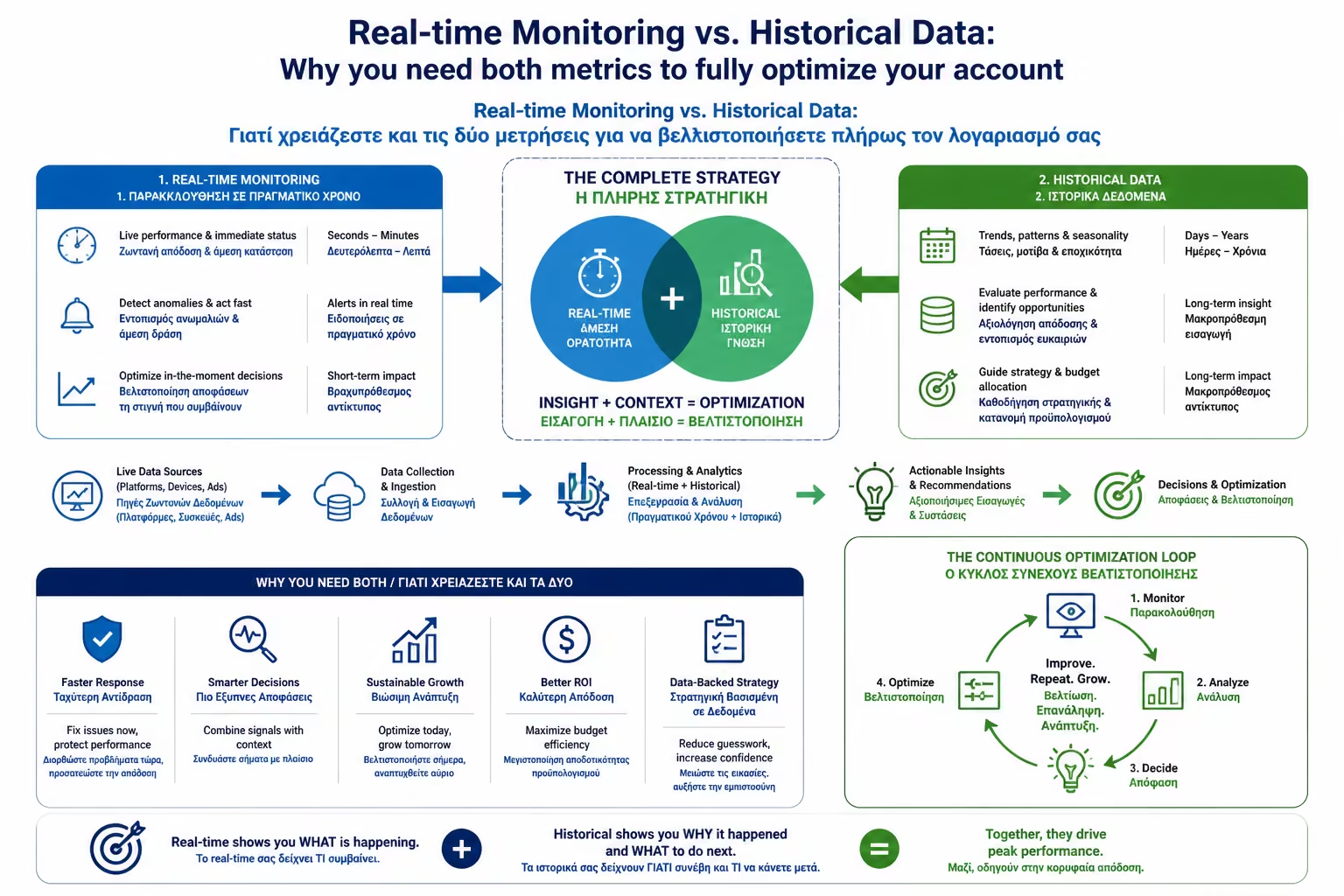
Real-time Monitoring and Historical Data are two sides of the same coin
and how they work together to zero waste.
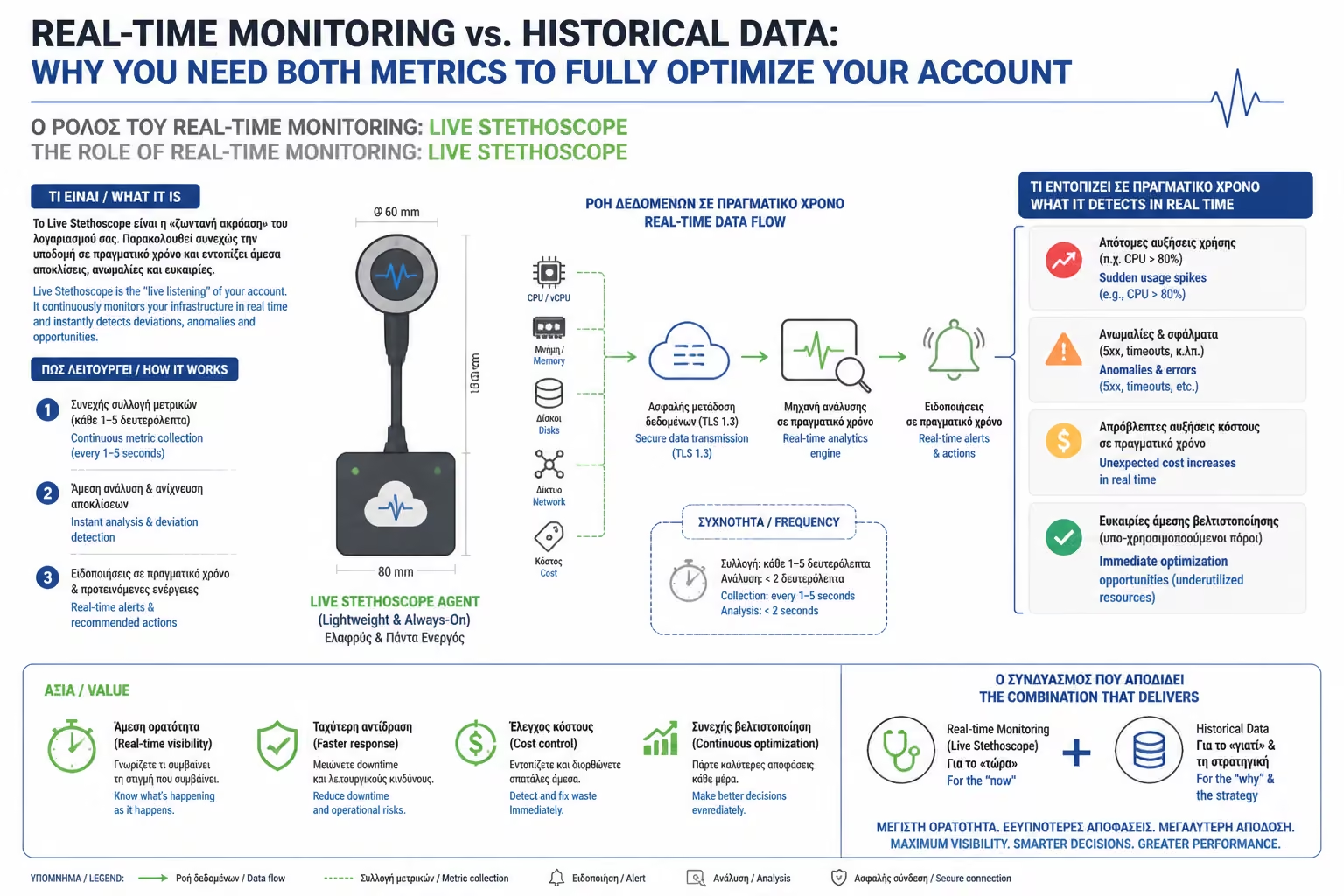
1. Real-Time Monitoring: The "Stethoscope" of the Home
Real-time tracking is about the now. It shows you the Power (Watt or
Kilowatt) that the building or a certain device is absorbing at the
moment you look at the screen.
What is its purpose? Real-Time is not used to calculate your bill. It
is used exclusively for immediate action, diagnosis and safety. It's
your electronic "stethoscope".
When you use it:
Troubleshooting
The central panel fuse keeps going down and you don't know why. You
open the Live graph, start turning on the devices one by one and see
live which device is "shooting" the Amperes over the limit
(eg you find out that the old oven is drawing 4500W momentarily due
to a short circuit).
Vampire Power Hunt
As we analyzed in a previous chapter, at night when everything is
off, the Live number must be minimal. If you see 400W live
consumption at 03:00 in the morning, you go on "safari"
(unplugging) until the number on the screen drops.
Instant Notifications
The Push Notifications (seen in the previous article) about the
forgotten water heater or broken freezer are 100% based on real-time
data.
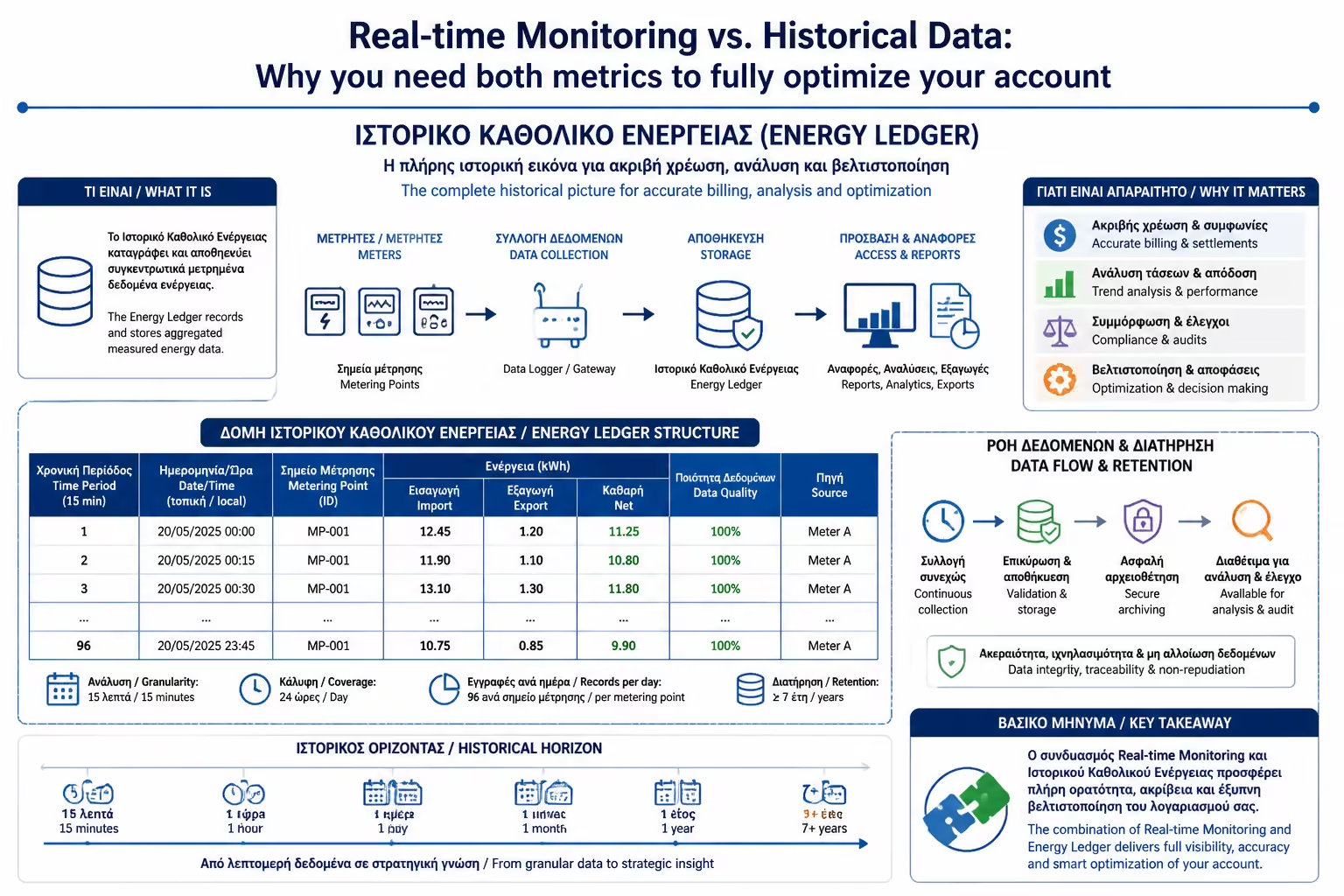
2. Historical Data: The "Book of Accounts"
Historical data refers to the time that has passed. It is the
accumulation of power over time, which gives us Energy (Kilowatt hours
- kWh).
What is its purpose? This is where the money is. Historical data
doesn't help you prevent a fire, but it helps you plan budgets, change
habits, and amortize investments. It is the "account book"
of your home.
When to use them:
Comparison and Budgeting
Compare this July with last year. You see the trend. Was it a warmer
month or were this year's Airbnb renters more wasteful?
Payback Calculation (ROI)
You paid €1,200 to throw away the old, energy-consuming air
conditioner and got a new, A+++ Inverter. How will you know if it
was worth it? You look at the historical data of the old (eg 150
kWh/month) and compare it to the new (eg 60 kWh/month). You see the
savings in euros and know exactly how many months you will pay off
the machine.
Cost Sharing
To legitimately charge the tenant (Cost Allocation), Real-time is
useless. You need the historical file (CSV/Excel) with the total kWh
of the month.
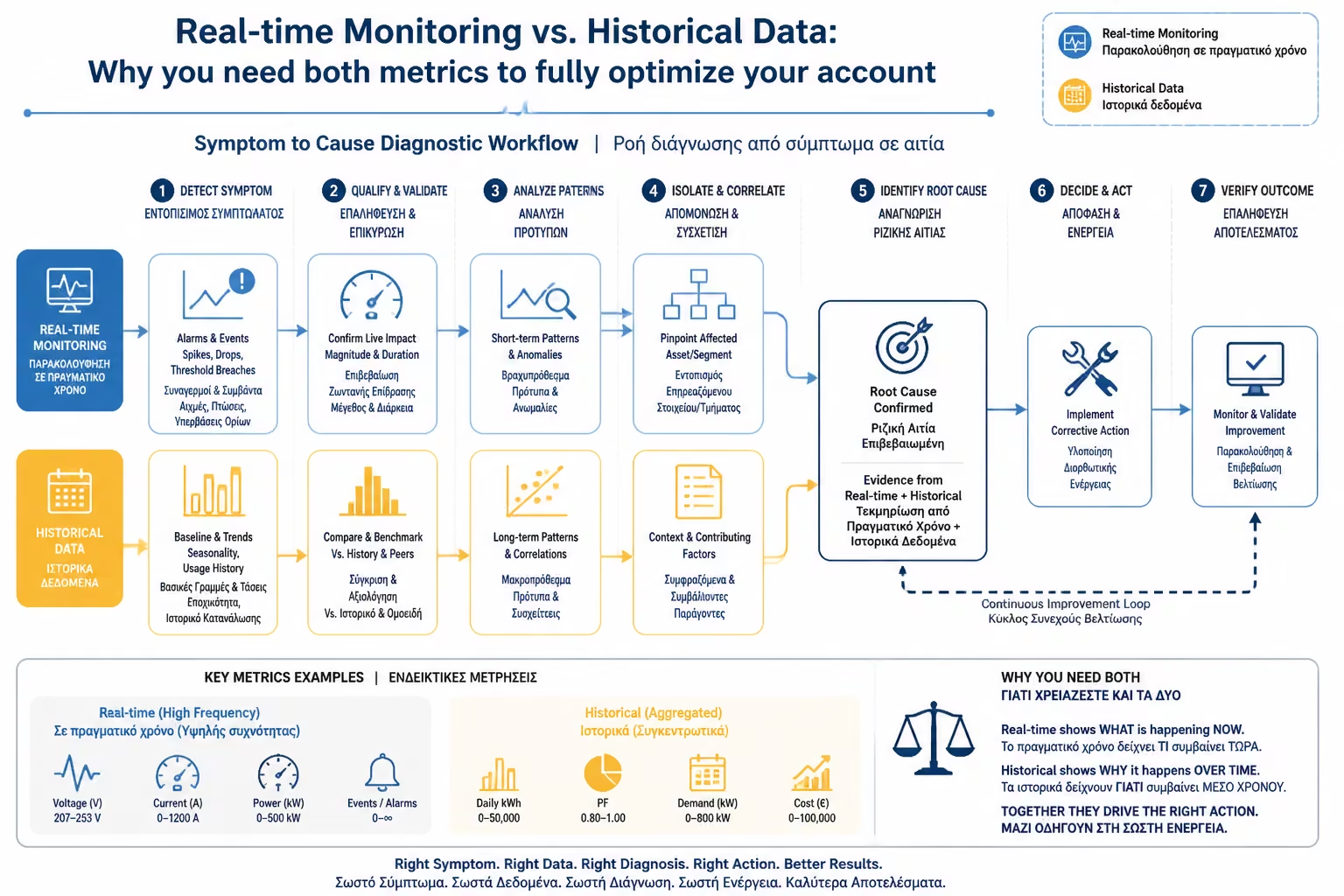
3. The Perfect Partnership: From Symptom to Treatment
The magic of the modern Smart Home lies in the collaboration of these
two. Often, History shows you that there is a problem (Symptom), and
Real-Time helps you find the solution (Treatment).
The Script:
History means alarm: You open Excel with the previous month's data
and see that the total consumption increased by 30% compared to last
year, even though the weather conditions were the same. You don't
know why, but you know something is wrong.
Real-Time provides the solution: Having the suspicion, you start
watching the Live chart daily. You find that the pool pump motor,
instead of running steadily at 800W as it should, spikes at 1500W
every few minutes, a sign that its bearings have worn out and it is
straining, burning electricity.
The Action: You call the technician, he fixes the pump, and the next
month your History returns to normal levels.
Summarizing
Don't fall into the trap of only looking at one of the two. If you're
only looking at Live, you'll get stressed watching the numbers go up
and down every time you turn on the hair dryer, missing the "big
picture". If you only look at History (the checking account), you
will always be "after the holiday", paying for errors that
you could have prevented. Proper energy management requires one eye on
the present (Real-Time) for safety, and the other on the past
(History) for economy.