Electrical Fire: Why You Must Never Use Water and Which Extinguisher Actually Belongs Near the Panel

You've followed the smell of burnt plastic we discussed in the previous article, but you've arrived too late. The outlet behind the couch, the power strip with the TV, or even worse, the central electrical panel itself has caught fire.

In a crisis like this, most people fall back on the oldest reflex of all: "Bring water, now."

In the case of electrical fire, this instinctive move may turn out to be the last mistake you make. Extinguishing live equipment fires requires special tools and a "cool" mind. Let's see why water is the absolute enemy, what is the correct step-by-step protocol, and what is the fire extinguisher that every home should have.

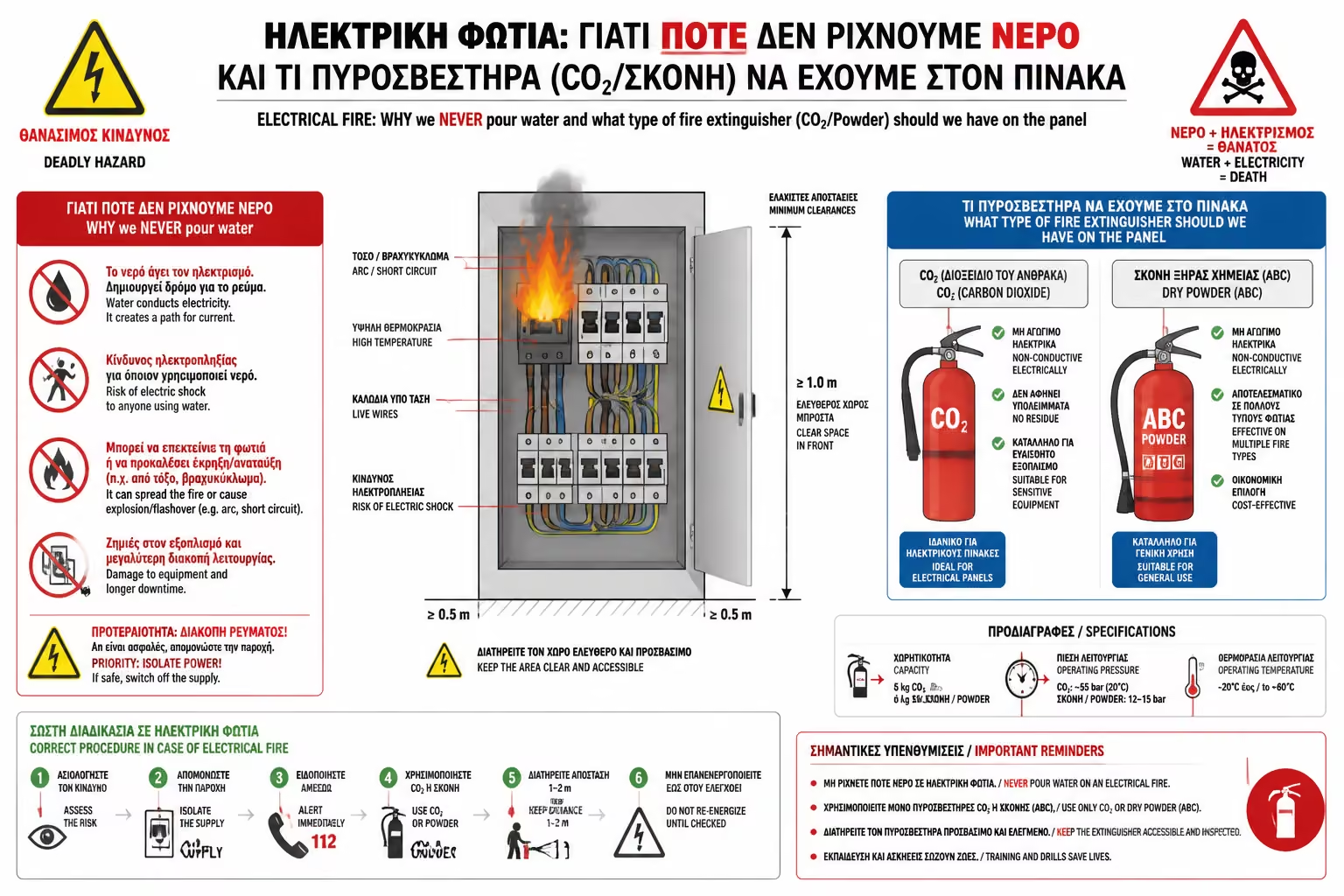
1. The Deadly Combination: Why Water Kills

When we studied physics in school, we learned that pure, distilled water (H2O) is an insulator. In real life, however, tap water is never clean. It is full of salts, minerals and trace elements which turn the water into an excellent conductor of electricity.

What happens if you throw a glass or bucket of water on a burning TV that is plugged in?

  • The solid "column" of water that leaves your hand and hits the device creates a bridge.
  • The device's 230V current finds its way out, travels instantaneously through the water in the air, reaches your wet hand, passes through your heart, and ends up on the floor.
  • The result is not just the spread of fire (as sparks will fly everywhere), but a fatal electric shock to the one who threw the water.
  • Note: The same applies to Foam or Water extinguishers. It is strictly forbidden to use them with electricity.

Illustration for 1. The Deadly Combination: Why Water Kills

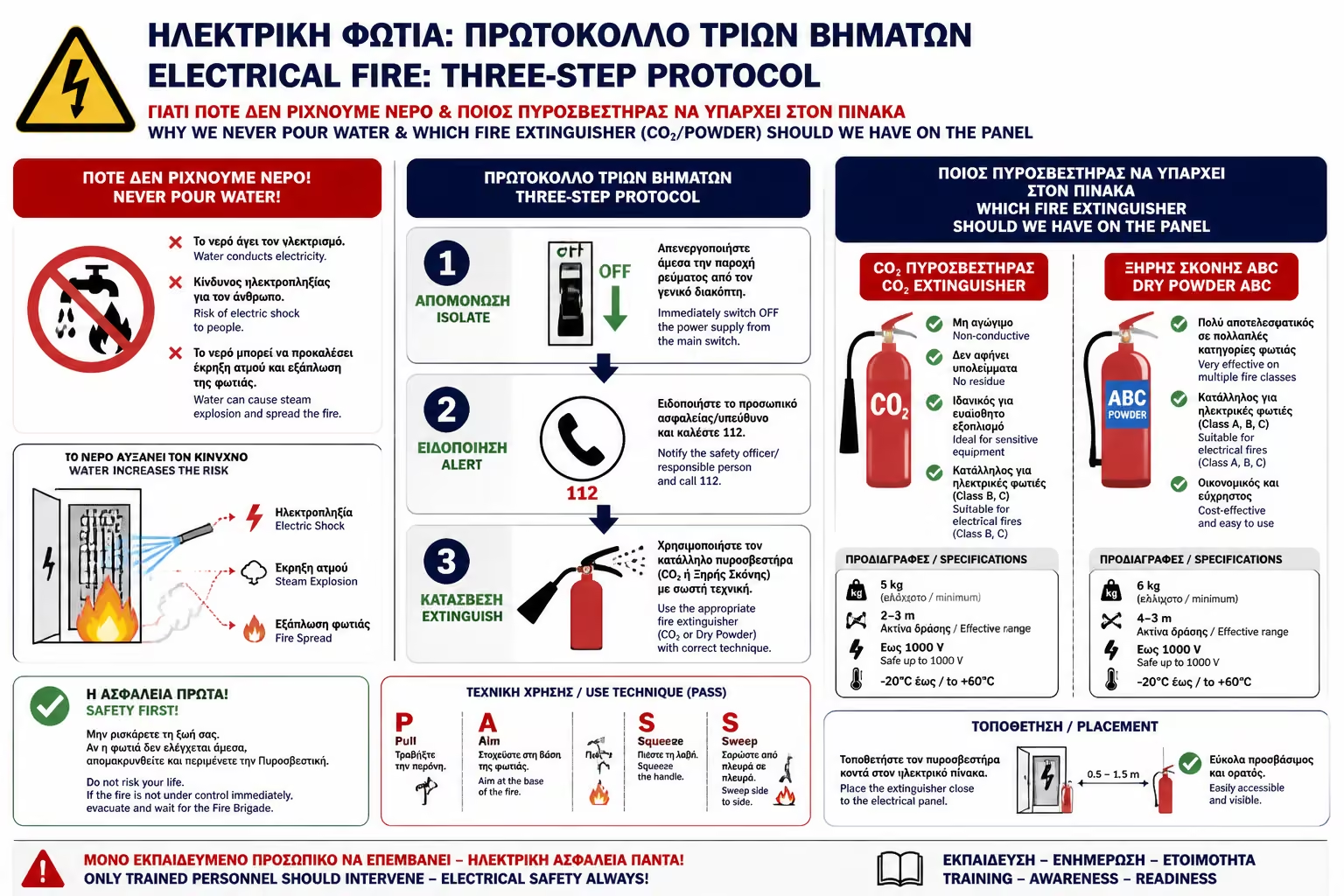
2. The 3-Step Protocol (How we react)

Illustration for 2. The 3-Step Protocol (How we react)

The correct response follows a clear three-step order: isolate the power source, assess whether the fire is still controllable, and call the fire service without delay.

Step 1: Isolation (Cut the "Fuel")

The fuel behind an electrical fire is the electrical supply itself. If you can reach the panel safely, switch off the main breaker first. Once power is removed, the fire is no longer a live electrical fire and becomes an ordinary combustible-material fire.

Step 2: Risk Assessment

If the fire is still small and contained, and has not spread to curtains or furniture, you may attempt extinction with the correct equipment. If flames are spreading or the room fills with black toxic smoke, evacuate immediately.

Step 3: Call the Fire Department (199 / 112)

Even if you think the fire is out, call the fire service. Electrical fires can smolder inside conduits, junction boxes or wall cavities and flare up again later.

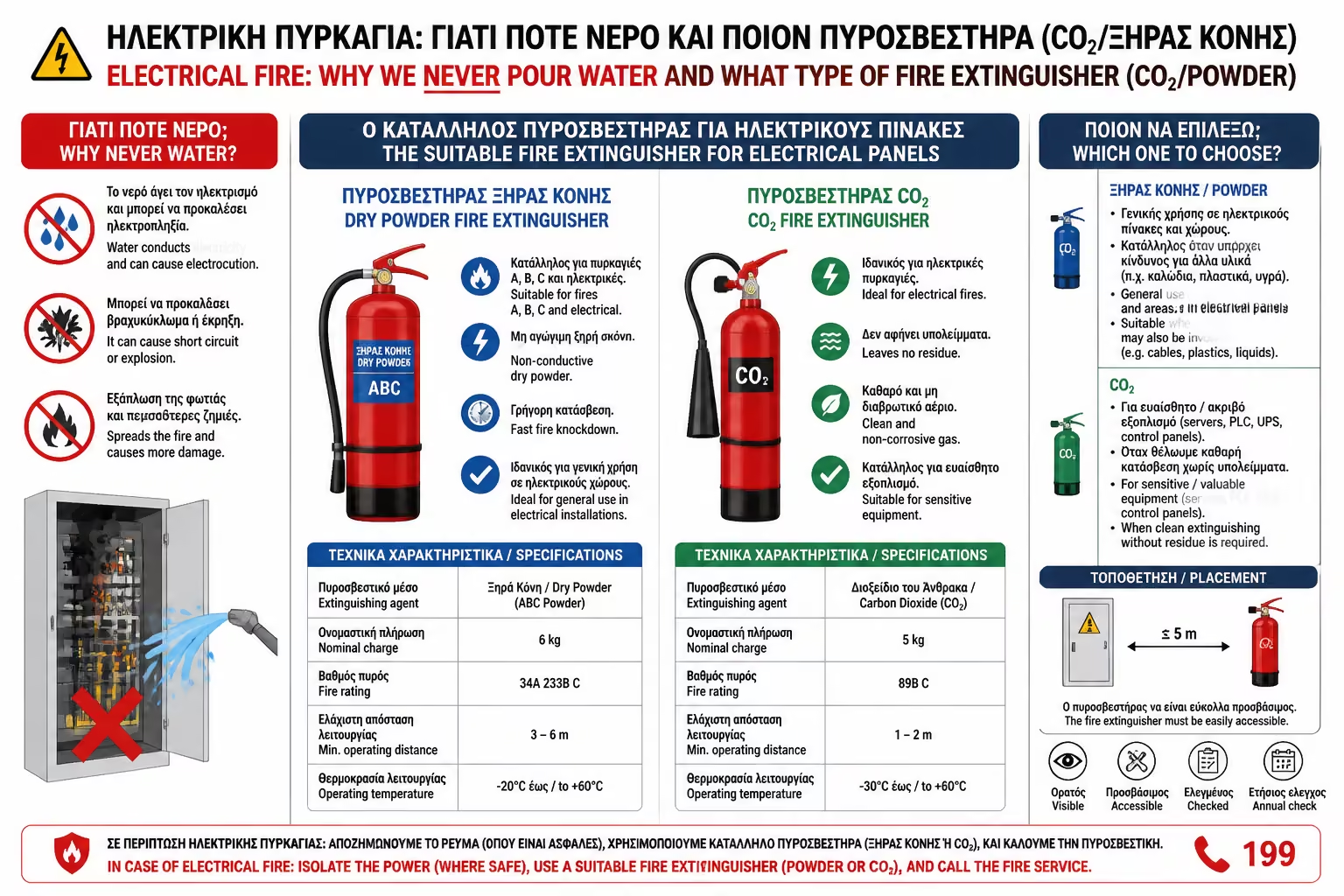
3. The Battle of the Fire Extinguishers: Dry Powder vs CO2

If you cannot turn off the power, you must extinguish the fire while the device is energized. For this purpose, there are two specific types of fire extinguishers (they clearly state: "Suitable for live equipment up to 1000V").

Illustration for 3. The Battle of the Fire Extinguishers: Dry Powder vs CO2

A. Dry Powder Fire Extinguisher (Dry Powder - ABC)

This is the classic red extinguisher found in many buildings. It uses a fine chemical powder to smother the fire. It is affordable, powerful and broadly effective, but it leaves a corrosive residue that can destroy electronics long after the flames are out.

B. Carbon Dioxide (CO2) Fire Extinguisher

A CO2 extinguisher is easy to recognize by its discharge horn. It smothers the fire by displacing oxygen and leaves no residue behind, which makes it ideal around server racks, panels and other sensitive electrical equipment. Its disadvantages are higher cost, freezing discharge temperatures and the need for extra caution in small enclosed spaces.

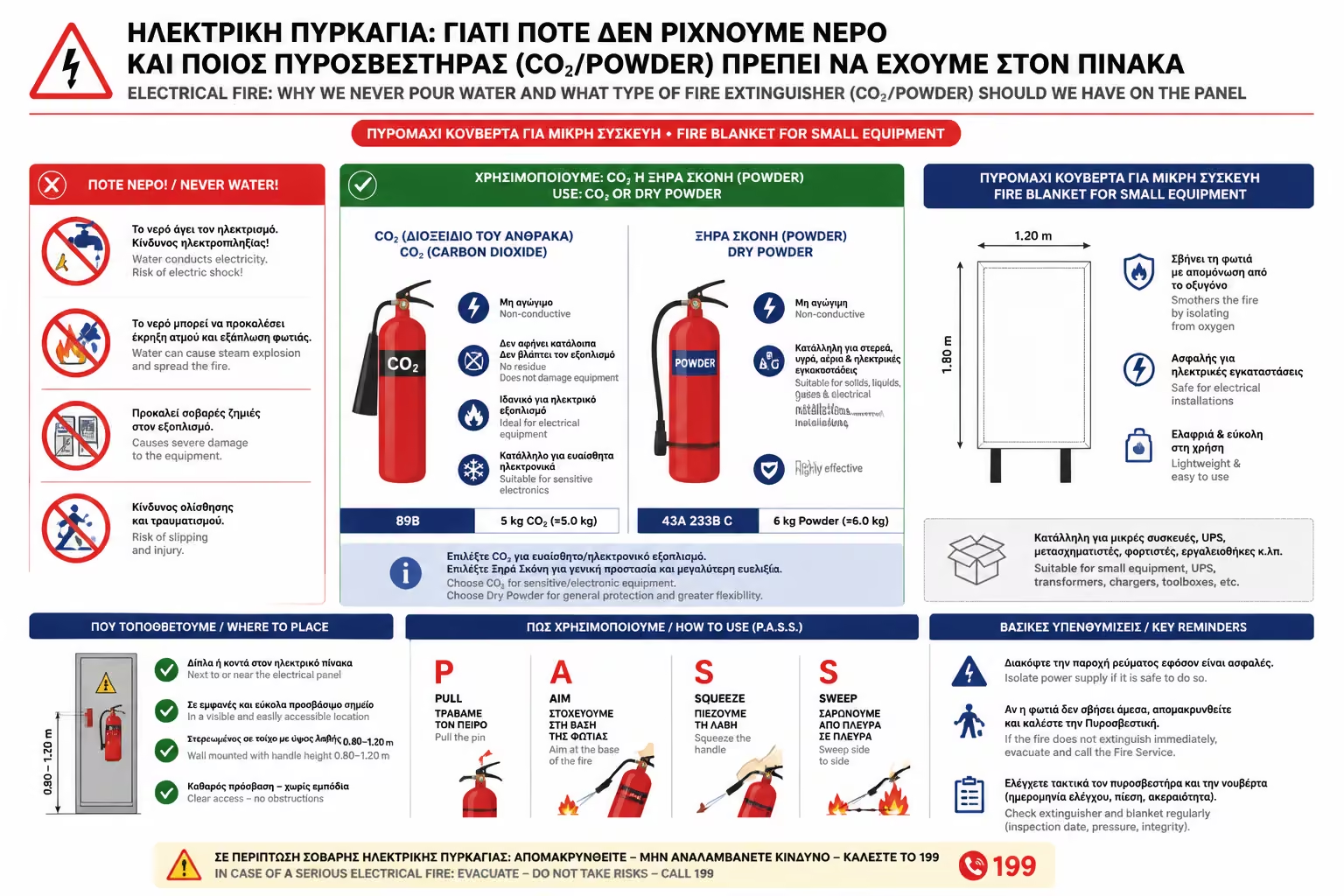
4. The "Unseen Hero": The Fire Blanket (Fire Blanket)

Illustration for 4. The "Unseen Hero": The Fire Blanket (Fire Blanket)

If a small appliance catches fire, such as a toaster or a laptop charger, there is a third useful option: a fire blanket. A fiberglass fire blanket is inexpensive, simple to use and leaves no residue.

  • Remove the blanket from its pouch.
  • Hold it by the protected corners.
  • Lay it gently over the burning appliance, covering it completely.
  • That cuts off oxygen and often stops the fire quietly, without powder, spray or extra mess.

Summarizing

When fire meets live electricity, the rule is simple: cut power first if you safely can, and never use water. Keep the right extinguisher nearby, understand its tradeoffs, and prioritize safe evacuation over property.

Related Articles

Preview