The Ideal Solution
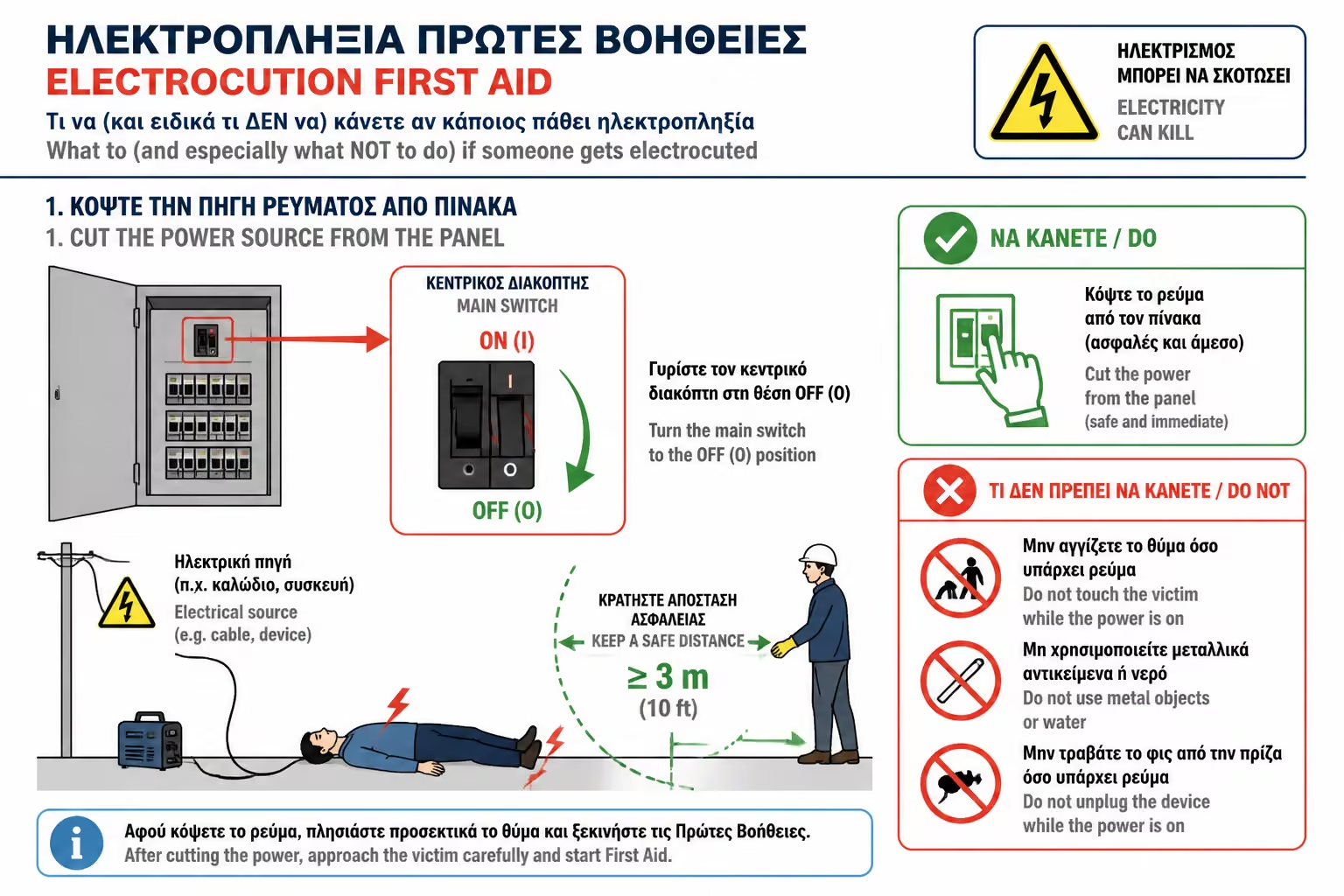
Run to the panel and switch off the main breaker or the RCD. That is the safest way to make sure power has been cut.
It is one of the worst emergencies that can happen at home. You see a loved one "stuck" to an appliance or outlet, unable to let go, and the instinct is to rush in and pull them away.
This instinct can kill them both.
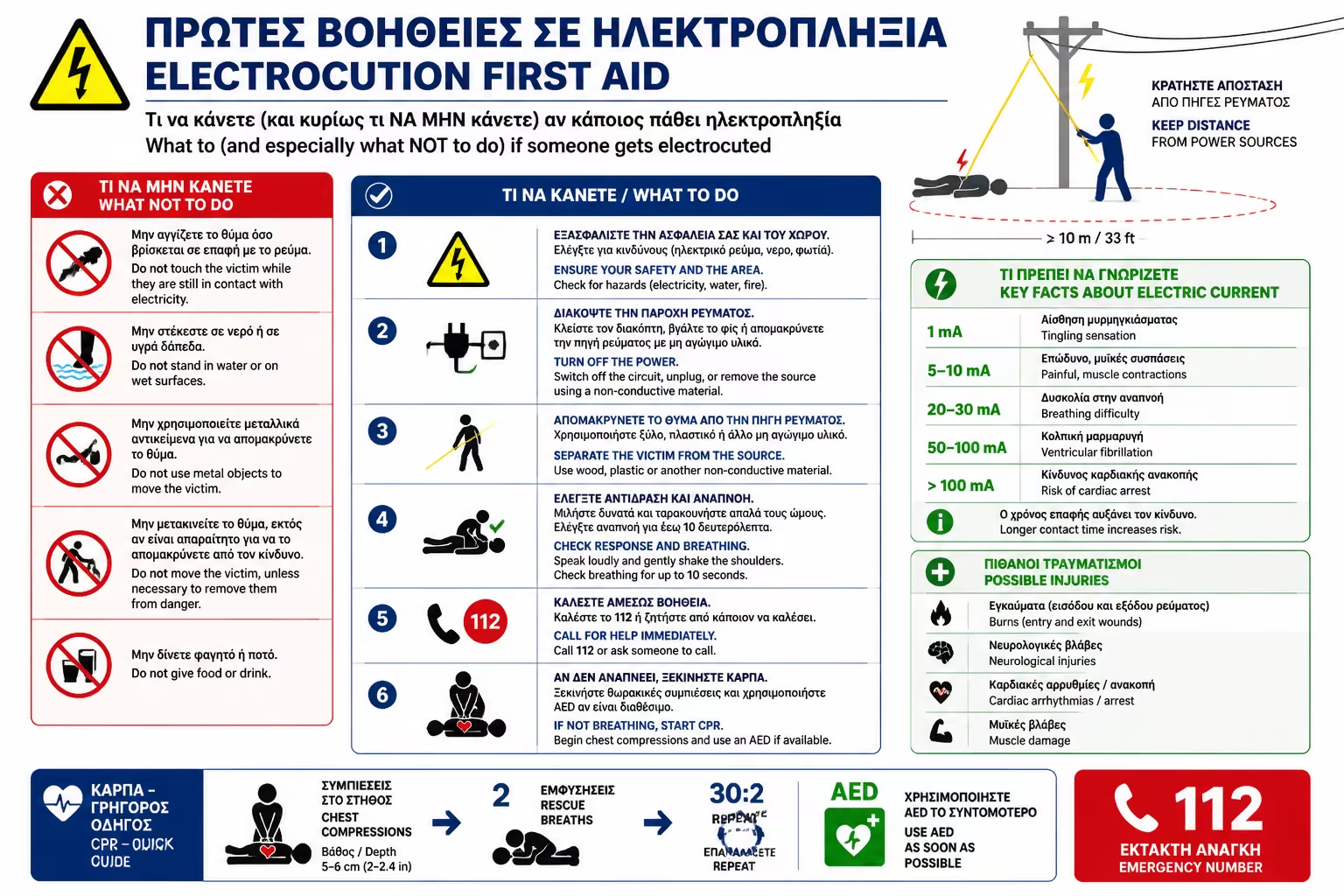
Electric shock is dangerous not only for the victim, but also for the rescuer. Current does not care about intentions. It simply follows the easiest path to ground. The response has to be methodical and disciplined.
The human body consists of 60% water. It is an excellent conductor of electricity. If the victim is leaking 230V current and you grab their arm or shoulder with your bare hands, the current will instantly pass from their body to yours. Your muscles will immediately contract, you'll "stick" to him too, and the area will now have two electrocution victims instead of one.
Your first move is not to the victim, but to the electrical panel.
Run to the panel and switch off the main breaker or the RCD. That is the safest way to make sure power has been cut.
If you can't reach the panel, try to unplug the device from the outlet (firmly grasping the plastic part of the cable) or close the power strip switch.
If you cannot cut power immediately, you must separate the victim from the live source without becoming part of the circuit yourself.
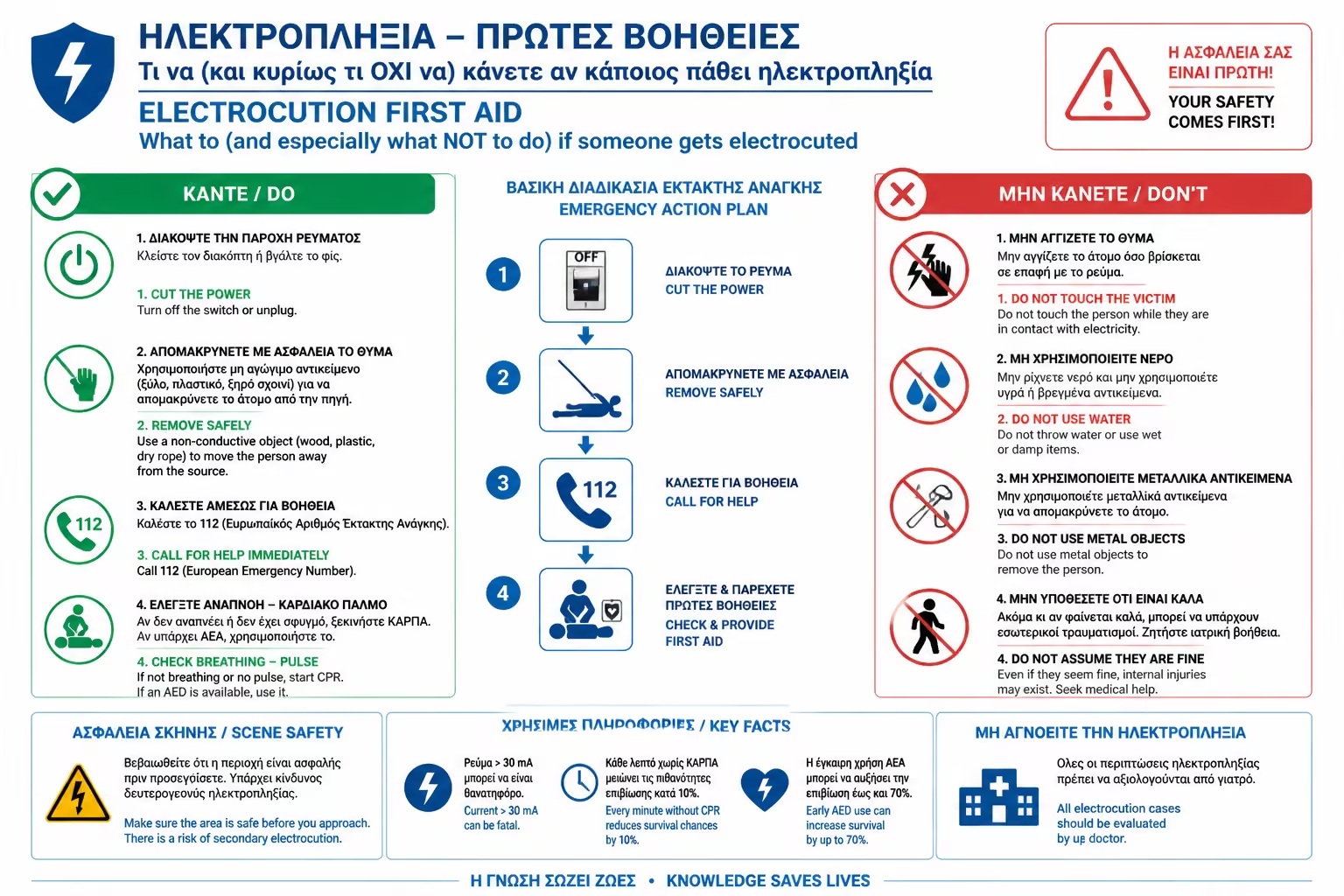
As soon as the victim is free from the current, call emergency services immediately. Even if the person is awake and says they feel fine, medical assessment is still necessary.
The current, as it passes through the body, passes through the heart. It can cause a fatal arrhythmia (ventricular fibrillation) or heart attack up to 24 hours after the event. Every electrocution victim requires an electrocardiogram (ECG) at the hospital.
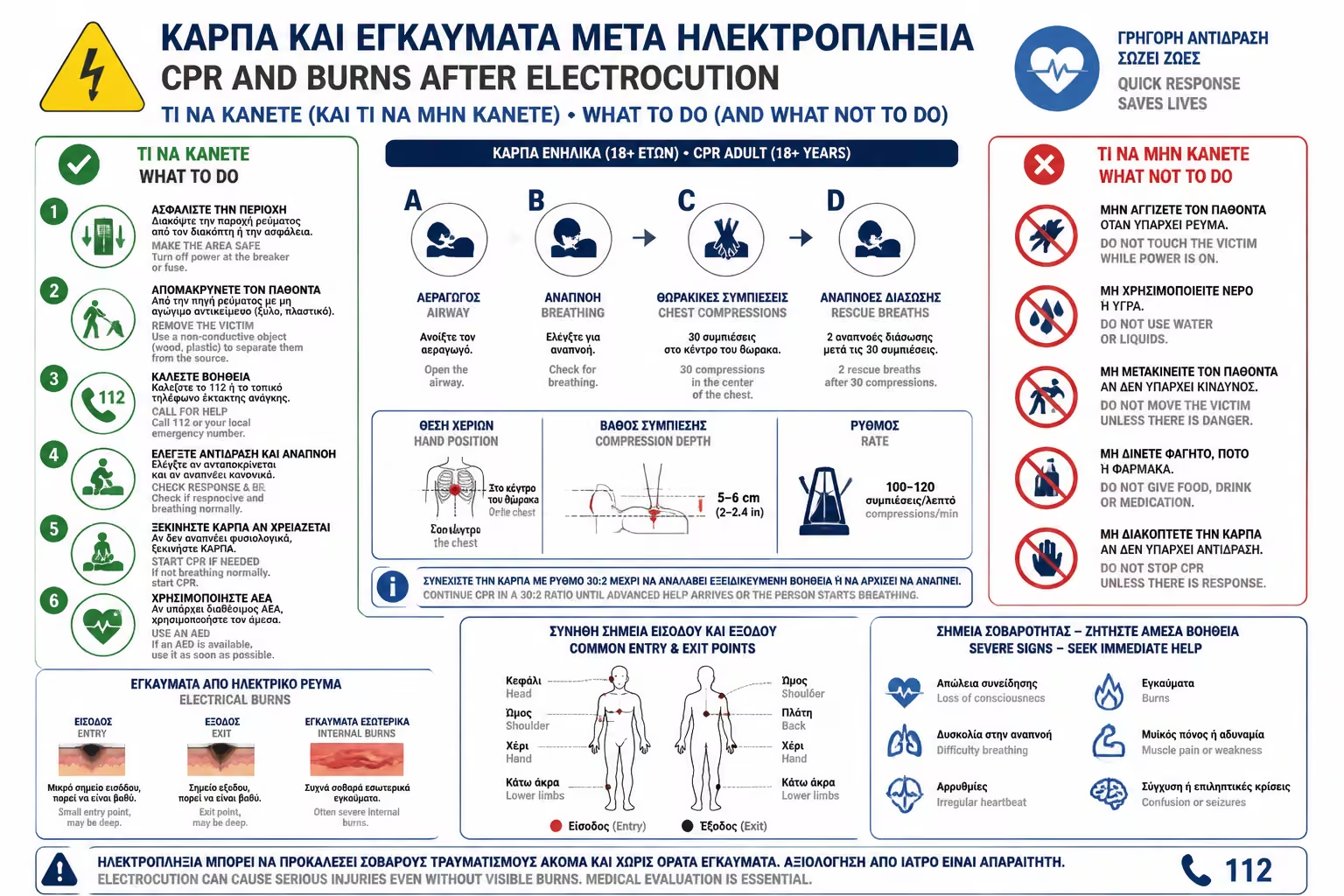
While waiting for the ambulance, you need to assess the victim's condition:
Have them lie down with their legs slightly elevated if possible. Do not give food or water. Keep talking to them and monitor their condition.
If they are unconscious but breathing normally, place them in the recovery position to help keep the airway open and reduce the risk of choking.
The current has stopped his heart or lungs. You must start CPR (Cardiopulmonary Resuscitation) immediately. Give 30 strong chest compressions in the center of the chest (at a rate of about 100-120 per minute), followed by 2 breaths. Continue without stopping until rescuers arrive.
Electrical injuries often create an entry point and an exit point on the body. These burns can look small from the outside while the deeper tissue damage is much more severe.
If the person is breathing and otherwise stable, cool the burns under cool running water for 10 to 15 minutes. Then cover them with a clean dressing.
Do not use ice, ointments, butter or cotton wool on the burn. Do not break blisters.
The above rules apply only to the electricity of the house (Low Voltage 230V/400V). If you see a traffic accident where a car has crashed into a PPC utility pole and cut high voltage cables are on the ground:
Handling an electric-shock emergency means resisting the instinct to touch the victim immediately. Cut power first, use distance and insulation if necessary, call emergency services and start CPR only when it is safe to do so.
Electrical emergencies are not limited to shock. Faults often escalate into fire, and the next article covers how to react without making the situation worse.
We continue with crisis management: Electrical Fire: Why we NEVER pour water and what type of fire extinguisher should be next to the electrical panel.
Return to category.
Go to categoryReturn to the central guide.
Go to guide