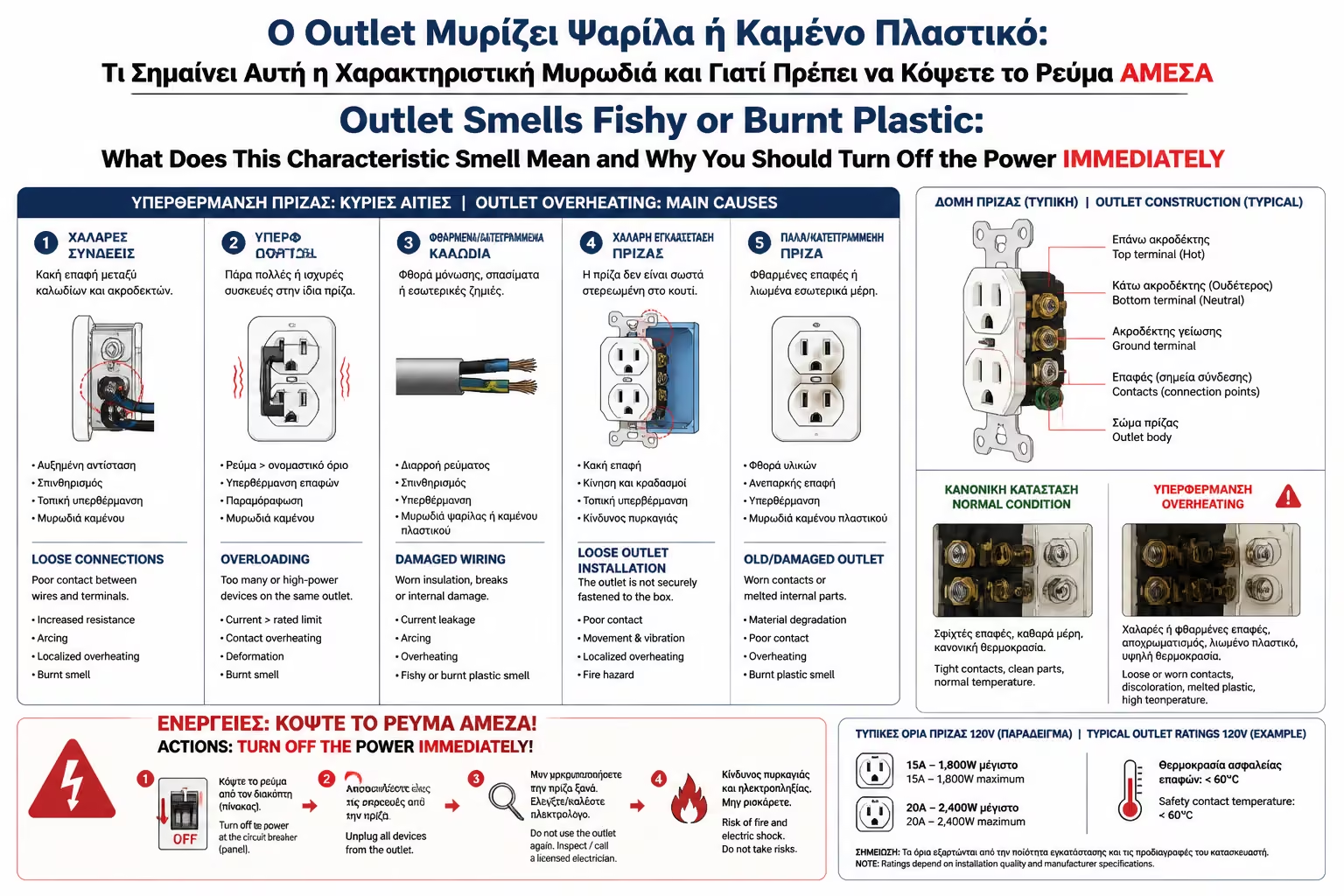
The Problem
However, when the temperature exceeds normal limits (e.g. it goes to 100°C - 150°C), these plastics do not immediately catch fire, but start to melt internally and decompose (degrade).
It's an ordinary afternoon, you're sitting in your living room and suddenly you notice a very bad, pungent smell. Reminiscent of spoiled fish, dead animal, or in some cases urine. You check the trash, you check the fridge, you ask the neighbors if they cook seafood, but you can't find the source.
Before you start looking for mice behind the furniture, you should know this: This smell is the clearest, silent "bell" that your house is in danger of catching fire. In electrical engineering, the "fishy smell" (or burnt plastic) is synonymous with melting components. Let's take a look at why cables smell like they do when they burn, what exactly is going on inside your wall at that moment and what are the emergency steps to take.
This smell is not accidental, nor does it come from dust. It is the result of a specific chemical reaction.
Most electrical materials (sockets, switches, lamp sockets, plastic cable sheaths) are made of hard, heat-resistant plastics, such as Bakelite or various thermosetting resins (e.g. Urea-formaldehyde). These materials are designed to withstand high temperatures without catching fire easily.
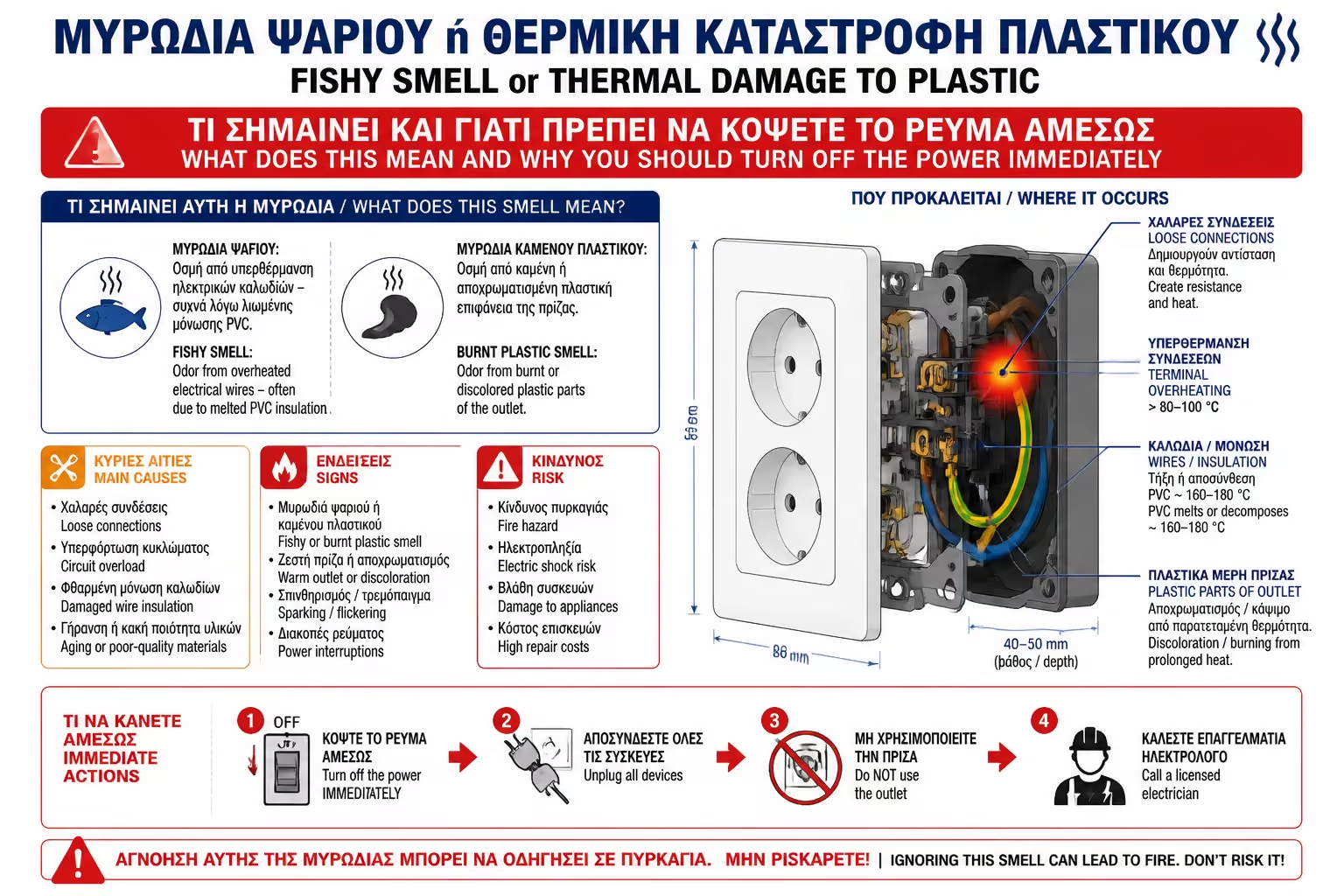
However, when the temperature exceeds normal limits (e.g. it goes to 100°C - 150°C), these plastics do not immediately catch fire, but start to melt internally and decompose (degrade).
As they decompose, they release chemical compounds (amines), which have an extremely pungent smell that translates to the human brain exactly as "rotten fish" or heavy, chemically burnt plastic.
As we've seen in previous articles, excessive heat in electronics is not magically created. It is due to three deadly factors:
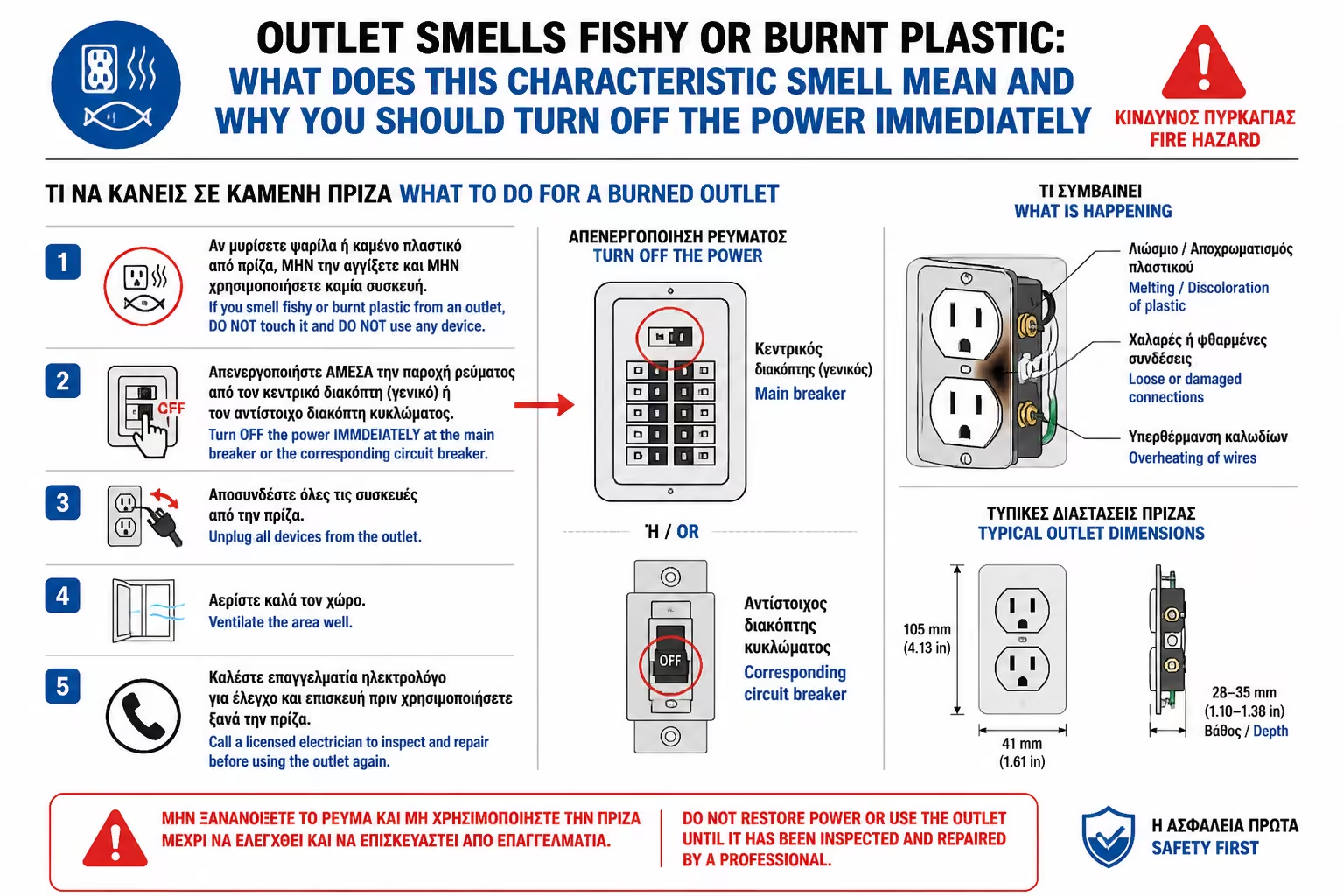
If you smell that distinctive fishy/plastic aroma, you're in the stage right before the flame manifests itself. You have a few minutes to act:
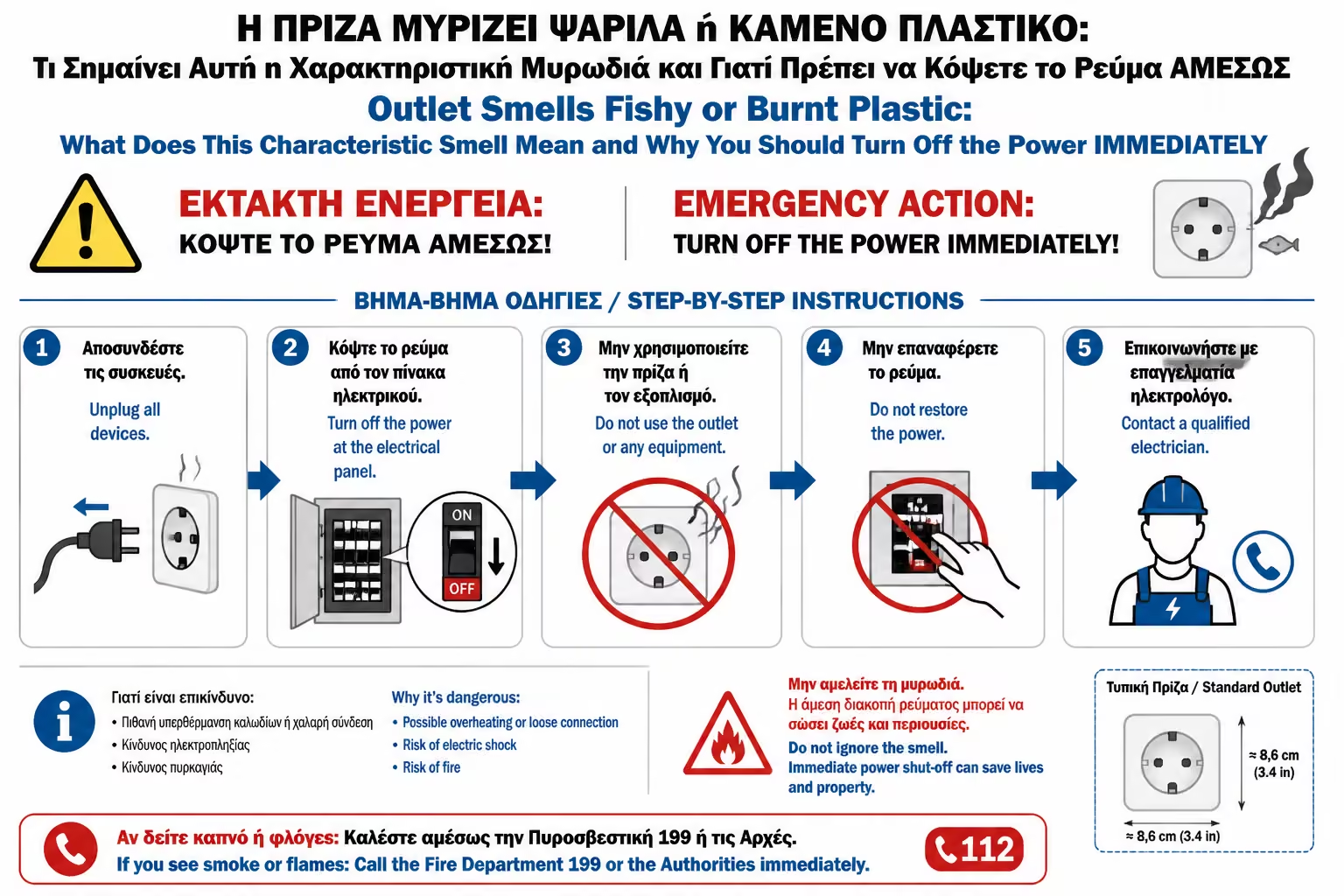
Approach the walls and "smell" the space. Check the following three critical areas: All outlets that have appliances plugged in (especially those that draw a lot of current, eg stove, water heater, air heater). Power sockets on the floor (often these are to blame first). * The central Electrical Panel of the house.
If you identify which outlet/appliance the smell is coming from, don't try to pull the plug with your bare hands. The outlet may be scalding or ready to short out. Go straight to the electrical panel and download the General Security (or at least the room-specific security, if you know for sure what it is). Once the power is off, heat generation will stop and the risk of flash ignition is reduced.
This is not a do-it-yourself breakdown. Melted wires mean the copper is exposed. A licensed electrician must come in immediately to remove the burnt outlet, cut the frayed wires to the point where they are healthy, and install new materials.
It won't "go away on its own". If you turn off the device, the smell will stop, but when you turn it back on, the damage will continue and result in a fire.
Even if you see smoke coming out of the outlet, it is strictly forbidden to pour water. Water is a conductor of electricity and will give you an electric shock. If there is a flame, use only a dry powder or CO2 (Carbon Dioxide) extinguisher.
Spraying a lavender spray to hide the fishy smell won't put out the fire smoldering on your wall. It just camouflages the danger.
The human body is equipped with an excellent "temperature sensor": our nose. When the plastics in an electrical installation reach their limits, they emit this chemical SOS that smells like fish or burnt plastic. Trust your senses. Turn off the power, find the source of the smell and call for help, saving your property from the flames.
Next Step: Now that we've mentioned the Electric Arc and the sparks, let's move on to another everyday phenomenon that scares many users.
Continuing with troubleshooting: Sparks (Chaff) when you plug something in: Is it normal or is your device at risk?
Return to category.
Go to categoryReturn to the central guide.
Go to guide