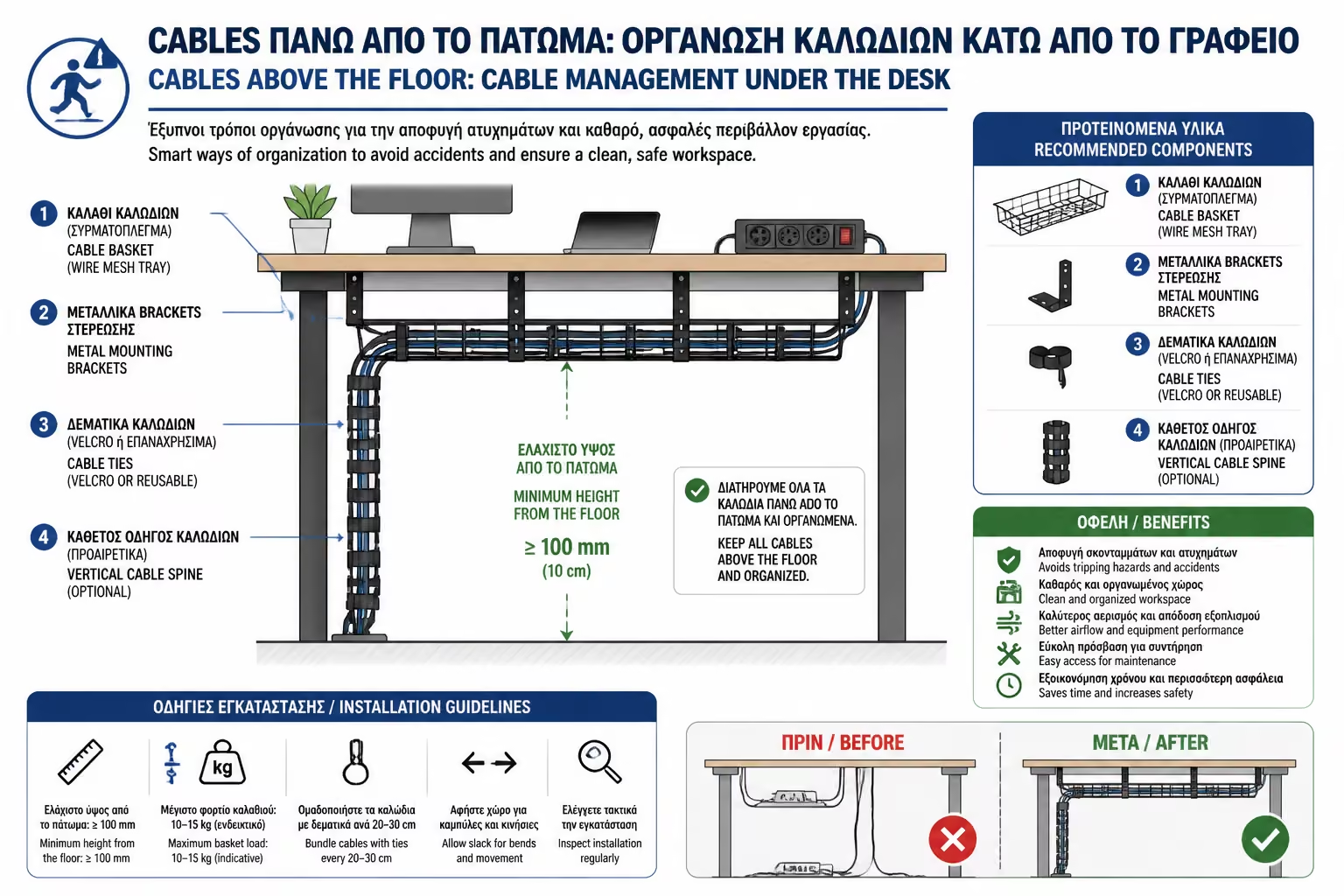
Under-desk Trays
Screw or glue a metal or plastic "Cable Tray" to the bottom of your desk surface. Place the power strip inside this basket.
So far, we have focused on electrical danger. But cables create another very common risk even when they are electrically perfect: people trip over them.
Look under a desk or behind a TV stand. If you see a tangled mass of cables, you do not just have an aesthetic problem. You have a physical hazard. Falls, snags and pulled equipment are far more common than most people think, especially in homes with children or elderly occupants.
Good cable management protects people, protects equipment and makes the room easier to clean and maintain.
When your foot gets tangled in the charger or monitor cable, physics takes its course.
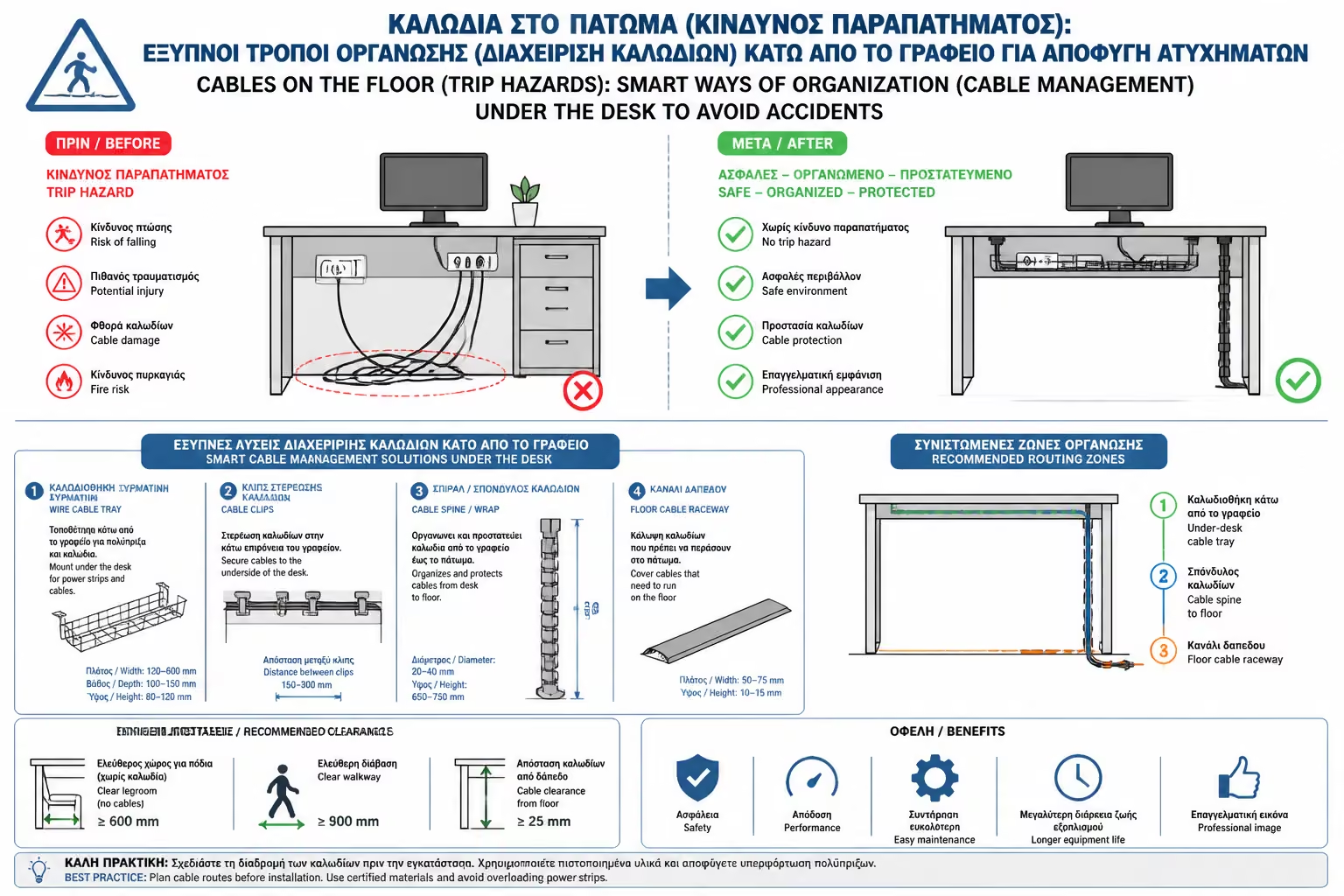
The basic rule of cable management is simple: keep electrical equipment off the floor whenever possible. Floors are for walking, vacuuming and moving furniture, not for storing power strips.
Screw or glue a metal or plastic "Cable Tray" to the bottom of your desk surface. Place the power strip inside this basket.
If you do not want to drill into the desk, industrial double-sided mounting tape can secure a power strip to a desk leg or nearby wall, safely above floor level.
When you decide to tie the cables together so they don't hang, the first thing you think of is the classic plastic zip ties. This is wrong.
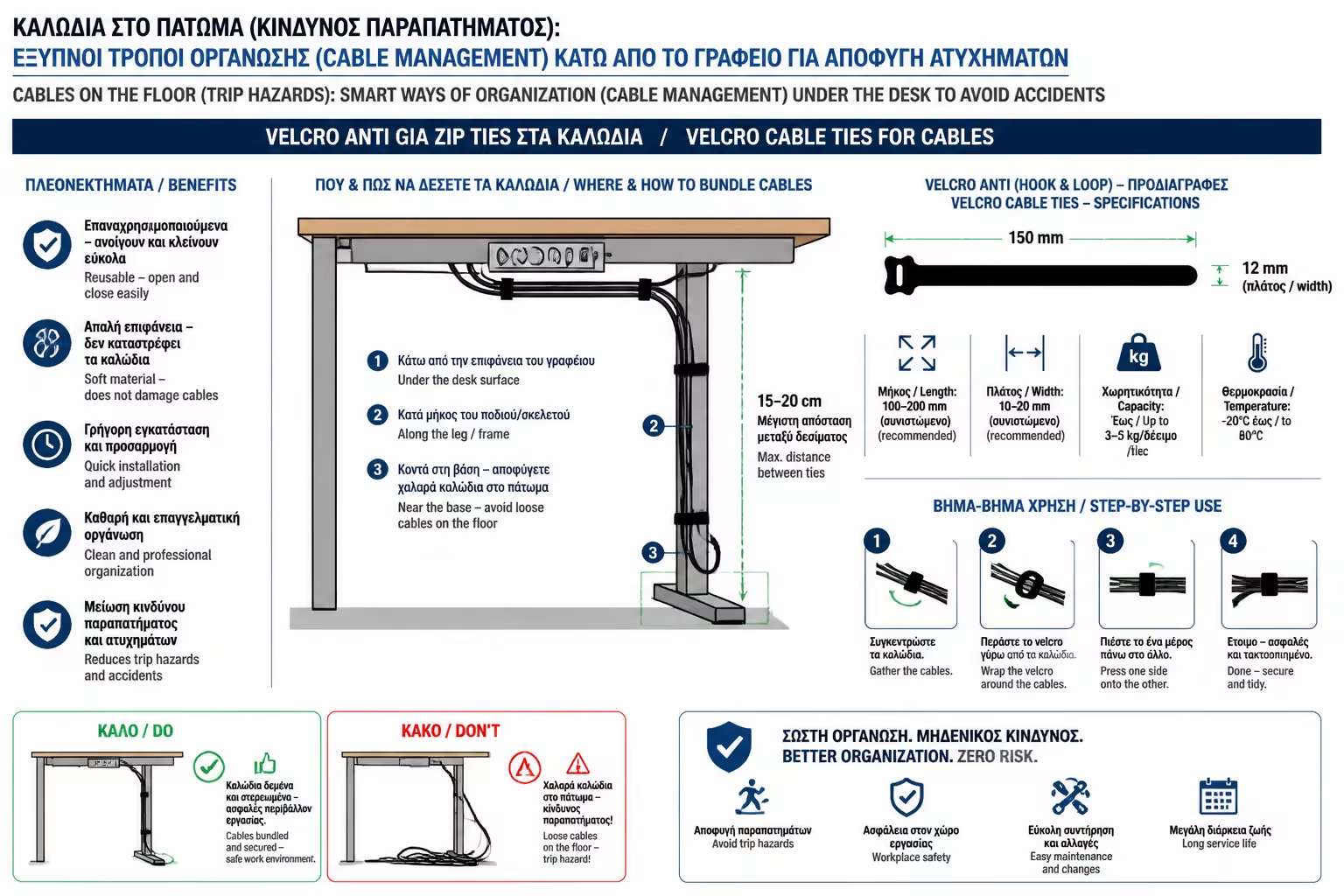
Zip Ties are tough. If you tighten them too much, they "cut" the outer insulation of data cables (such as HDMI or network cables) damaging them. In addition, if you need to remove a wire in the future, you will have to insert scissors or a cutter between the wires, risking cutting them.
Use Velcro Straps only. They're soft, don't "choke" cables, pop open in a second if you want to add something new, and can be reused countless times.
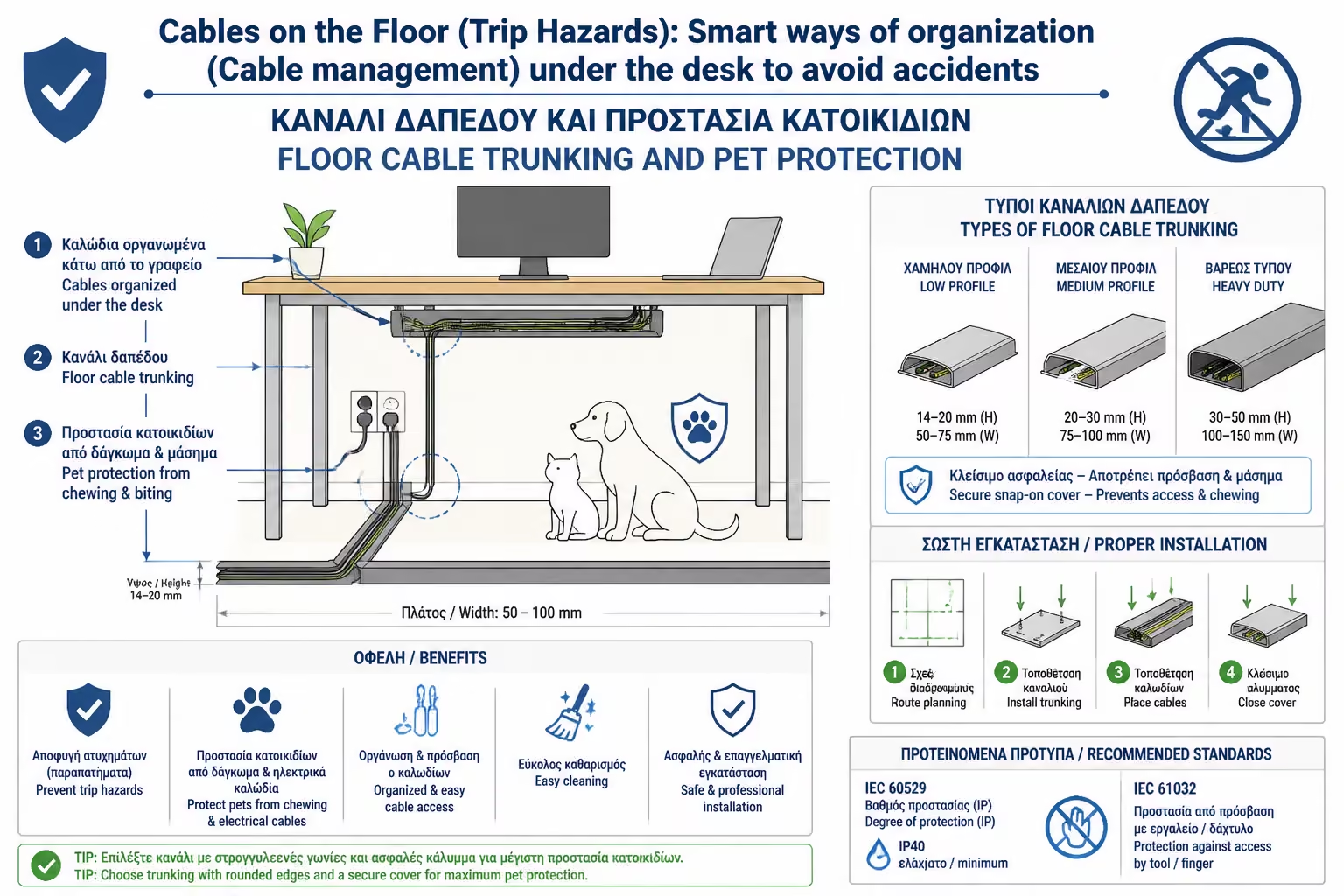
The worst case is when a cable must cross open floor space from one side of a room to the other. Throwing a rug over it does not solve the problem. It only hides it.
If you have kittens, puppies or rabbits at home, floor-level cables are not just a tripping risk. They are also a tempting chew toy, and that can be fatal.
Place the cables in thick, fabric or neoprene sheaths that close with zippers or Velcro.
The hard plastic coil hugs the wires, making them too thick and hard for a small animal to chew through.
In extreme cases, you can pass the exposed wires with special, safe sprays (Bitter sprays) that have an awful, bitter taste, discouraging pets from the very first try.
Electrical safety does not begin and end at the panel. The way cables are routed through a room matters just as much for everyday safety. A few simple accessories can eliminate one of the most avoidable causes of domestic injury.
Return to category.
Go to categoryReturn to the central guide.
Go to guide