The Soil and the Lawn
The soil of the garden always has a natural moisture. It is the ultimate Grounding.
With the arrival of spring and summer, our lives are moved outside. We take out the grill on the balcony, work on the laptop in the yard, or mow the lawn. However, the use of electrical devices outdoors hides risks that we usually ignore, having become accustomed to the "safety" of our living room.
Electricity outdoors becomes more dangerous not because the laws of physics change, but because the surroundings do. Wet ground, wet hands, bare feet and damaged extension cords create ideal conditions for an accident. That is why outdoor electrical use requires stricter habits than indoor use.
If you catch a bare wire in your living room, the risk is huge. But the wooden floor (parquet) or even the dry tiles under your feet act as "bad conductors". They offer some resistance, making it harder for current to pass through you to earth.
When you go out into the garden, this shield disappears:
The Golden Rule: Never operate electric tools outdoors without closed shoes with thick rubber soles. They help insulate you from the ground.
The soil of the garden always has a natural moisture. It is the ultimate Grounding.
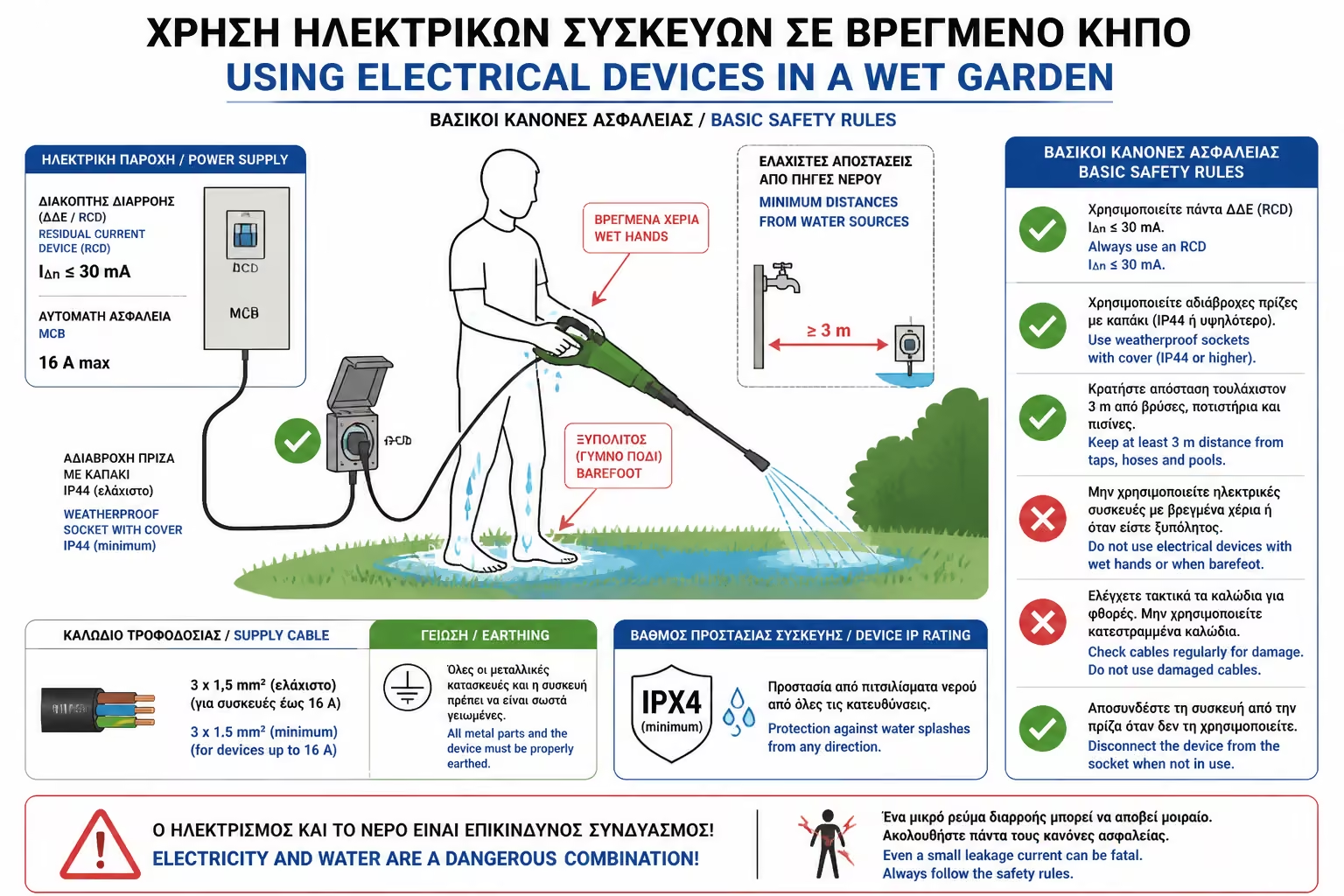
When you walk barefoot on wet lawn or patio slabs and touch a faulty metal grill, you close the circuit in the most ideal way. The current encounters absolutely no resistance. It will go through your body instantly with maximum intensity to end up on the ground.
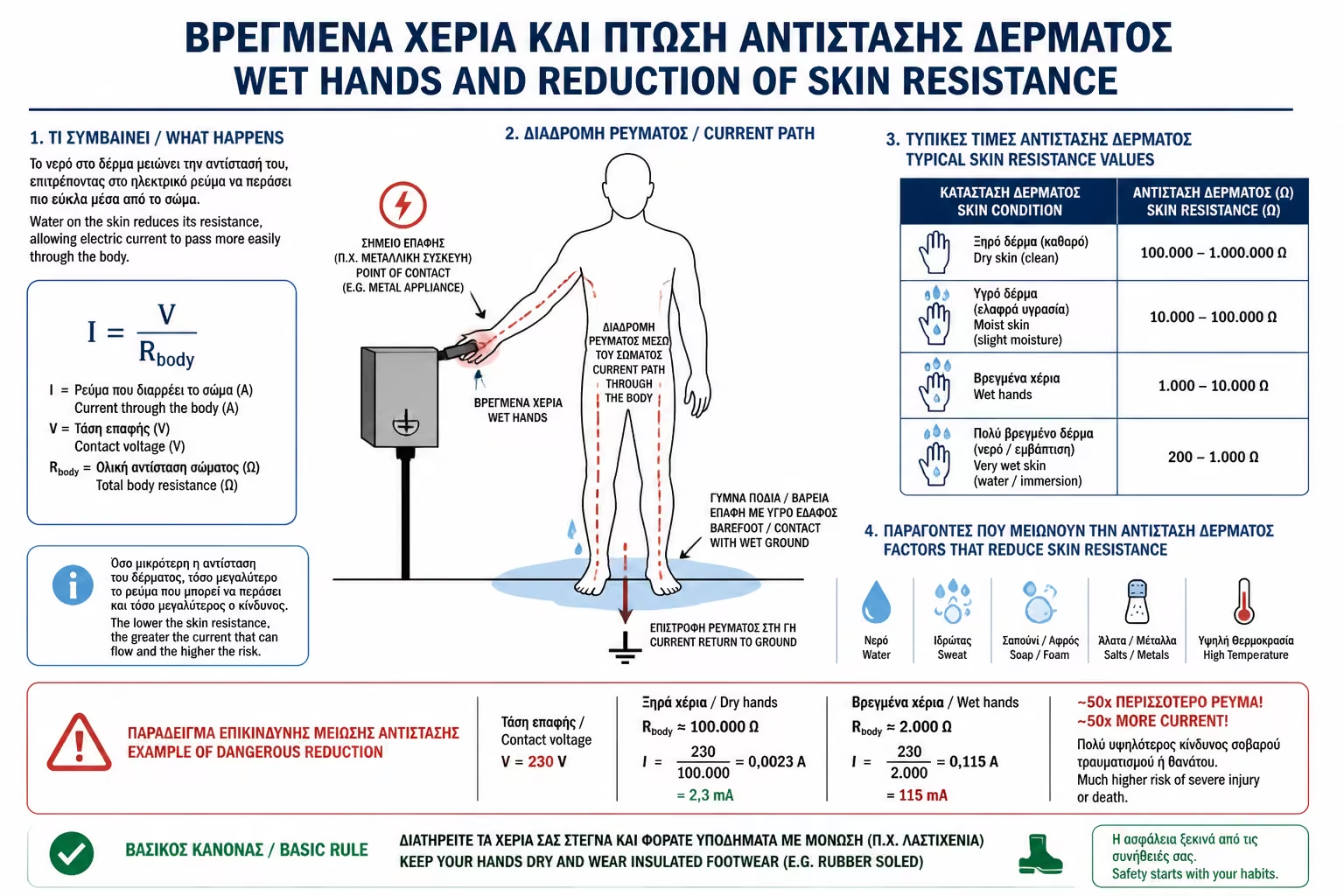
Our skin is the first line of defense against electricity. A dry, hard skin (e.g. on the palms) has an electrical resistance that can reach 100,000 Ohms.
If you grab a faulty wire with wet or sweaty hands, the current will not just burn your skin (as it would if it were dry), but will go straight to the blood and nerves, which are excellent conductors. Always dry your hands thoroughly with a towel before handling any plug.
When you wash the car or get out of the pool, your skin gets soaked. Its resistance drops to 1,000 Ohms (that is, it drops by 100 times!).
In the summer, even if you don't bathe, your hands are sweaty. Sweat contains salt (electrolytes), making it an even better conductor of current than plain water.
One of the most common mistakes is taking an ordinary indoor power strip or extension lead and using it outside in the yard or on the balcony.
Why it is dangerous:
The Right Solution: Use only outdoor-rated extension leads, typically with heavy-duty rubber cable such as HO7RN-F. They usually have thicker insulation, better mechanical resistance and splash-protected socket ends.
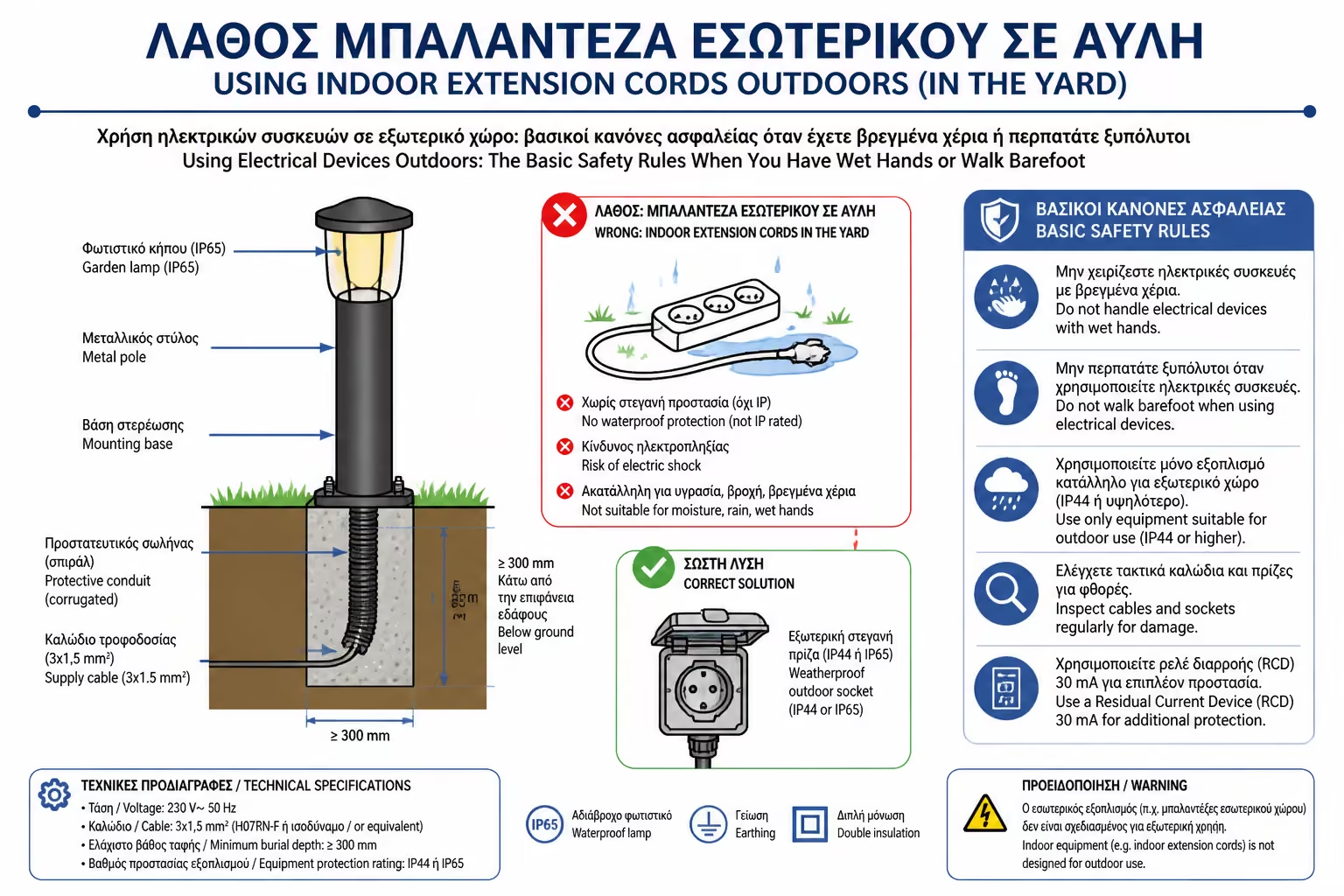
Indoor power strips have exposed openings and are not designed for dew, splashes or watering systems. Moisture can enter easily and cause faults or short circuits.
White indoor cables have thin plastic (PVC). If you step on the stones in the yard or run over them with the patio chair, they peel off very easily, leaving the copper bare.
Any male-to-female cable connection lying on wet grass is a weak point. Those connections are rarely waterproof on their own. Keep them off the ground, hang them up when possible, or protect them inside purpose-made weatherproof connector boxes.
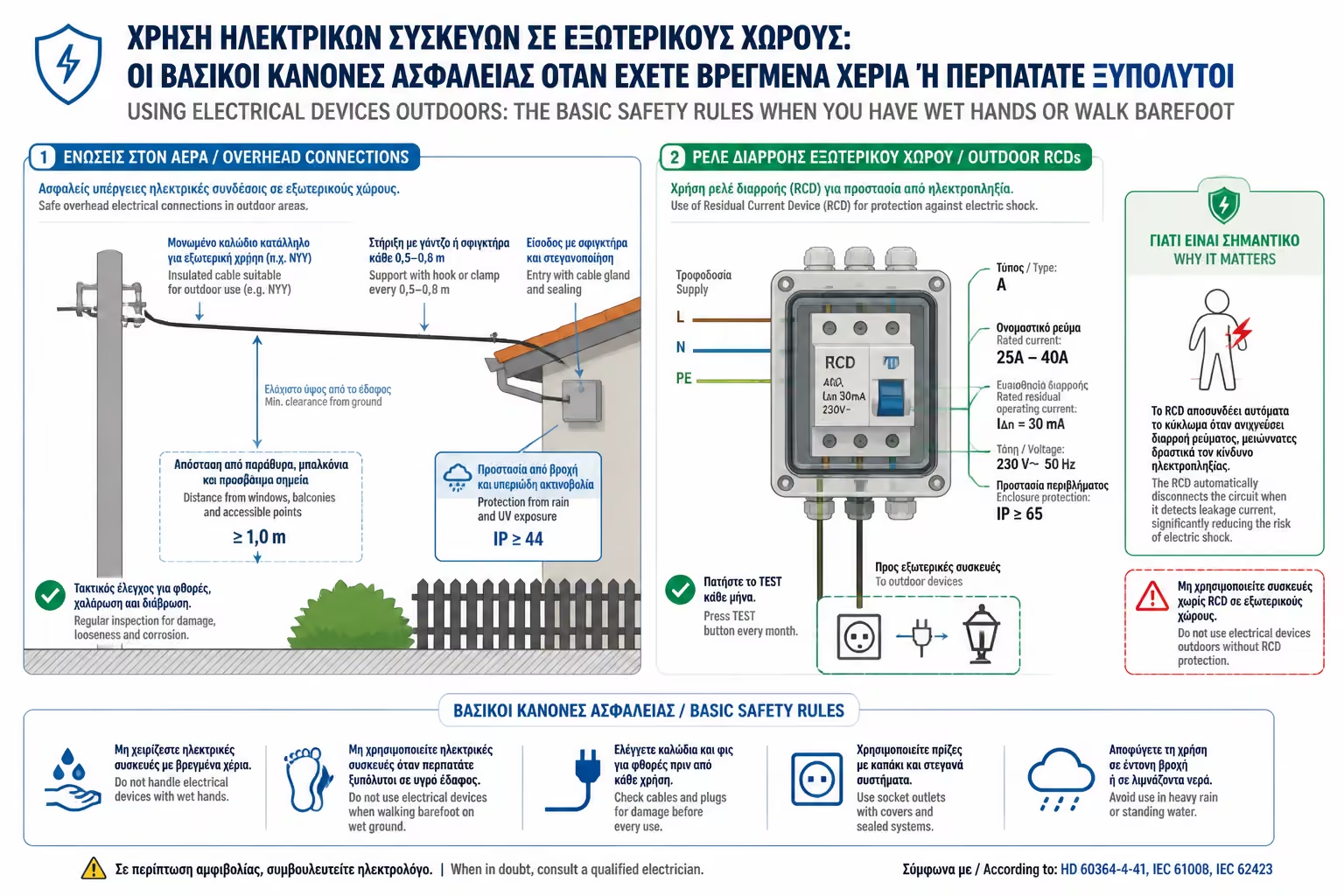
Outdoor accidents are common, whether from damaged cords, cut cables or moisture. For that reason, you should only use outdoor outlets protected by a 30mA RCD. If the installation is older, portable RCD adaptors can add an extra layer of personal protection.
Outdoor electricity is unforgiving. Wet ground, wet skin and unsuitable equipment multiply the risk. Wear proper shoes, dry your hands, keep connectors off the ground and use only outdoor-rated tools and extension leads.
The next safety issue is even more ordinary, but often more common than electric shock itself: tripping over cables.
Return to category.
Go to categoryReturn to the central guide.
Go to guide