Light Switches
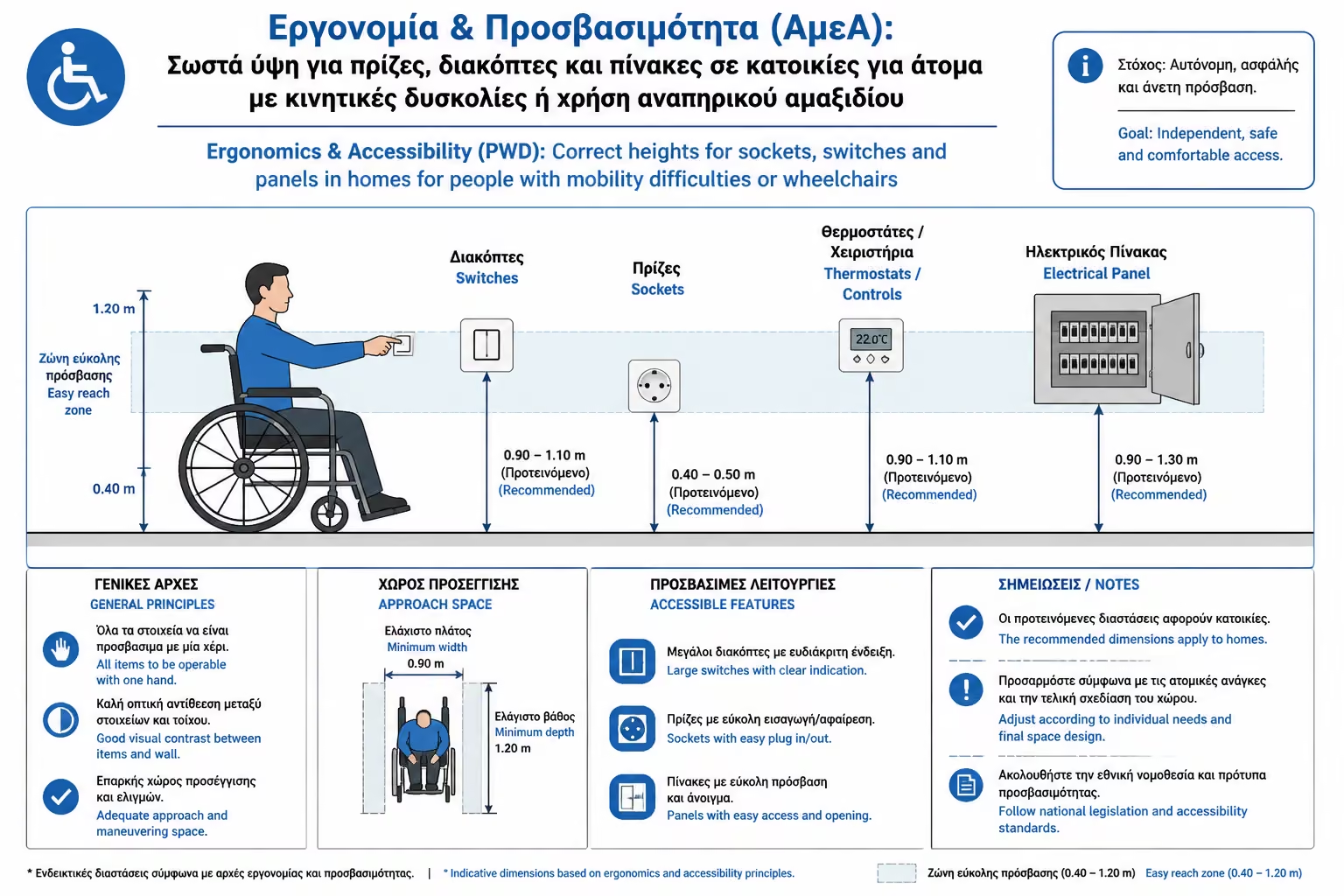
They must "come down". The ideal height is between 90 cm and 110 cm from the finished floor. At this height, a wheelchair user, a child, and even a standing adult can turn on the light without any difficulty or strain.
Electrical design is not only about cable safety. It is also about the people who must use the space every day. A home built around conventional heights can become a daily obstacle course for wheelchair users, older residents and people with limited mobility.
The philosophy of Universal Design dictates that our environment should be accessible to all, providing autonomy and dignity. If you are designing, renovating or adapting a home to accommodate mobility needs, the placement of electrical equipment must be radically changed. Let's see the "Golden Rule" of dimensions and the smart solutions that make life easier.
In typical construction, electricians follow an informal but universal routine:
For someone using a wheelchair, those default heights are often impractical. A high switch may be hard to reach, a high panel may be inaccessible in an emergency, and low outlets require repeated bending that may be painful or unsafe.
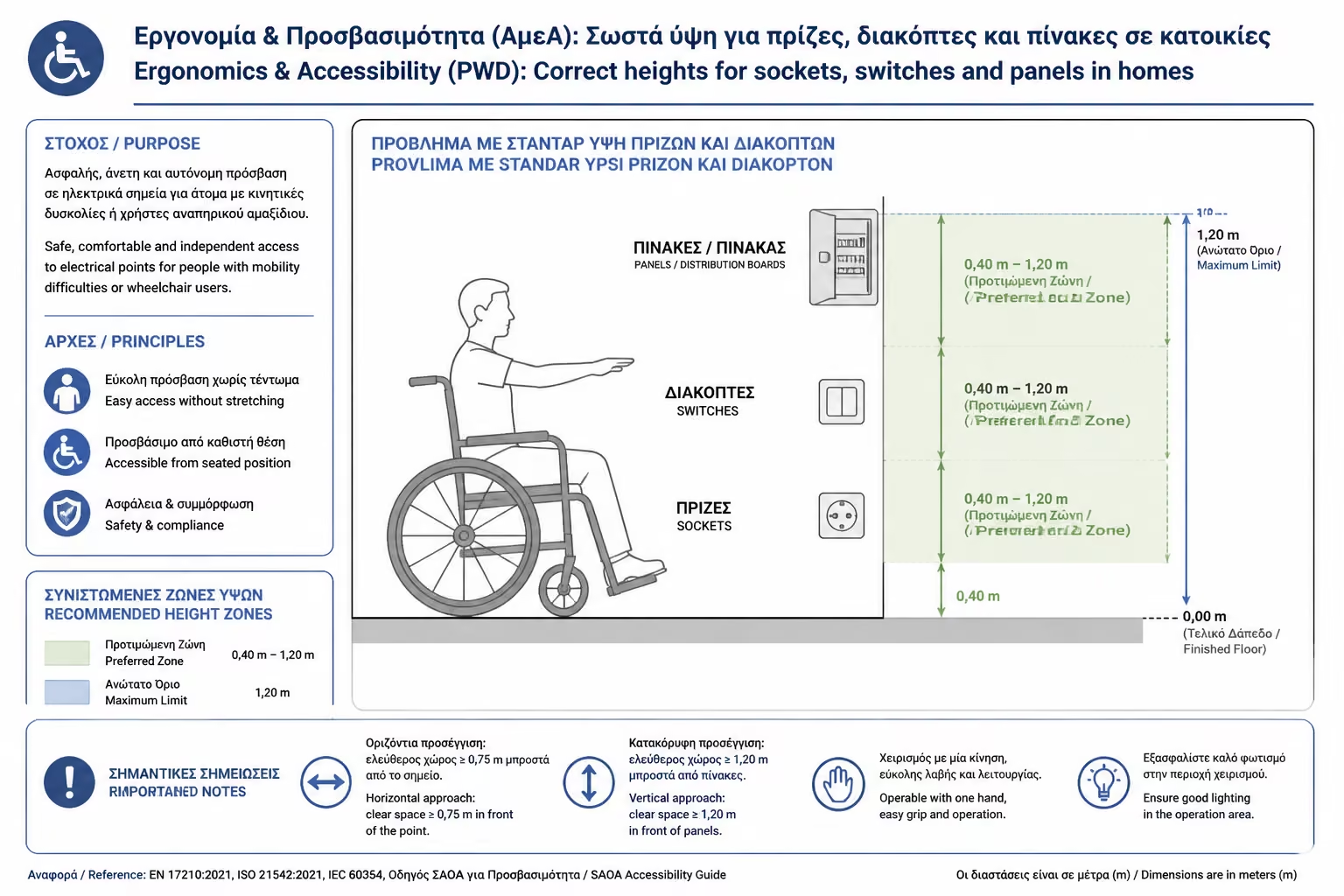
In an accessible home, electrical equipment should sit inside an easy-reach zone, roughly between the hips and the shoulders of a seated user.
They must "come down". The ideal height is between 90 cm and 110 cm from the finished floor. At this height, a wheelchair user, a child, and even a standing adult can turn on the light without any difficulty or strain.
They must "rise". The ideal installation height is between 45 cm and 60 cm from the floor. At this height, connecting the charger or vacuum cleaner is done without bending over.
The upper row of panel fuses must not exceed 1.20m from the floor. It must be ensured that the user can reach the Master Switch and the Leakage Relay comfortably, without having to stand up or use a tool.
Ideal height at 1.00m - 1.10m, with a screen that allows a viewing angle from below.
Height alone is not enough. The shape and operating force of the switch also matter, especially for users with reduced dexterity.
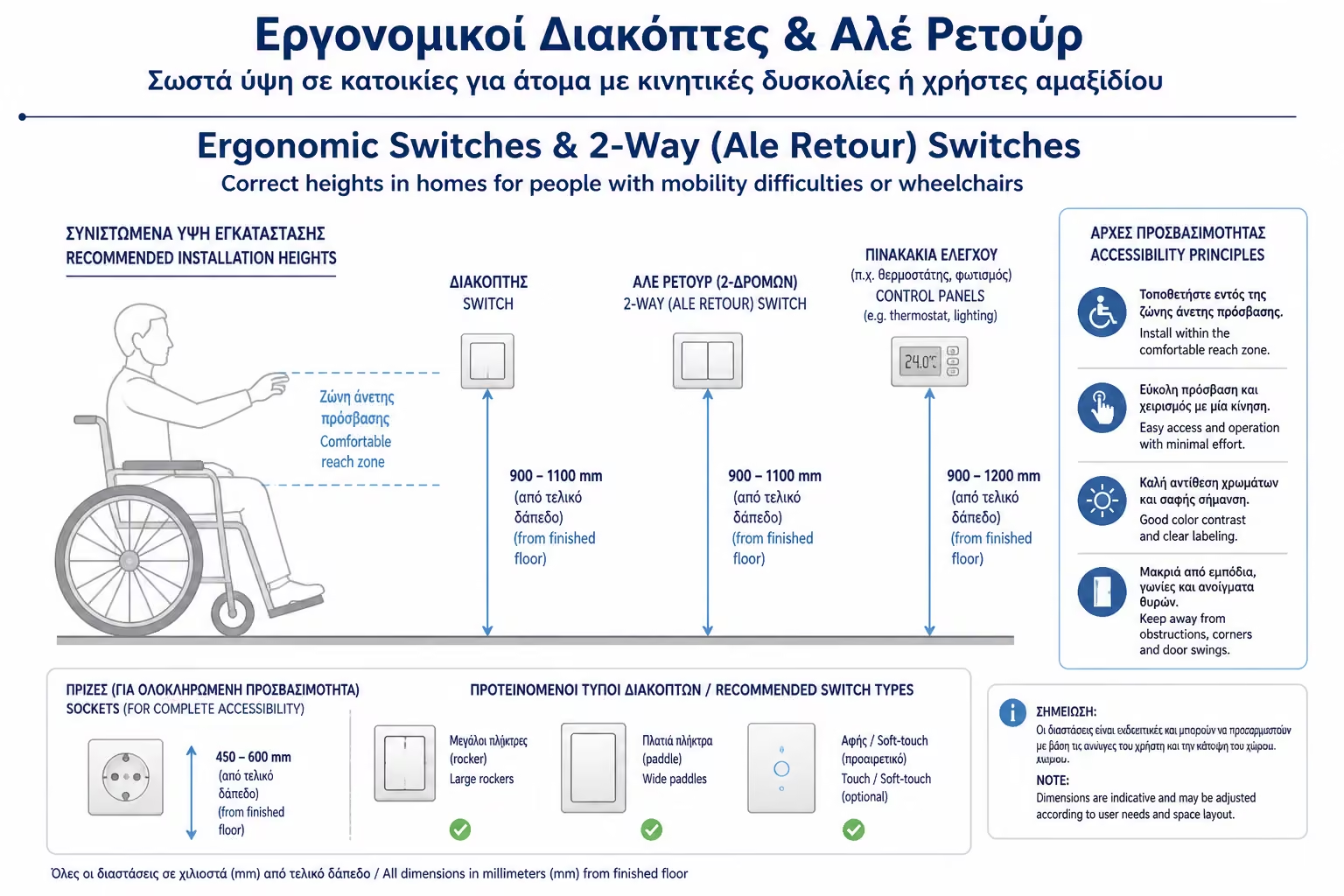
Avoid small, hard switches that require "pinch" with fingers. Prefer switches with a large pressure surface (wide keys). They can be easily pressed with the palm, fist, or even the elbow.
Moving through a dark room is risky. A bedside switch should always control the main bedroom light so the user does not have to get up unnecessarily.
In utility spaces (such as the hall, corridors or warehouses), the installation of motion detectors is a lifesaver. The lights turn on automatically as soon as the person enters the space, completely eliminating the need to search for the switch.
These two areas hide the biggest ergonomic challenges.
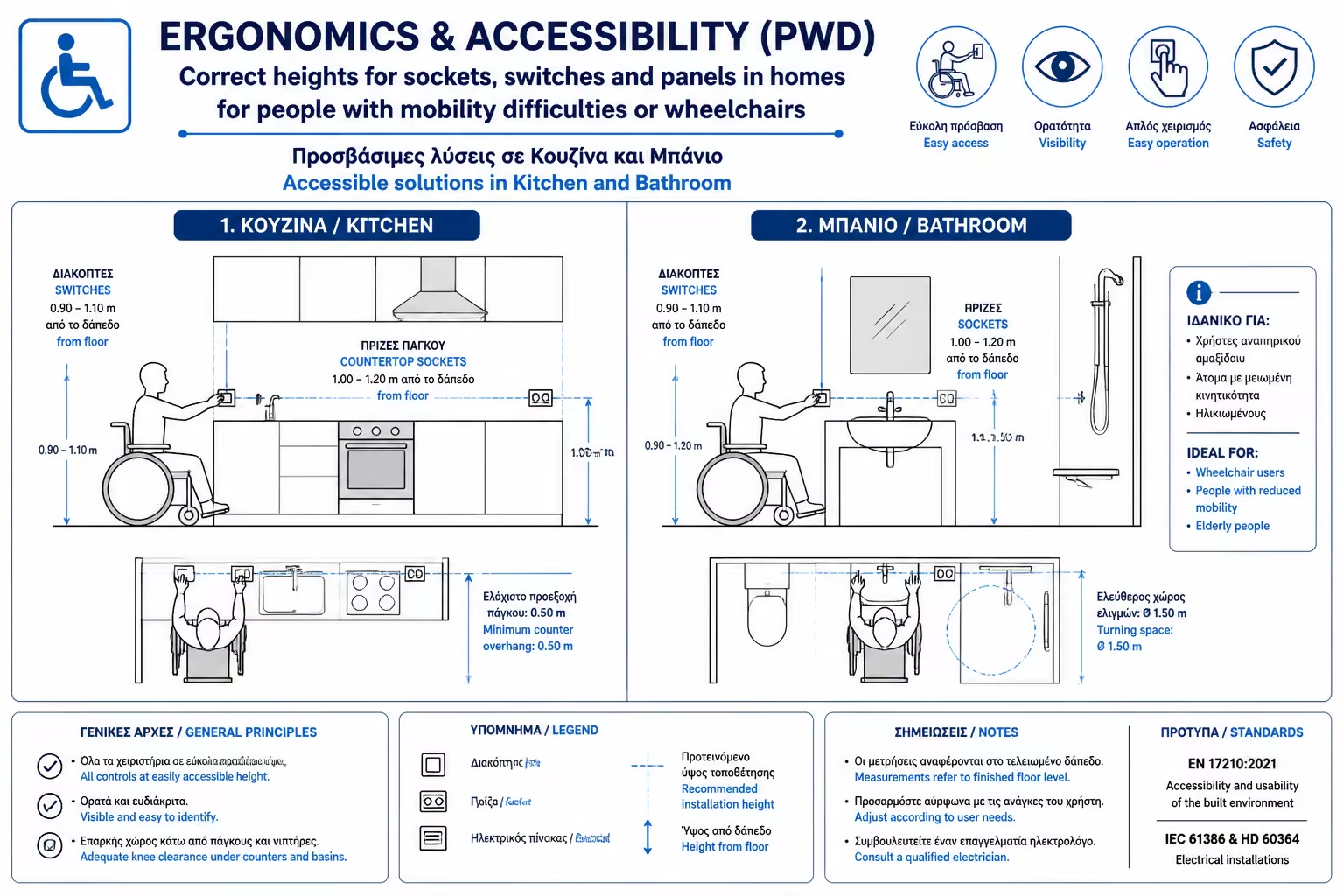
In the kitchen, countertop outlets are often placed on the wall at the back of the worktop. For a wheelchair user, reaching over a deep counter can be difficult or impossible.
In the Bathroom:
A better solution is to place outlets on the front face of the cabinetry just below the worktop, or to use accessible pop-up outlets near the front edge.
In bathrooms used by disabled or elderly occupants, an emergency pull-cord alarm that reaches close to floor level can be life-saving if someone falls and cannot stand up.
Although we will talk about Smart Homes in detail, it is worth noting that smart automation was created primarily for accessibility. The use of voice assistants gives autonomy back. With a simple command, a user with quadriplegia or severe mobility problems can turn off the lights, raise the electric blinds, adjust the temperature of the air conditioner, or open the front door, without having to reach for any switches at all.
An ergonomic home adapts to the user, not the other way around. Changing heights and access points usually costs little during design or renovation, but it can transform safety, dignity and independence in everyday life.
Next Step: We leave the safety of the interior spaces and go out into the yard and the balcony. Where using electricity requires a different mindset.
We continue with the user guide: Using Electrical Devices Outdoors: The basic safety rules when you have wet hands or walk barefoot.
Return to category.
Go to categoryReturn to the central guide.
Go to guide