The Gravity Test
If you plug in the phone charger (which is relatively heavy) and it tilts down, or if you plug in the vacuum cleaner and it comes out with a soft, random pull without any resistance, the plates are damaged.
Completing the cycle of preventive maintenance, we return to the interior of the home to examine the electrical component that takes the most brutal daily abuse: The wall outlet (Schuko).
Think about it a little. We plug and unplug furiously. We pull the cord of the vacuum cleaner from the other end of the room so that it comes out of the socket, without grabbing the plug itself. We trip over charger cables. The outlet is the only interface between the building's current and our expensive devices.
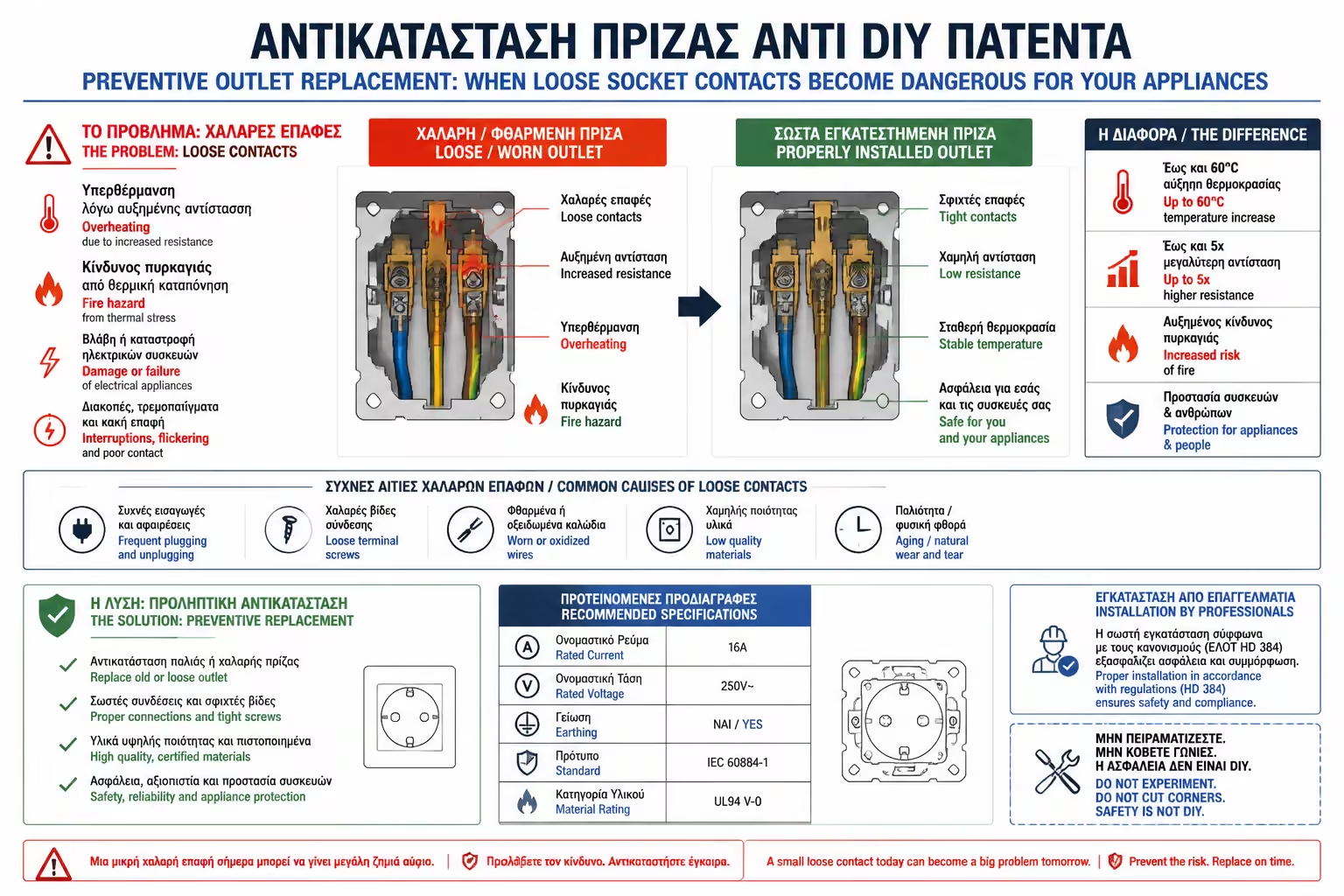
Unfortunately, sockets are not immortal. They are consumables. Leaving a damaged outlet in the wall because it "still works" is Russian roulette for your appliances. Let's see what exactly goes wrong inside them and why a loose socket is a silent killer of electronics.
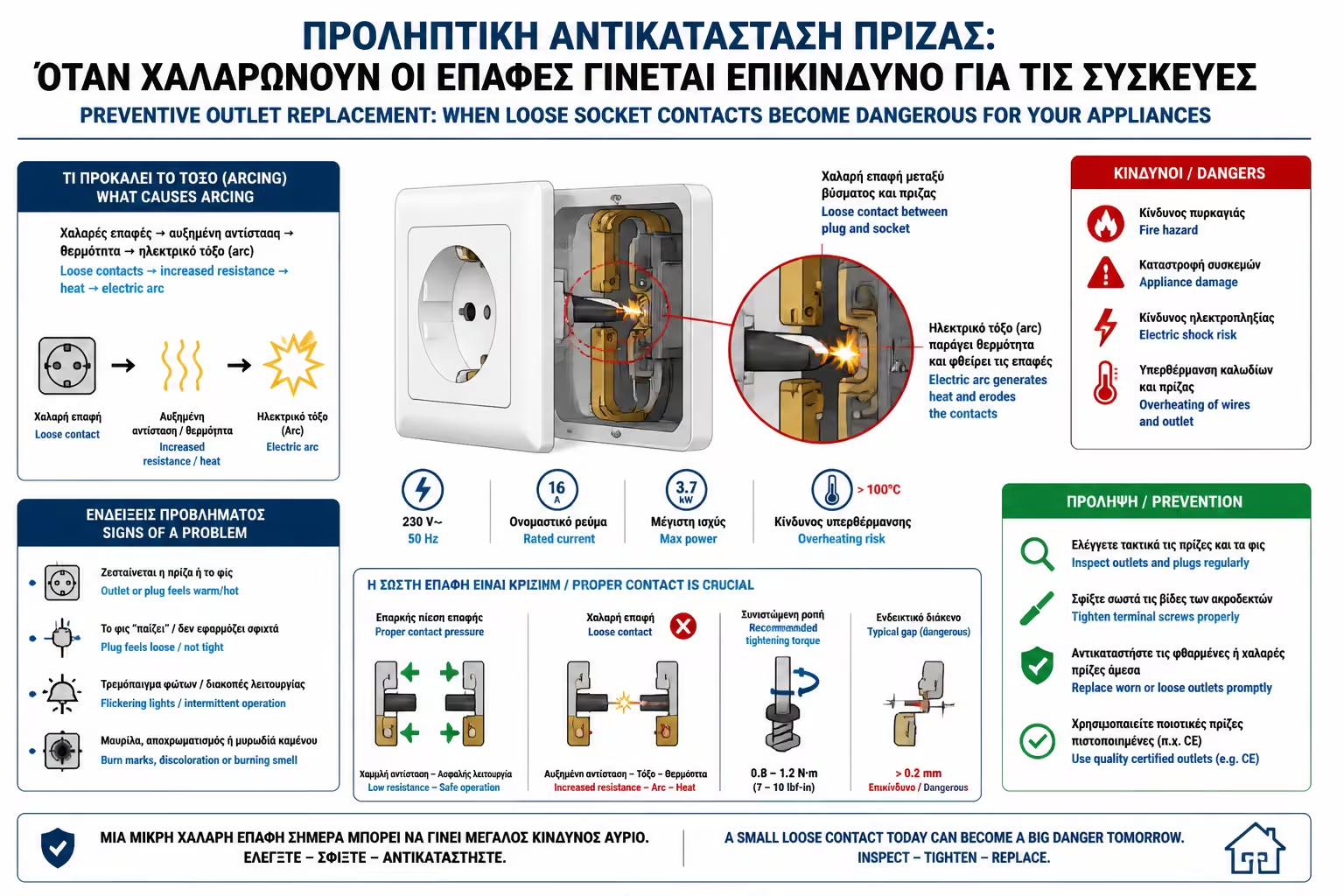
If you look inside the openings of an outlet, you will not find a simple bare wire. Inside are spring contacts, usually made from brass alloys, which grip the plug pins tightly and create the electrical connection.
Metal fatigue: any component that bends and springs back will eventually weaken. After thousands of insertion cycles, or repeated abuse from pulling plugs out by the cord, those contacts lose their spring force and no longer grip the plug properly.
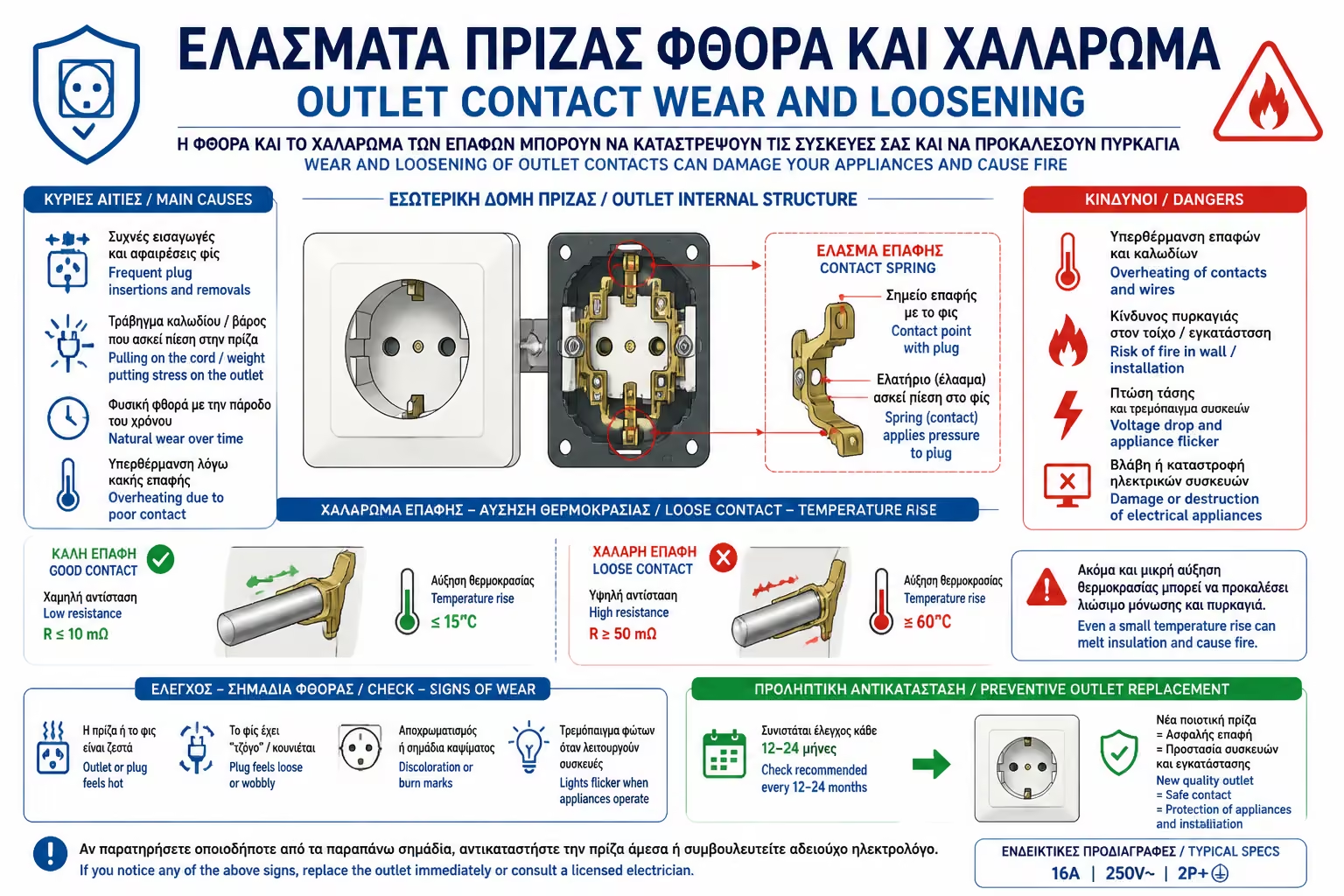
What happens when you plug into a loose outlet? Seemingly, the device turns on. But because the metal of the socket is not in tight contact with the metal of the plug, a tiny air gap is created.
The current (especially if we are talking about an energy-consuming device like a 2000W air heater) tries to pass. Because it finds air, it is forced to make a "jump". This jump creates a tiny, continuous spark: Arcing.
This bow causes two disasters:
Don't wait until it smells burnt to change the outlet. Replace it immediately if you notice even ONE of the following:
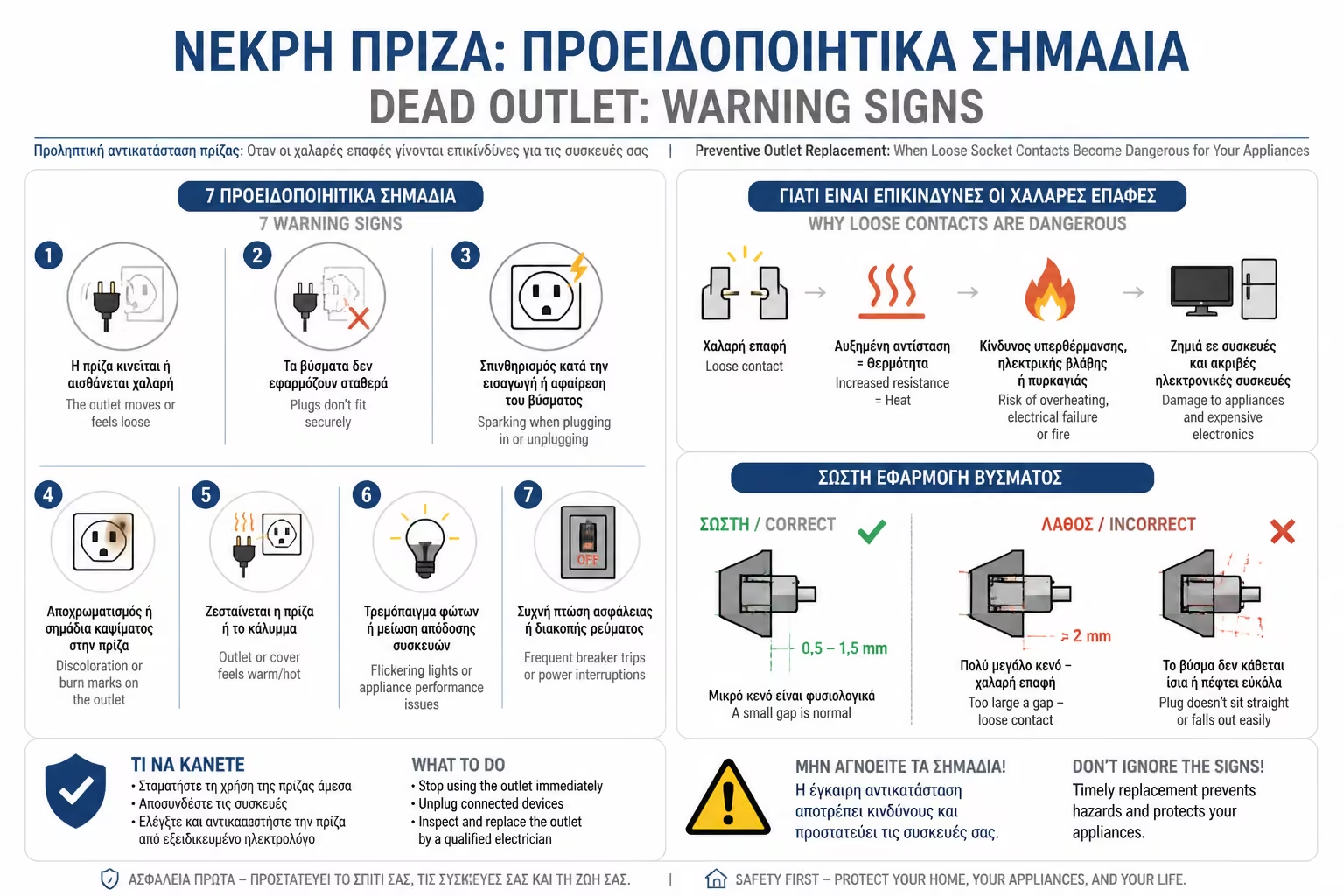
If you plug in the phone charger (which is relatively heavy) and it tilts down, or if you plug in the vacuum cleaner and it comes out with a soft, random pull without any resistance, the plates are damaged.
If the white plastic around the socket holes has turned brown, yellow or black, it is a clear sign of overheating from arcing. The socket is "baked" internally.
If, while an appliance is operating, you touch the plastic of the socket (or the plug itself) and it is uncomfortably hot in your hand, it means that there is a bad contact (high resistance).
A normal outlet should be silent. If you hear crackling while an appliance is operating, active arcing may be occurring inside the socket and it should be replaced immediately.
Many "home" craftsmen, when they see a loose socket, turn off the power, remove the cap, take a screwdriver and twist the copper plates inward to "tighten" them again.
This is prohibited. The metal that has undergone thermal stress and fatigue has permanently lost its crystalline structure and its "elasticity" (temper). If you warp it, after 10 uses it will open again, but this time it will be more fragile.
The Right Solution: A quality, branded Schuko socket costs from €4 to €10. There is no reason to risk a €1,000 TV (or your entire house) for €5. Call your electrician (or if you have the knowledge and pull the main breaker) and proceed with an immediate replacement of the entire socket mechanism.
Prevention is the cheapest insurance. Do not treat the sockets as permanent elements of the building, but as consumables that have "mileage". In particular, sockets in high-use areas (on the kitchen counter, behind the TV and in cleaning corners) should be checked regularly. If the plug goes in... "like at home", it's time to throw it away.
Return to category.
Go to categoryReturn to the central guide.
Go to guide