Step 1: Do Not Touch the Water
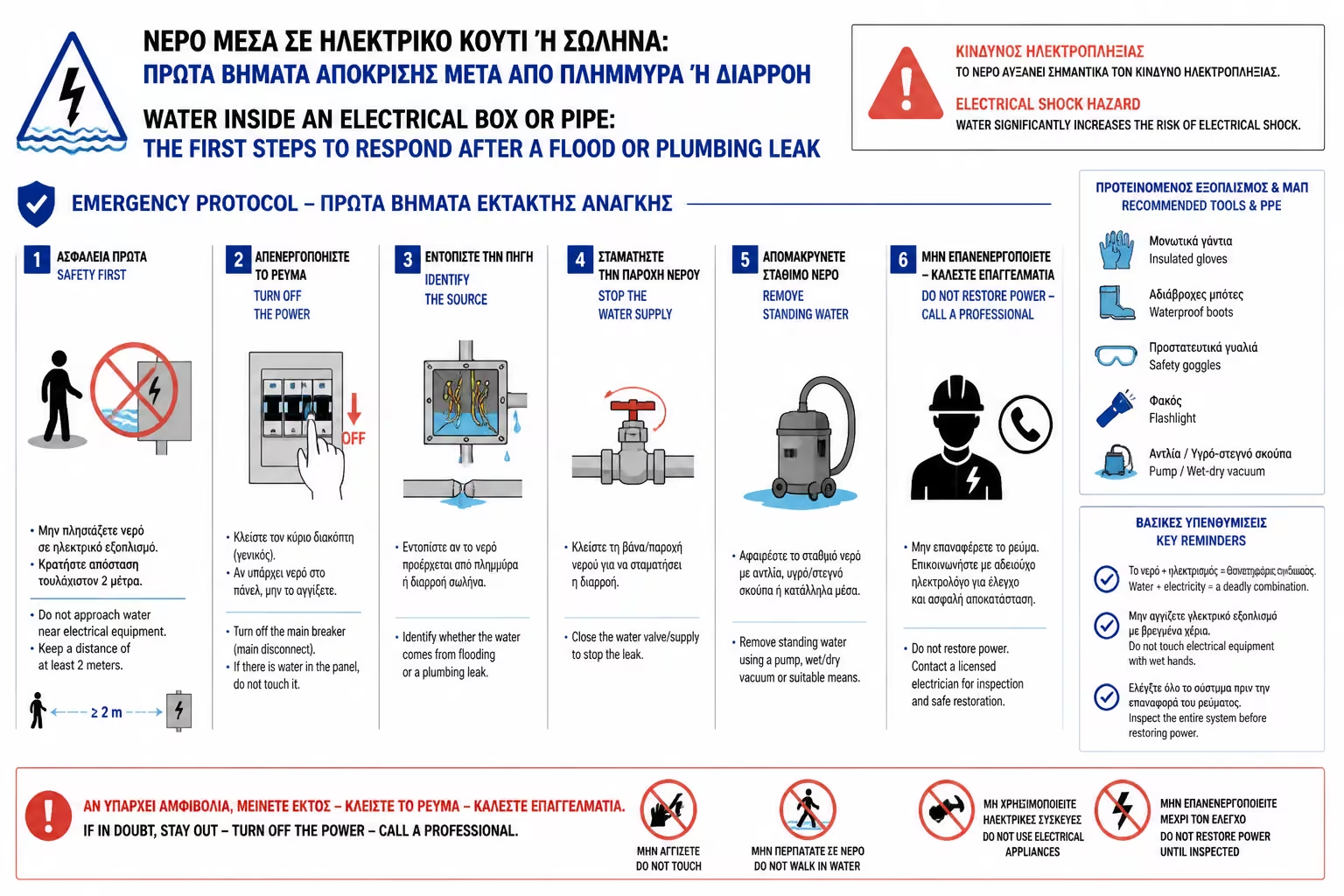
Do not stand barefoot in the flooded area, do not touch the wet wall, and do not try to pull plugs out of wet accessories. Water containing salts and dirt can conduct electricity extremely well.
Few household faults are more alarming than this one: a plumbing leak appears, and then water starts dripping from an outlet, switch box or even the electrical panel.
Water and electricity are a lethal combination. In the rush to deal with the leak itself, many owners forget that the water on the floor or inside the wall may already be energised.
The first priority is not drying the wall. It is staying alive, isolating the electrical risk and preventing a secondary disaster.
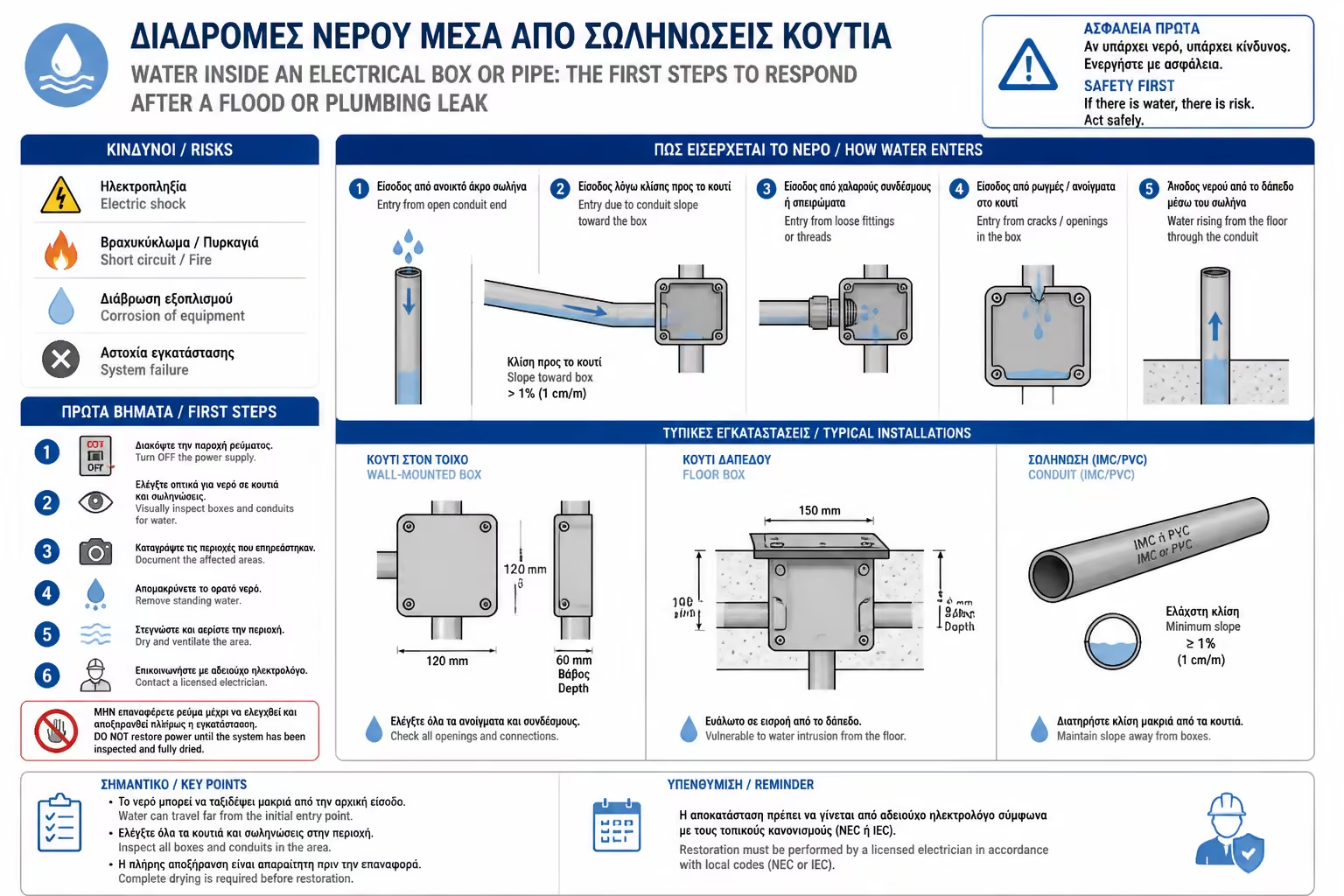
Electrical cables often run through hollow conduits inside the walls.
When a plumbing leak reaches one of these paths, the conduit can behave like a hidden water channel. That is why moisture can travel far from the original leak and emerge from an outlet or switch in another room.
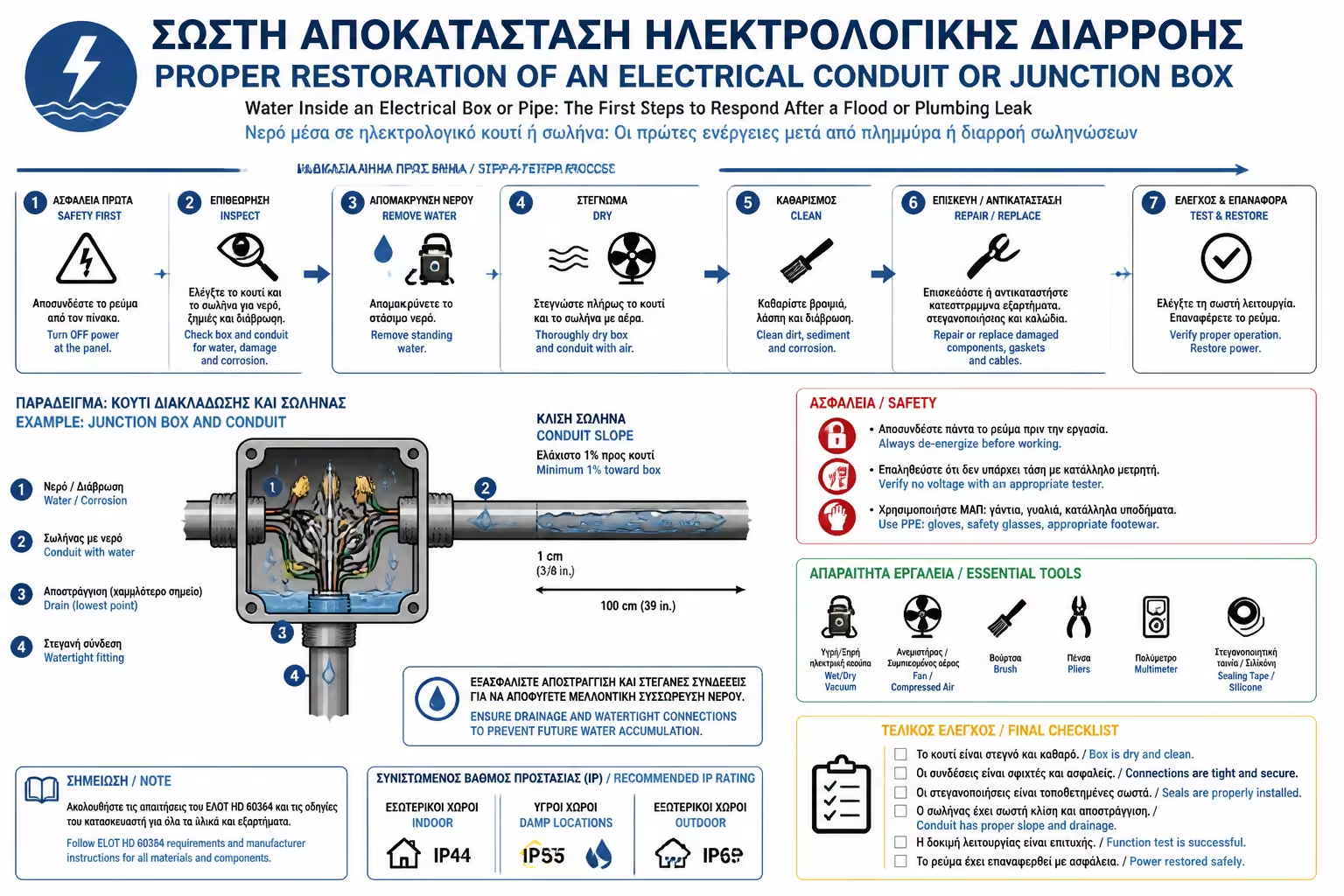
If you see water coming from an electrical component, respond in this order:
Do not stand barefoot in the flooded area, do not touch the wet wall, and do not try to pull plugs out of wet accessories. Water containing salts and dirt can conduct electricity extremely well.
The absolute priority is to de-energise the property. If the panel is safely accessible and dry, switch off the main breaker and the RCD. If water is entering the panel itself, do not touch it at all. In that case the supply may need to be isolated upstream by emergency services or the grid operator.
Once the electrical danger has been isolated, close the main water valve to stop the leak at its source.
One of the most dangerous mistakes is to switch off the power, wait a few days, see a dry wall surface and assume everything is now safe.
That assumption is unsafe for several reasons:
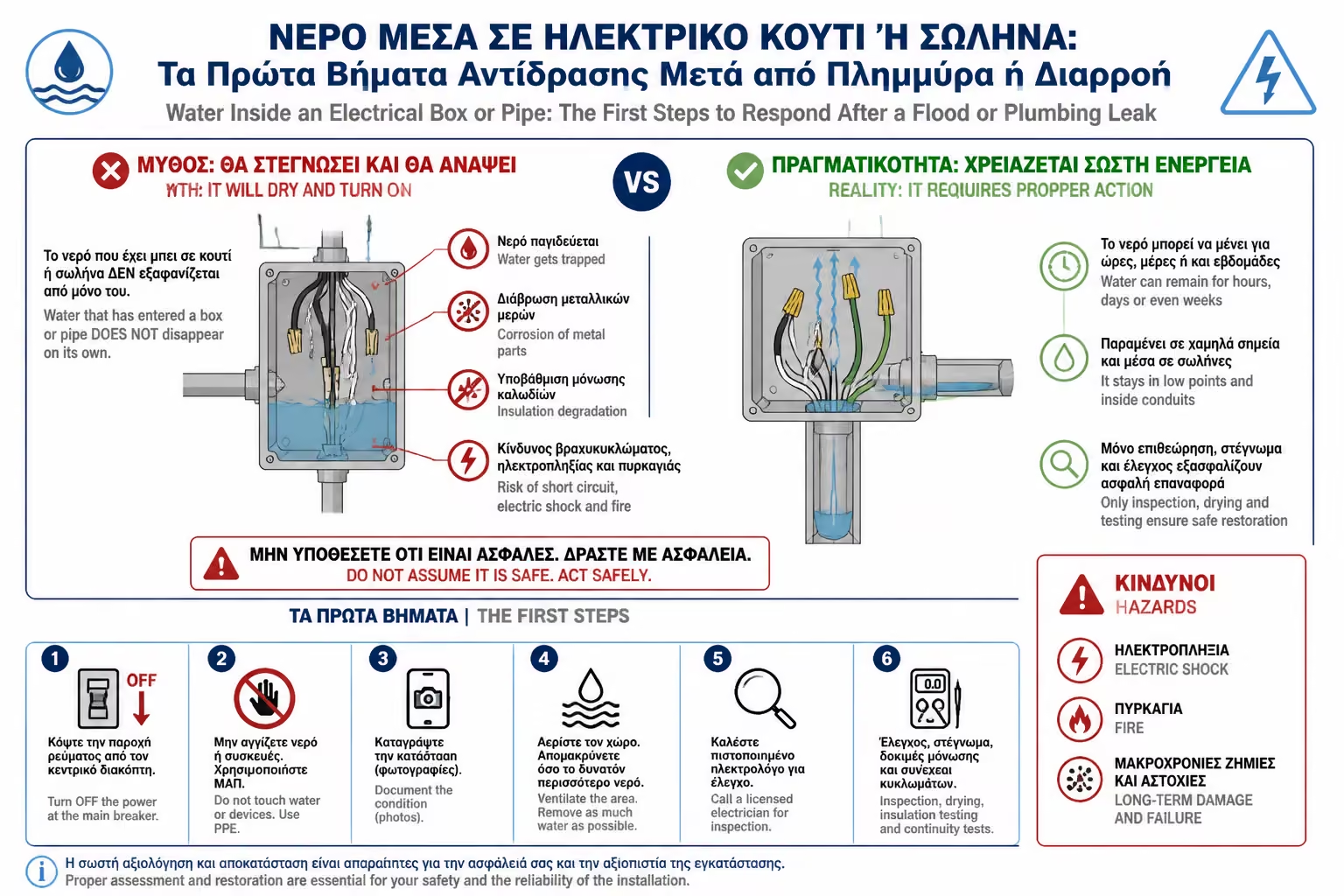
Drying the faceplate with a hair dryer is not restoration. Safe re-energisation requires inspection and testing.
A competent electrician will typically:
Remove and replace any sockets, switches or fittings that have been soaked rather than trying to reuse them blindly.
Clear trapped water and residue from conduit runs where possible, often using compressed air and controlled drying methods.
Before restoring power, test the affected cables with an insulation tester. If the readings are poor, the conductors may need to be replaced rather than reused.
When water reaches the electrical installation, the building becomes an active hazard zone. Cut the power safely, stop the leak, and involve both a plumber and an electrician. Never trust a soaked installation just because it looks dry from the outside.
This concludes Category C (Troubleshooting & Faults)! We've now covered legislation, maintenance, and crisis management.
We are ready to move to the final and most modern Category D: Smart Home, Green Energy & New Technologies.
Do you envision us putting a photovoltaic in your balcony socket, or setting up a "smart" panel? Shall we start the next phase?
Return to category.
Go to categoryReturn to the central guide.
Go to guide