Electric Shock in the Bathroom: The Hair Dryer Myth, the RCD and Why Outlets Must Stay Away from the Bathtub

If you ask an electrician what the most dangerous room in a house is, the answer will be unanimous and immediate: The bathroom.

In this small space, the three worst enemies of electrical safety meet: electricity, lots of water and wet human skin. Dry skin provides some natural resistance. Wet skin does not. That means dangerous current can pass through the body far more easily.

Let’s clear up a few movie myths, explain how modern protection devices save lives, and break down the strict rules about where outlets may and may not be installed in a bathroom.

1. The Hollywood Myth of the Hairdryer in the Bathtub

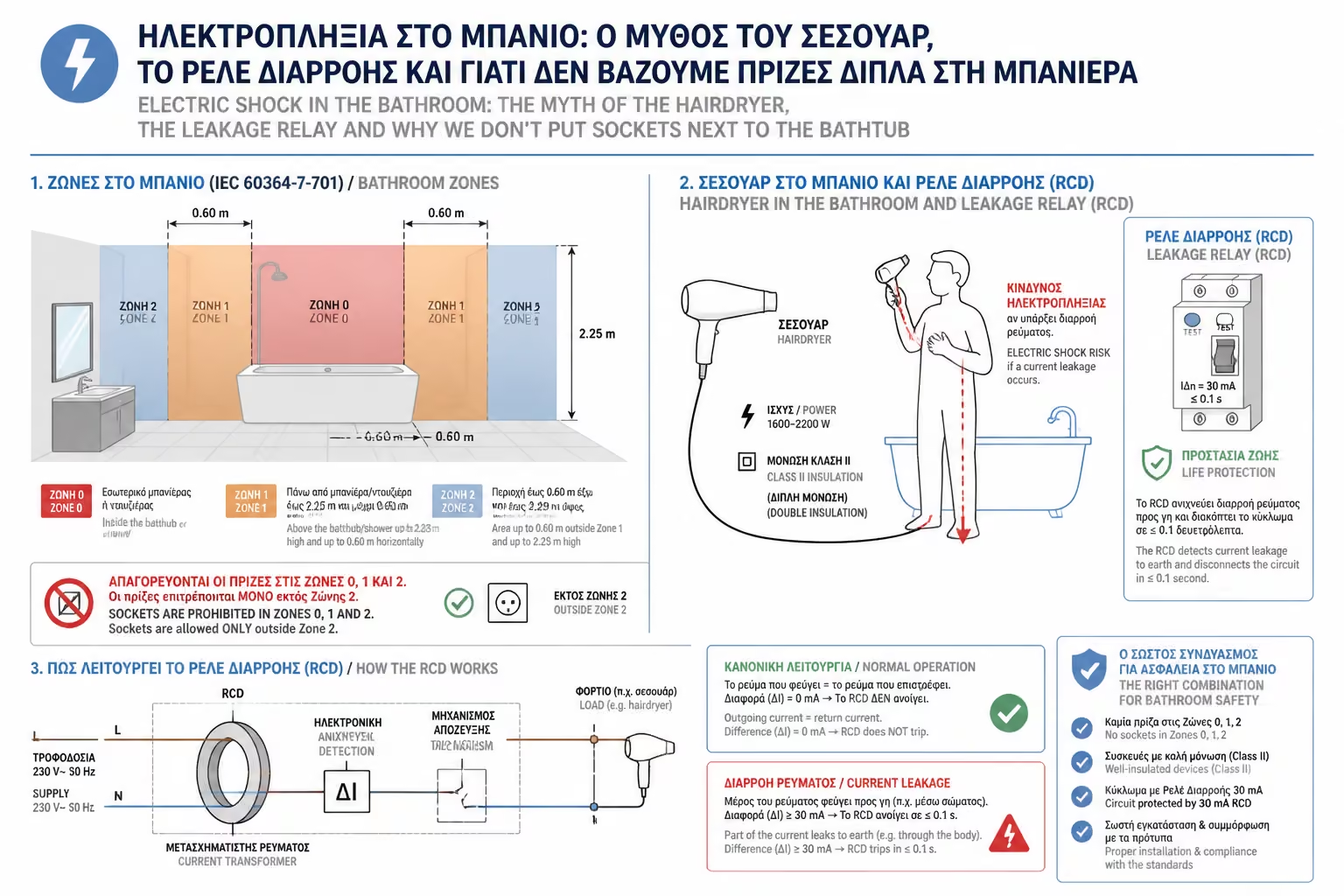
We've all seen the scene in thrillers or action movies: Someone carelessly takes a bubble bath, the killer throws a lit hair dryer into the water, sparks fly, and the victim is instantly electrocuted.

How realistic is that today? The answer depends entirely on a component of your electrical panel: the Leakage Relay (LDR) that we analyzed in Category B.

Warning: This doesn't mean you have to try your luck! Any 230V electrical device near a full bathtub remains extremely dangerous.

Illustration for 1. The Hollywood Myth of the Hairdryer in the Bathtub

The Movie Script (Without Relay)

If your house is old and does not have a leak relay, the film tells the absolute truth. Tap water (because of the salts) is an excellent conductor. The current from the hair dryer will travel through the water, pass through your body to find a ground (eg from the metal drain pipe) and the result will be fatal. The general panel fuse will not blow in time, because the current that kills you (only 50mA) is much less than the one that blows the fuse (16 Amperes).
Reality Today (With Relay)

If you have a modern, working leakage relay (which you test monthly), the story changes. As soon as the hair dryer touches the water and the first milliampere (mA) tries to "leak" towards the water and your body, the relay will sense it. In less than 30 milliseconds (before you even feel the pain), it will "drop" the general, cutting the power and saving your life.

2. Bathroom "Safety Zones" (The Legislation)

Illustration for 2. Bathroom "Safety Zones" (The Legislation)

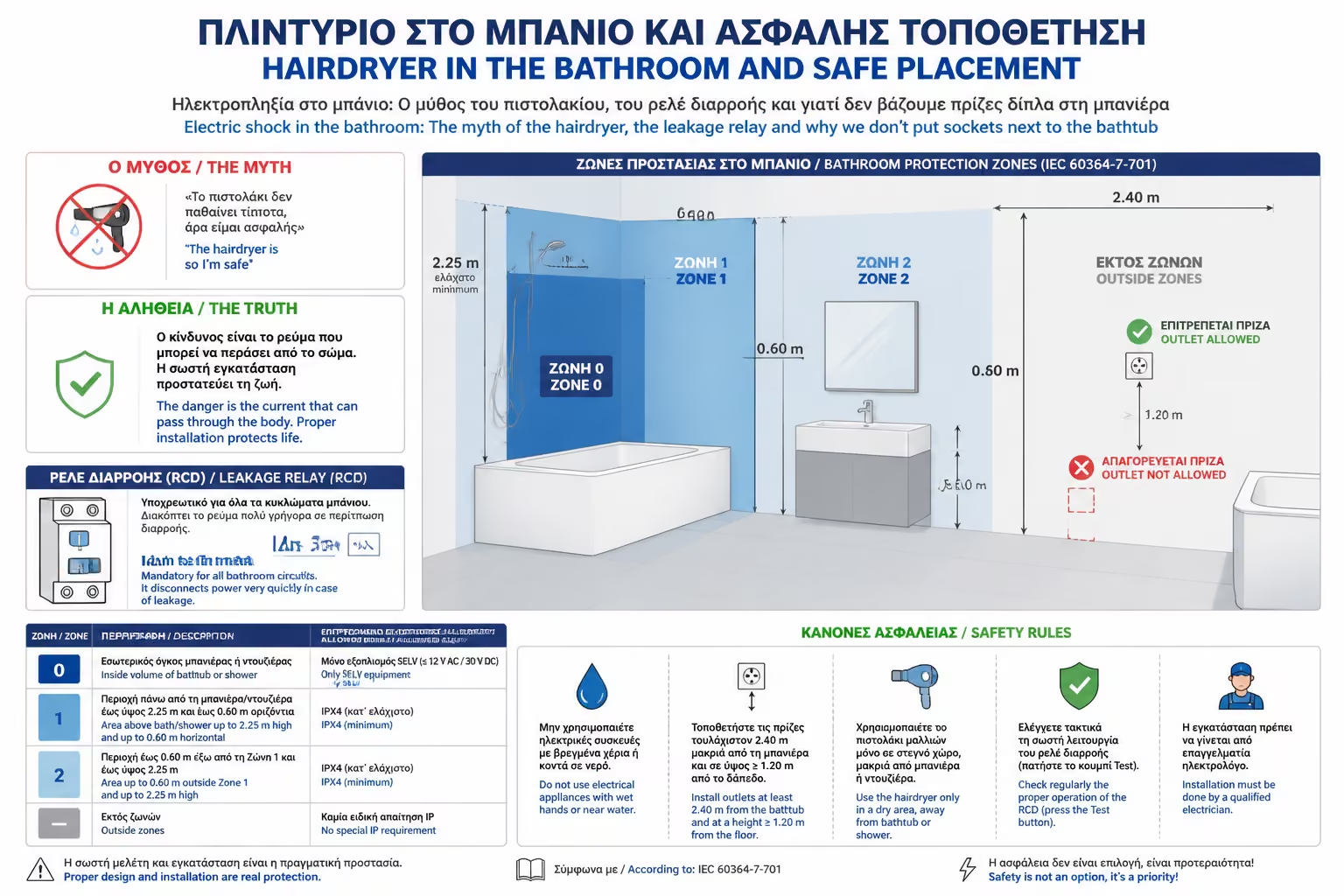
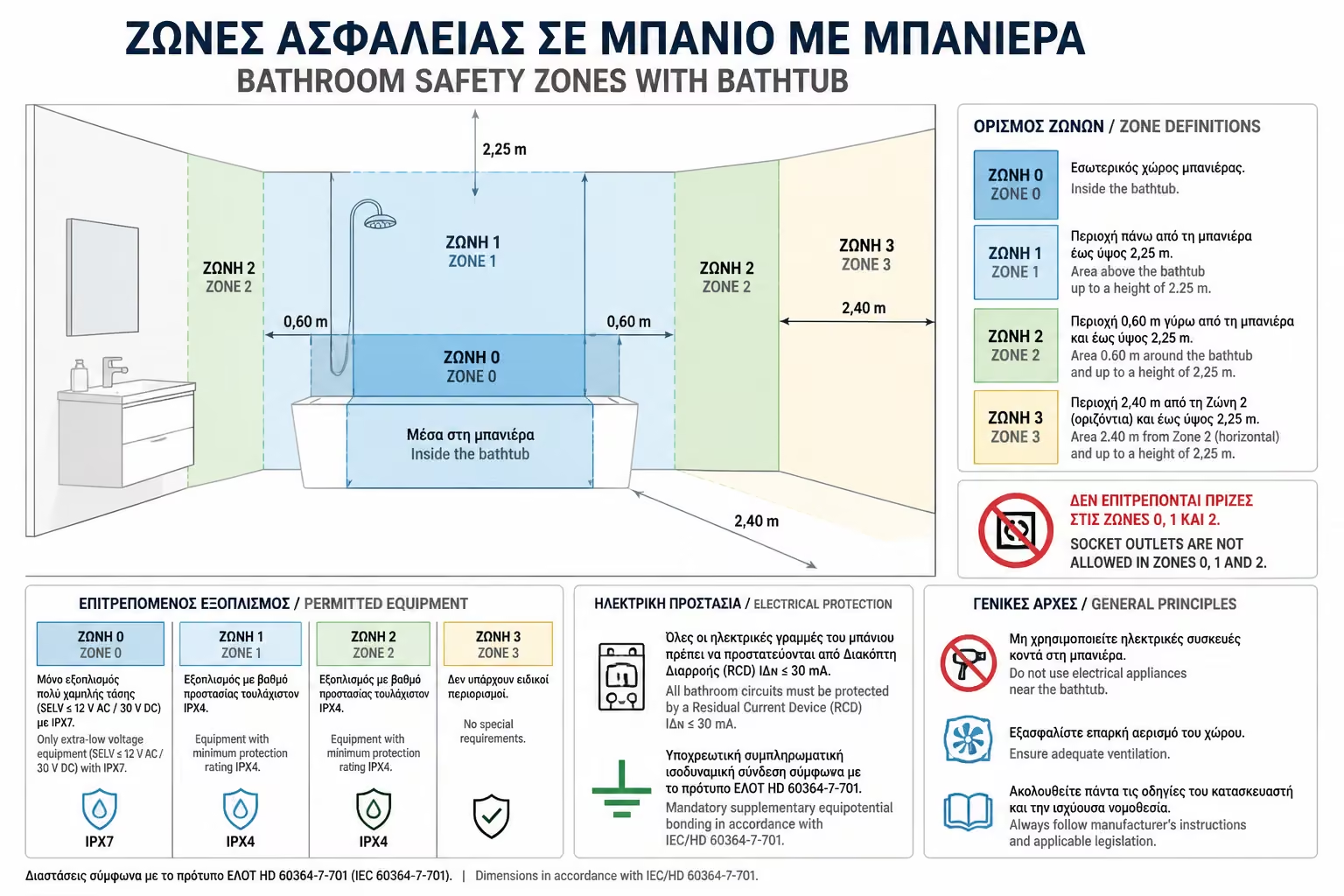
Due to the enormous risk, the Regulation of Indoor Electrical Installations (ELOT 60364-7-701) treats the bathroom as a minefield. It divides it into strict geometric Zones, with the bathtub or shower as the center:

Zone 0 (The inside of the bathtub/shower)

ONLY low safety voltage (up to 12V AC) and devices with the absolute degree of waterproofness (IPX7 - immersion resistance) are allowed here. Obviously, no 230V socket.

Zone 1 (The space directly above the bathtub, up to 2.25 meters high)

Only the electric water heater (if it is properly sealed) and ventilation fans are allowed to enter here. Sockets and switches are strictly prohibited.

Zone 2 (The 60cm radius around the bath/shower)

Normal sockets (Schuko) are prohibited. The only exception is special "Shaver Sockets", which have a built-in isolation transformer to prevent electric shock.

Zone 3 (Outside Zone 2)

Only here (practically away from the tap and splashes) is it allowed to install a normal outlet to put the hair dryer or the washing machine. Of course, only if protected by a 30mA leakage relay.

3. The Invisible Threat: Condensation

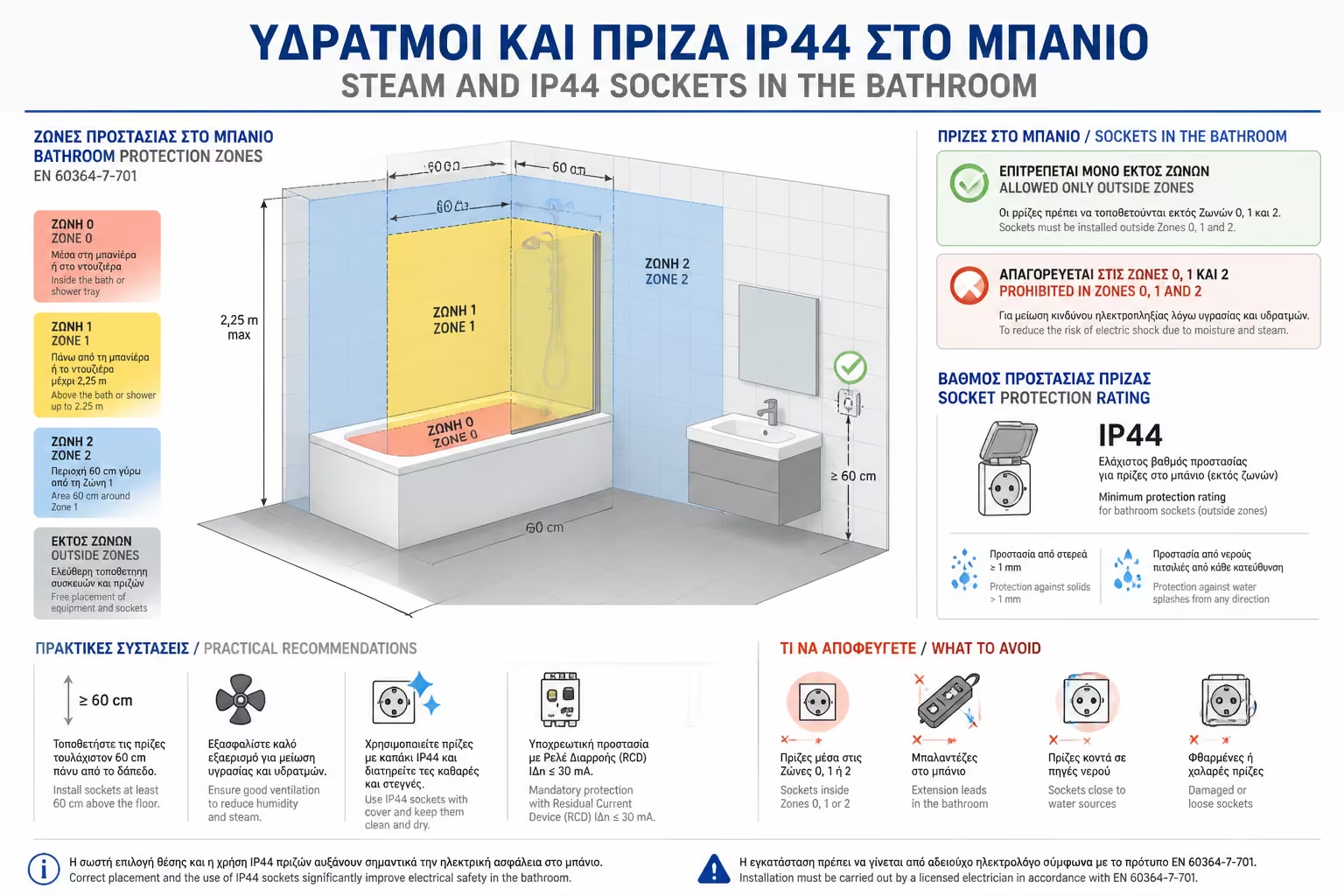
Even if your outlet is properly placed on the opposite wall from the shower, there is an enemy approaching it: Water Vapor.

When you take a hot bath with the door closed, the mirror dims. The exact same thick layer of moisture (condensation) also sits on the plastic of the outlet. Even worse, it gets through the socket holes and sits on the metal plates.

  • If your hands are even slightly damp when you go to put the dryer on, that surface moisture in the outlet can act as a "bridge" to carry current to your fingers.
  • The Solution: Sockets in the bathroom (even in Zone 3) should have a plastic protection cap (IP44). When not in use, the lid remains closed, preventing water vapor from entering the mechanism. In addition, good ventilation (open window or fan) is vital electrically, not just to keep the walls from getting mouldy!
Illustration for 3. The Invisible Threat: Condensation

4. What about the Laundry in the Bathroom?

Illustration for 4. What about the Laundry in the Bathroom?

In Greece, due to lack of space (laundry rooms), 90% of laundries are located in the bathroom. Is it safe?

Yes, as long as the rules are followed:

  1. The washing machine (and its outlet) must be located outside Zones 0, 1 and 2 (at least 60 points away from the edge of the bathtub).
  2. The outlet must have excellent Earthing. The washing machine has a metal chassis and works with water. If there isn't a proper ground to "pull" the leakage current in the event of a fault, you will pull it yourself as soon as you touch the bin to take out the clothes.

Summarizing

The bathroom is not a place for "TV across from the bath" type of luxury (as seen in luxury magazines), unless extremely strict waterproofing studies have been carried out. The combination of 230 Volts and water does not forgive even half a mistake. Keep your appliances away from water, never leave your hair dryer or shaver plugged in over the sink, dry your hands thoroughly before using any switch, and above all, make sure your Leakage Relay is working perfectly.

Next Step: No matter how careful we are, accidents happen. What if you find a person "stuck" in the current?

We continue with the most critical survival guide: Electrocution First Aid: What to do (and especially what NOT to do) if someone gets electrocuted.

Related Articles

Preview