Prevention
The starter battery should be maintained by a permanent trickle charger or charger-maintainer, which keeps it fully charged between test runs.
When a severe storm or grid failure hits your area, the generator set becomes the last line of defence for a building. Whether this is a country house, a hotel, or a clinic, the generator keeps critical loads alive when the public supply is lost.
Here, though, we encounter the biggest paradox of backup power: We buy an expensive machine, put it away for years waiting for the one and only time we'll need it, and when the power outage finally happens, the generator... refuses to kick on.
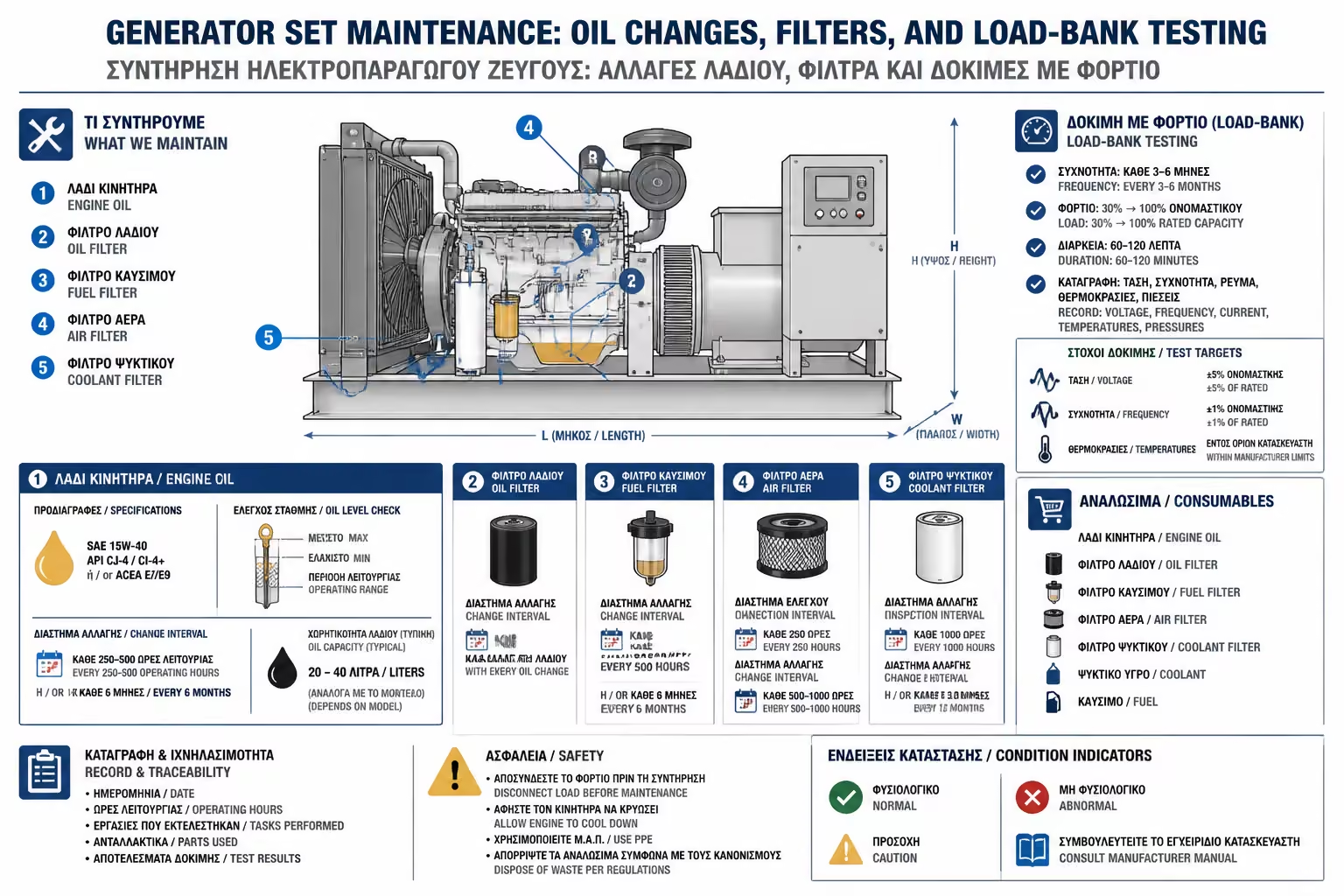
A generator isn't just an electrical component; it's an internal combustion engine, just like your car. It requires mechanical care. Let's see what its vitals are, why running it "idling" destroys it, and what the infamous Load Bank Testing is.
If you ask maintenance technicians why generators fail to start during an outage, one of the most common answers is simple: a dead starter battery.
Most generator sets use a lead-acid starter battery. If the machine stays idle for months, that battery will slowly discharge and degrade.
The starter battery should be maintained by a permanent trickle charger or charger-maintainer, which keeps it fully charged between test runs.
These batteries lose starting capacity (CCA) over the years. They require mandatory replacement every 3 to 4 years, even if they appear to be working well.
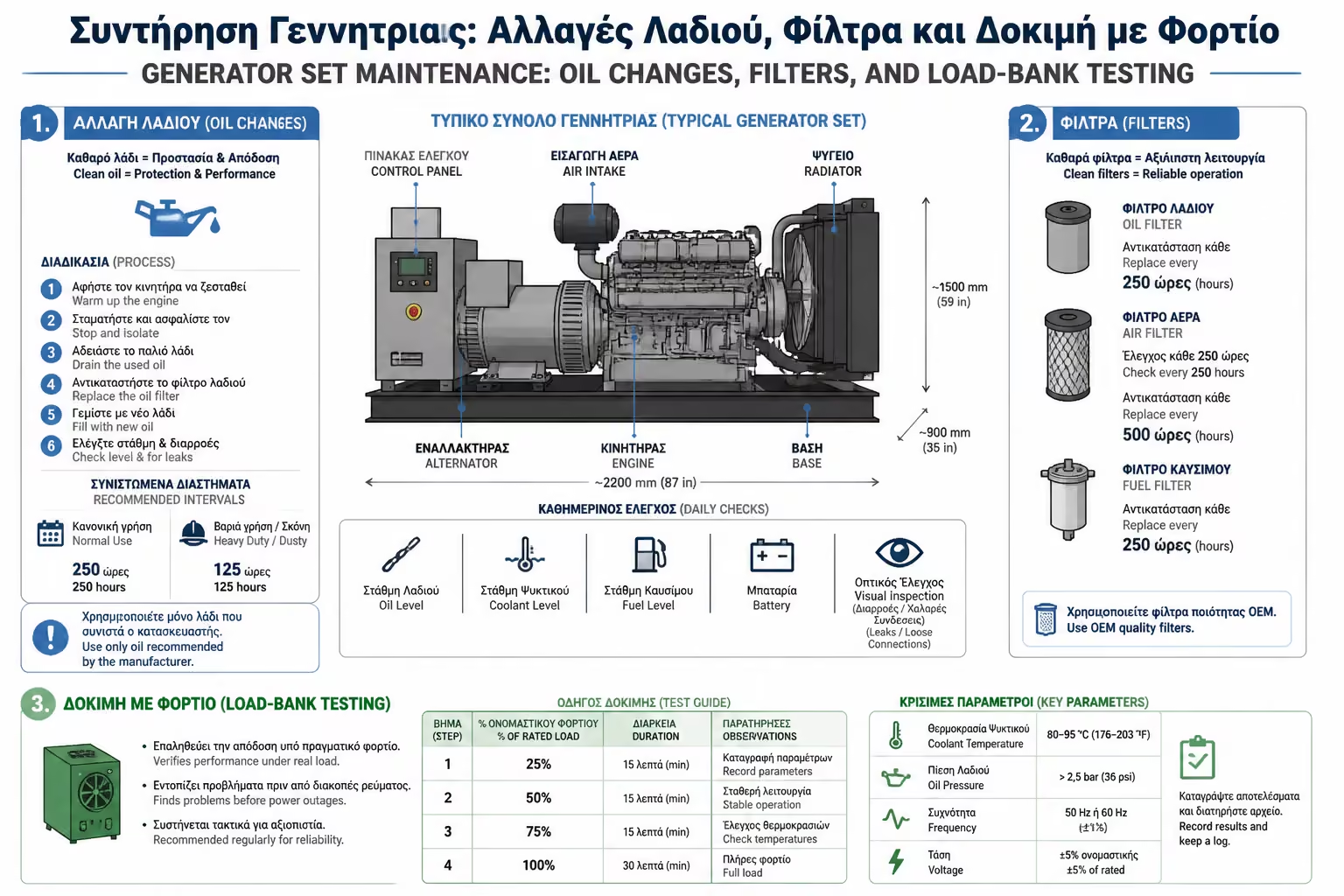
Just as a car needs scheduled service, the same applies to a generator-set engine, even if the hour counter is still low.
Engine oil, even if it is not working, absorbs moisture from the atmosphere, oxidizes and loses its lubricating properties. It must be changed strictly once a year.
Diesel has an expiration date. If it sits in the tank for more than 6-12 months, slime-like microorganisms (fungi/bacteria) form (Diesel bug). This sludge instantly clogs the Fuel Filter as soon as the generator kicks in, killing the engine in seconds. The use of special chemical improvers (biocides) and periodic cleaning of the tank is required.
Antifreeze chemicals break down over time. It is recommended to change it every 2-3 years to prevent corrosion on the engine walls.
Many owners run their generator (especially diesel) for 10 minutes each month without connecting the house loads, "just to get the engine running". This is a disastrous mistake called Wet Stacking.
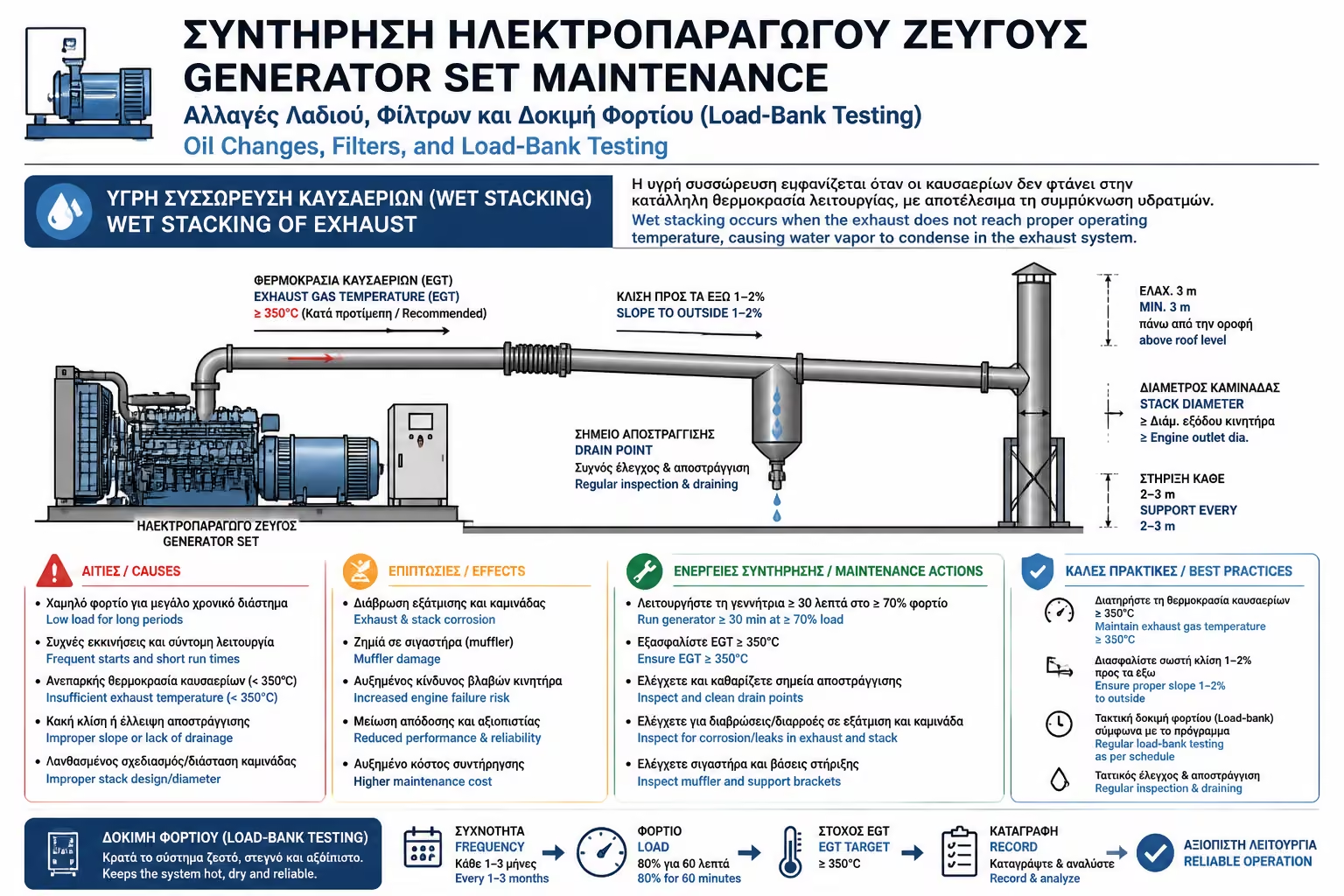
A Diesel engine is designed to work under load and at high temperatures. If you run it at idle (no load), the combustion chamber does not get hot enough.
The oil does not burn completely. Unburnt fuel and smoke begin to liquefy (like black tar) and stick to the valves, pistons and exhaust. Over time, the engine "chokes", dramatically loses power and can be destroyed.
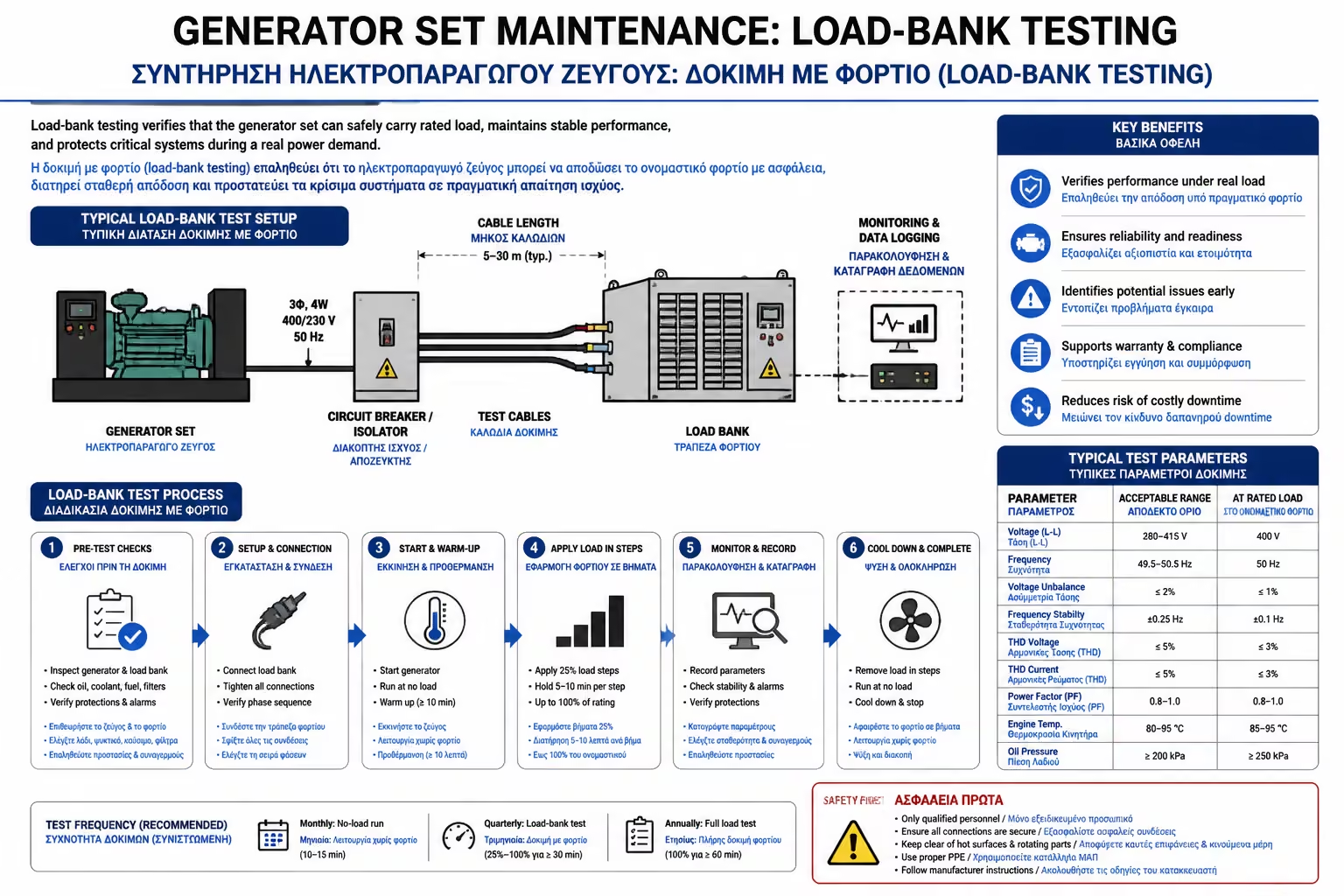
To prevent Wet Stacking and to make sure the generator can "lift" the actual weights of the building, engineers don't do simple idle tests. They do Load Bank Testing.
In a load-bank test, the technician connects the generator to a dedicated external load unit that simulates real building demand.
A generator without regular maintenance is just a heavy piece of metal in your garden. By implementing the right program, you ensure that, when the lights go out, your "reserve army" will spring into action in less than 10 seconds.
Next Step: Since we're talking about backup power, critical systems (like computers and routers) can't even handle the 10 seconds the generator takes. That's what we have UPS for. But what about their batteries?
We continue with the next vital maintenance: UPS Battery Life Cycle: When they need a change and how to tell when your battery is "bloated".
Visual check for oil leaks, check fuel level, and automatically start the system (Exercise Run) with load (or even 30% of the building load) for 20-30 minutes.
Full Service. Change oils, oil filters, air filters, fuel filters and check belts.
Changing starter batteries, replacing antifreeze and scheduling a professional Load Bank Test.
Return to category.
Go to categoryReturn to the central guide.
Go to guide