Tightening Panel Contacts: The Number One Preventative Task That Saves Homes From Short Circuits and Sparks

In the previous article, we saw how a thermal camera can reveal a cable or terminal that is overheating inside the electrical panel. In most cases, the cause is deceptively simple: a loose terminal screw.

If you ask an experienced electrician or Fire Service expert what the most common cause of electrical fires in homes is, they won't tell you lightning strikes or faulty appliances. He will talk to you about "Loose Connections".

Periodic tightening of panel connections is one of the most underestimated but most important maintenance tasks in a building. Let's look at why the panel gradually loosens over time, how that leads to overheating, and why a proper torque screwdriver matters.

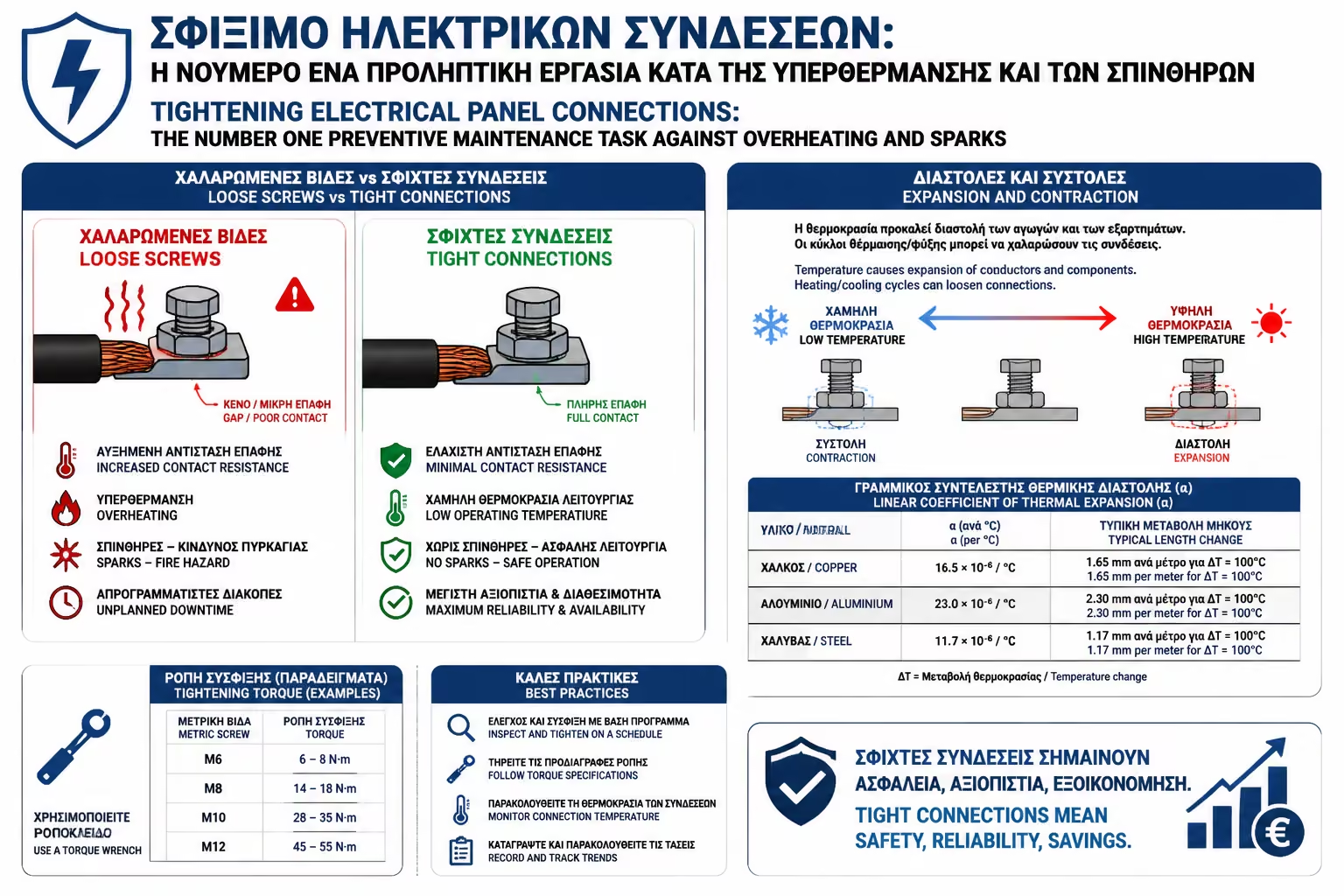
1. The Physics: Why do screws loosen by themselves?

Your home panel does not move, does not receive vibrations from the road and is well protected. How can the cables come loose?

The answer lies in the laws of thermodynamics and alternating current:

Illustration for 1. The Physics: Why do screws loosen by themselves?

Thermal Cycling

The wires are made of copper and the fuse contacts are made of various metal alloys. When you turn on the water heater or oven, the current heats the wire. Copper expands (swells). When you turn off the device, the cable cools and shrinks. This constant swelling and shrinking motion, day after day, year after year, subtly "pushes" the screw out.

Alternating Current micro-vibrations

Alternating current changes direction constantly. That creates tiny electromagnetic stresses in heavily loaded conductors and terminals, contributing over time to loosening.

Copper Creep

Pure copper is a relatively soft metal. If pressed hard by a screw, over the years it "yields" to the pressure and deforms slightly, creating a minimal gap between the wire and the screw.

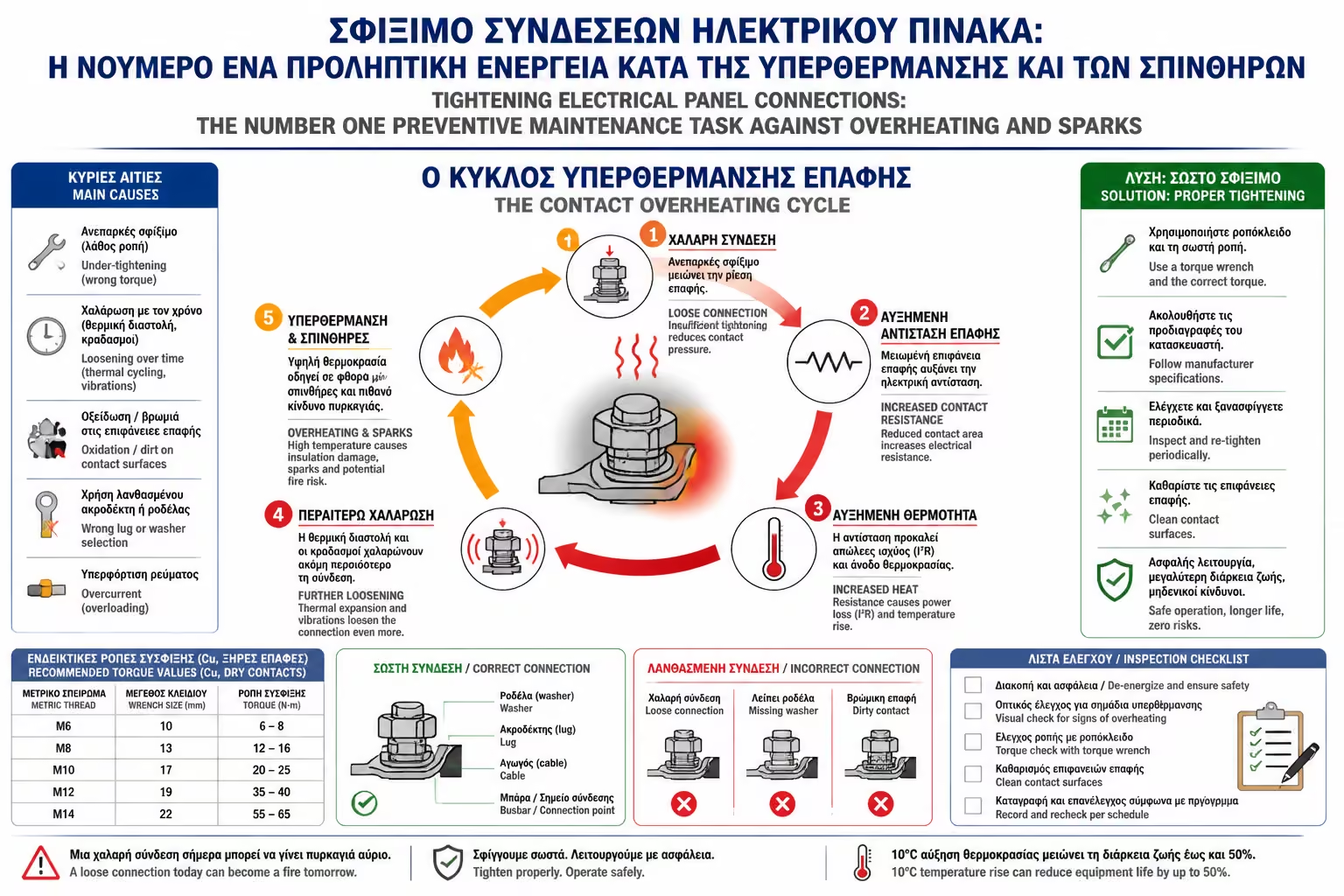
2. The Vicious Cycle of Destruction

Illustration for 2. The Vicious Cycle of Destruction

What happens when that gap is created, even a fraction of a millimeter?

  1. Increased Resistance: Current no longer passes through the full contact surface of the conductor. It is forced through a much smaller contact area.
  2. Heat Generation: Due to the increased resistance, the point of contact begins to heat up excessively (the Joule effect).
  3. Oxidation: Heat causes copper to oxidize (tarnish) much faster. Copper oxide is an insulator, which increases the resistance even more!
  4. The Spark (Arc): Eventually, the contact becomes so bad that the current tries to "jump" through the air to reach safety. This creates sparks (Arc Faults). The sparks produce temperatures of thousands of degrees.
  5. The Result: The fuse plastic and wire insulation melt, smoke and ignite.

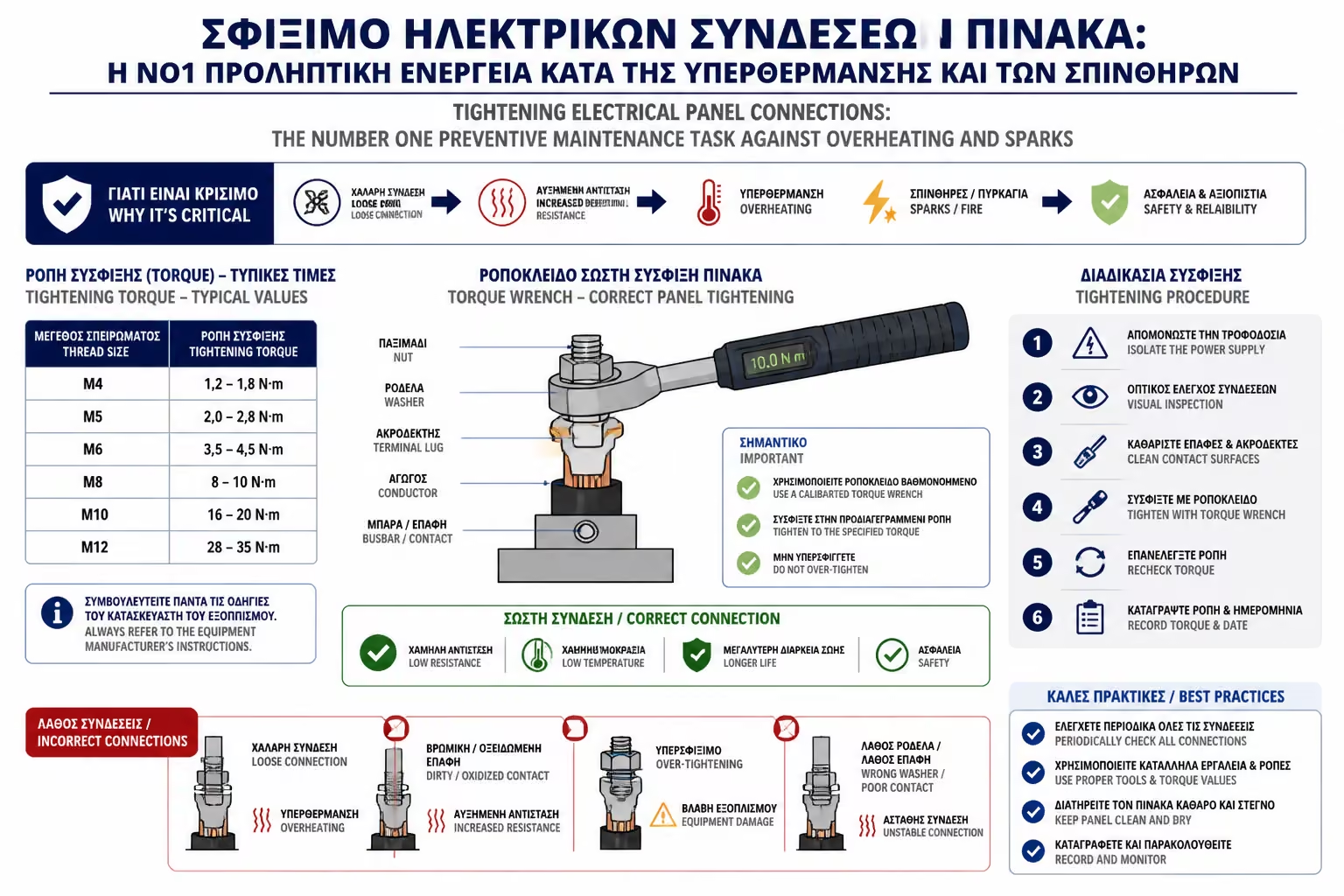
3. The Right Process: Why a Torque Screwdriver Matters

Tightening panel connections is not a casual DIY job. Parts of the installation can remain dangerous even when the main switch is off, so this work belongs to a licensed electrician.

When the licensed electrician undertakes the maintenance, he does not use a simple screwdriver to tighten the screws "as far as it will go". This is a common mistake that crushes cables.

The right professional uses a special, insulated Torque Screwdriver.

  • Each manufacturer of electrical equipment (e.g. Hager, Schneider, ABB) indicates on the fuse the exact Tightening Torque required (e.g. 2.5 Nm - Newton meters).
  • The electrician adjusts his screwdriver to exactly 2.5 Nm. When screwing, once it reaches the perfect, factory pressure, the screwdriver makes a "click" and stops tightening. Thus, the copper is pressed exactly as needed to make perfect contact, without being injured and cut.

Illustration for 3. The Right Process: The Role of the Torque Screwdriver

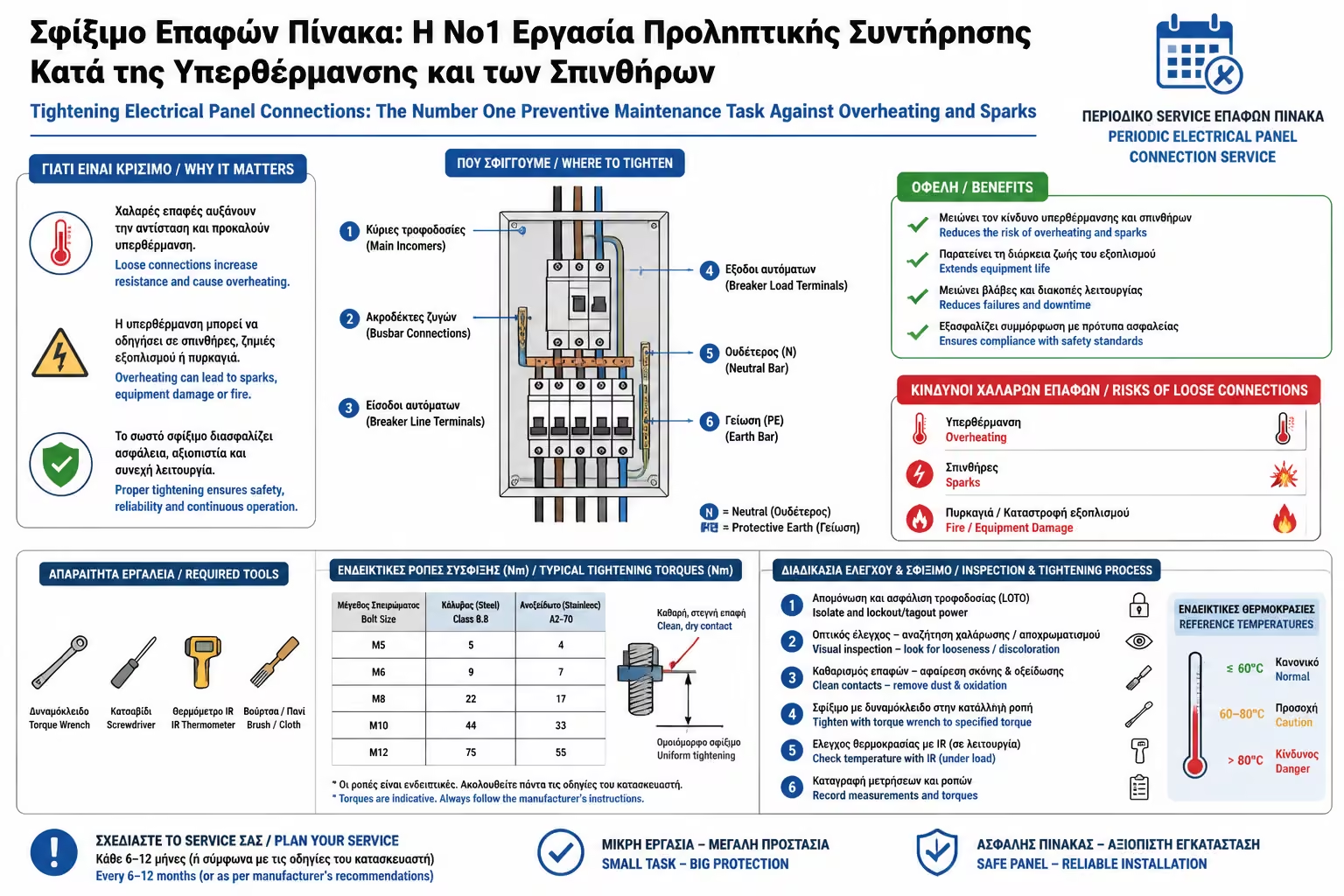
4. How often should Tightening be done?

Illustration for 4. How often should Tightening be done?

You don't have to do it every month, but you don't have to leave it to its own devices for decades either.

Domestic Installations (Standard Loads)

A check and retightening every 5 to 7 years is a sensible interval for a typical home. It is often combined with a broader panel inspection or a YDE renewal check.

Modern "Heavy" Houses

If your house has a Heat Pump, induction hobs and an electric car charger (Wallbox), the loads are huge. Thermal contractions-expansions are much more intense. Here the tightening (at least on the heavy lines) should be done every 2 to 3 years.

Industry & Hotels

Tightening all MDBs is a mandatory annual routine, which is often recorded in special maintenance books (Logbooks).

Summarizing

A board that "smells fishy" or plastic, or a water heater that is slow to heat water, are often the last warning signs of a loose contact. Preemptively tightening all panel screws with the appropriate torque wrench is a 15-minute job that costs little, but is the ultimate "firewall" against the most common cause of electrical fires.

Next Step: The electrical panel is now fully maintained and safe. But what about building backup power if you're in an area with frequent outages?

We continue with the base unit guide: Generator Maintenance: Changing Oils, Filters and Load Bank Testing.

Related Articles

Preview