What Is Happening
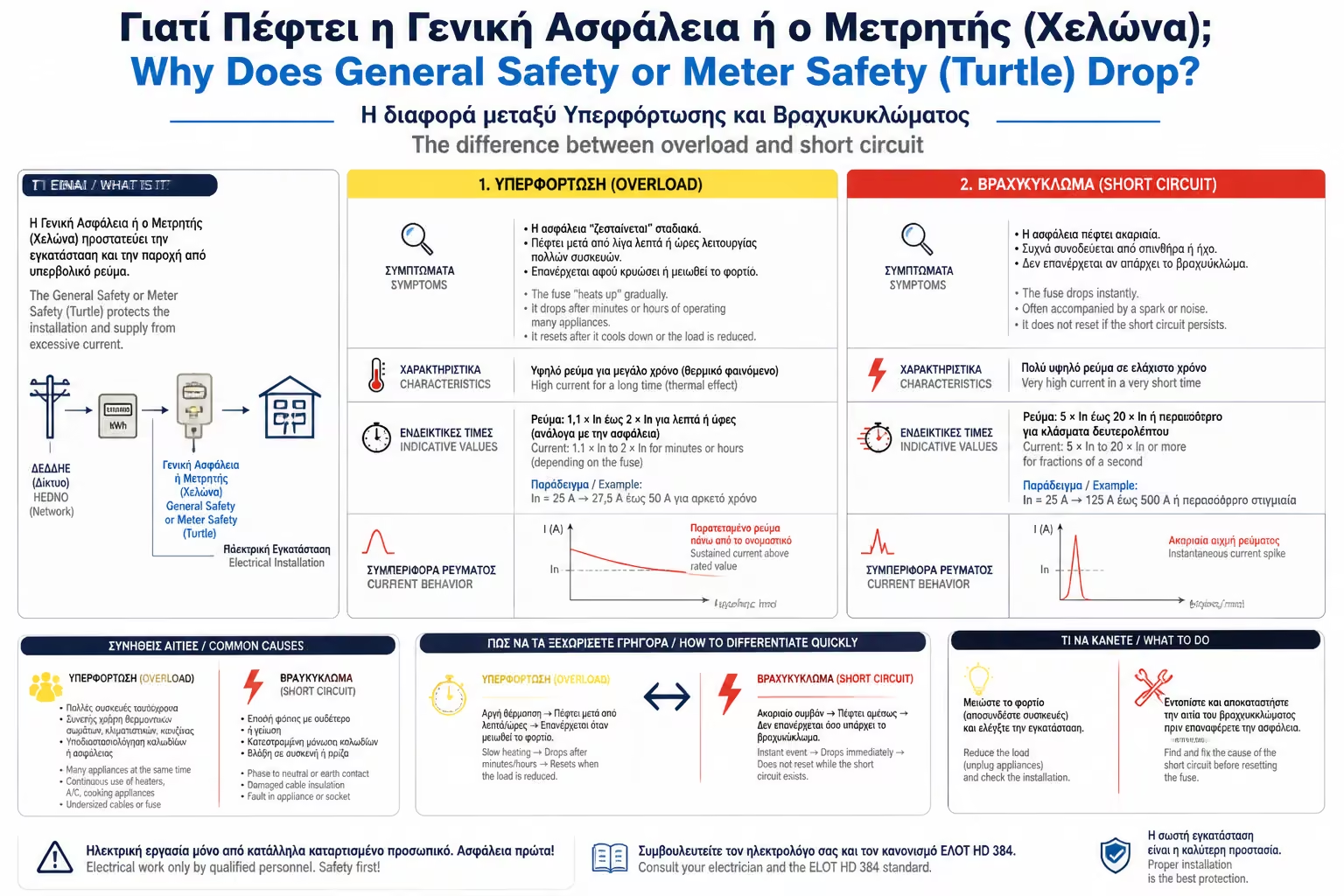
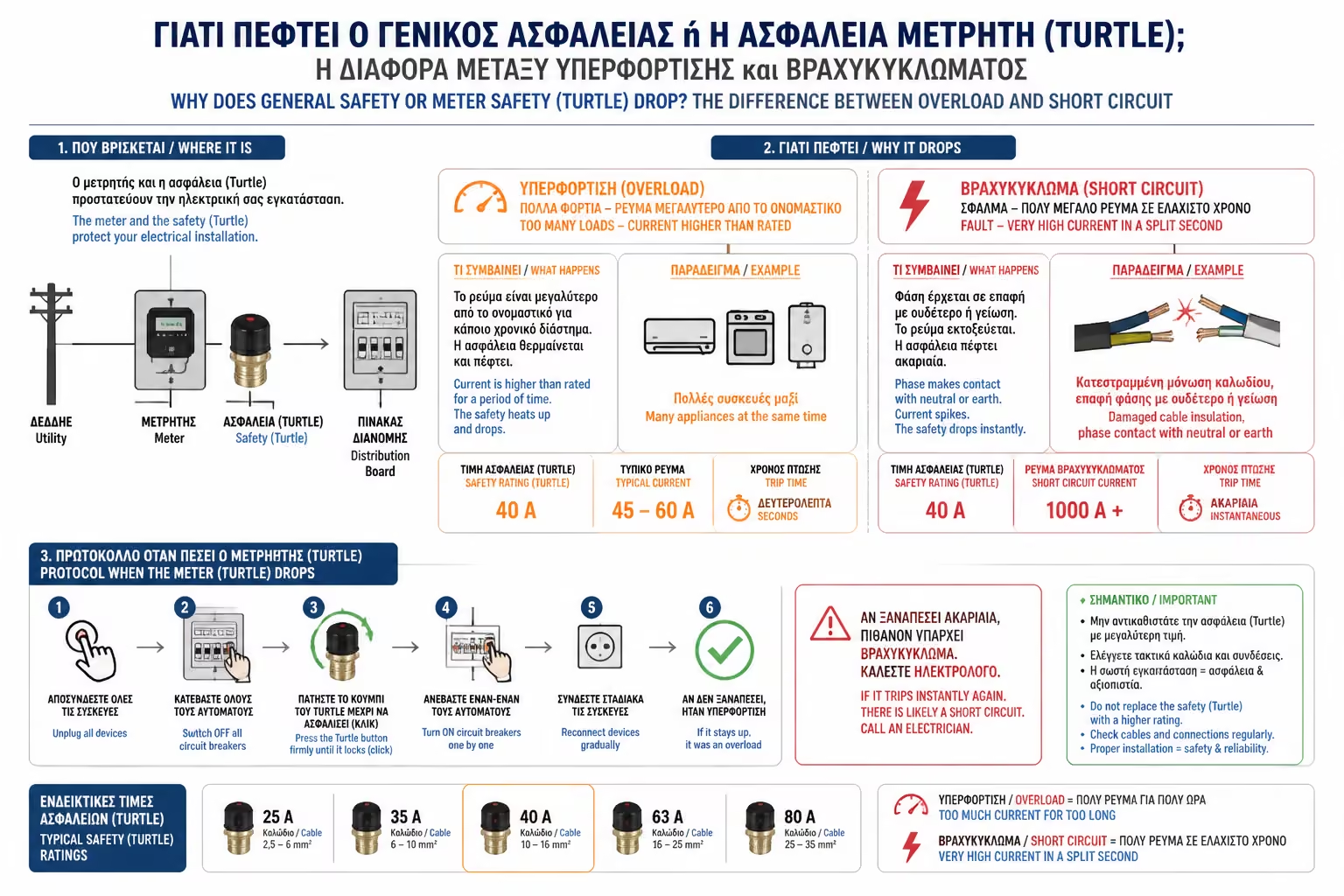
If the oven, water heater, washing machine and a high-power heater all run together, the total current can exceed the rating of the main breaker or service fuse.
In the previous article we covered RCD trips caused by current leakage. But there is another scenario: the RCD stays on, while the main breaker in your panel trips, or even worse, the protection at the electricity meter disconnects the supply.
In this case the issue is not leakage to earth. The issue is that the current is either too high for the circuit to handle, or it has found an unintended direct path between conductors.
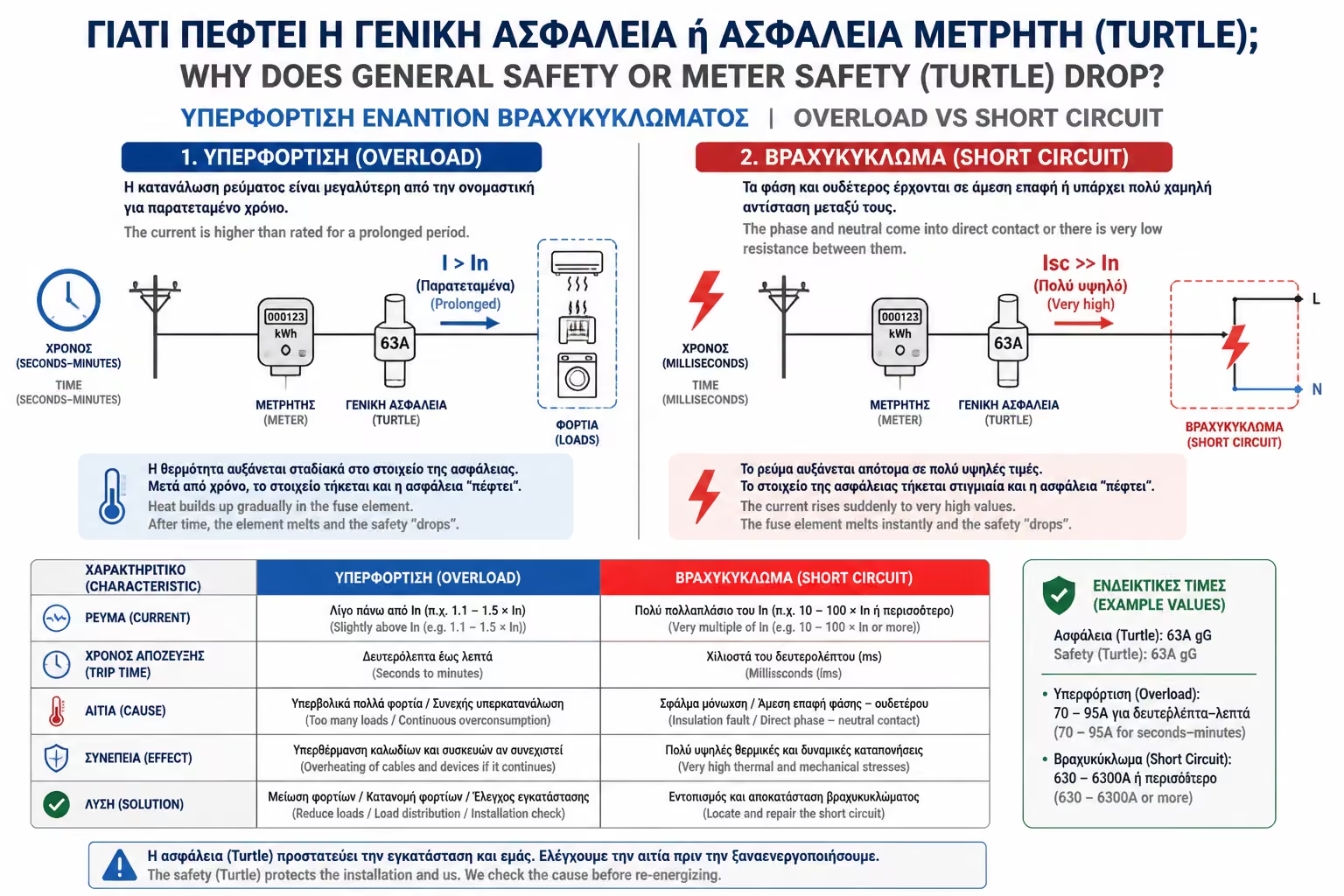
Those two causes are overload and short circuit. They are not the same, they do not behave the same way, and they do not require the same response.
Overload is the most common scenario in older single-phase homes. Every installation has a practical load limit based on the service size, wiring and protective devices.
If the oven, water heater, washing machine and a high-power heater all run together, the total current can exceed the rating of the main breaker or service fuse.
Overload usually does not trip instantly. Thermal protection builds up over time, so the circuit may run for several minutes before the breaker disconnects.
If you reset the breaker and it stays on until heavy appliances are used together again, overload is the likely cause.
Reduce simultaneous heavy loads, redistribute circuits where possible, or discuss a service upgrade with the grid operator if the demand is consistently too high.
A short circuit is abrupt, violent and much more dangerous than overload.
The phase conductor comes into direct contact with neutral, or sometimes earth, with almost no resistance in between. This can happen in a damaged cable, melted outlet, failed appliance or burnt control board.
The fault current rises extremely fast and the protective device trips almost immediately, often with a loud bang or sharp crack.
If the breaker trips back immediately on reset, or if reconnecting a specific appliance causes an instant trip, you likely have an active short circuit.
Disconnect suspect appliances one by one. If the fault remains, the short may be in the fixed wiring and requires electrical diagnosis.
A common frustration is this: nothing obvious has tripped inside the house, yet the supply has gone off and the issue is out at the meter.
In many cases the reason is poor selectivity between the protective devices.
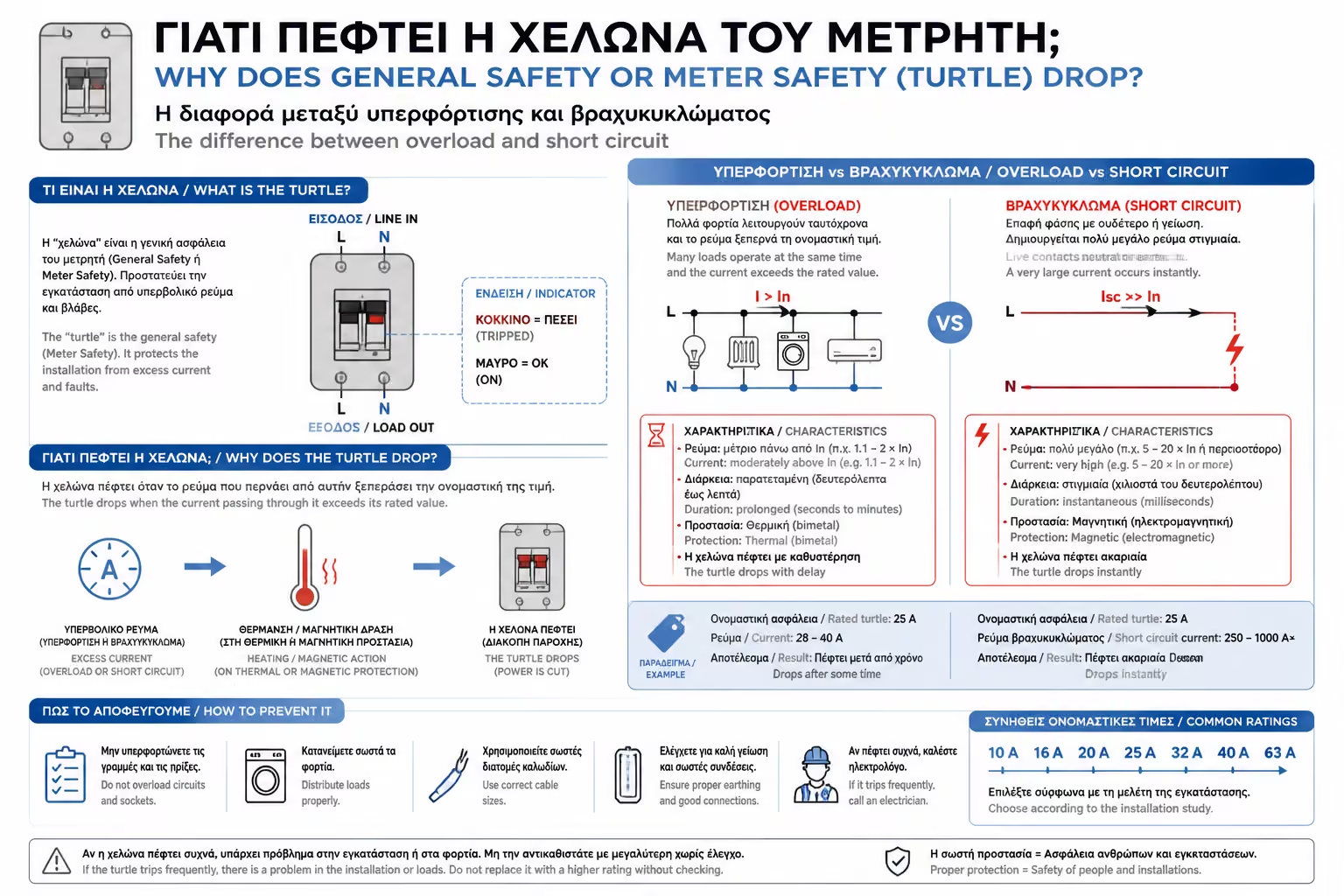
Reset it carefully just as you would reset a breaker in your home panel, provided the installation is dry and there is no sign of active fault, smell or burning.
In older installations the meter assembly may contain a ceramic fuse rather than a resettable breaker. If that fuse has operated, it must be replaced. Because it is usually behind a sealed cover, replacement is normally a job for the grid operator rather than the homeowner.
If the supply is lost and the RCD has not tripped:
Next Step: Before a breaker trips, the installation sometimes gives a much stranger warning first: a sharp smell, often described as fishy or chemically burnt.
Next we look at one of the most important fire warnings in a home: a fishy or burnt-plastic smell coming from an outlet or electrical fitting.
Return to category.
Go to categoryReturn to the central guide.
Go to guide