Circuit Breakers (MCBs)
They protect cables and devices from overload or short circuit. If you connect phase to neutral, the fuse blows to prevent the wall from catching fire.
We enter Category B, which is dedicated to prevention. The philosophy here is simple: Maintenance always costs less than repair (or destruction).
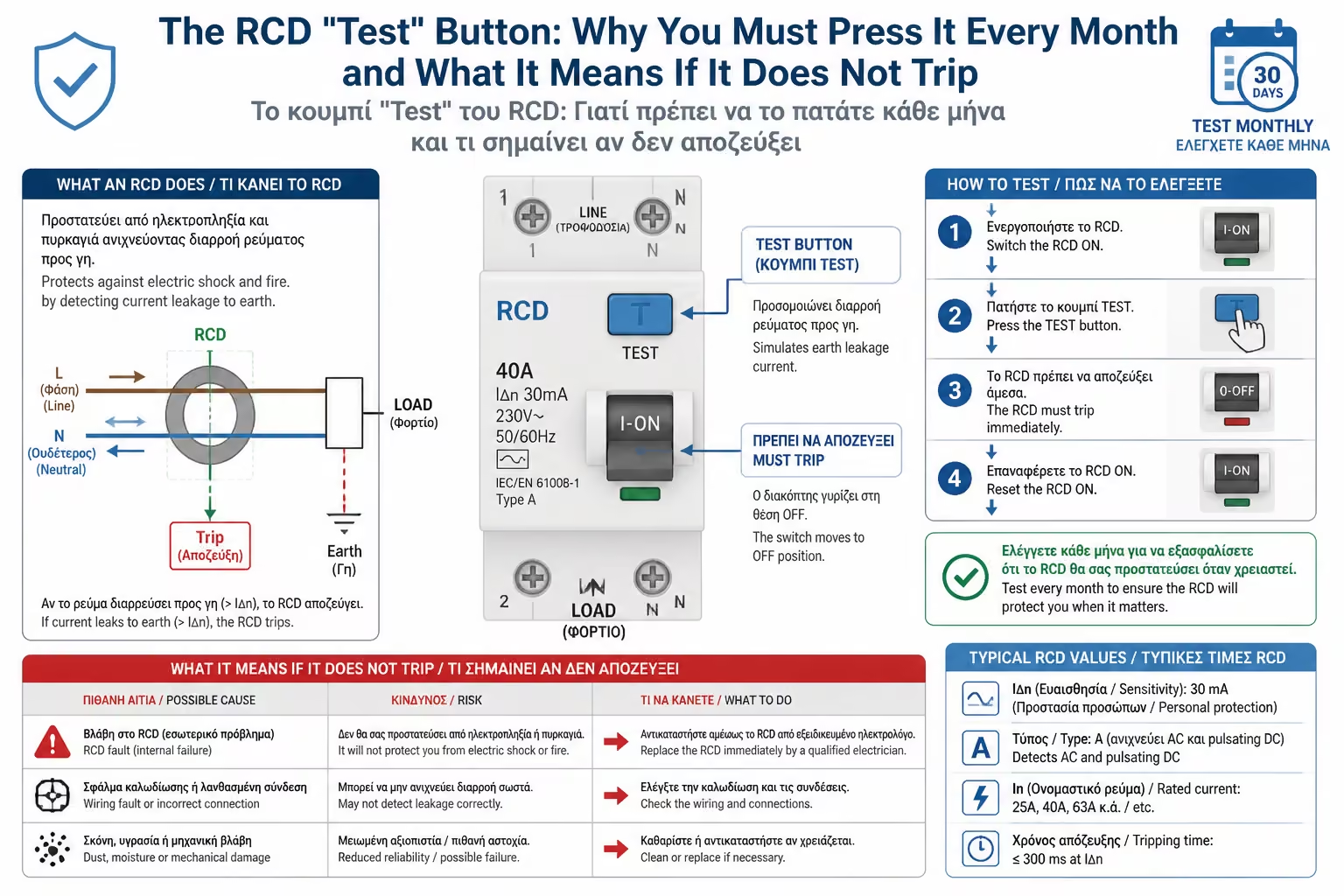
Open your electrical panel. Among the dozens of switches and fuses, there is one switch (usually wider than the others) that has a small, often colored, button with the letter "T" (Test) on it.
This device is the residual-current device (RCD), commonly known in Greece as the leakage relay. It is the only device in the whole house designed primarily to protect human life rather than cables. Yet most people never press this button, not realising that an untested relay may effectively be a dead relay.
Let's see how this guardian angel works, why pressing "Test" is a matter of life and death, and how to test it safely.
To understand why it matters, we need to separate the roles inside your electrical panel:
Electrocution scenario: suppose you touch the metal casing of a faulty washing machine and current starts flowing through your body to earth. The RCD "sees" that 10 amperes entered the installation but only 9.97 amperes returned. The missing 0.03 amperes (30 mA) are leaking somewhere dangerous. In milliseconds, the device trips and cuts the supply before the shock becomes fatal.
They protect cables and devices from overload or short circuit. If you connect phase to neutral, the fuse blows to prevent the wall from catching fire.
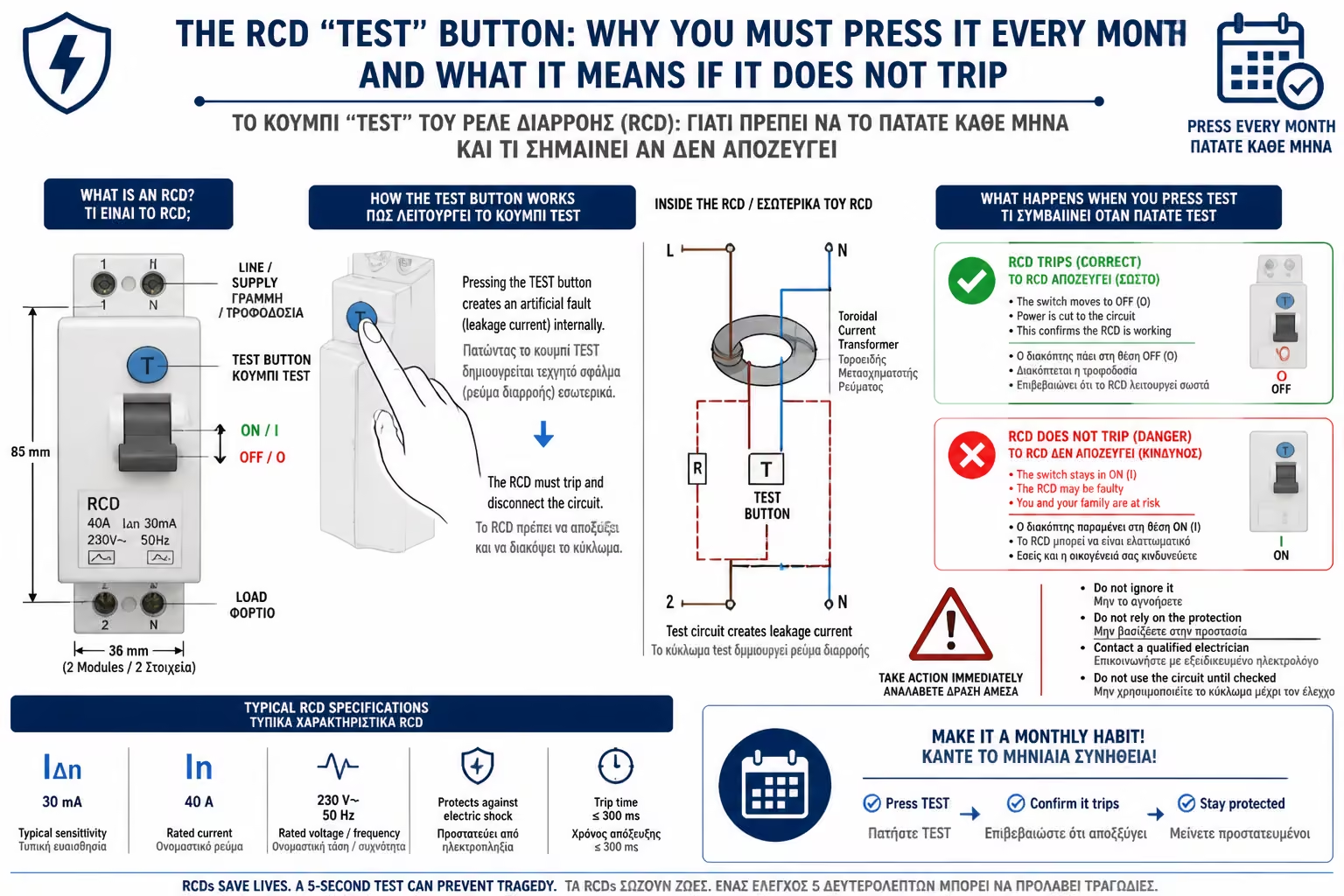
It protects you. It works like a precision scale. It measures how much current "enters" your home (from the Phase) and how much "leaves" (from the Neutral). These two numbers must be absolutely equal.
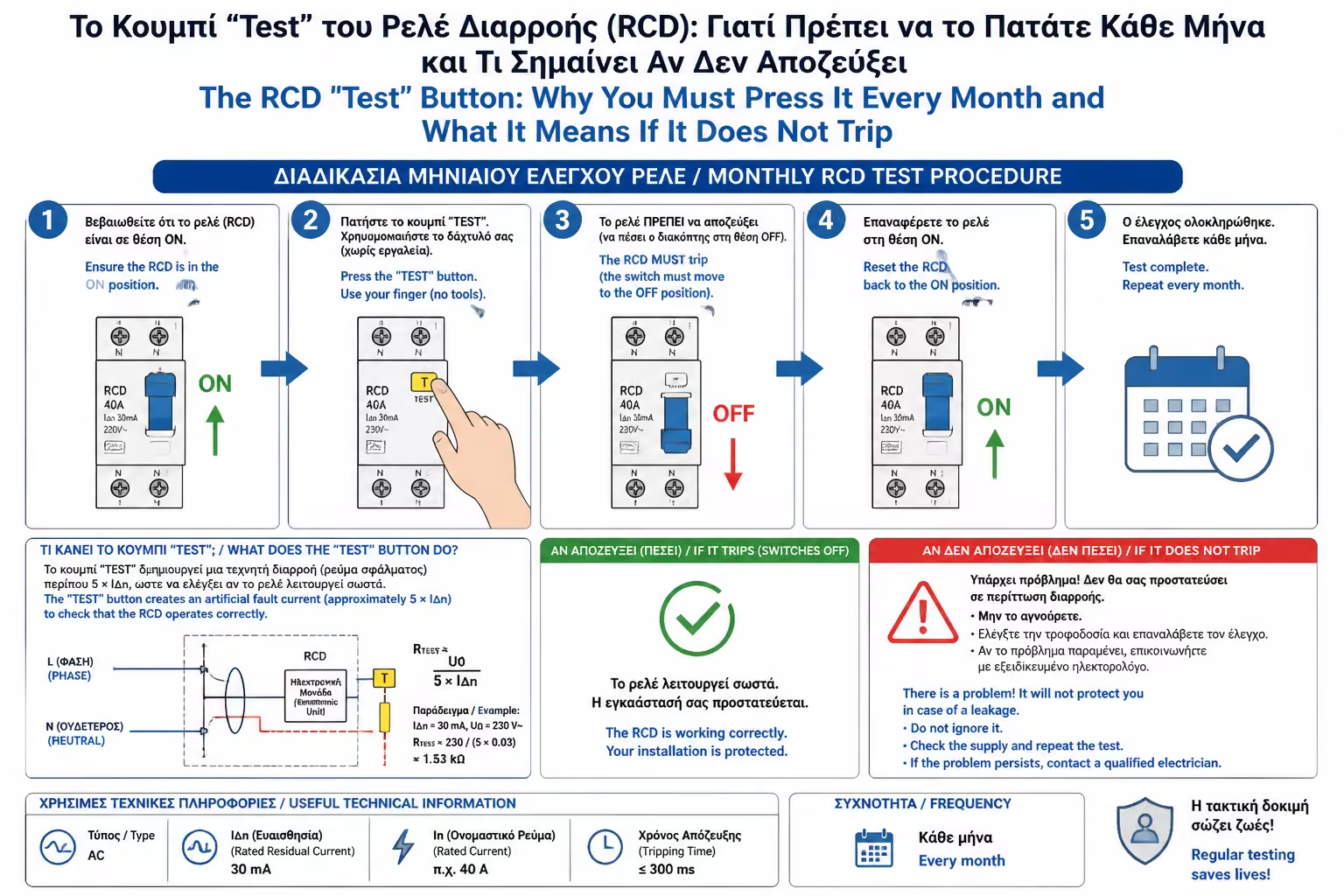
The Test button is not a simple on/off switch. It is a built-in leak simulator. When you press it, a small internal wire inside the relay intentionally creates a "fake" current leakage, right at the 30mA limit. In effect, you are fooling the device into thinking that someone is being electrocuted at the time.
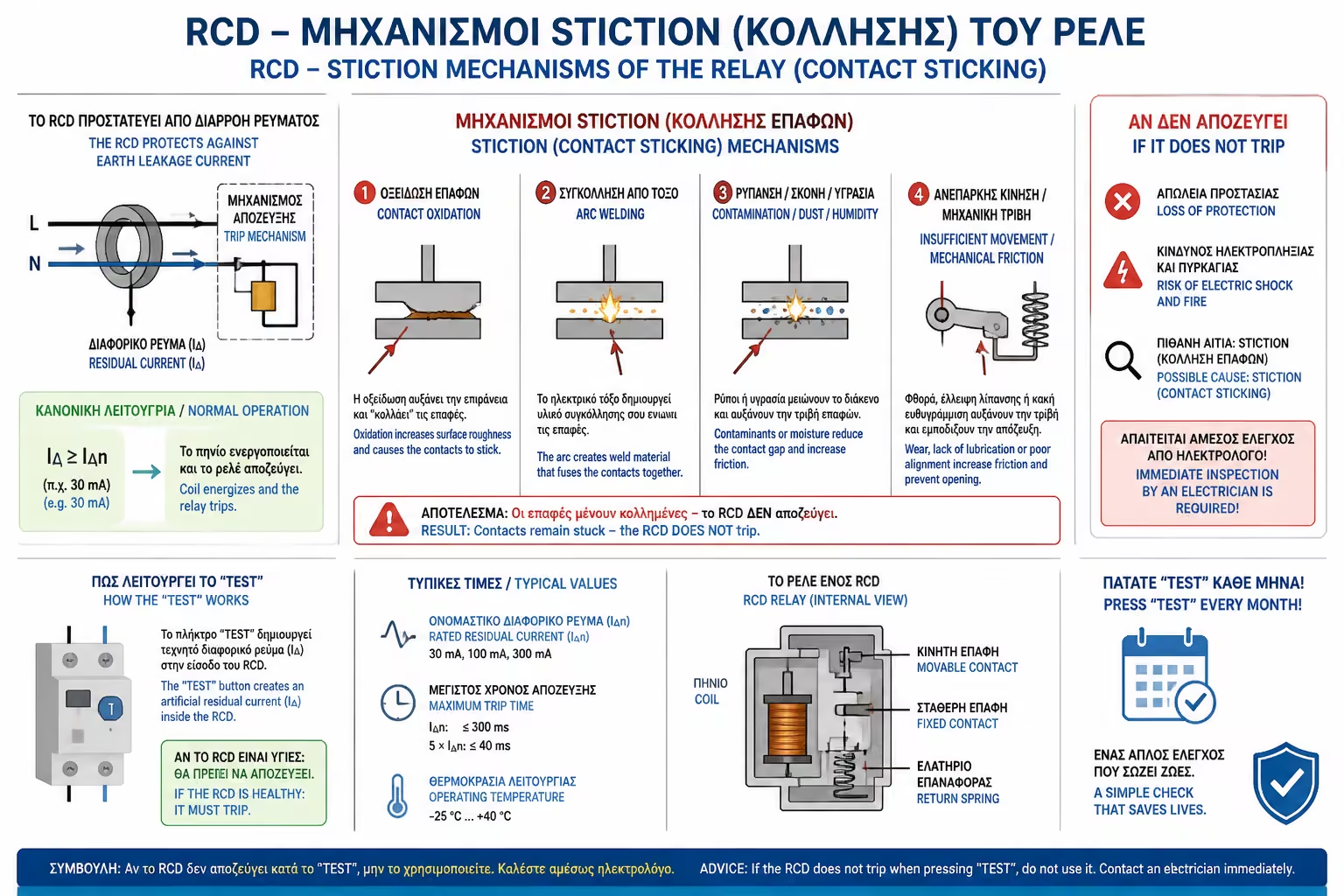
The leakage relay is a sensitive electromechanical device. It consists of springs, magnets and levers. Like any mechanical component that remains stationary for years, the internal springs of the relay catch dust, moisture and "stick" (Mechanical Stiction).
If the device has not tripped for years, then when a real leakage fault occurs the mechanism may be too stiff or dirty to operate correctly. In that case, dangerous current could continue to flow even though the protection should have acted.
By pressing "Test" once a month, you "exercise" the springs, remove dust from the contacts and keep the mechanism in perfect condition. In addition, the manufacturers themselves (ABB, Hager, Schneider) explicitly write on the device: "Test Monthly".
The process takes literally 2 seconds, but needs a little preparation:
If you push the button and nothing happens (or if you hear a noise but the lever doesn't drop and the lights stay on), you have an Emergency.
This means your relay is DEAD. You have absolutely no electrical shock protection at home. If your child sticks a fork in the outlet, or the water heater leaks while you are taking a bath, nothing will save you.
It is not repairable in practice. Call a licensed electrician immediately for replacement. A new branded Type A RCD is inexpensive compared with the risk of having no shock protection at all.
If the RCD trips frequently without you pressing the Test button, that does not necessarily mean it is faulty. More often, it means there is a real leakage problem somewhere in the installation or in an appliance, and the device is correctly protecting you.
Electric shock does not forgive and does not give a second chance. Having the leakage relay in your panel is the first step, but making it work is the second and most critical. Set a reminder on your phone (eg the 1st of every month when you pay rent) to hit the "Test" button. This 1 second move ensures that your home remains a safe haven.
Next Step: The painting hides other, more silent dangers. Cables can overheat dramatically, melting the plastics, without you seeing or smelling anything at all... until it's too late.
We continue with the preventive inspection of the panel: Thermographic Inspection of the Electrical Panel: How the thermal camera detects cables that are at risk of catching fire before they even smell.
Return to category.
Go to categoryReturn to the central guide.
Go to guide