
Electrical Supply, Power & Autonomy
Return to category.
Go to categoryComing to the end of our dedication to photovoltaics, there is an "urban myth" that plagues many owners and prevents them from taking the big step: _"To put panels on the roof, you have to pay DEDDIE to make the house three-phase"_.
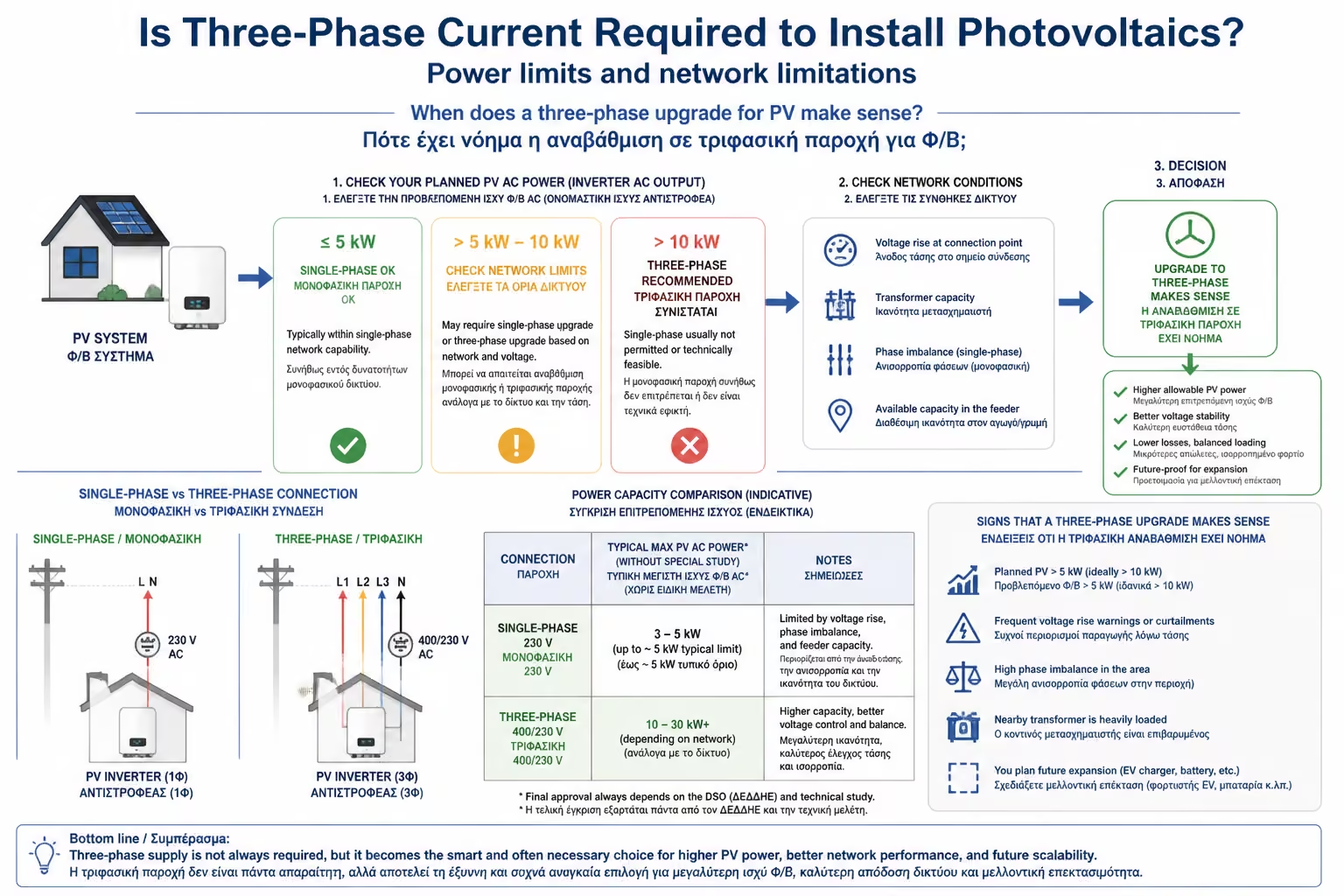
This misunderstanding is unfairly costing money and time. As engineers, the answer we give is categorical: No, it is not always mandatory. Whether you will need three-phase power depends solely on the _size_ of the PV system you intend to install.
Let's clarify the strict limits set by DEDDIE for the connection of photovoltaics to the grid and see when the upgrade is a one-way street and when it is just... wasted money.
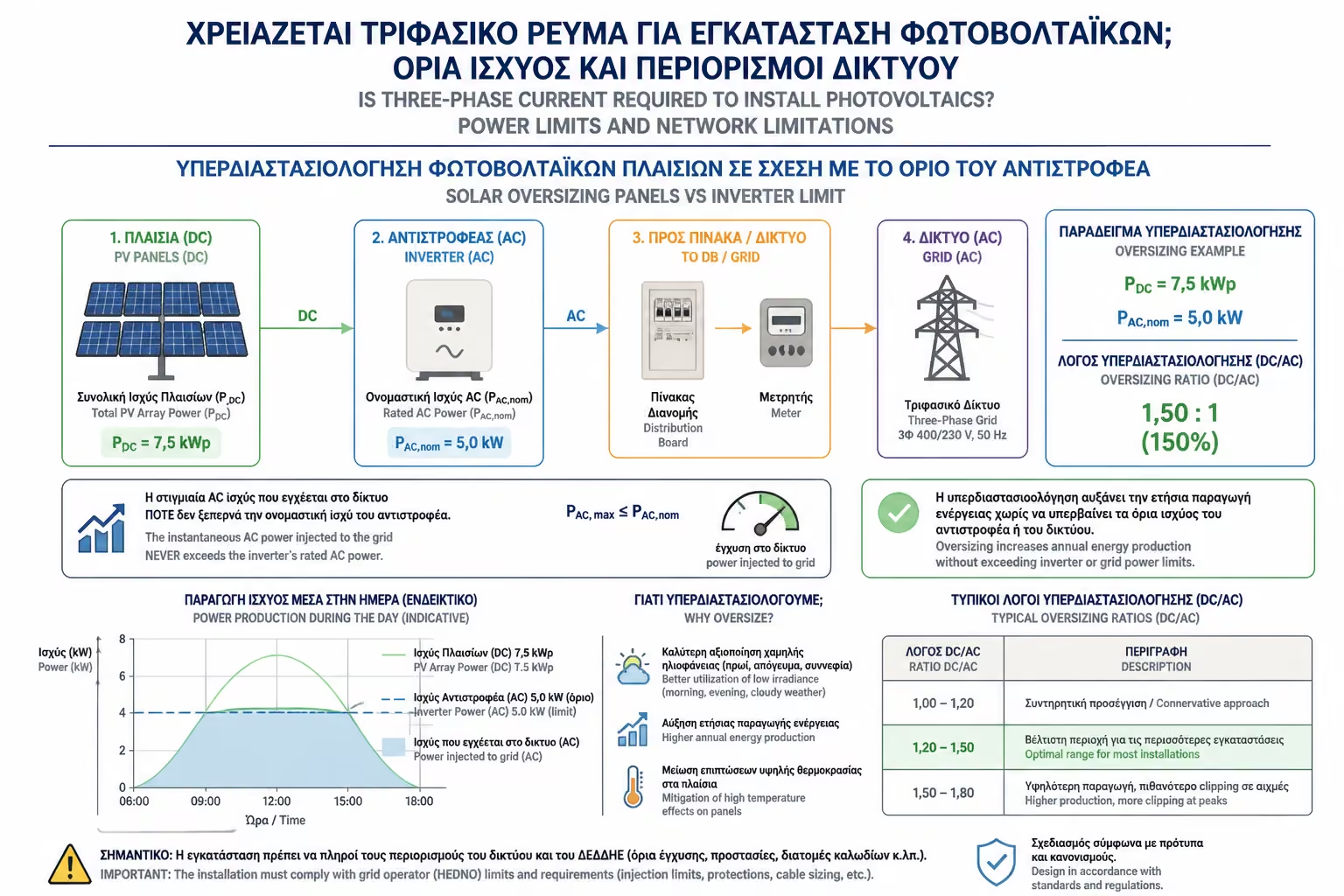
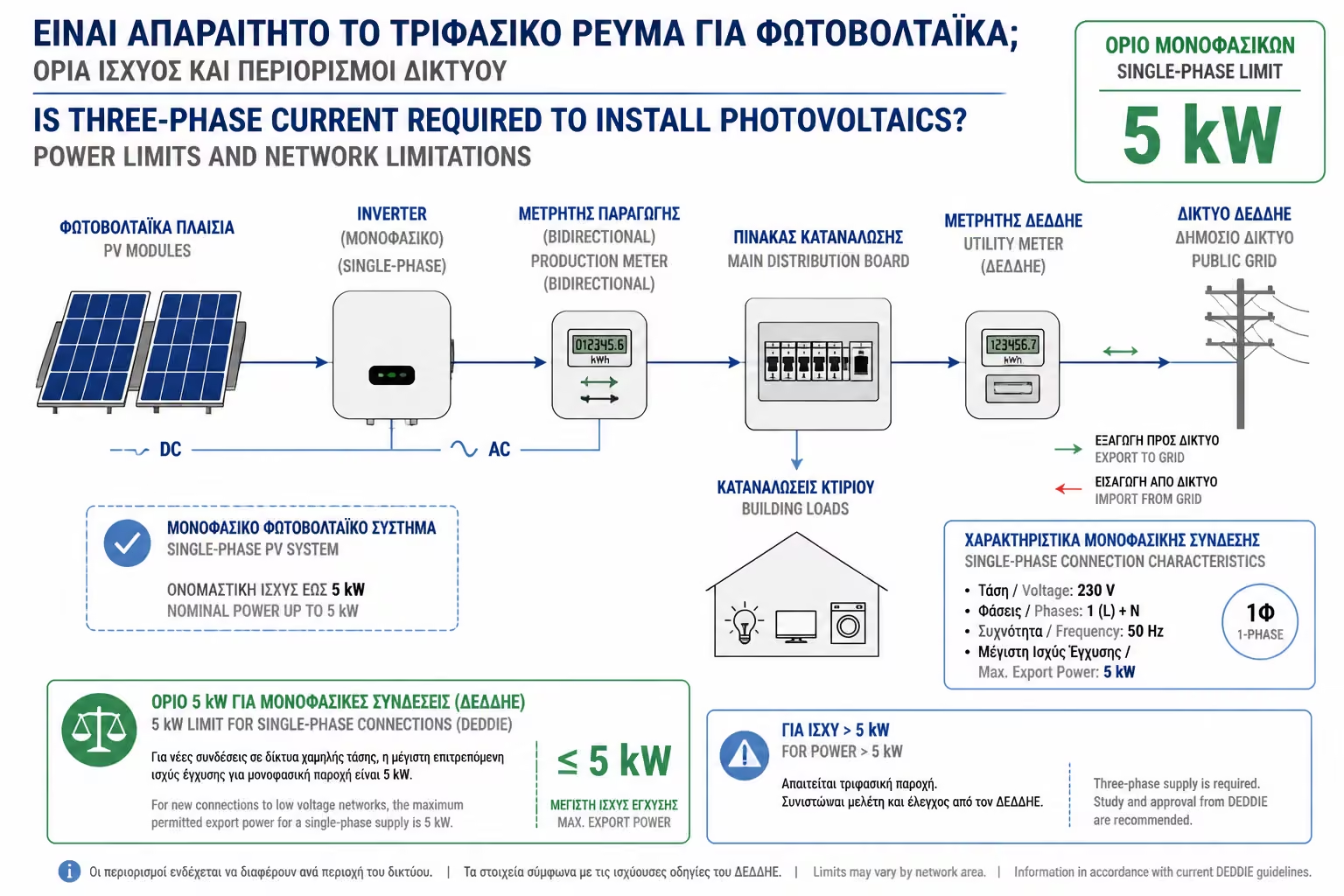
DEDDIE has an inviolable technical rule for the protection of its network. It allows you to install a photovoltaic system on an existing single-phase supply, as long as the power of the Inverter does not exceed 5 kW (5,000 Watts).
If the needs of your home are huge - for example, you have large heat pumps, "wear" two electric cars and have an annual consumption of 12,000 kWh - a 5 kW Inverter will not reach you. You will need an 8 kW or 10 kW system.
Here DEDDIE says "Stop". Any Inverter from 5.1 kW and above, requires a Three-Phase Supply (No. 3) and a Three-Phase Inverter. * The Process: In this case, before you even apply for the photovoltaics, you must call your electrician, upgrade the panel to three-phase (as we described in Category A) and pay the upgrade fees to DEDDIE. After the house is officially three-phase, then and only then is the platform "opened" to request the large PV.
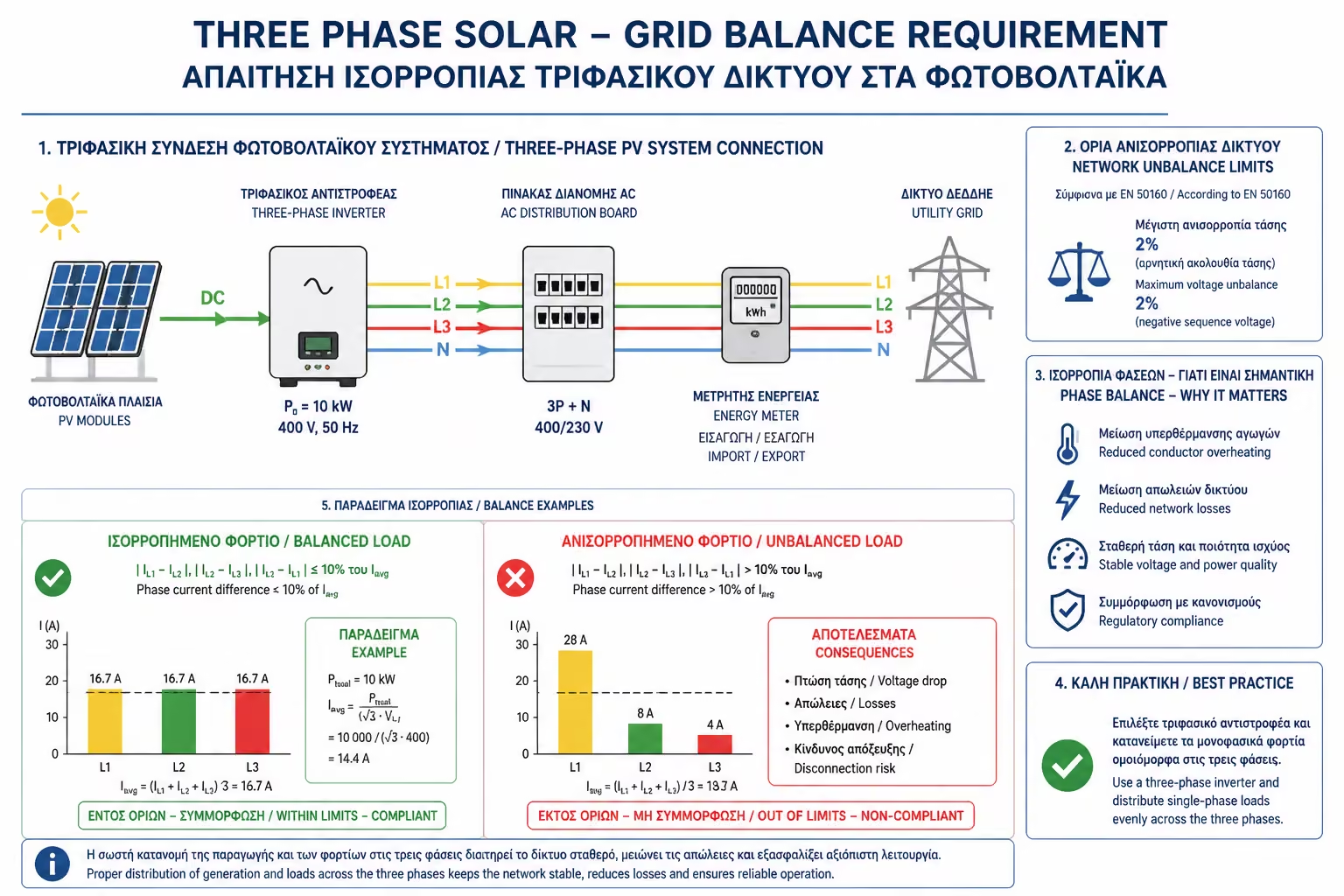
Remember in the "Weighting the Phases" article where we explained how the fuse drops if you put all the weight (consumption) on one phase? The exact same problem is caused with the _production_ of electricity.
If DEDDIE let you put in a single-phase 10 kW Inverter, on a sunny day you would "shoot" 10,000 Watts of energy into a single neighborhood cable (in one phase). This would create a huge voltage imbalance on the local grid, driving the Volts dangerously high and risking burning out your neighbors appliances!
Therefore, large systems are mandatory three-phase. A three-phase Inverter of 10 kW distributes the production "sweetly" and absolutely symmetrically: 3.3 kW in L1, 3.3 kW in L2 and 3.3 kW in L3, keeping the neighborhood network in absolute balance.
Return to category.
Go to categoryReturn to the central guide.
Go to guide