The Agora
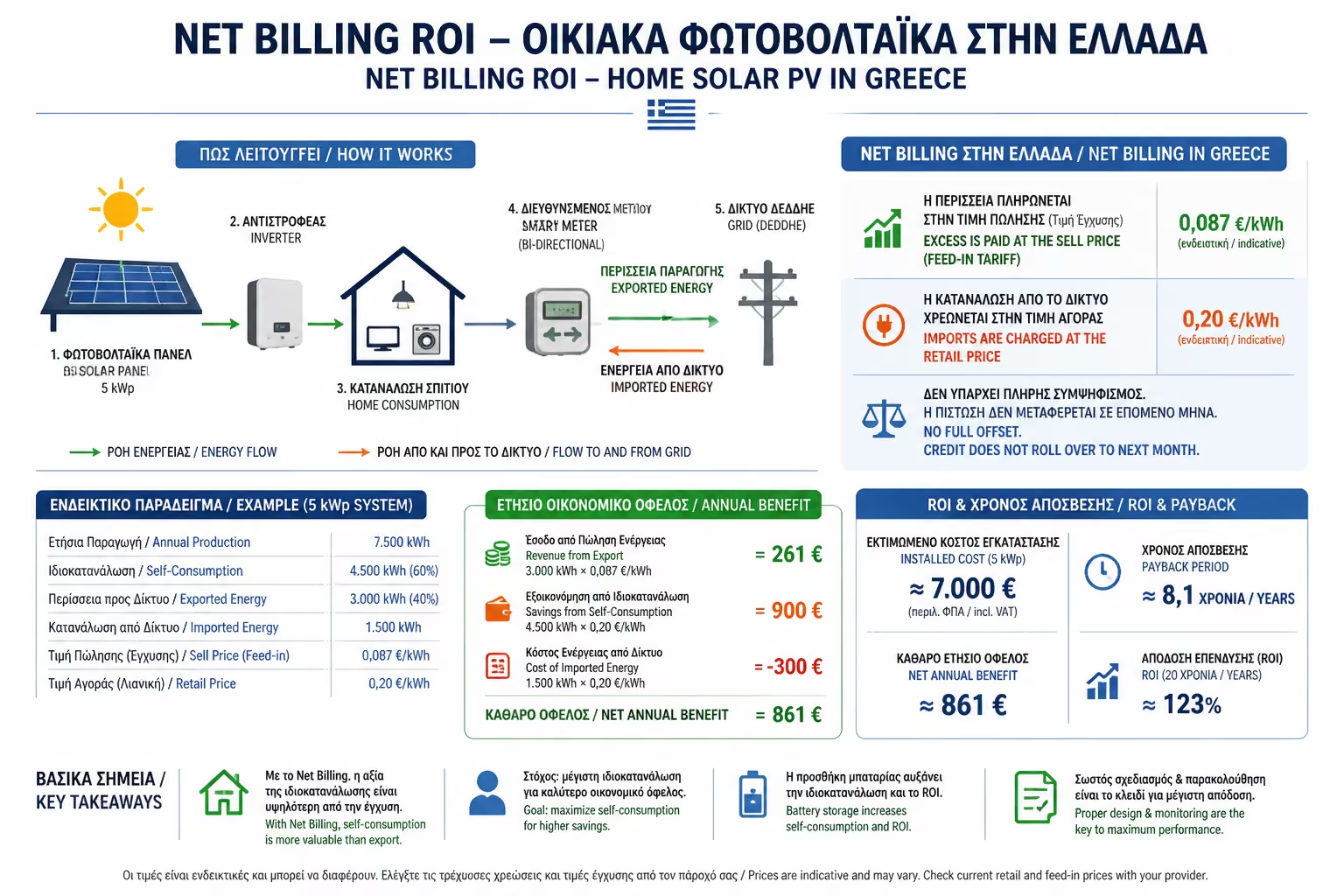
The night you need electricity, you buy it from your provider at the normal retail price (e.g. €0.15 / kWh).
If you had asked a friend of yours who put photovoltaics on his roof in 2022 how his system works, he would happily tell you: "The sun produces the electricity, I give it to PPC, I burn it at night and in the end I pay nothing!" This was the era of Net Metering. It was by far the most generous and profitable scheme for the consumer in Europe. But, like all too good things, it came to an end. In 2024 the legislation changed radically, causing a "shock" in the market, and we moved definitively to the Net Billing system.
Today, in 2026, Net Billing is the only option for new applications. As engineers, we understand the frustration of many owners who have "missed the train", but the reality is clear. Let's see in simple terms what the differences are, why the State pulled the plug on the old system, and how you need to design your system today to win.
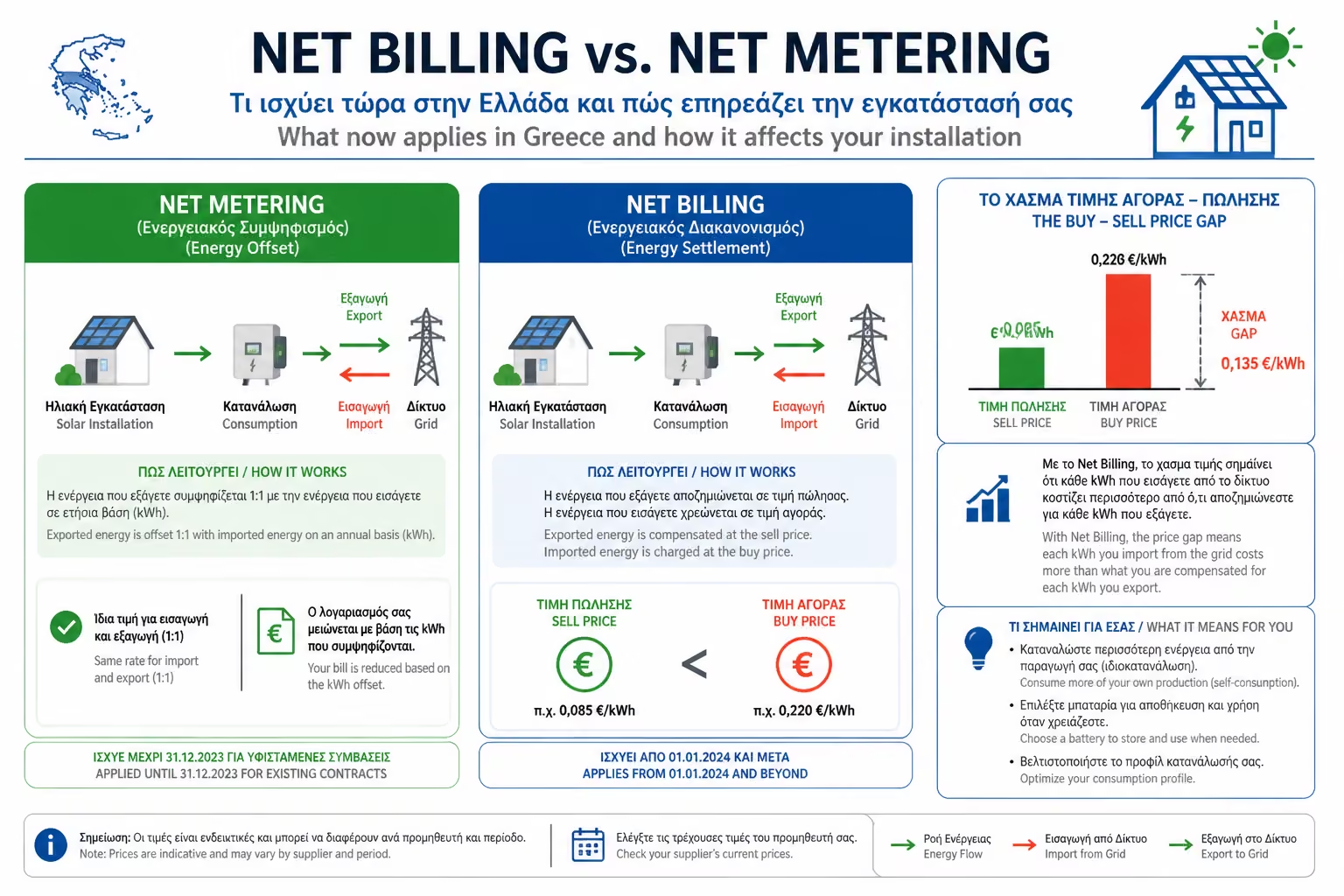
In Net Metering, the transaction currency was the Kilowatt hour (kWh).
In practice, DEDDIE acted as a huge, free, 100% efficient battery for your home.
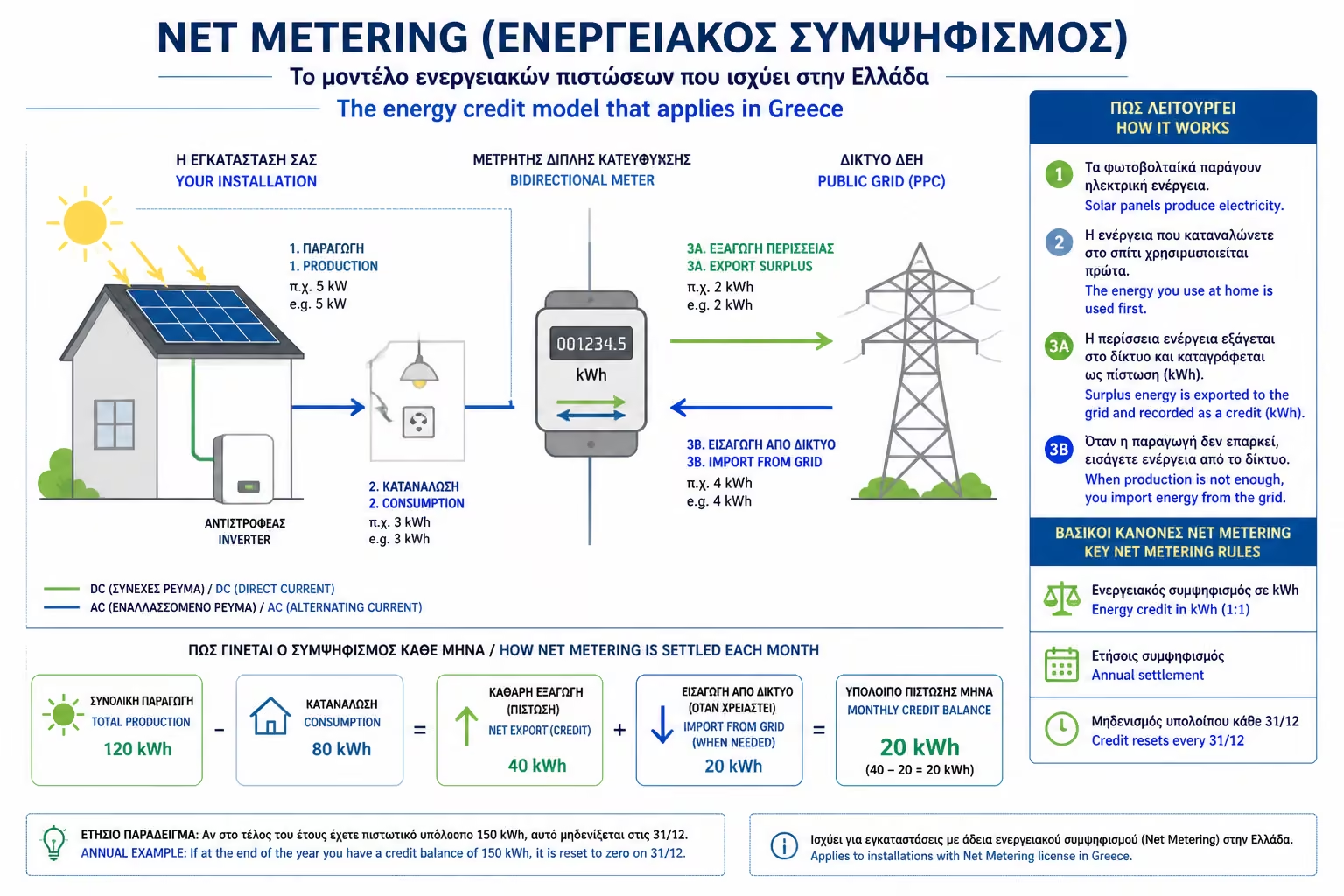
In Net Billing, the transaction currency is no longer energy, but Money (Euro). The settlement is made at the cashier. And here lies the huge pitfall of the price difference:
You don't need to be an accountant to understand that if you sell your electricity for €0.04 during the day and buy it for €0.15 at night, the system is in trouble.
The night you need electricity, you buy it from your provider at the normal retail price (e.g. €0.15 / kWh).
At midday, the excess power from your panels and you throw it into the grid, you "sell" it at the wholesale price of the Energy Exchange. But because at noon all of Greece has sun and produces plenty of electricity, the wholesale price collapses (often reaching zero). Thus, you sell your electricity "yearly" (e.g. €0.04 / kWh or even less).
The change was not made simply to lose the consumer, but out of technical necessity. The network couldn't take it anymore. When all the Greeks installed photovoltaics and threw their surplus into the grid at 1:00 pm (at that time nobody burns that much electricity in their house), DEDDIE had nothing to do with it. The cables were overloaded.
The state implemented Net Billing to financially "force" you not to dump your electricity on the street at noon, but to store or consume it on site.
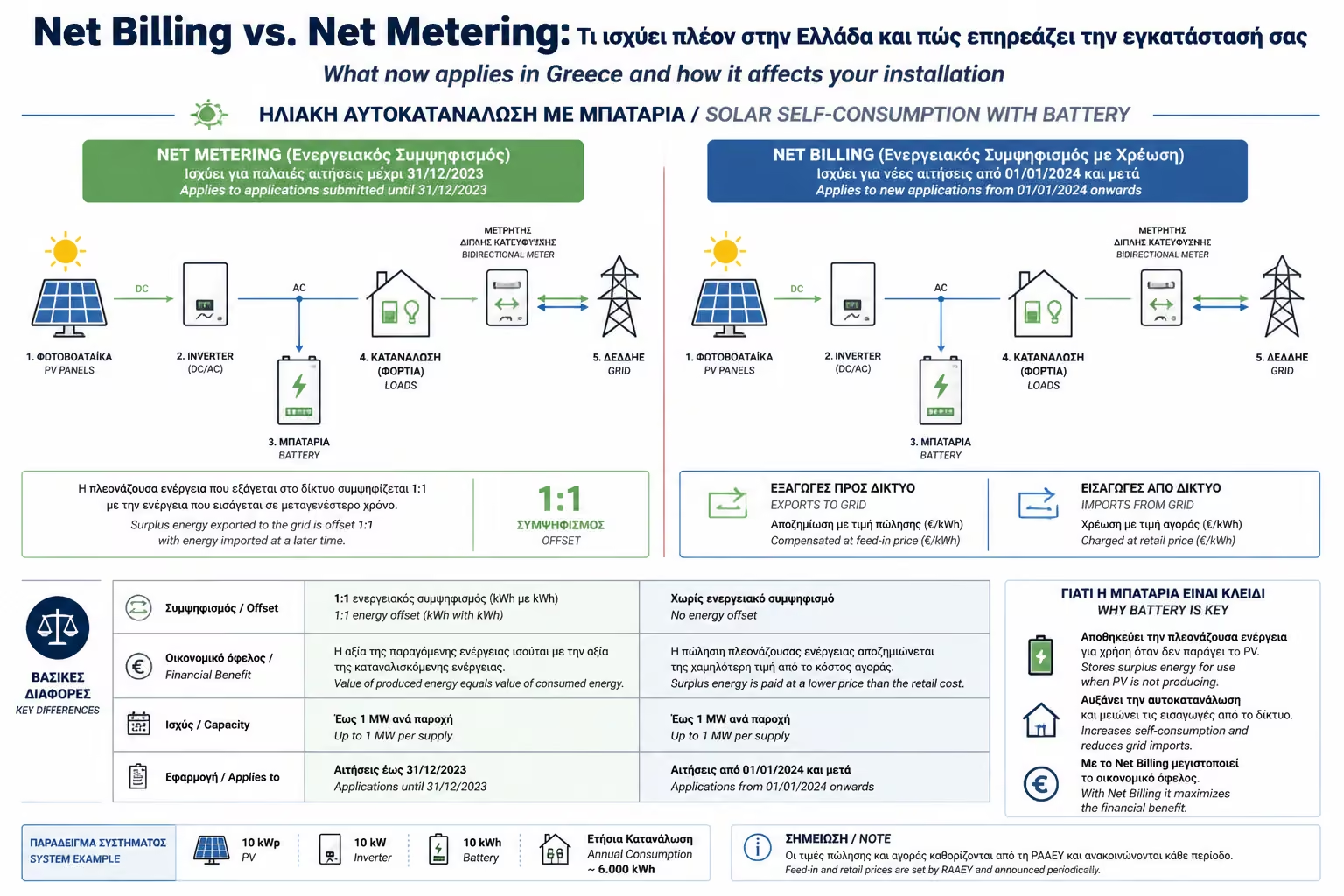
Designing a photovoltaic system today requires a completely different philosophy than 3 years ago. The rules are:
The only way to make maximum profits is to consume the power at the exact moment it is generated. This is how you save €0.15 of the retail charge! Change of Habits:* The washing machine, the dishwasher and the solar water heater (with resistance) should no longer be switched on at night with the "night" current. They must be timed to run between 11:00 and 15:00, "sucking" your roof's sun directly.
In Net Billing, a PV system without a home battery is usually a bad investment. You definitely need a battery (eg 5kWh or 10kWh) to store the cheap/cheap midday power and give it to you from 7pm onwards so you don't have to buy any expensive power from the provider in the evening peak.
In the old system, many people put a huge photovoltaic (eg 10 kW) on a small house, so as to "store" thousands of kilowatt-hours for the winter. In Net Billing, this is prohibited. If you generate much more electricity than you burn (and sell it at dirt prices), you just made a very expensive installation that will never pay for itself. The system must be "tailored" exactly to the measures of your annual needs.
The answer is Yes, it is clearly worth it. The sun remains free. The difference is that the payback period (ROI) of the investment has increased. While in the golden days of Net Metering you could pay back in 3 to 4 years, today, with Net Billing and the necessary cost of adding a battery, the payback time for a home system is typically 5 to 7 years. But since the panels have a life expectancy of 25 years, you have nearly two decades of net, tax-free profit and energy independence ahead of you.
Next Step: Since the rule in the new system is "surgical" precision and not exaggeration, how do we find the right size? Continue to our handy guide: How to Calculate the PV and Battery you need on Net Billing (Without Throwing Money Away).
Return to category.
Go to categoryReturn to the central guide.
Go to guide