
Electrical Supply, Power & Autonomy
Return to category.
Go to categoryUntil now, we have been talking about large installations on rooftops, roofs and basements. But the harsh reality is that over 60% of the population in major urban centers live in high-rise apartments, without any rooftop access. Does this mean they are excluded from producing their own, free energy?
The European market's answer to this problem is Balcony Photovoltaics (Plug & Play). In Germany and the Netherlands, there are already millions of such systems hanging from apartment railings. As engineers, we see this trend now sweeping Greece as well.
But is it as simple as buying a toaster and plugging it in? Let's see how they work, what the legislation says and what the security "traps" are.
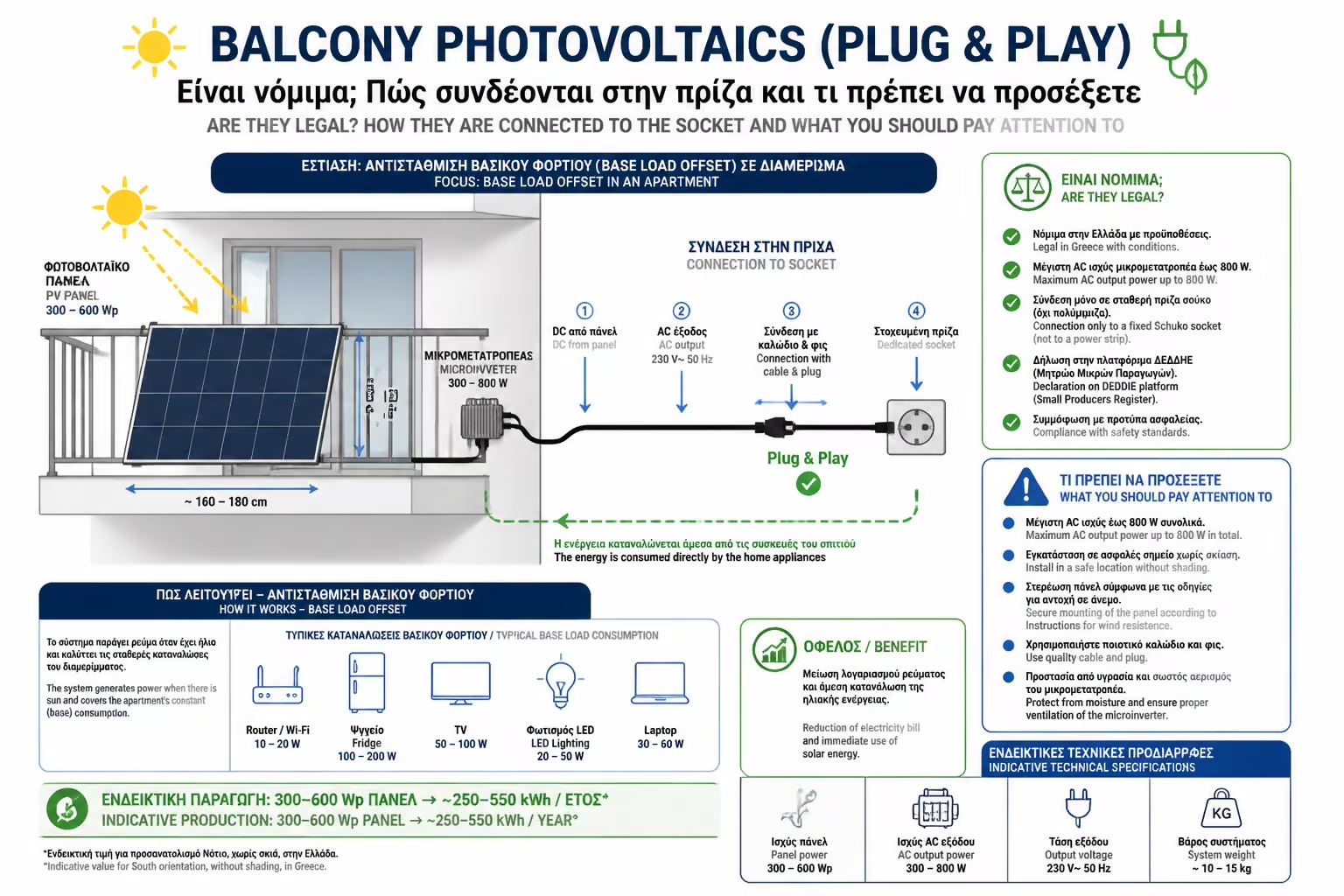
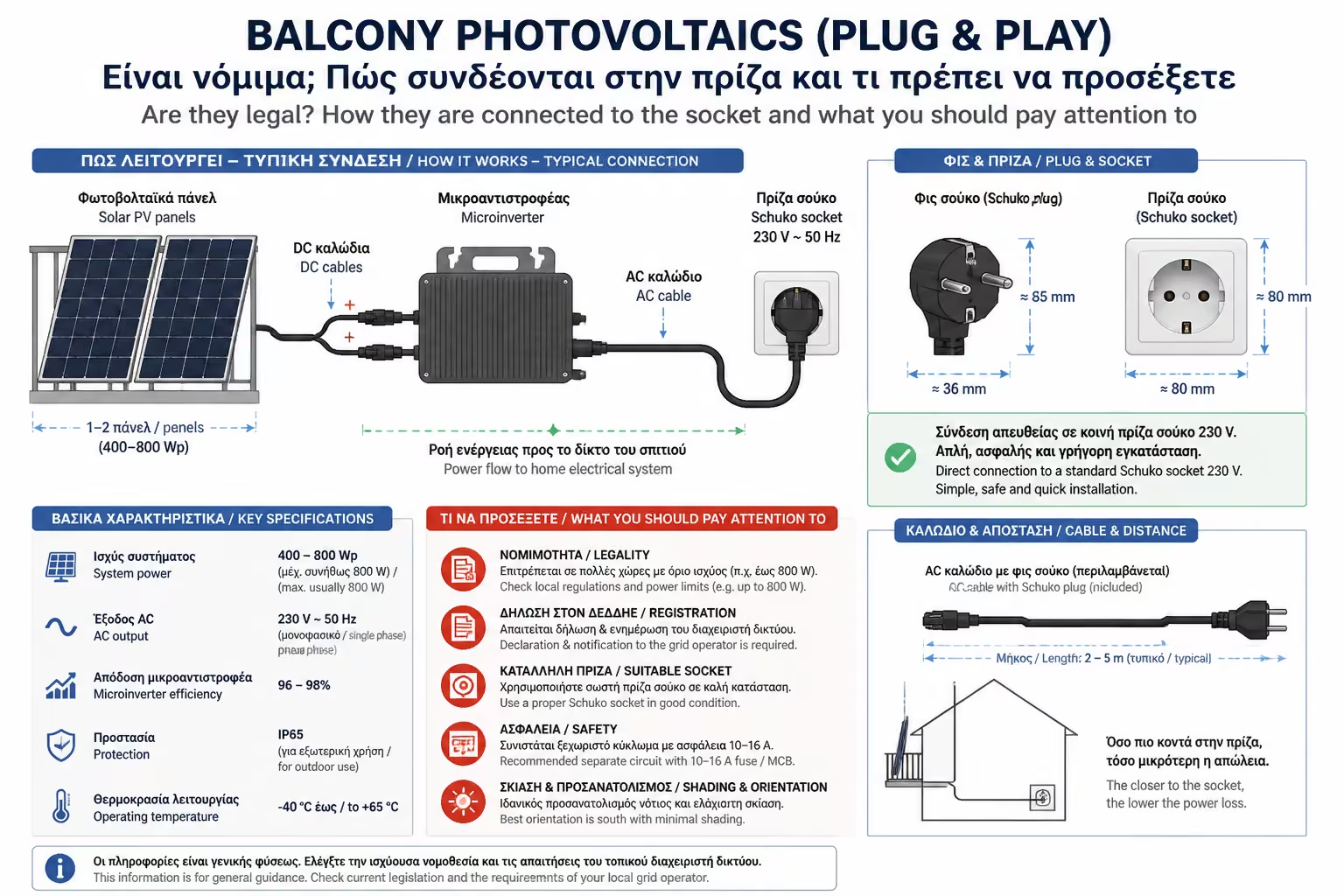
The logic of the system is subversively simple. A Photovoltaic Balcony kit usually consists of:
How it works: Instead of calling an electrician to run wires up to the central panel, you simply hang the panels on the balcony and plug into any outdoor outlet in your home! The Micro-Inverter instantly syncs with the home grid and starts "pushing" current into the outlet. Because the current always follows the path of least resistance, this energy will not go to the DEDDIE. It will travel through the wires in the wall and be consumed directly by the nearest device that is working at the time (eg your fridge, router, TV on stand-by).
Unlike large rooftop systems, balcony solar isn't designed to drain your bill or heat your hot water heater. Their maximum power is usually up to 800 Watts.
Their goal is to "disappear" the so-called Base Load of the house. The main load is the electricity that burns your house when you are away at work: the refrigerator motor, the appliances on standby, the oven clock, the router. These "invisible" consumptions cost you €150 to €250 a year. Balcony solar takes over to fully cover these needs during the hours of sunshine, offering an extremely fast payback time (often under 4-5 years, due to their low purchase cost).
For many years there was a legal "vacuum", but now the landscape has become clearer, following the European directives.
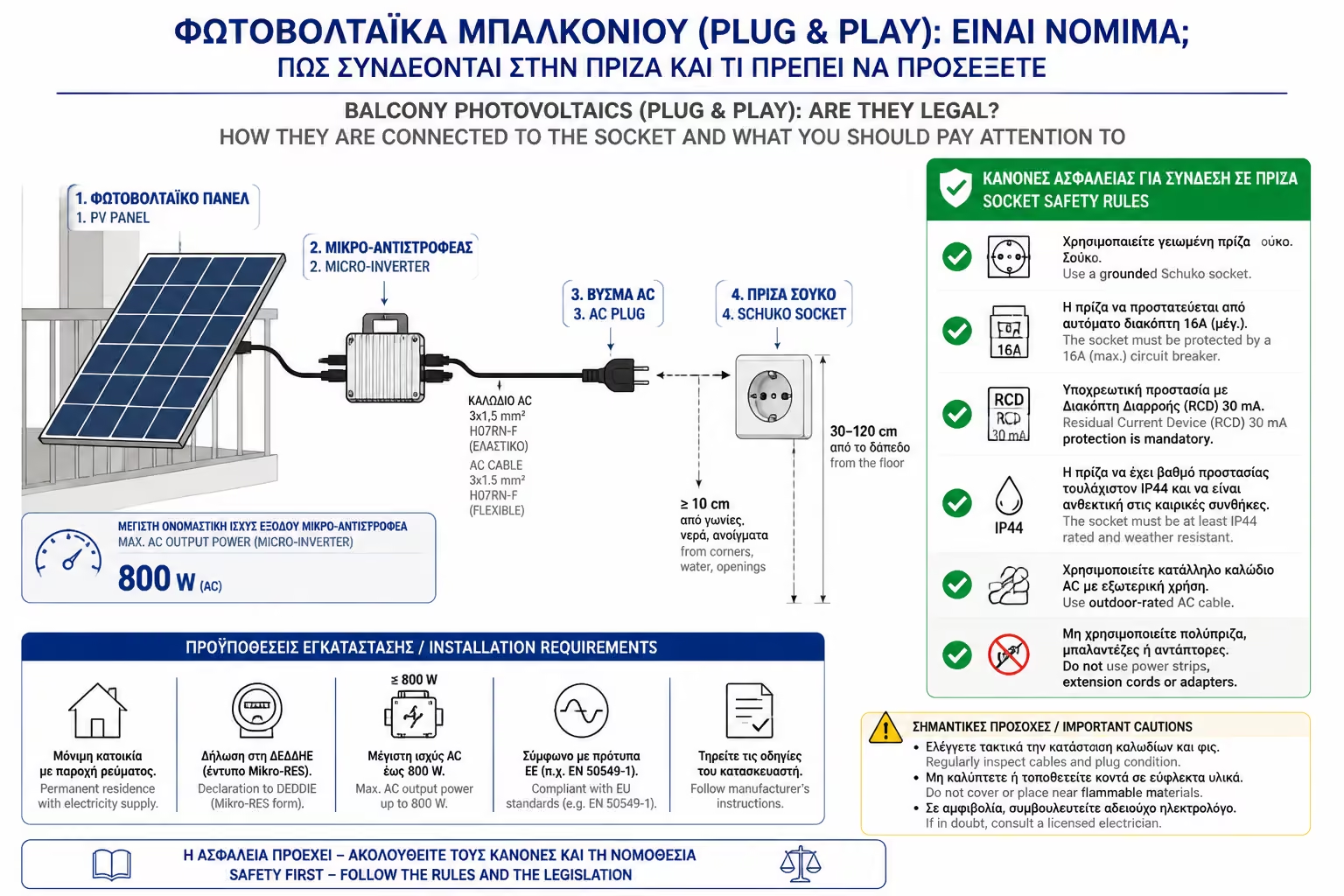
Yes, they are perfectly legal, but they are not completely exempt from red tape.
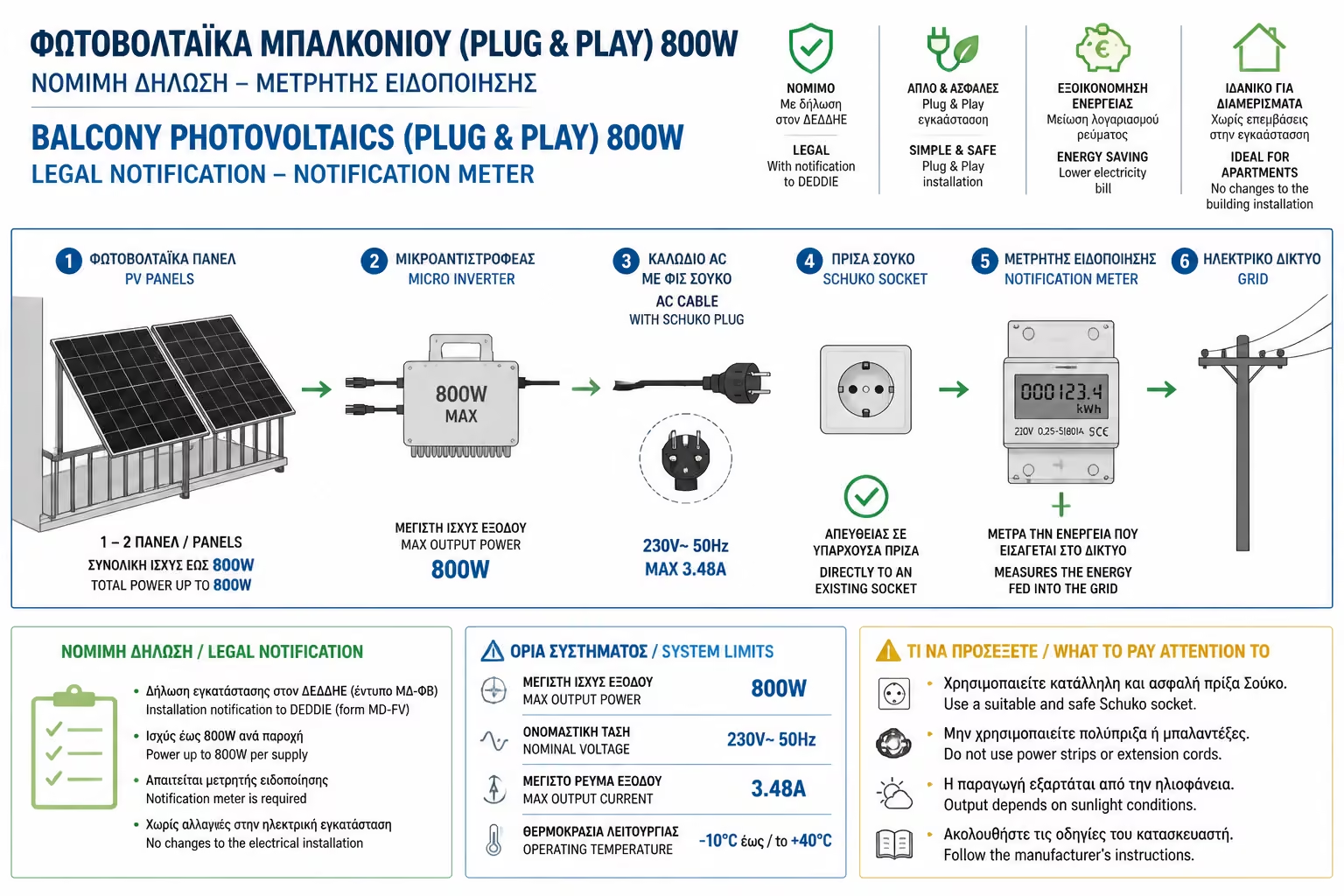
The convenience of "Plug & Play" hides some risks that you should not ignore:
Balcony Photovoltaics are the "democratization" of solar energy. It's the cheapest and easiest way to reduce your energy footprint and bill, without messing around with heavy crews, scaffolding and loans. As long as you follow the rules of static safety (solid support) and simple electrical logic, it is an excellent "green" investment for any apartment.
Next Step: We saw how we cooperate with the network (either from the roof, or from the balcony). But what happens when... there is no network? How do we electrify a house on a remote island or high on a mountain? Continue to our guide: Off-Grid (Standalone) Installations: How to properly set up the electrical in a house that does not have DEDDIE at all.
Return to category.
Go to categoryReturn to the central guide.
Go to guide