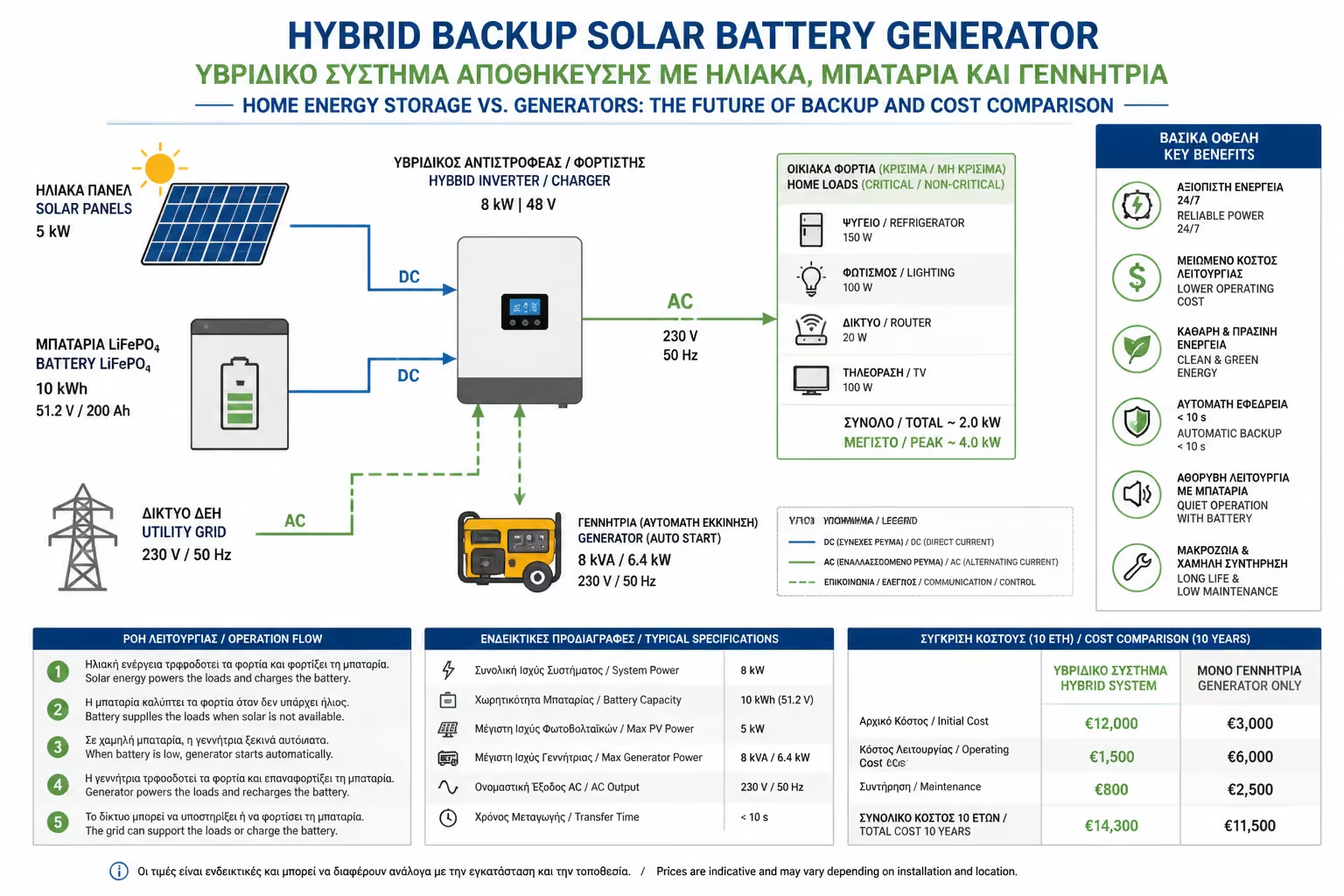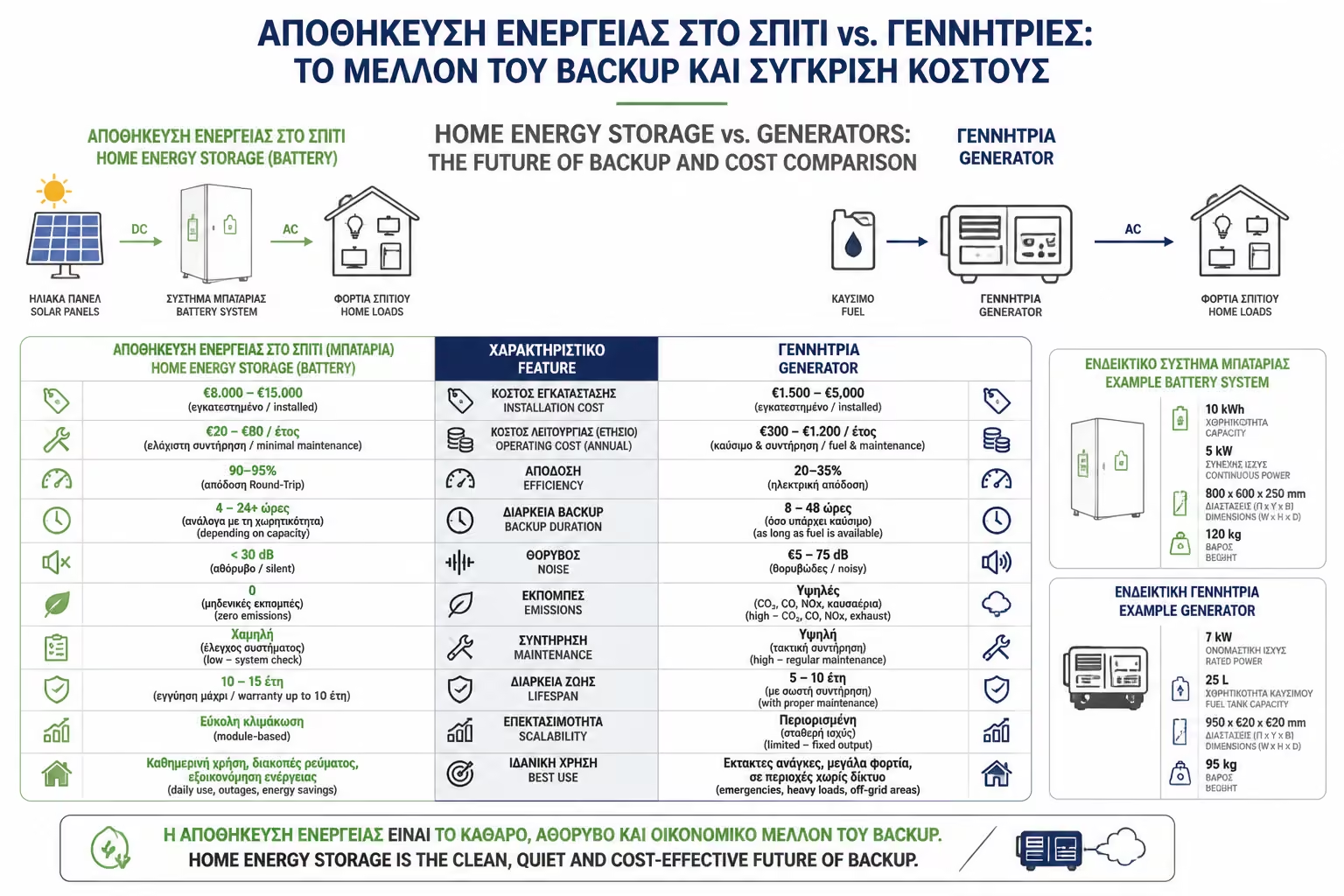
The cost of the Generator
A very good, reliable 5-7 kW generator with automatic transfer system (ATS), will cost you in total (with installation) around €1,000 - €2,500. You pay this cost once.
Combustion generators have been the undisputed dominator of backup power for decades. But let's be honest: They make noise, they smell, they require oil changes, and if you forget to put fresh gas in them, they will betray you at the critical moment.
Today, the technology that "drives" electric cars has entered our homes. Home Energy Storage Systems (BESS), such as the famous Tesla Powerwall or solutions from Huawei, LG and Fronius, are changing the rules of the game. These are essentially giant, smart lithium batteries that hang on your wall.
As engineers, we see the dilemma "Battery or Generator?" to dominate every new construction. Let's compare the two technologies realistically, away from the marketing, to see what suits your own home and wallet.
Unlike the generator which produces current, the battery stores current. The battery charges silently from the DEDDIE network (usually at night when electricity is cheaper) or from the Photovoltaics on your roof.
When the neighborhood power goes out, a smart Inverter connected to your electrical panel takes action. In less than 20 milliseconds (20 ms), the house is disconnected from the grid and powered by the battery. You won't even know there was an interruption. TVs won't go out and the internet won't go down. Acts like a giant UPS for the whole house!
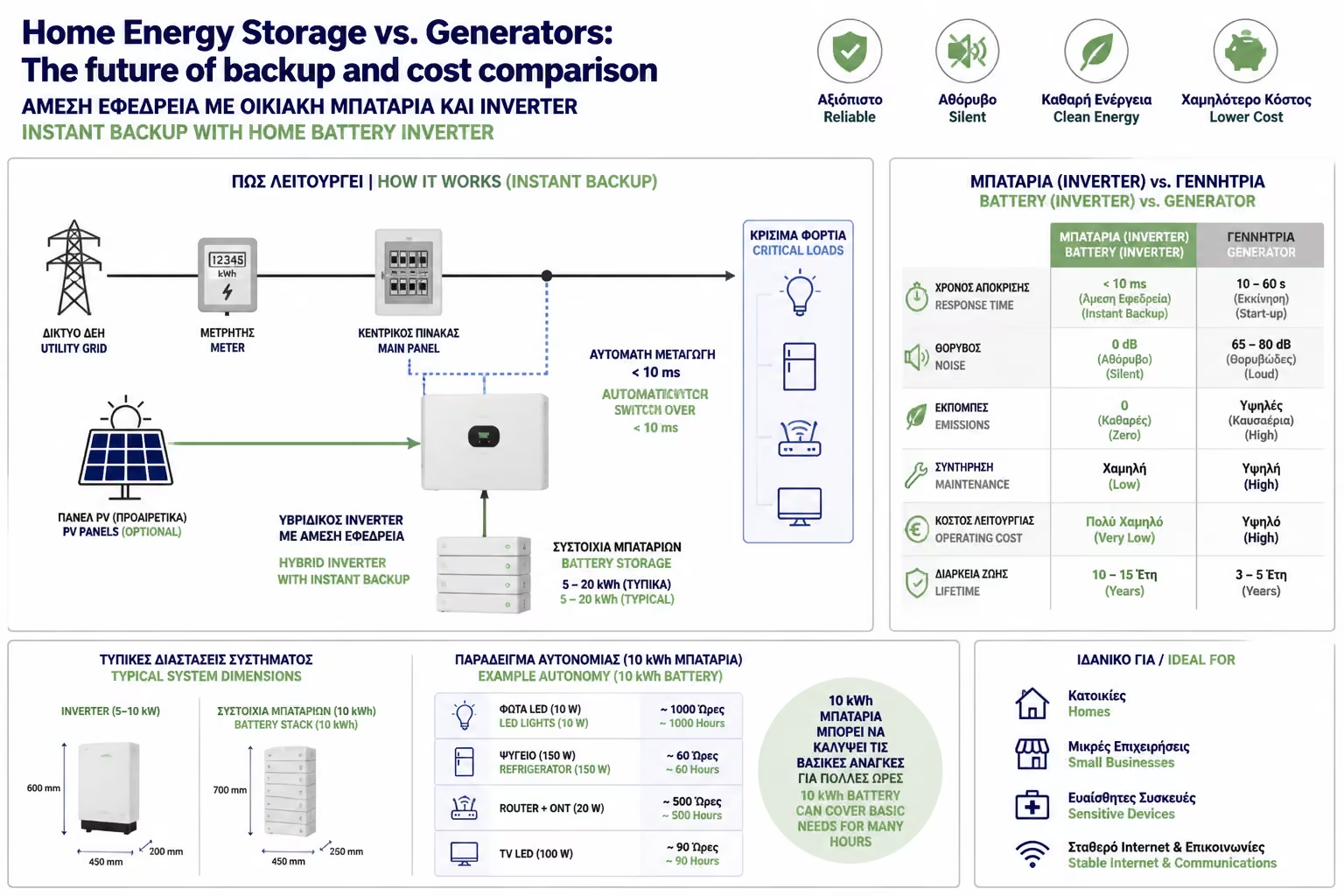
To understand the difference, let's put them in the "ring":
| Feature | Lithium Household Batteries (LFP) | Generator (Gasoline/Diesel) | Winner |
|---|---|---|---|
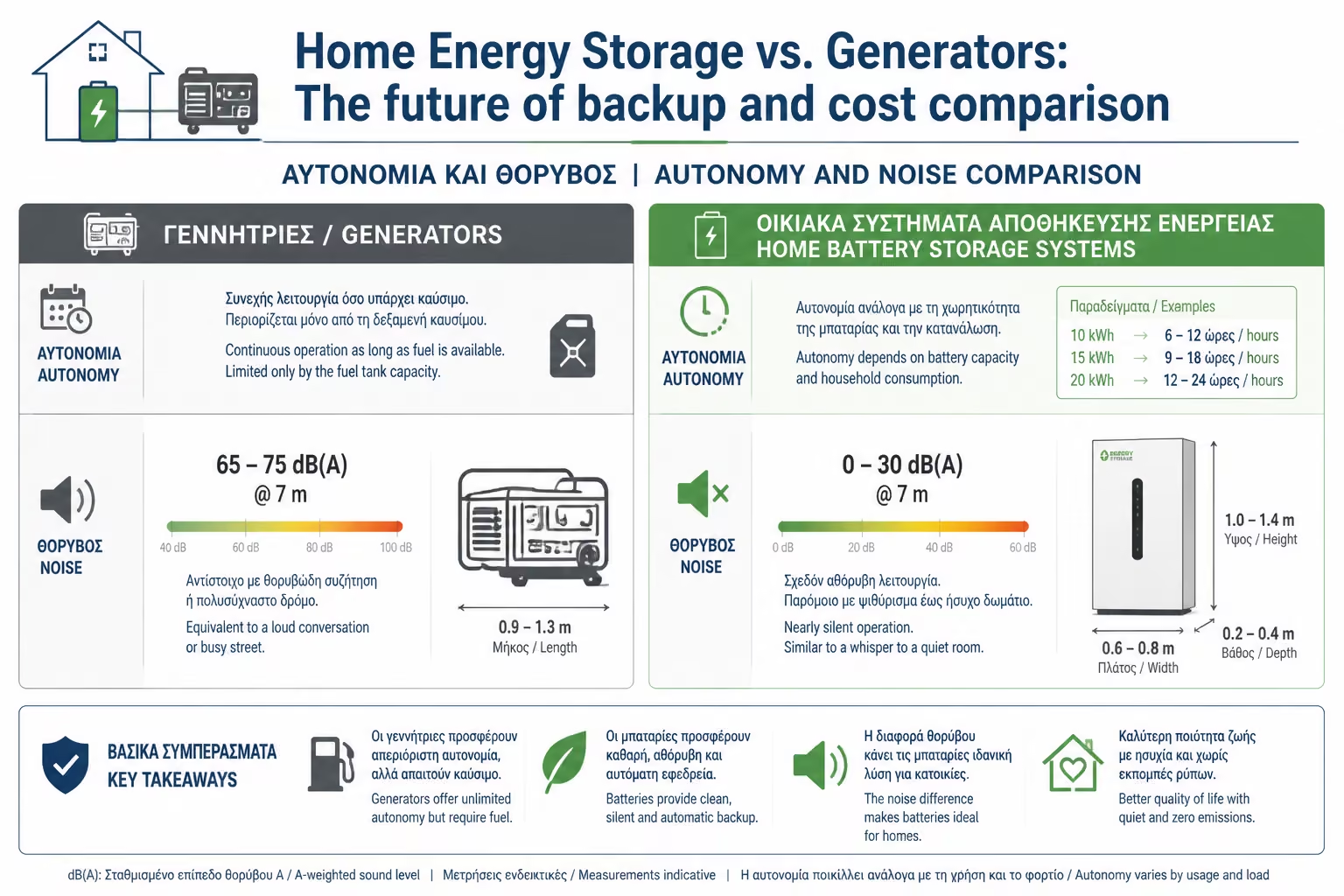
| Noise & Exhaust Gases | Absolutely zero noise, no gas emissions. He also enters the living room. | Annoying noise (often >75dB), smoke, smell. Requires dedicated, ventilated outdoor space. | Battery |
| Reaction Time | Instantaneous (<20ms). Devices never turn off. | It takes 30-60 seconds (if it has ATS) or minutes if it's manual. | Battery |
| Maintenance | Zero (set and forget). It is controlled via a mobile app. | Requires monthly oil, spark plug, filter and test runs. | Battery |
| Unlimited Autonomy | If the power goes out for days in the snow (no sun for PV), the battery will die and you will be left in the dark. | As long as you have cans of fuel, the generator will produce electricity. Theoretically unlimited autonomy. | Generator |
| Power Quality | Perfect, "hospital" pure sine current, ideal for sensitive electronics. | In simple generators there are voltage fluctuations (unless they are inverters). | Battery |
This is where modern technology "stumbles".
The battery is many times more expensive as an initial investment. However, the battery has a huge hidden weapon: Daily Saving. A generator sits idle waiting to be interrupted. Instead, the battery can be set to charge in the evening (on a cheap night tariff) and drain at midday, "cutting" money off your bill every day!
A very good, reliable 5-7 kW generator with automatic transfer system (ATS), will cost you in total (with installation) around €1,000 - €2,500. You pay this cost once.
A quality battery with a capacity of 10 kWh (capable of keeping the basics of the house running for about 10-15 hours) together with the necessary hybrid inverter and installation, ranges from €4,500 to €8,000.
If you're trying to justify the cost of a backup-only battery against a break (which in the city is rare), the math doesn't work out.
The battery takes on a real, mind-blowing meaning when "married" to Photovoltaic (PV) panels on the roof.
The decision is a matter of needs and geography:
Next Step: Our reference to Photovoltaics naturally leads us to the next, extremely popular category. We have entered the era when houses generate their own electricity. We are opening Category D: Net Metering & Photovoltaic Interconnection. We start with the biggest legislative "shock" of the market: Net Billing vs. Net Metering: What now applies in Greece and how it affects your installation.
Return to category.
Go to categoryReturn to the central guide.
Go to guide