Step 1 (The Detection)
The ATS board "reads" the DEDDIE voltage. If the power goes out (or if the voltage drops dangerously low), the ATS waits a few seconds (to make sure it's not just a momentary on/off).
You've made the investment. You bought a great, powerful generator to protect your home or business from long hours of outages. The following scenario, however, is inevitable:
It's 3:00 in the morning, it's pouring rain outside, and the power goes out. To restore power, you need to get dressed, go out with a flashlight in the cold, turn the manual switch on the panel (so that the PPC current does not "meet" the generator), pull the starter cord, and wait for the engine to warm up. If you are away from home? The fridge will just defrost.
Technology has solved this problem for decades now with a device called an Automatic Transfer Switch (ATS). As engineers, we consider the ATS the "brain" of any serious backup installation. Let's see exactly how it turns a simple generator into a fully automatic, robotic support system.
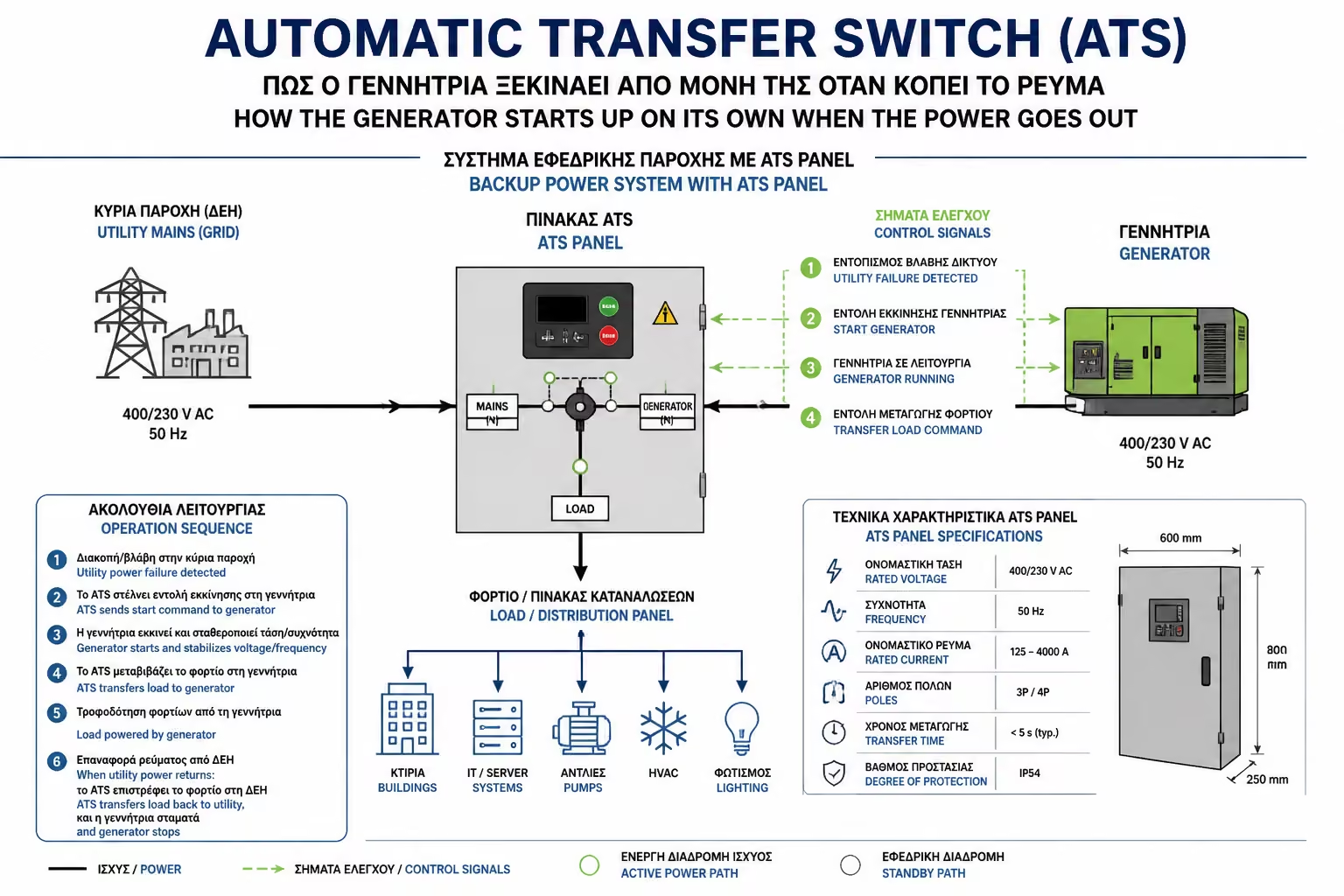
The Automatic Transfer Switch is a metal box (panel) that is usually installed next to the central electrical panel of your home. Inside, it has heavy-duty switches (power relays) and a "smart" control board.
Three main cables are connected to this box:
The ATS's sole job is to ensure that the home receives power from ONLY one source at a time, preventing the deadly and destructive collision of the two currents.
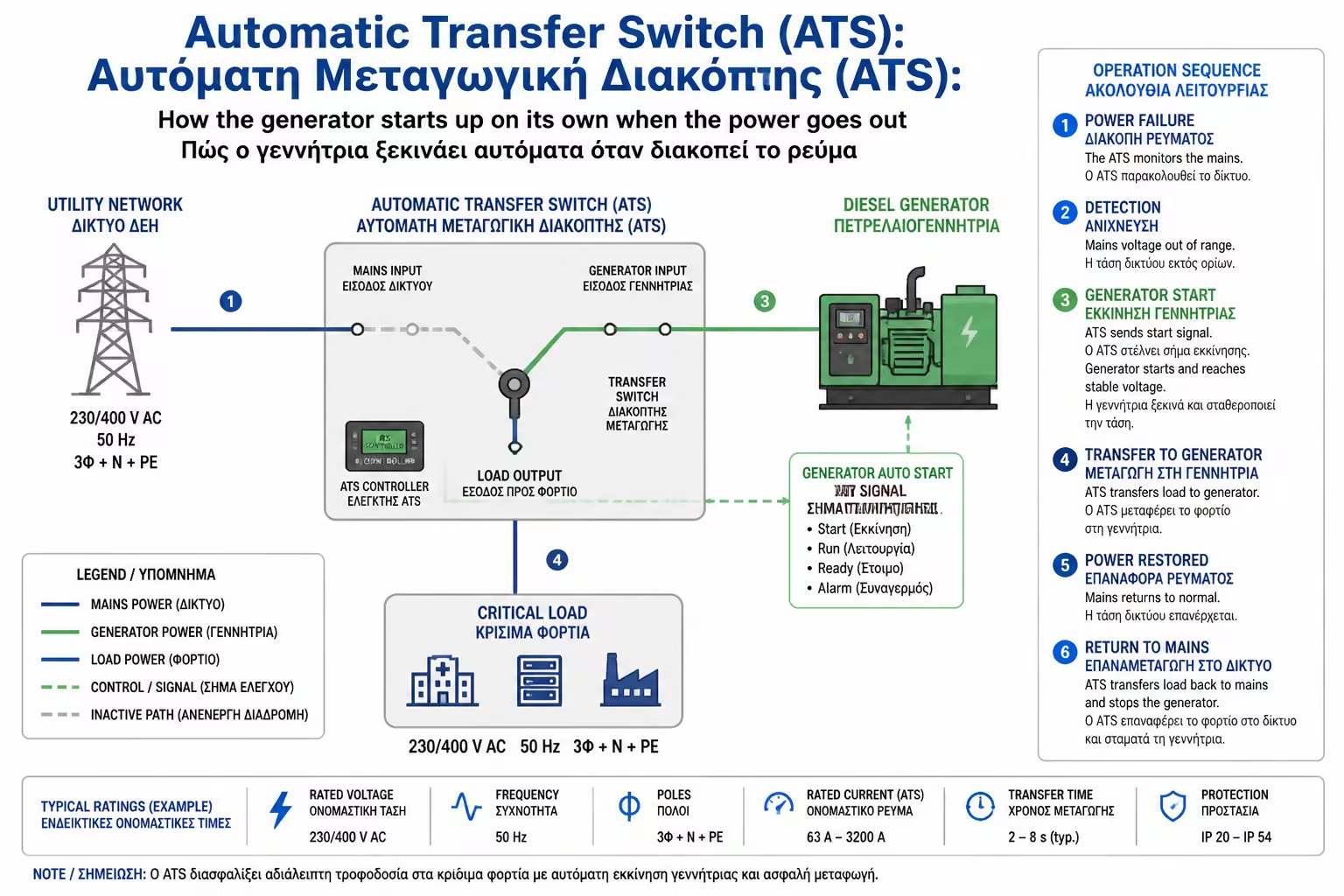
When a power outage occurs, the ATS takes action by performing a tightly choreographed process, without you lifting a finger:
The whole cycle is complete, and you haven't even gotten off your couch.
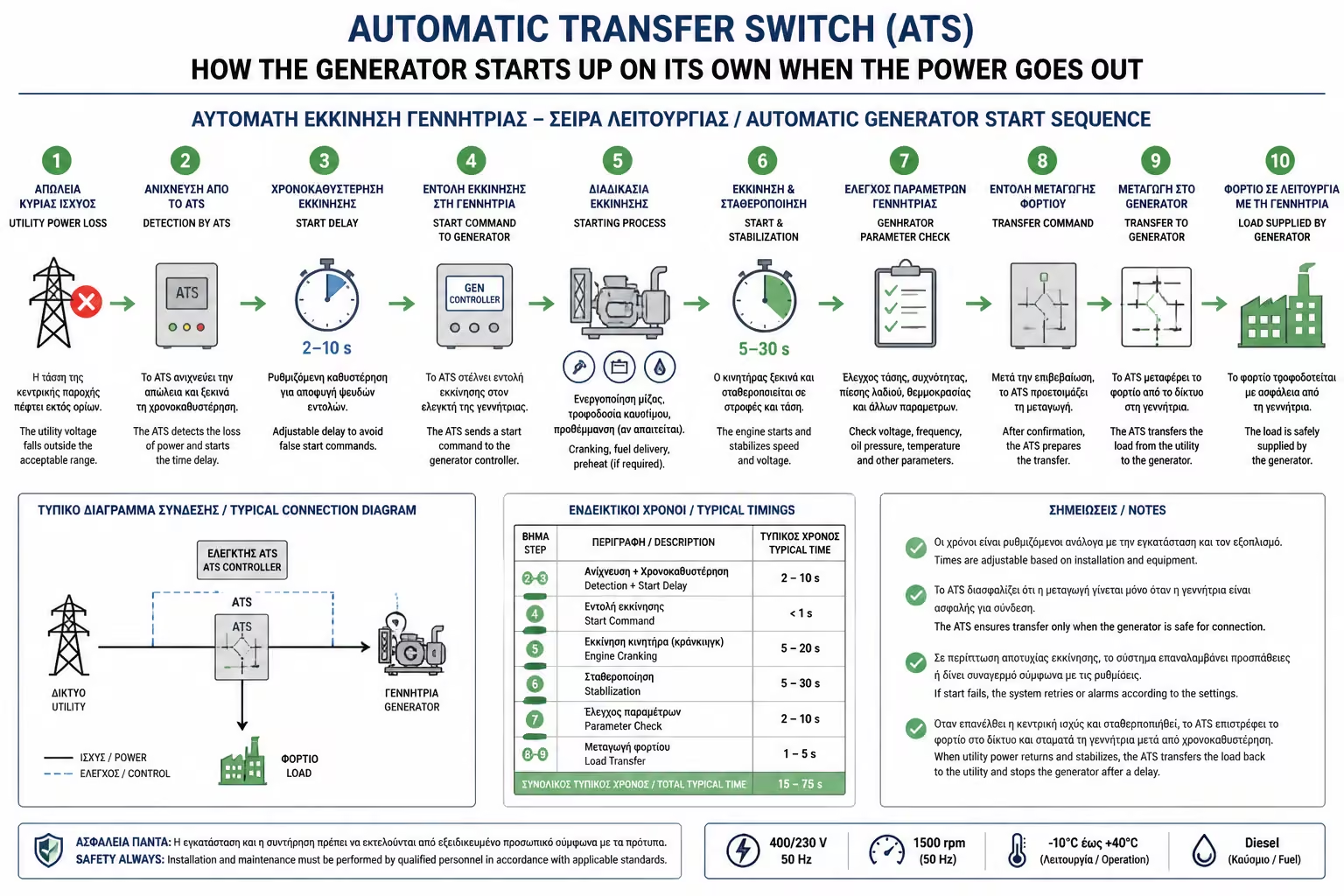
The ATS board "reads" the DEDDIE voltage. If the power goes out (or if the voltage drops dangerously low), the ATS waits a few seconds (to make sure it's not just a momentary on/off).
It sends an electrical signal (via a thin control wire) to the generator starter, giving it the command: "Go".
The generator starts up. ATS does not immediately "throw" the weight of the house on her. It gives her 10 to 30 seconds for the engine to warm up and her Volts and Hertz to stabilize.
Once the generator current is perfect, the huge switches inside the ATS make a loud "CLACK". They naturally disconnect the house from the dead DEDDIE network and connect it to the generator. Your home has power again!
ATS continues to "covertly" monitor the network. When DEDDIE fixes the fault, ATS does not rush. He waits a few minutes to make sure the city power is stable.
It goes "CLAK" again, returning the house to the cheap PPC supply. It then lets the generator run without load for 2-3 minutes (Cool down) to cool down its engine, and finally instructs it to shut down.
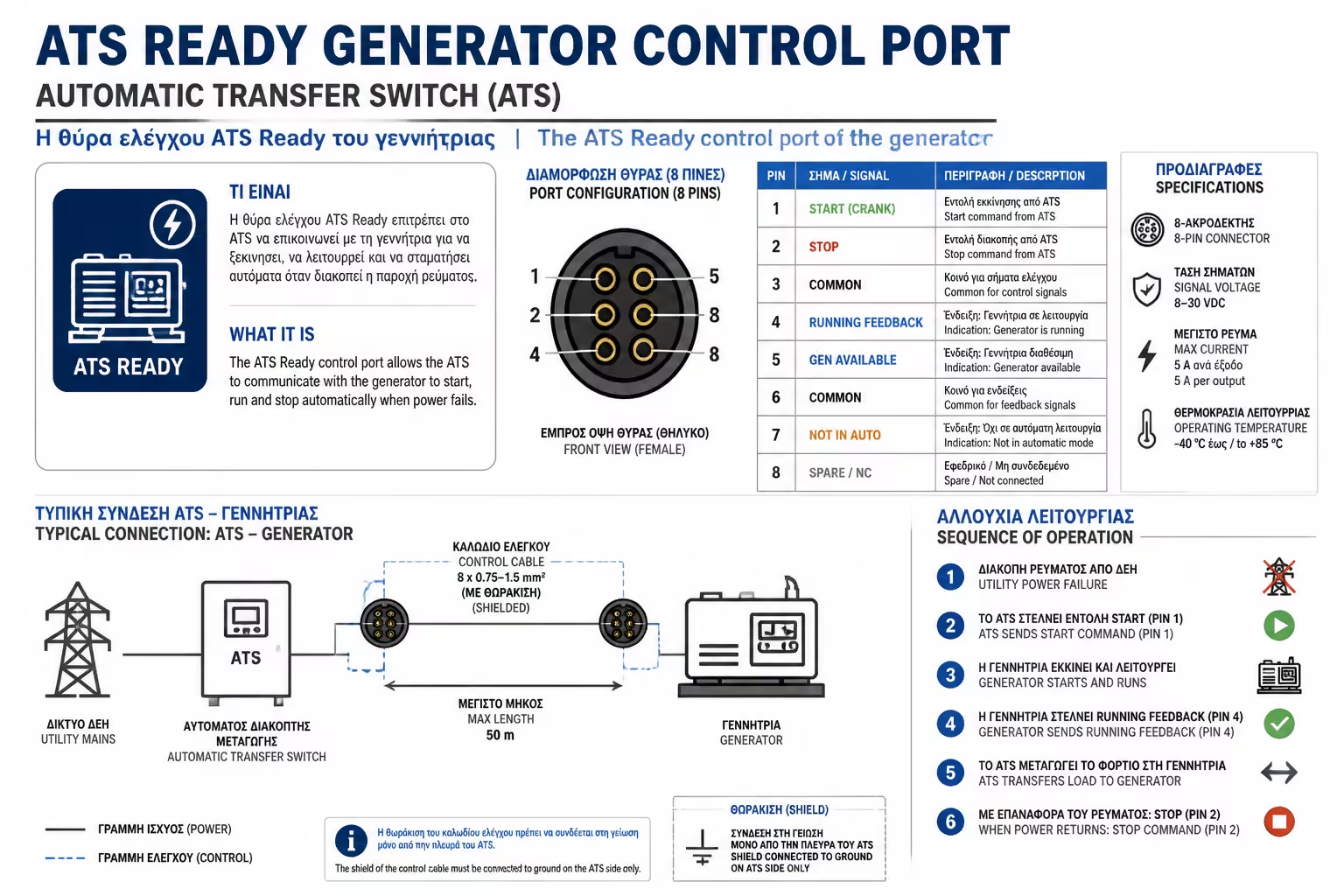
Many people buy a simple gasoline generator on the Internet and then have an electrician install an ATS. Unfortunately, this is not possible.
In order to connect a generator to an Automatic Transfer Switch, it must have two necessary technical characteristics from the factory:
(Tip: Some modern generators have a small ATS built into their chassis, but to connect to the whole house, it is always safer and more legal to use an external ATS panel permanently mounted on the wall, near the main installation panel).
Adding an Automatic Transfer Switch (ATS) increases the cost of the installation by €300 to €800, depending on the Amperes and the quality of the material. However, it's the upgrade that turns an annoying machine into an invisible, reliable shield. It's the guarantee that your business won't stop working, your security cameras won't go off, and your home will stay warm (or cool) even if you're hundreds of miles away when the power goes out.
Next Step: But what if the budget doesn't stretch to automation systems, or if you already have a simple corded generator and want to power your home legally and safely? Continue to our guide: Manual Mains/E/Z Switching at the Electrical Panel: Legislation, safety and how it's installed.
Return to category.
Go to categoryReturn to the central guide.
Go to guide