When the voltage drops (Boost)
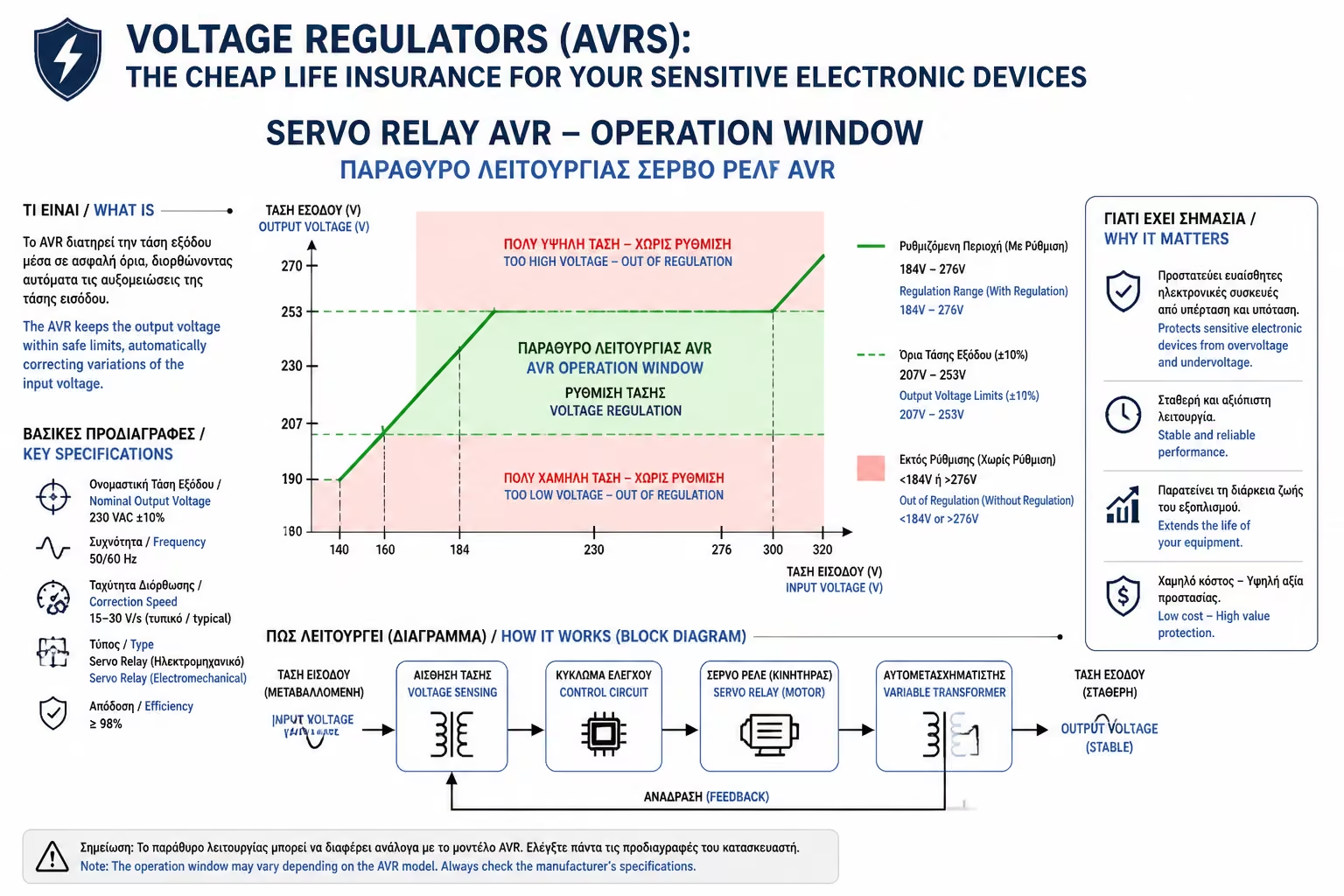
If the current is weak (eg 195V), the AVR's internal transformer "boosts" it and raises it back to 230V before feeding it to your TV.
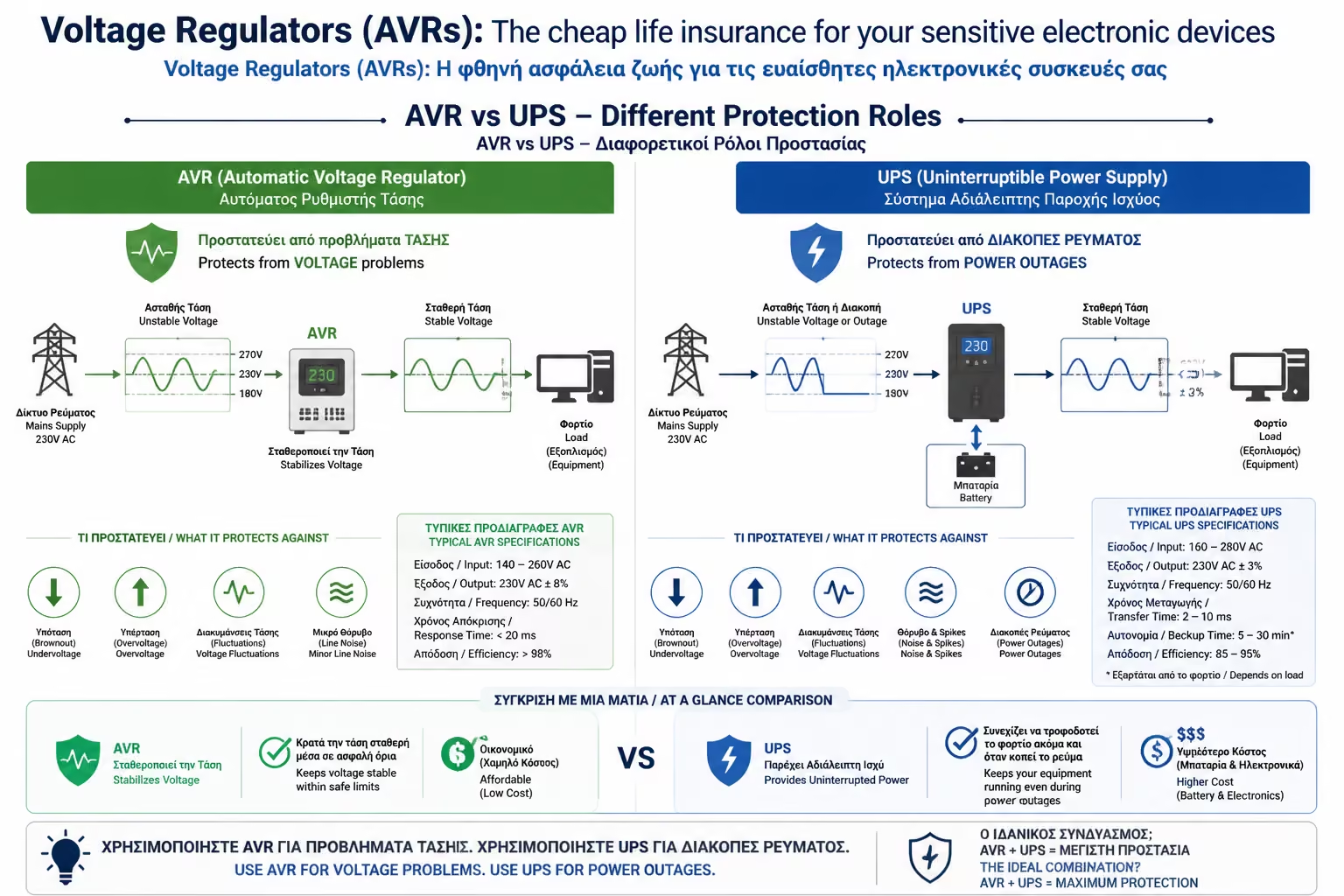
In the previous chapter we saw how UPSs give us those precious minutes of autonomy so we don't lose our computer work when the power goes out. But what about the rest of the expensive appliances in the house?
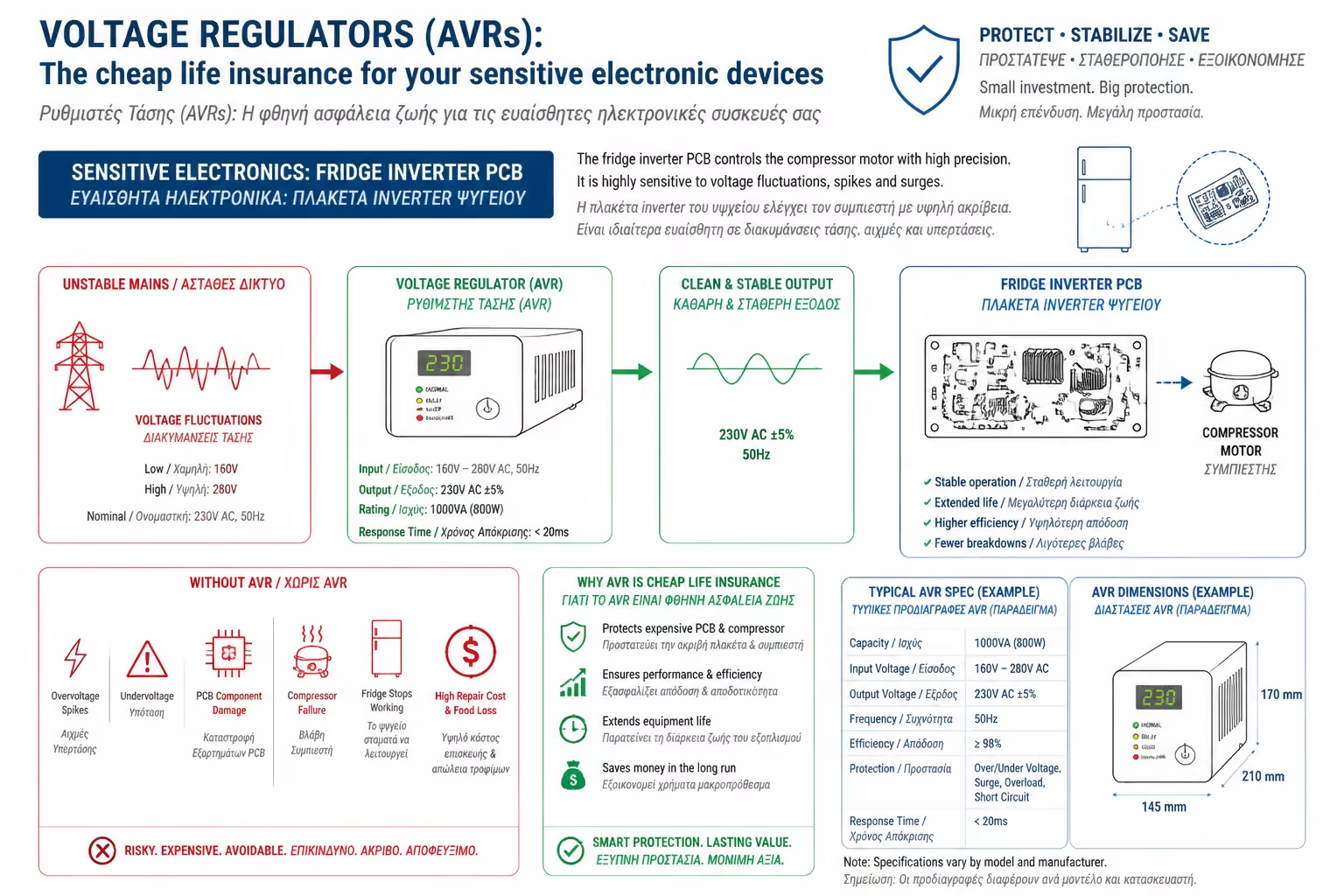
Your big smart TV, expensive sound system, or brand new refrigerator doesn't need a battery. If the power goes out, they'll just shut down – they won't take any damage. The real wear and tear on these devices (especially if you live in remote areas, on islands or in industrial zones) comes not from interruptions, but from the constant, invisible fluctuations in the mains voltage.
The solution to this phenomenon is not an expensive UPS (with batteries that fail), but an Automatic Voltage Regulator (AVR). As engineers, we consider the AVR to be the great "unsung" hero of protection. Let's see how it works and why it deserves a place in your living room.
DEDDIE theoretically supplies us with 230 Volt electricity. In fact, this price goes up and down all the time. On a hot summer day when all the air conditioners in the neighborhood are on, the voltage can "kneel" to 190V. On a stormy night, it can be thrown to 255V.
The boards and motors of your devices "suffer" trying to handle these extremes. This is where AVR comes into play.
The result? Your device thinks it's living in an ideal world, constantly receiving crystal clear, stable current (usually with a small, safe ±8% deviation).
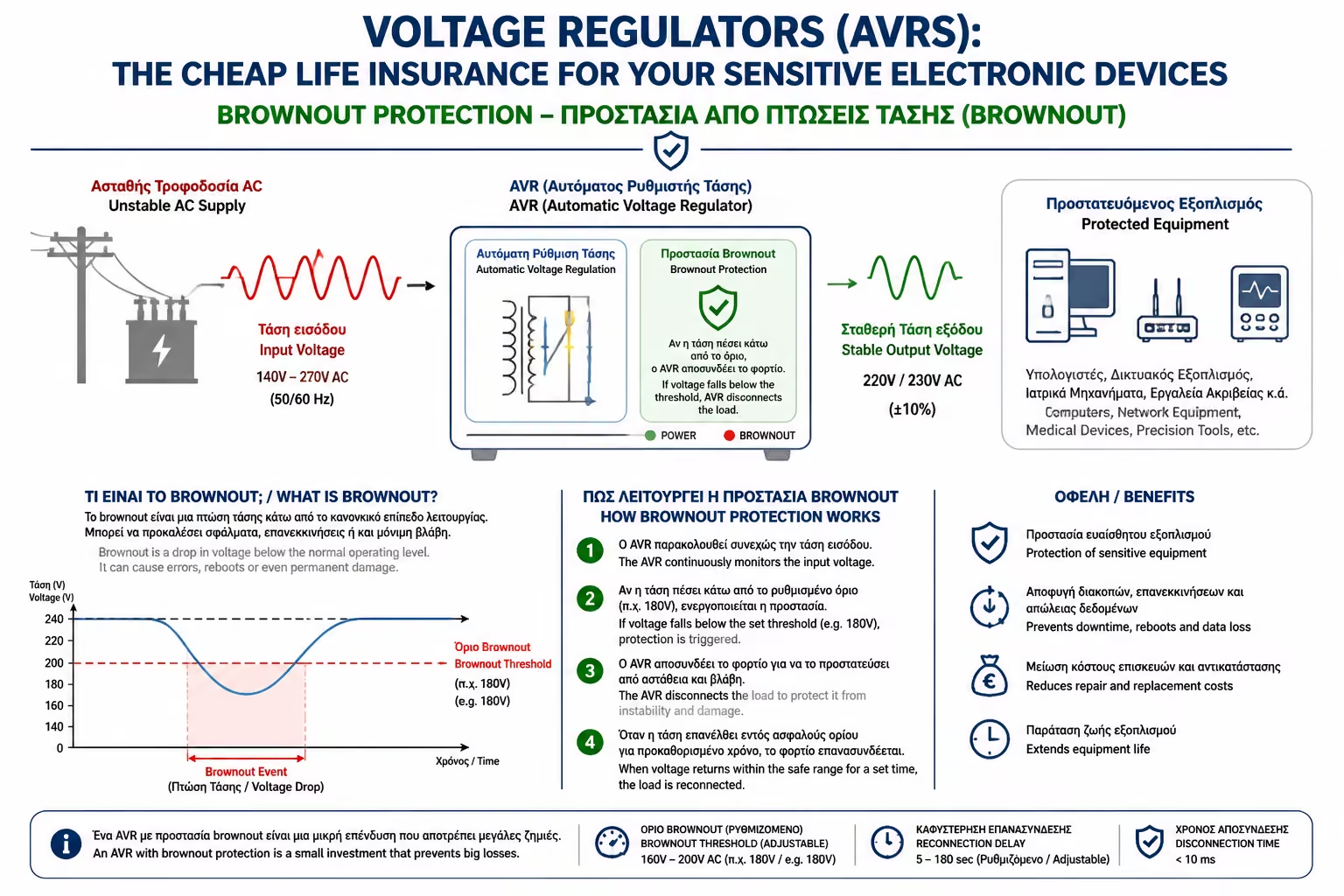
If the current is weak (eg 195V), the AVR's internal transformer "boosts" it and raises it back to 230V before feeding it to your TV.
If the current gets aggressively high (eg 250V), the AVR "cuts" it and grounds it to 230V.
Many people wonder why they should buy a stabilizer when they can get a Line-Interactive UPS that has both an AVR and a battery for a few euros more. The reasons are purely practical and economic:
If you search the market, you will come across two main technologies. The choice depends on what you want to protect:
A. AVR with Relay (Relay Type)
It has internal electromagnetic switches (relays). When the voltage drops, you hear a characteristic "clunk" and the transformer changes scale.
They are very fast in their response (minimum milliseconds) and very cheap.
They adjust the voltage "in steps".
Refrigerators, freezers, washing machines, and general household use.
B. AVR with Servo Motor (Servo Motor Type)
A small electric motor moves an arm (brush) over a copper coil, making micro-adjustments.
It offers "surgical" precision. The output voltage is perfectly linear (±2% deviation).
It is slightly slower to react than relays (takes 1-2 seconds to move the motor) and more sensitive to dust due to moving parts.
Medical machines, specialized laboratory instruments, and expensive audio systems (Hi-Fi / High-End Audio) where "scaffolding" relay changes would create "parasites" in the sound.
Our advice is targeted. You don't need to put everything in an AVR (eg a water heater doesn't understand from voltage drops). Focus on:
A voltage stabilizer is probably the smartest (and value for money) investment you can make. It works quietly in the background, smooths out network glitches, and saves you from the most irritating scenario: Having to throw away a functional and expensive device because an unseen voltage drop destroyed its power supply.
Next Step: We've seen how to last 10 minutes with UPSs and how to protect against power surges with AVRs. But what happens when the DEDDIE power goes out and does not return for hours or even days? We move to the "heavy" category of autonomy. Continue to guide: Choosing a Home Generator: Diesel vs. Gasoline vs. Inverter (Quiet).
Return to category.
Go to categoryReturn to the central guide.
Go to guide