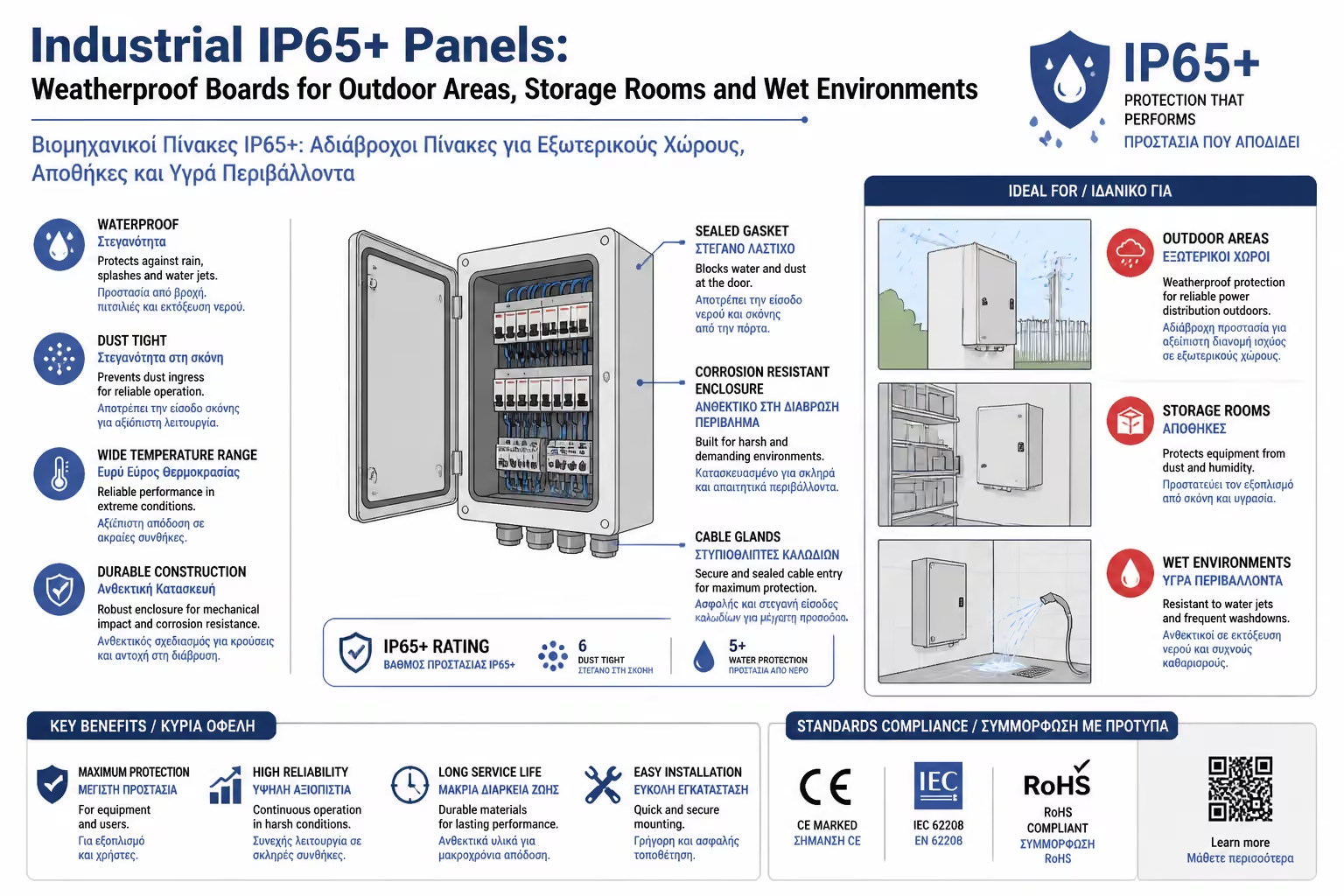
The IP rating is technical data
It describes ingress resistance, not aesthetic quality.
A standard indoor domestic panel is not designed to withstand rain, steam, dust, UV exposure or routine washing with water. When a project requires installation in a more demanding environment, the panel category must change, not just its location.
That is where weatherproof or industrial IP65 and above enclosures come in. They are not merely thicker boxes. They are housings designed to control dust and water ingress, survive harsher conditions and host technical equipment more safely in outdoor or damp environments.
The crucial point, however, is that buying the right enclosure is not enough. An expensive IP65 board can be functionally ruined if it is installed carelessly, drilled badly, left without glands or treated with no strategy against condensation. Installation itself is part of the protection.
The IP code is not marketing decoration but a technical declaration of enclosure resistance. In the case of IP65, the first digit indicates a very high level of protection against dust, while the second indicates resistance to water jets from different directions.
That makes such a panel suitable for gardens, damp basements, pool plant rooms, exterior EV charging or technical spaces where an ordinary indoor domestic enclosure is simply inadequate. It does not mean the enclosure is invincible everywhere, but that it belongs to a very different level of environmental protection.
The chosen IP rating should always reflect the real environment. If exposure is harsher, washing pressure is higher or the operating conditions are more aggressive, a higher category may be required rather than blindly repeating IP65 as a universal answer.
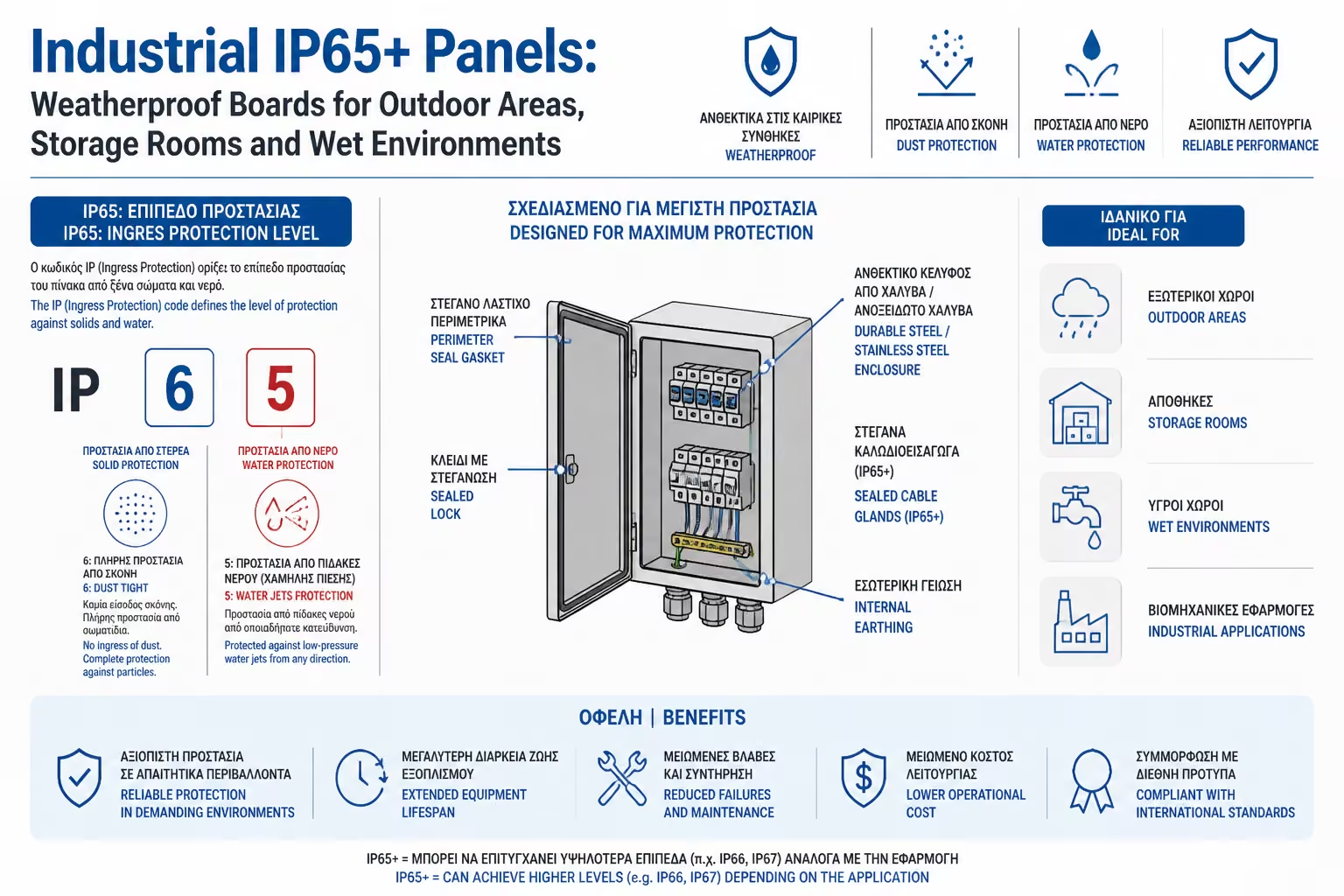
It describes ingress resistance, not aesthetic quality.
Gardens, basements and auxiliary technical zones are classic examples.
Correct selection depends on the real level of water, dust and environmental stress.
An indoor domestic panel should never be relabelled as outdoor by wishful thinking.
A weatherproof panel is usually installed where moisture, rain or dust are more likely, but that does not mean it can be placed anywhere without thought. Solar exposure, mechanical impact risk, maintenance access and the overall technical behaviour of the location still matter.
A garage with EV charging, a pool plant room, a basement with condensation risk or a rooftop photovoltaic location all belong to the broad category of difficult environments, but each presents different practical challenges.
The correct weatherproof panel is therefore not chosen only to stop water ingress. It must also cooperate with the actual building and the long-term conditions it will experience.
UV, temperature swings and impact risk influence the decision just as much.
Pools, rooftops and basements create different risk profiles.
The panel must be protected but remain realistically serviceable.
Real resilience is not a momentary property but a multi-year performance outcome.
The most common and destructive mistake is to buy the correct weatherproof panel and then drill rough cable holes without using the proper entry hardware. From that moment on, the enclosure effectively loses the protection level it was designed to offer.
Cable glands, correct entry points, sealing gaskets and mechanically sound cable entries are what preserve the promise of the IP rating. Without them, water, dust and insects can all find their way inside.
The same applies to the logic of drip loops or correct entry direction where relevant. Weatherproofing is not only about a good box but also about cable-routing details.
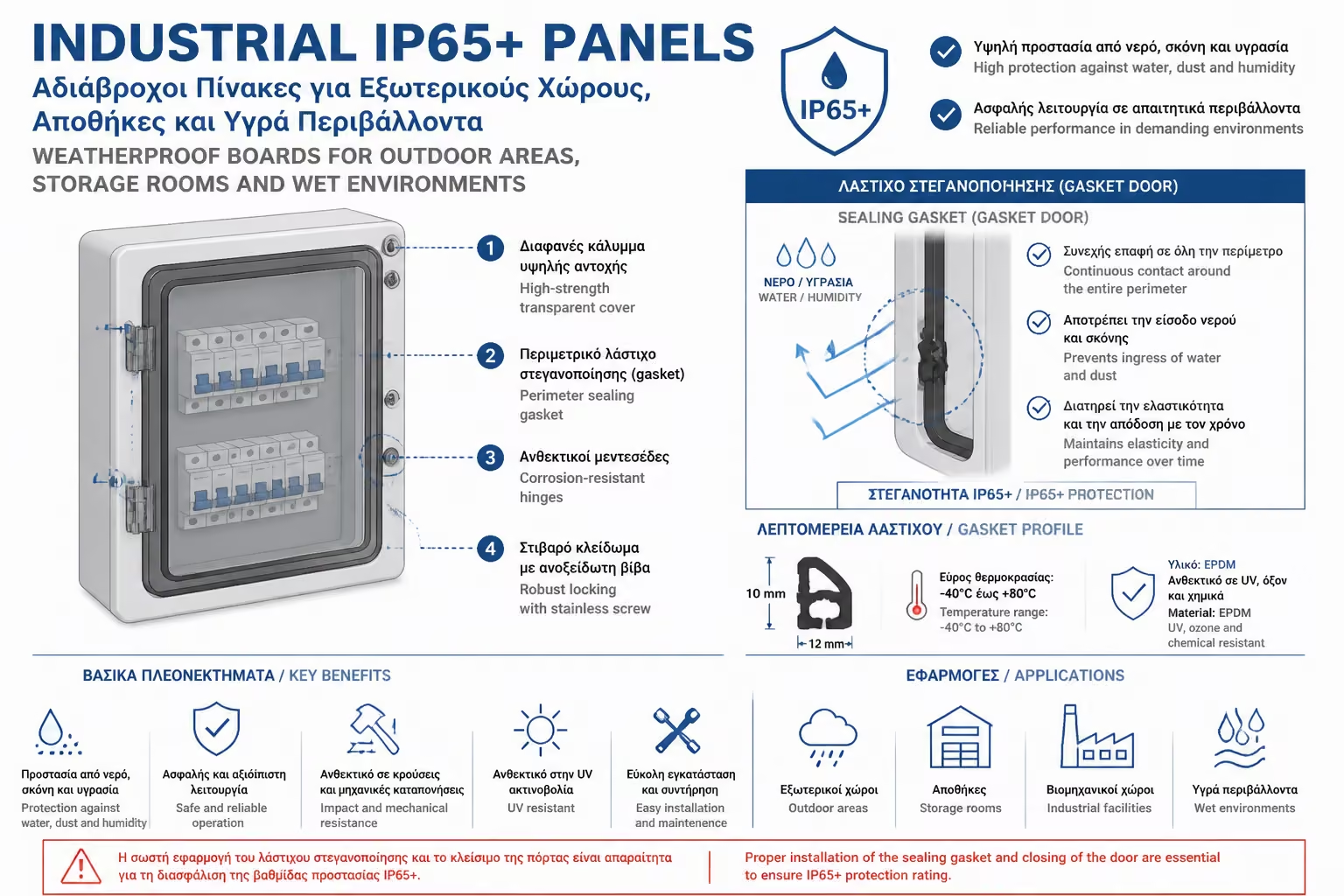
Bad cable entries practically destroy the technical promise of the product.
They are central to correct sealed cable entry.
Correct entry and drainage logic prevent many future failures.
In this category, the product and the installation cannot be separated.
Even if rainwater never enters the panel, the inside can still accumulate moisture through condensation. Temperature swings and the internal operating heat of the devices create conditions in which vapour turns into droplets inside the enclosure.
That is why serious applications pay attention to breathing strategy, pressure membranes or correctly planned drainage provisions where appropriate. Protection from external water is not enough if the internal environment slowly destroys the equipment.
A mature weatherproof-panel decision therefore considers water ingress, cable entries, UV resistance, access, mechanical protection and condensation behaviour together. Only then is the installation truly robust.
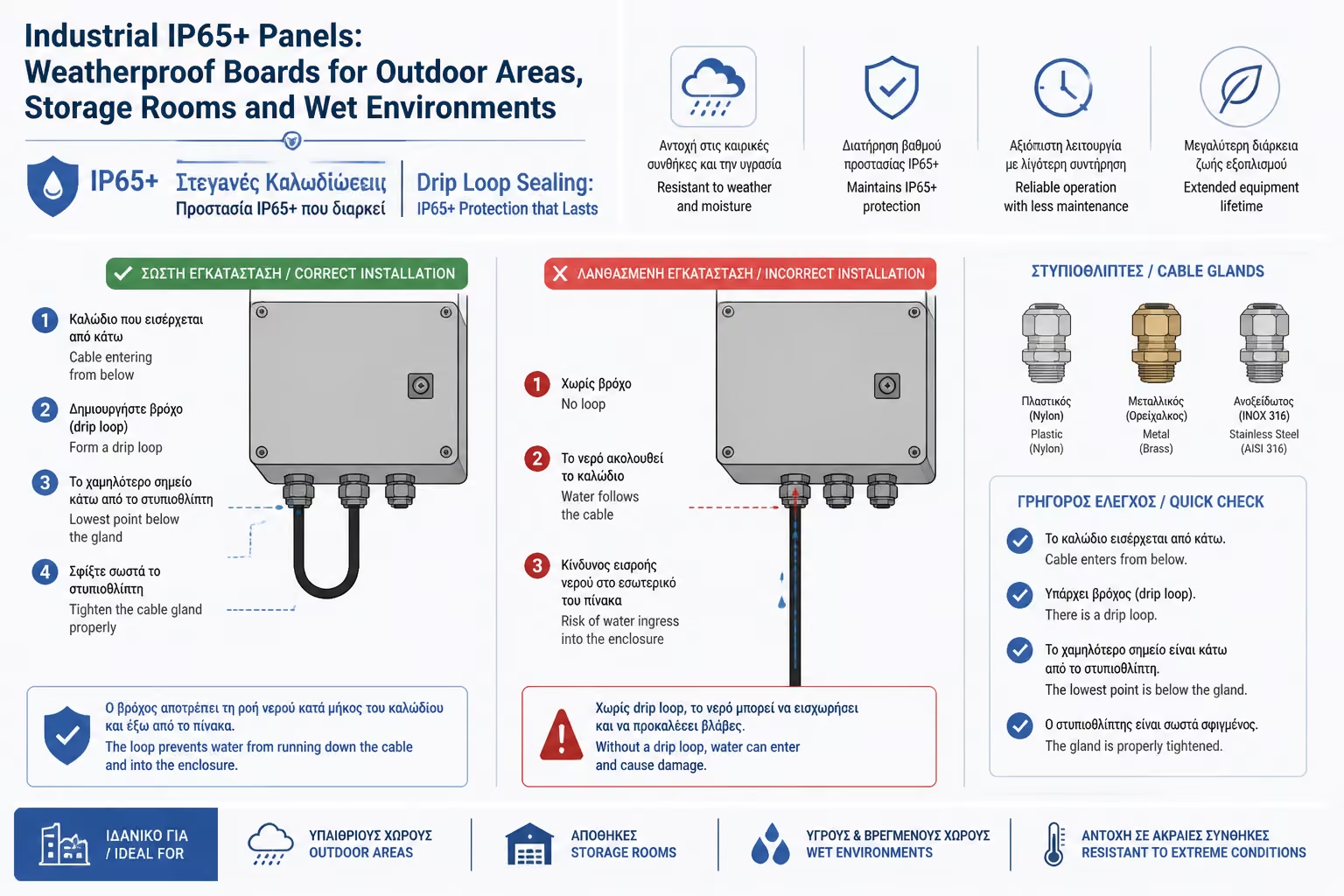
The internal environment can still degrade even without direct rain ingress.
Temperature change can fill an enclosure with unwanted internal moisture.
Pressure and vapour management are part of the mature solution.
Real durability comes from the combination of correct selection and correct installation.
A weatherproof panel usually does not fail because it was cheap. It fails because it was treated as a simple box rather than as an environmental protection system.
Return to category.
Go to categoryReturn to the central guide.
Go to guide