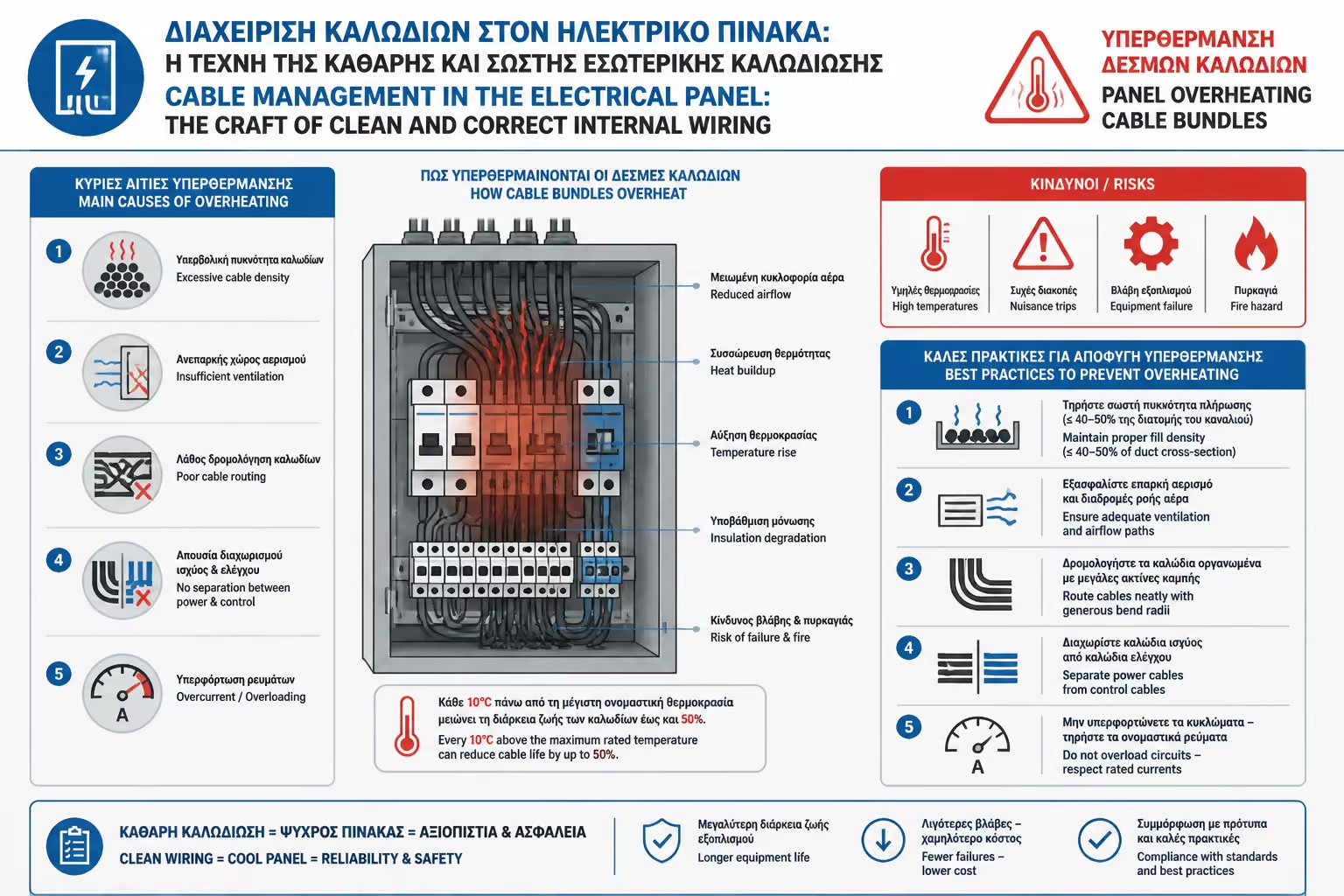
Tight bundles trap heat
Excessive cable concentration makes internal cooling much harder.
An electrical panel may contain high-quality devices and still be poorly executed if its internal wiring is careless. Disorder inside the enclosure is not only ugly. It is a source of thermal problems, delayed fault diagnosis and future maintenance mistakes.
Cable management is therefore not decorative craftsmanship for photographs. It is technical discipline. The way conductors are routed, breakers are bridged, circuits are labelled and the internal space is organised directly affects the quality of the installation.
That is also why the inside of a panel says a great deal about the professionalism of the installer. Exactly where no one is supposed to look, you can see whether the work was done with rigour or with the mindset of simply forcing the door shut and moving on.
When cables are crammed chaotically into the middle of a board, heat is not rejected properly. Conductors struggle to cool, devices sit in poor airflow and the overall thermal behaviour of the panel deteriorates.
That has real consequences. Insulation is stressed, terminations are burdened and protective devices operate in a less healthy environment. In demanding boards, poor internal organisation can become a meaningful contributor to reduced reliability.
Order is therefore not merely an aesthetic pleasure. It is a tool for better thermal behaviour and a longer service life for the equipment.
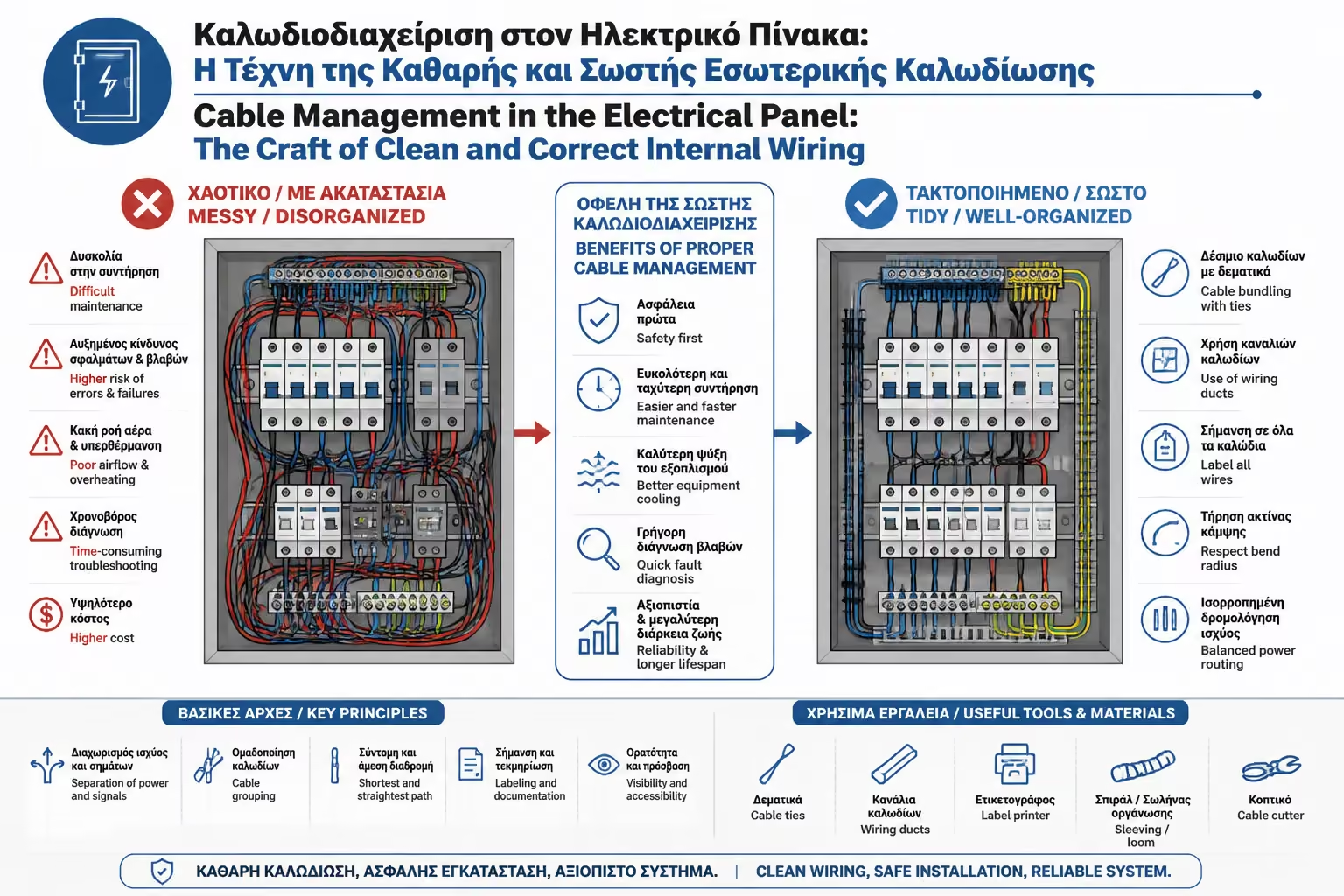
Excessive cable concentration makes internal cooling much harder.
Thermal stress accelerates wear at critical points in the board.
An organised board breathes better and operates more calmly.
A good panel is not only electrically correct but internally correct too.
When a board is messy, every future intervention becomes slower and riskier. The technician struggles to identify which cable goes where, terminal screws are hidden, neutrals and earths are confused and the chance of creating secondary faults rises sharply.
By contrast, an organised panel shows its routes clearly, groups conductors logically and makes maintenance much cleaner. Troubleshooting stops being guesswork and becomes a structured tracing of the relevant circuit.
That reduces time, cost and risk. In the long run, it also protects the owner from being dependent only on the original installer who vaguely remembers how the board was assembled years earlier.
Maintenance becomes harder when the internal logic is not readable.
Organised routes mean less guesswork and fewer new mistakes.
The technician identifies circuits and fault causes much faster.
A good panel does not depend on the memory of its first installer.
Internal order does not come only from careful hands. It also comes from correct components. Busbars replace improvised bridging wires, slotted trunking organises conductor routes and ferrules on flexible conductors create cleaner and safer terminations.
These materials reduce clutter, stabilise electrical contact and give the panel a professional structure. The goal is not to look industrial for show, but to behave like a properly organised technical system.
Even cable ties, which many people dismiss as minor details, need discipline. Their purpose is guidance and grouping, not crushing insulation or creating rigid cable masses.
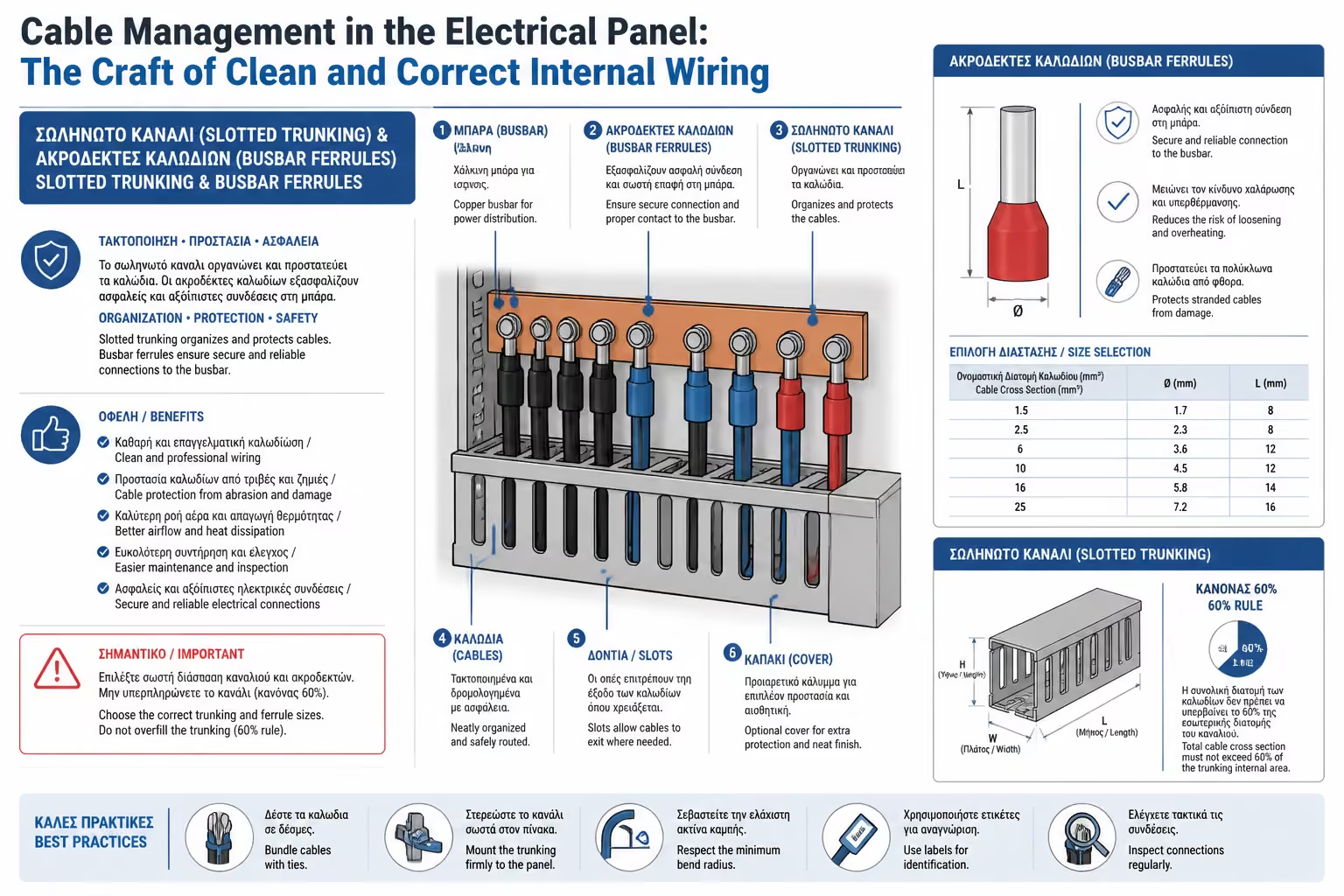
They reduce loose wiring, improve structure and clean up the internal layout.
The panel gains visible and maintainable internal order.
Stranded conductors gain cleaner and safer contact points.
Over-tightening is not professionalism; it is bad workmanship.
A panel is maturely organised only when each circuit can be identified easily. That does not mean just one generic sticker on the door, but a meaningful labelling logic for conductors and circuits where needed.
Correct identification helps safe intervention, clarifies what each protective device isolates and supports cleaner future expansion. It is the language through which the original installer communicates with every technician who comes later.
In practice, labelling completes internal organisation. Without it, even a relatively tidy panel loses much of its value. With it, the board becomes a true technical tool.
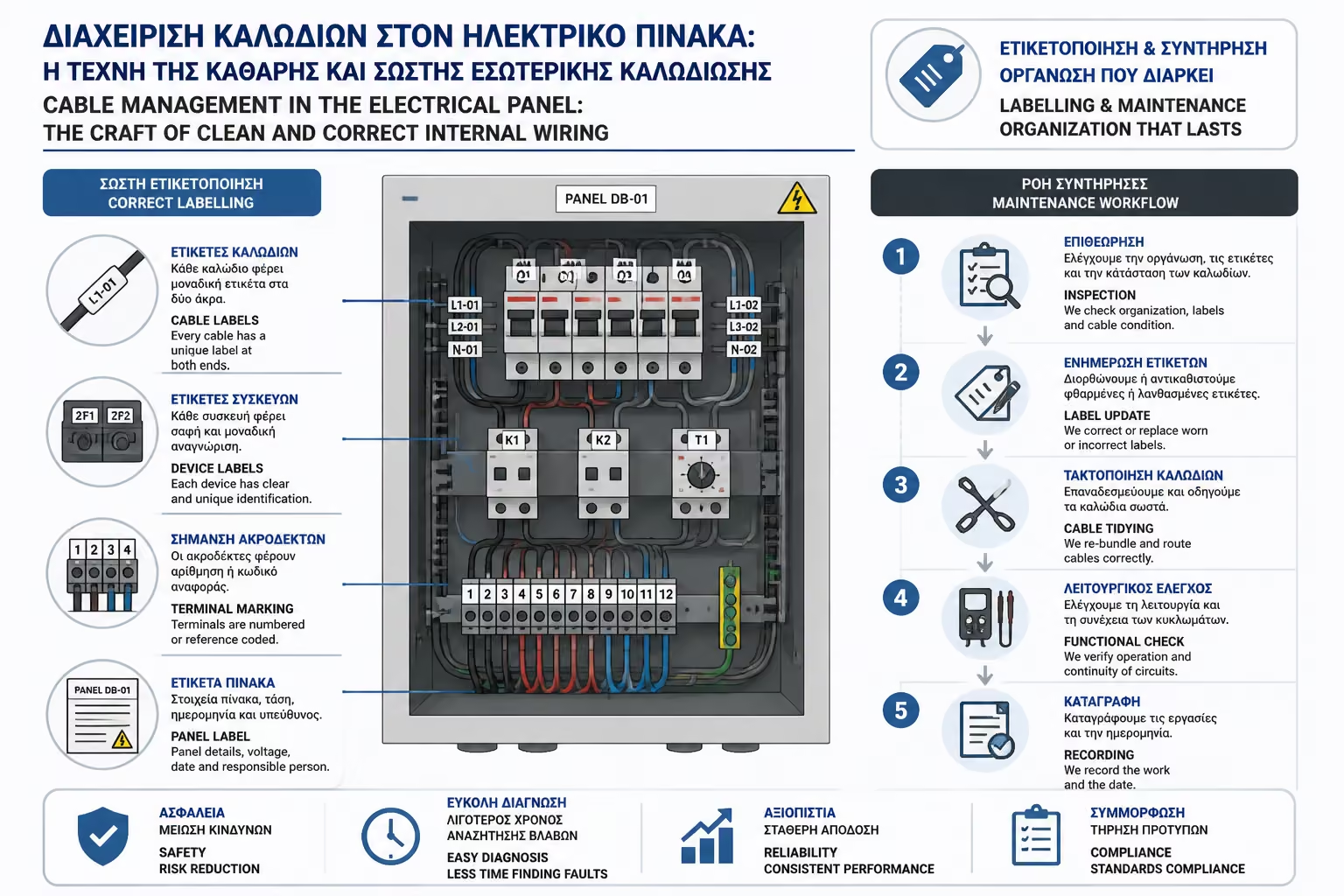
The technician knows what is being handled without doubt or interpretation.
New circuits integrate far more cleanly into an already organised system.
Every subsequent electrician understands the board logic faster.
A tidy internal image is not enough if the system does not explain itself.
Cable management is not the panel’s visual polish. It is its internal logic, its thermal health and its memory for whoever opens it in the future.
Return to category.
Go to categoryReturn to the central guide.
Go to guide