Trigger (Time)
The time went to 06:15 am.
We have reached the end of Category C and, of course, we could not close the sub-pillar of comfort and savings without touching the absolute "holy cow" of the Greek residence: the Solar Water Heater (Boiler).
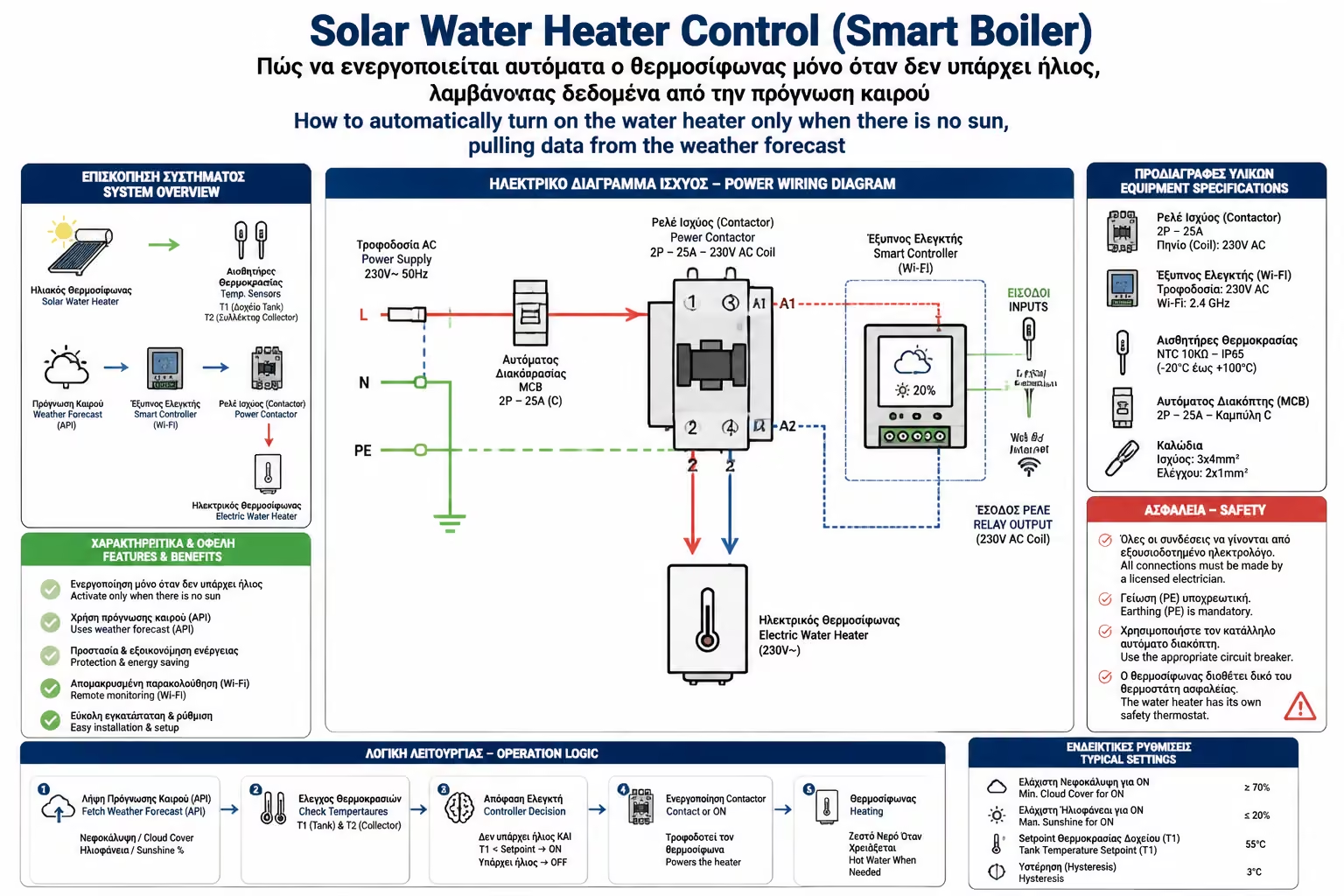
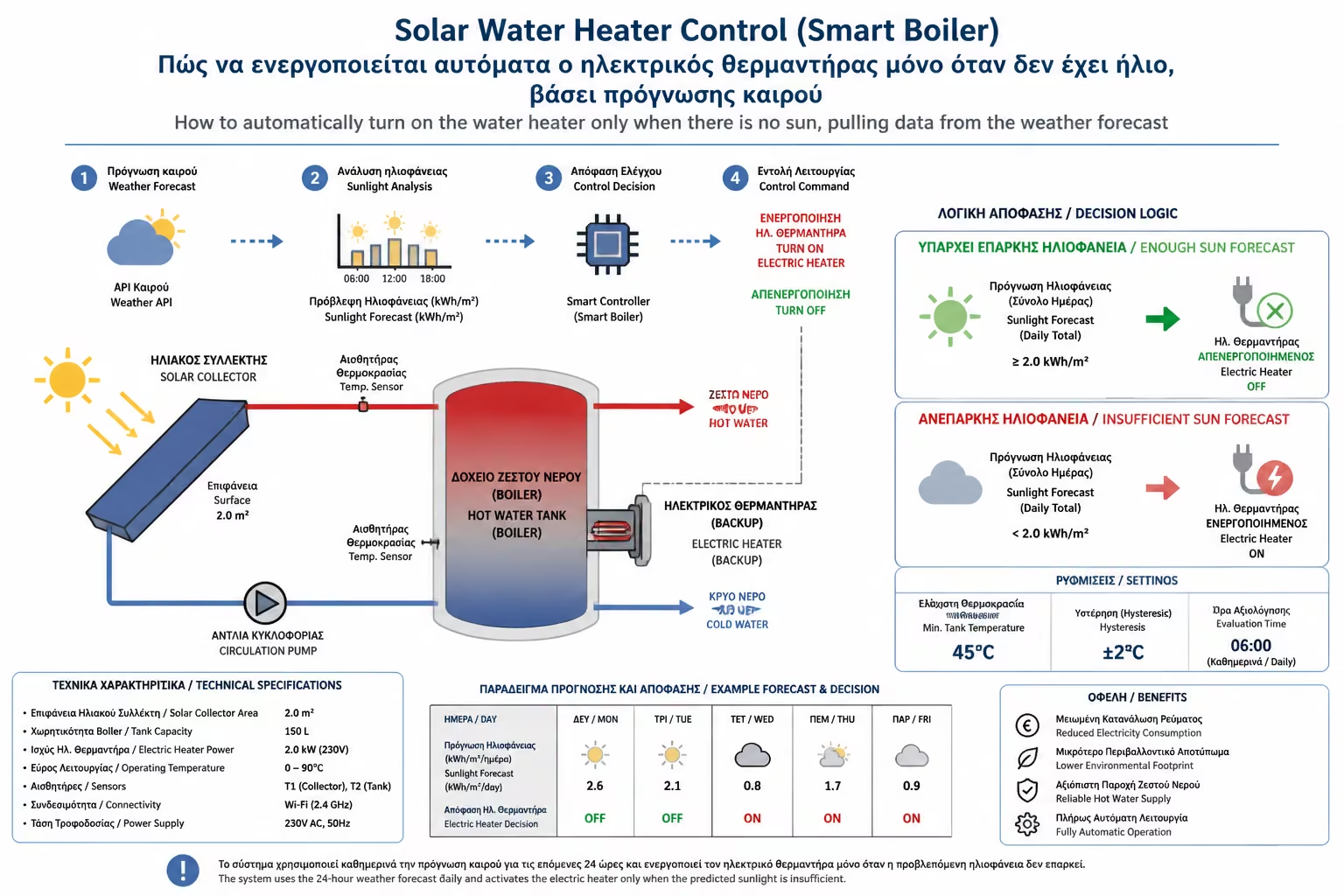
The solar water heater is an amazing passive technology. The problem, however, arises in the winter with the changes in weather. How many times have you woken up in December to cold water, turned on the electric heater to take a shower, and two hours later a bright sun has come out? In other words, you burned 4000W of electricity to heat a water that nature would have heated for free a little later.
As engineers, we see the electrical resistance of the water heater as the ultimate scope for "Smart" algorithms. Let's see how to connect the panel relay to the internet so that the house can make decisions based on... Meteorology.
As we detailed in Category B, the first step is to check the circuit.
Now, the water heater is on our Wi-Fi. It's time to give it a "brain".
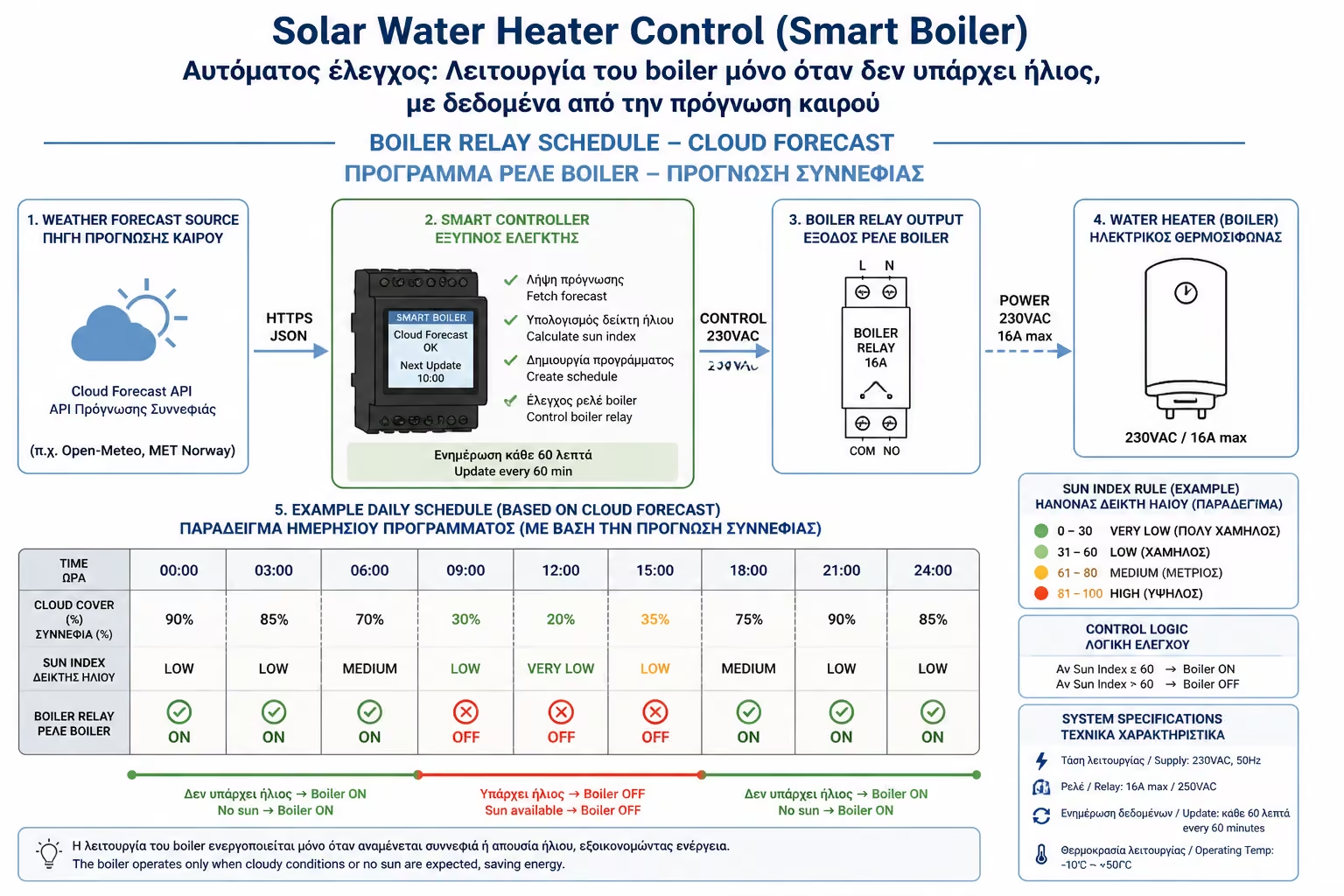
A simple timer (that turns on the water heater every day at 06:30 in the morning) is "dumb" and wasteful. Our goal is for the system to control the weather before it consumes power.
Inside the Central Hub of the Smart Home (eg Home Assistant, SmartThings, Hubitat), we install a weather data plugin (such as OpenWeatherMap or AccuWeather), which reads the coordinates of our home.
The Scenario (Morning Shower): We set up a routine that runs automatically every day:
What we achieve: If the forecast shows sunshine at 09:00, the automation will not turn on the water heater. He knows the sun will take the job for free. If the day is "off" and rainy, it will turn it on so you don't have to take a cold shower before leaving for work.
The time went to 06:15 am.
Check the Cloud Coverage forecast for the next 4 hours. If cloud cover is > 70% OR if rain is forecast.
Instruct Shelly to turn on the water heater for 30 minutes.
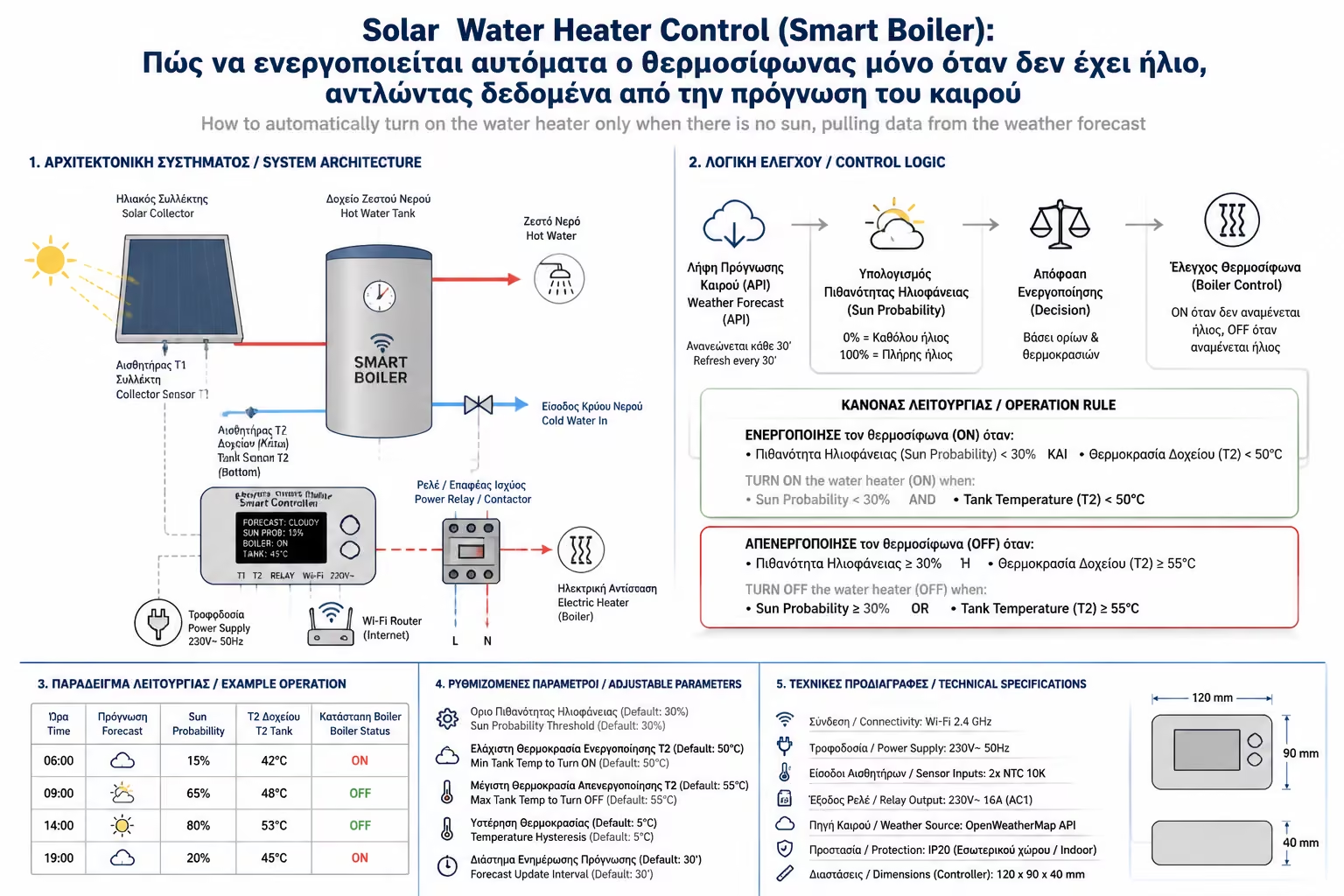
The above algorithm is excellent, but it has a blind spot: The weather forecast is not always 100% accurate, and the system does not know if the water inside the boiler is already warm from the previous day.
The solution for professional installers is to place a physical Temperature Sensor (such as the waterproof DS18B20 "Dallas" type sensor) directly on the Solar Boiler on the roof or roof.
The "Bulletproof" Scenario (The Ultimate Smart Boiler): Now, the system also has "eyes" in the water. The algorithm is refined:
In this way, you guarantee that you will always have hot water when you need it (afternoon or morning), consuming exactly the minimum required electricity, without overheating the water to 70°C unnecessarily.
The time is 17:00 (the sun has gone down, the day's solar gains are over).
If the actual water temperature in the boiler is below 38°C (not enough for a bath).
Turn on the electric resistance UNTIL the water reaches 45°C and then turn it off.
The connection of the solar water heater with the weather and temperature is the "Masterclass" of the Smart Home. It combines hardware (Relay Panel), software (Weather Algorithms) and physical measurements (Sensors). The savings on winter bills are so drastic (once you cut out the waste completely), that this particular installation often pays for itself in less than one winter season.
Return to category.
Go to categoryReturn to the central guide.
Go to guide