Thin flow into the bowl
A small but continuous stream of water is visible inside the toilet bowl.
A cistern that keeps running into the toilet bowl is one of the most common bathroom faults. At first it may seem minor: a faint sound of water, a thin line inside the bowl, or a cistern that refills now and then without anyone touching it.
But in practice, this small leak can waste many liters of water every day. If the problem persists for weeks or months, it can also show up on your water bill.
The most important point is that a leaking cistern does not always come from the same cause.
The fault may be in the float valve, the fill valve, the flush valve, the sealing bubble or rubber gasket, scale buildup, excessive water pressure, the flush button, incorrect water-level adjustment, or other worn components.
The right diagnosis starts with a simple question: is the cistern refilling because too much water is entering, or is it leaking into the toilet bowl because it no longer seals properly?
The signs are usually easy to spot, even if they do not all appear at once.
The most common signs are the following:
A small but continuous stream of water is visible inside the toilet bowl.
You can hear water moving even when nobody has used the cistern.
The cistern refills by itself every few minutes because water is escaping into the bowl.
You may notice moisture marks or scale deposits inside the bowl.
Water keeps running even though the flush button has not been pressed.
Even a small leak may not look dramatic, but it still registers on the water meter.
You keep hearing the filling mechanism start up during the day.
In concealed systems, the first clue may be a whistling sound or periodic refilling.
Some leaks are so small that they are not easily seen. But if the cistern fills itself during the day, there is a loss.
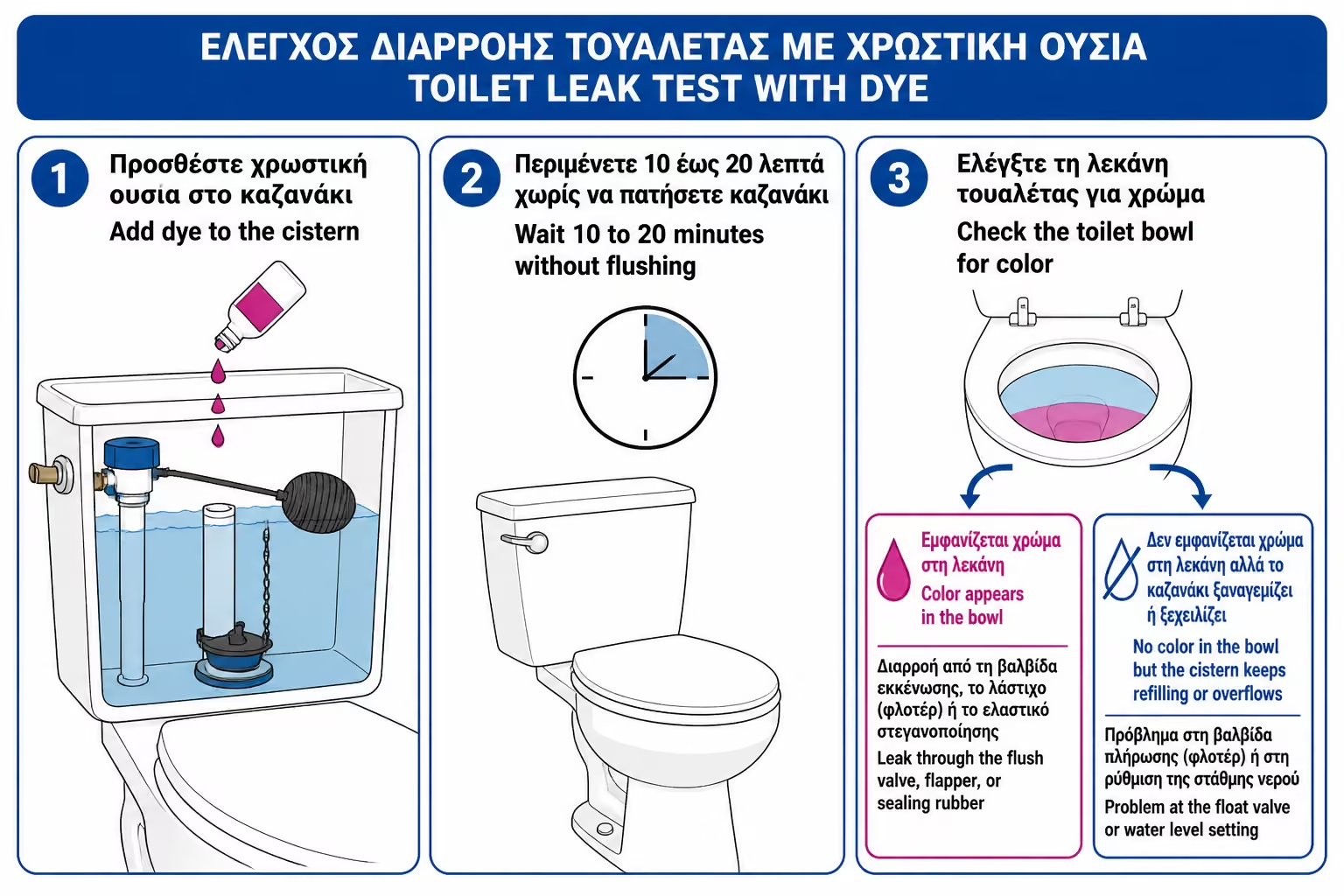
An easy way to see whether the cistern is leaking into the toilet bowl is the dye test.
Put a few drops of food colouring, or a little strongly coloured water, into the cistern tank without pressing the button.
Wait 10–20 minutes.
If colour appears in the toilet bowl, water is passing from the cistern into the bowl without flushing. That points to a problem with the flush valve, the sealing bubble, or the rubber gasket.
If no colour appears but the cistern keeps filling or overflowing, the fault is more likely in the float valve or the water-level setting.
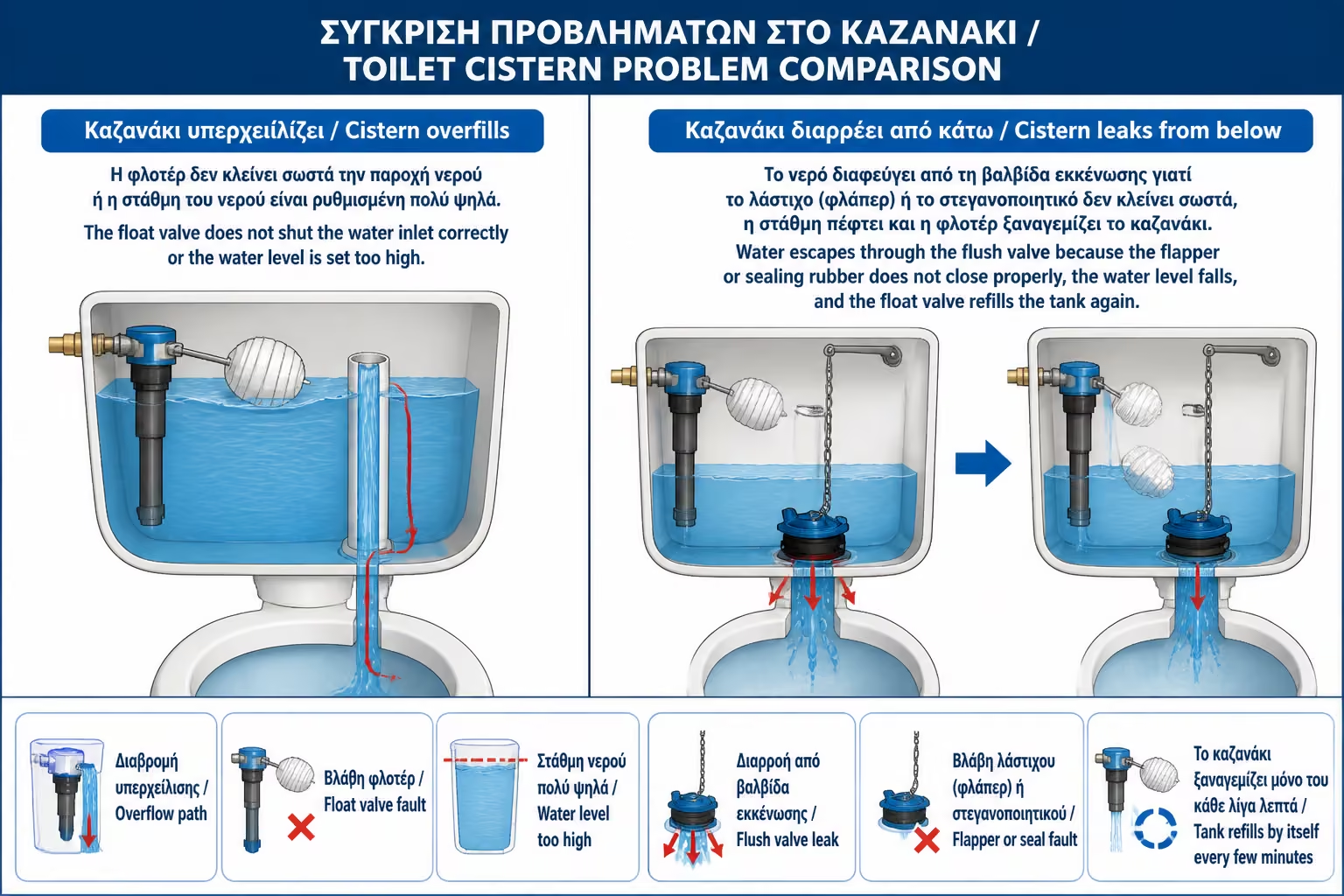
To make a correct diagnosis, we divide the damage into two categories.
Water may rise to the overflow level and run into the toilet bowl.
The cistern loses water, the level drops, and then the float refills the tank.
This is why you often hear the cistern filling itself every few minutes.
The two main fault categories you need to separate are the following:
In this case, the float valve does not stop the incoming water properly or the level is adjusted too high.
In this case, water escapes through the flush valve into the toilet bowl because the sealing bubble or rubber gasket no longer closes properly.
The float valve is the mechanism that fills the cistern and stops the supply when the water reaches the correct level.
If the float does not close properly, water continues to enter.
The most common float-valve faults and their usual symptoms are the following:
The mechanism may be clogged with scale, worn internally, badly adjusted, partly stuck, fitted with a blocked inlet filter, or stressed by excessive pressure.
Water keeps entering the cistern, a continuous filling sound is heard, the level reaches the overflow, and the problem may ease if you partly close the supply valve.
If the water rises too high and goes through the overflow, the first check point is the float and level.
Sometimes the float isn't broken. It's just set too high.
The water then rises higher than it should and reaches the overflow pipe. The result is a continuous flow into the toilet bowl.
In many cisterns, this is done by a screw or adjustment mechanism on the float.
If you do not know the mechanism, it is better to let a plumber handle it, especially in a concealed cistern.
In practical terms, the corrective step here is straightforward:
The level needs to be adjusted so that the water stops below the overflow.
The flush valve is the mechanism that opens when you press the button and lets water discharge into the toilet bowl.
When the valve closes properly, the water stays in the cistern.
If it does not close properly, water keeps passing into the toilet bowl.
The most common reasons it fails to close properly are:
This is one of the most common causes of leakage.
In many cisterns, the flush outlet is sealed by a rubber gasket or a sealing bubble that presses against the opening.
Over time, this gasket or sealing bubble may develop problems such as:
When that happens, a small leak develops into the toilet bowl.
The most typical signs in this case are:
In many cases, replacing the gasket or sealing bubble solves the problem without replacing the whole cistern mechanism.
Scale buildup is a very common cause of failure.
Over time it can build up in places such as:
Scale can prevent a component from closing properly.
You usually recognise it from signs such as:
Cleaning may help, but if the gaskets are worn, replacement is usually the proper fix.
Sometimes the problem is neither the float nor the bubble. It's the button.
If the flush button does not return properly, or if the mechanism stays slightly pulled, the flush valve does not close completely.
The most common signs in this case are:
In this case, the button mechanism needs adjustment or replacement.
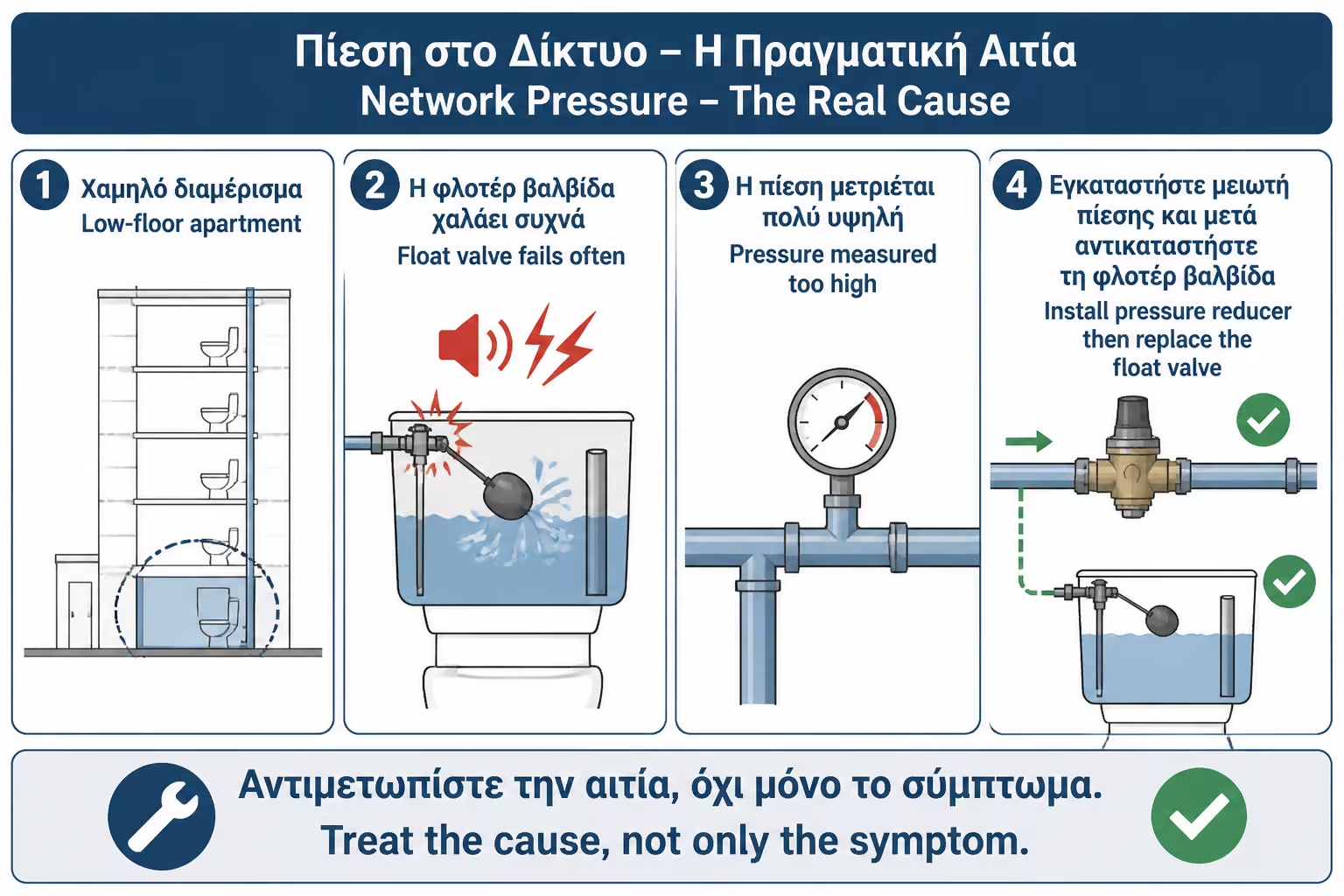
High line pressure can accelerate wear of the float and mechanisms.
If the cistern fills very noisily or the float frequently breaks, the pressure should be checked.
Possible signs of excessive pressure include:
If the pressure is high, the correct solution may be a pressure reducer in the central supply, not just a float change every few months.
The cistern should have its own isolation valve or local shutoff valve.
That allows you to shut off only the cistern without cutting water to the rest of the home.
If the cistern is leaking, this valve lets you do the following immediately:
If there is no local isolation valve, you may have to shut off the main supply instead.
In concealed cisterns, the valve should be reachable through the service opening.
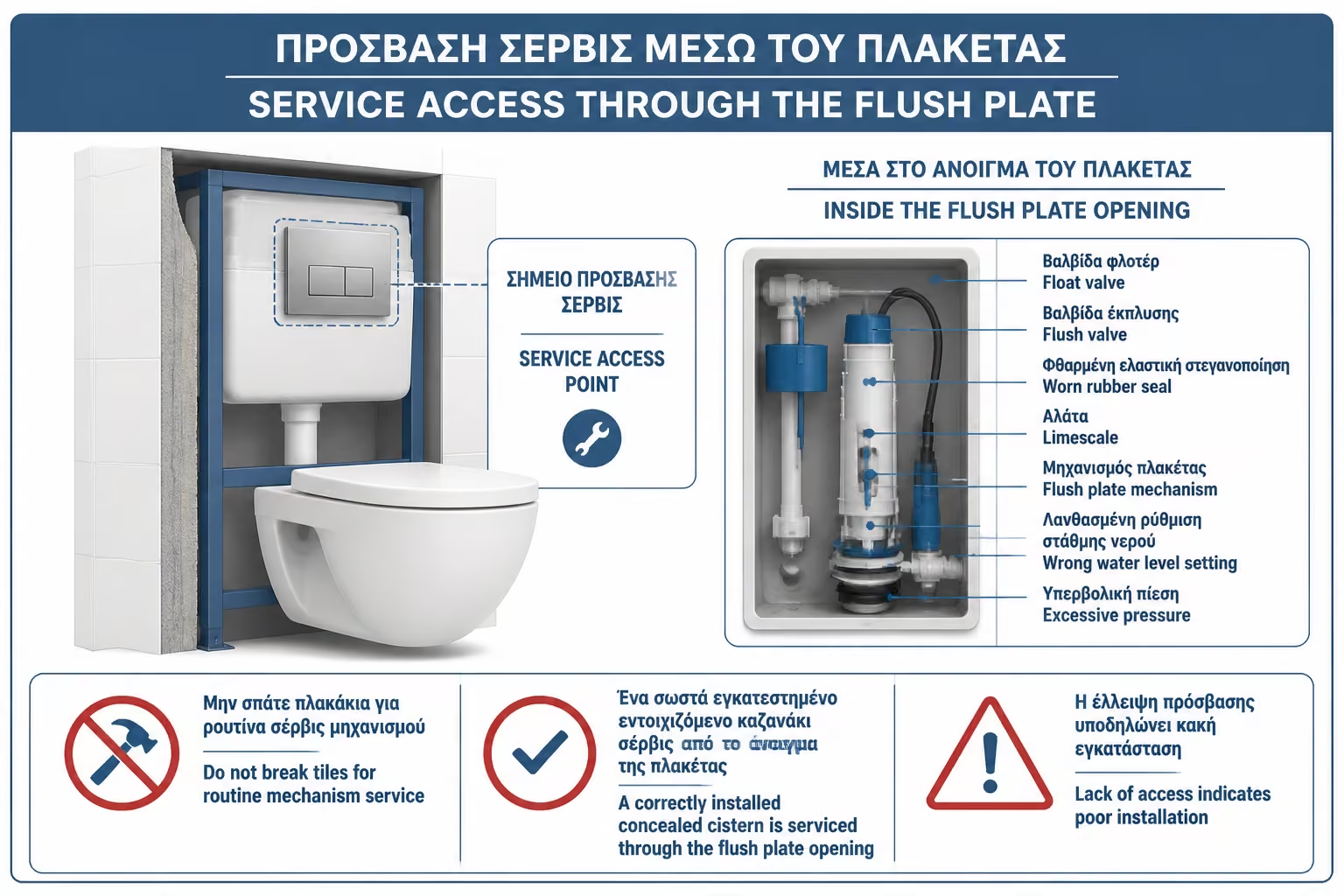
Concealed cisterns work on the same basic principle, but access is through the flush plate.
In most properly installed concealed cisterns, the main mechanism can be inspected and replaced through that service opening.
If the flush plate cannot be removed easily or there is no real access, that is an installation problem rather than a normal service difficulty.
The most common causes in a concealed cistern are the following:
There is also one practical warning that should not be overlooked:
You should not break tiles for a simple mechanism service.
A small leak in the cistern may seem innocent, but in the long run it is significant.
If there is a thin continuous flow, the loss can be tens or even hundreds of liters per day, depending on the intensity.
If the water meter reads while everything is closed, a running cistern is one of the first things to check.
In practical terms, the water loss may look something like this:
Even without a dramatic visible stream, the daily water loss can still be significant.
It may be hard to notice visually, but it still shows up on the water meter.
You often hear the cistern refilling during the day.
You can clearly see water running into the toilet bowl.
Follow this sequence.
See whether there is a thin stream of water on the back wall of the bowl.
If it sounds like it's filling periodically, it's probably losing water.
If the dye passes into the bowl, the flush valve, sealing bubble, or gasket is likely to blame.
If the water is too high and goes into the overflow, check the float and adjustment.
If the leak stops but the cistern has already been slowly emptying into the bowl, the flush valve is a likely cause.
If you cannot inspect or adjust the mechanism safely, call a plumber.
If you have a simple exposed cistern and are comfortable with basic minor repairs, you can safely do checks such as:
By contrast, you should not attempt jobs such as:
If in doubt, call a plumber. The cost of a minor repair is lower than the damage that can be done by mishandling.
In some cases, the safe choice is to call a plumber, especially when:
Replacing a simple gasket may be easy. A wrong intervention on a concealed system can become expensive very quickly.
The choice depends on age and condition.
To decide properly, separate the cases where a small repair is enough from those where replacement is the better long-term solution:
The cistern is relatively new, the gasket has only light scale, the float valve still works but needs adjustment, or the button is only slightly sticking.
The gasket has hardened, the sealing bubble is deformed, the float valve no longer closes, scale has worn the mechanism, or the same fault keeps returning in an older cistern.
In many cisterns, replacing the entire fill or flush mechanism is more reliable than repeating small repairs.
The cost depends on the type of cistern, access and spare part.
To set expectations realistically, the most common price ranges are roughly the following:
| Work / Material | Realistic cost |
|---|---|
| Flush gasket / sealing bubble | €5 – €20 |
| Basic float valve | €10 – €35 |
| Higher-quality fill valve | €25 – €60+ |
| Flush valve mechanism | €20 – €70+ |
| Plumbing work for a simple cistern | €40 – €100+ |
| Concealed cistern service | €60 – €150+, depending on access |
| Complete mechanism replacement | €80 – €200+ |
The prices are indicative. In branded concealed cisterns, parts may cost more, but availability is often better.
The mistakes we see most often in this kind of fault are the following:
Low flow can waste a lot of water over time.
If water leaks through the flush valve, the float valve simply refills the lost water.
The leak usually comes back.
If the level is too high, water flows continuously.
You can't stop waste without shutting down the whole house.
The new float fails again because the pressure remains high.
A simple repair becomes difficult.
If you want a proper diagnosis rather than guesswork, these are useful questions to ask:
Correct diagnosis avoids unnecessary replacement of spare parts.
If you want to tell whether the fault looks simple or already points to a plumber visit, run through the following checks:
| Question | Yes / No |
|---|---|
| Can you see water running into the toilet bowl? | Yes / No |
| Does the cistern fill itself periodically? | Yes / No |
| Was it dye tested? | Yes / No |
| Does the water go to the overflow? | Yes / No |
| Is the level too high? | Yes / No |
| Does the float close properly? | Yes / No |
| Is there scale on the sealing bubble or rubber gasket? | Yes / No |
| Does the button return correctly? | Yes / No |
| Is there an isolation valve for the cistern? | Yes / No |
| Does the isolation valve close normally? | Yes / No |
| Has the pressure been checked if the fault recurs? | Yes / No |
| Is there service access if it is concealed? | Yes / No |
If there are many “no” answers, the repair should be handled by a plumber.
A homeowner hears the cistern refill every 10 minutes. There is no dramatic stream in the toilet bowl, but a dye test shows colour passing into the bowl.
The plumber opens the cistern and finds a worn gasket on the flush valve. He replaces it, removes the scale, and the leak stops.
The float valve was not at fault. It was simply replacing the water that was leaking away through the outlet.
In another home, the cistern runs continuously. The float valve is replaced, but a few days later the problem returns.
It then becomes clear that the water level was correct, but the sealing bubble on the flush valve had hardened and was no longer sealing.
Replacing the float valve solved nothing because the real fault was in the flush valve.
In a low-floor apartment, the float valve fails often and the cistern fills very noisily. The owner keeps replacing the mechanism every few months.
When the supply pressure is measured, it turns out to be very high. The plumbing system is constantly stressing the internal parts.
A pressure reducer is installed on the main supply, and only then is the float valve replaced.
The problem finally settles down because the real cause, not just the symptom, has been addressed.
When water runs into the toilet bowl, do not assume immediately that the float valve is at fault. First you need to tell whether water is going through the overflow or leaking through the flush valve.
If the level rises too high, look at the float valve and its adjustment. If the cistern leaks into the bowl while the level drops, look at the sealing bubble, the rubber gasket, and the flush valve.
In hard-water areas, the mechanisms often need cleaning or replacement. If the same fault comes back repeatedly, measure the supply pressure as well.
The first practical step is to shut off the cistern isolation valve so the waste stops until the repair is done.
A leaking cistern is a common fault, but it does not always come from the same cause.
The main causes you should keep in mind are the following:
To keep the diagnosis clear, follow this sequence:
A small leak in the cistern should not be ignored. It wastes water, wears out the mechanism and can add to the bill.
The solution is usually simple — just change the correct part.
Return to category.
Go to categoryReturn to the central guide.
Go to guide