
Water Piping Materials
Comparison of plumbing piping materials for bathroom renovation: copper, laminate, PEX and PPR. Time resistance, pressure, cost, advantages and pitfalls.
Read More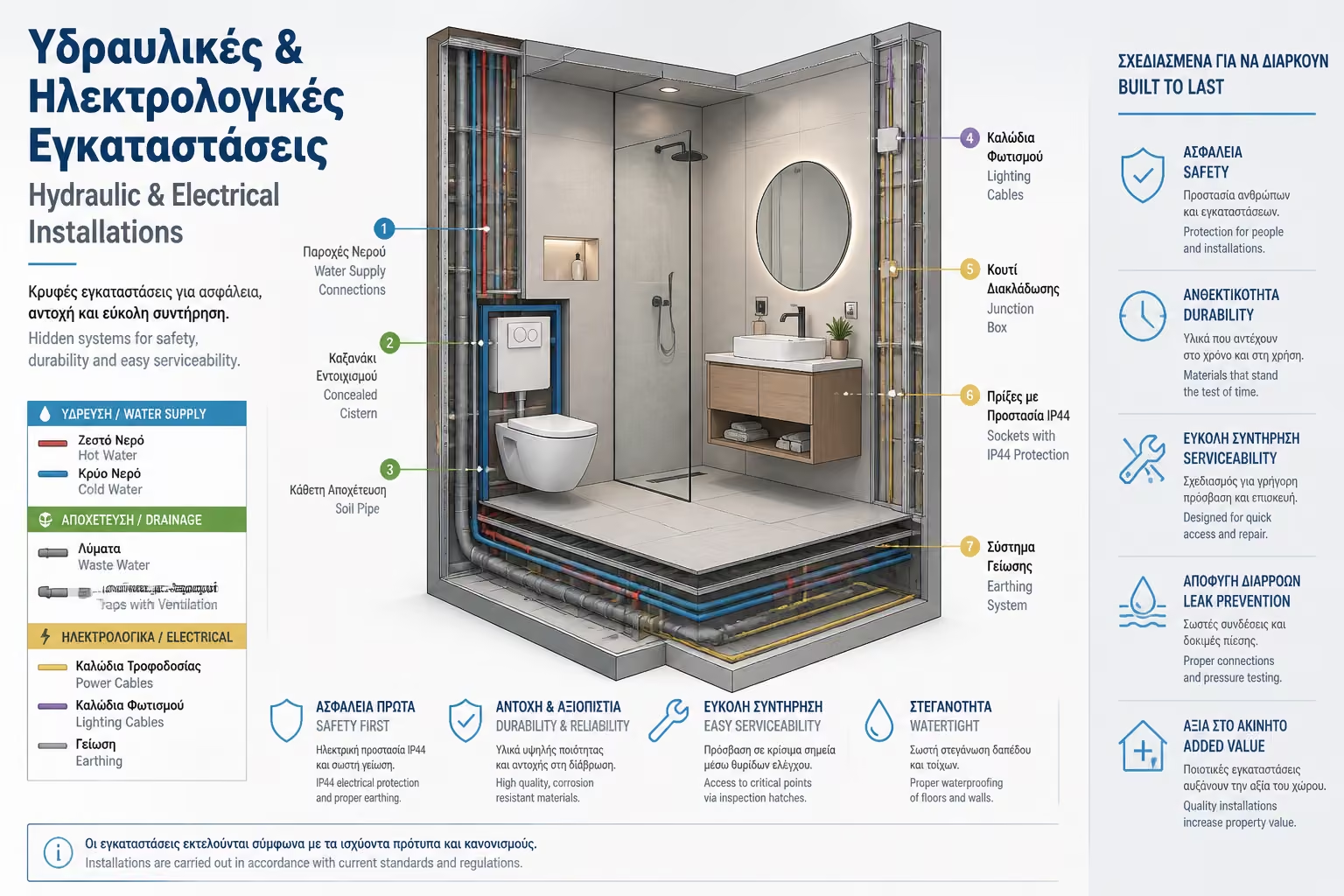
The real quality and durability of a bathroom are not hidden in the tiles or the furniture, but behind the walls and beneath the floor. Plumbing and electrical installations are the most critical technical infrastructures, determining the safety, functionality and lifespan of your investment. In this guide, we shed light on the invisible backbone of the bathroom: from choosing the right pipe materials and setting the correct drainage slope, to understanding strict electrical safety regulations, diagnosing common faults and transforming the space into a smart, efficient and eco-conscious environment.
The right choices in the water supply and drainage network are your best protection against future leaks and clogs. Here you will find detailed guidance on materials, technical specifications and the proper architecture of a system designed to last for decades.
Comparison of plumbing piping materials for bathroom renovation: copper, laminate, PEX and PPR. Time resistance, pressure, cost, advantages and pitfalls.
Read MoreWhat is a one-pipe water system with a catchment panel/manifold, how does it reduce hidden joints and why is it considered a safer solution against leaks.
Read More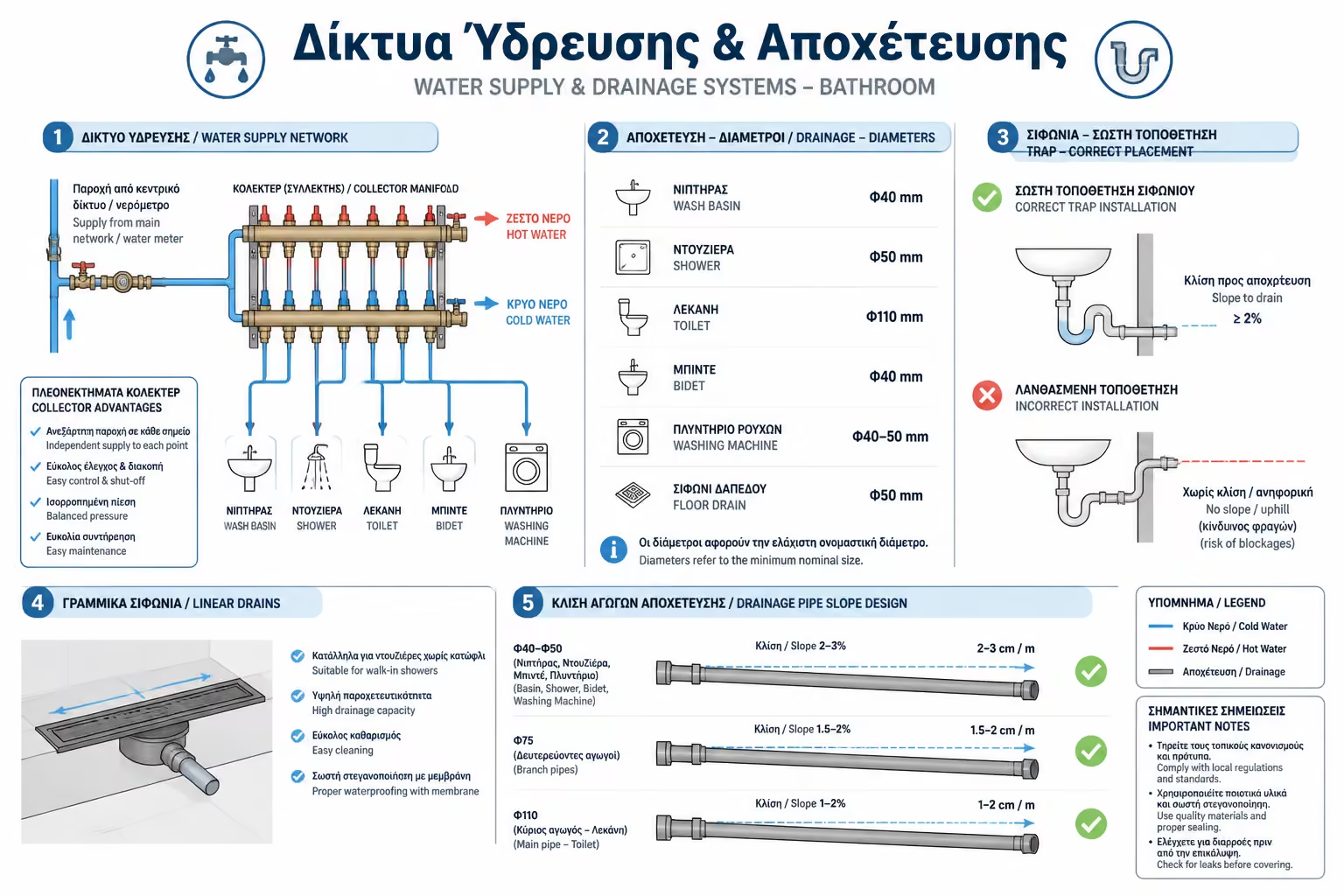
Guide to the correct cross-sections of bathroom drain pipes: Φ40 for washbasins, Φ50 for showers and Φ100/110 for basins. How to avoid clogs, odors and poor drainage.
Read MoreHow the floor drain in the bathroom works, how it prevents odors from draining, what is the correct installation position and what mistakes to avoid.
Read MoreLinear siphon selection guide for walk-in showers. Technical specifications, embedment depth, liters per minute, channel length, drafts and sealing.
Read MoreWhat wall drains and concealed shower drains are for walk-in showers, their advantages, technical demands, waterproofing requirements, cost implications and when they make more sense than a linear floor drain.
Read MoreTechnical guide for correct drainage network and bathroom floor slopes. When to use 1%–2%, how to avoid stagnant water, clogs and odors.
Read MoreTechnical guide for built-in cisterns: wall depth requirements, installation in brick or plasterboard, frame support and proper connection to central sewer column.
Read MoreWhy should hot and cold water piping be insulated in a bathroom renovation? Armaflex, thermal losses, water vapor condensation, "sweating" pipes and correct application.
Read MoreHow to reduce the noise from a faucet, basin and bathroom drain. Three-layer pipes, soundproofing collars, pipe decoupling and traps in bedrooms.
Read MoreWhy should corner switches and shut-off valves be included in every type of sanitation. Washbasin, basin, washing machine and maintenance without interruption of water throughout the house.
Read MoreBecause the drainage network must be properly ventilated. Pipe end on the roof, ventilation valves, siphoning and why the siphons empty when you pull the cistern.
Read MoreWhat is a water mains pressure or press test, when is it done and why should it be required before excavations are closed and tiles are installed.
Read MoreEven the best installations may need maintenance or can still develop faults. Learn how to diagnose the most common problems correctly, from low pressure and limescale to hidden leaks, and how to address them effectively.
Why is the water pressure or flow in the shower and sink dropping? Clogged battery filters, salts, corner switches, piping, pressure and hands-on testing.
Read MoreBecause there is low pressure or flow only in hot water. Water heater, safety valve, salts, mixing battery, filters and practical control steps.
Read More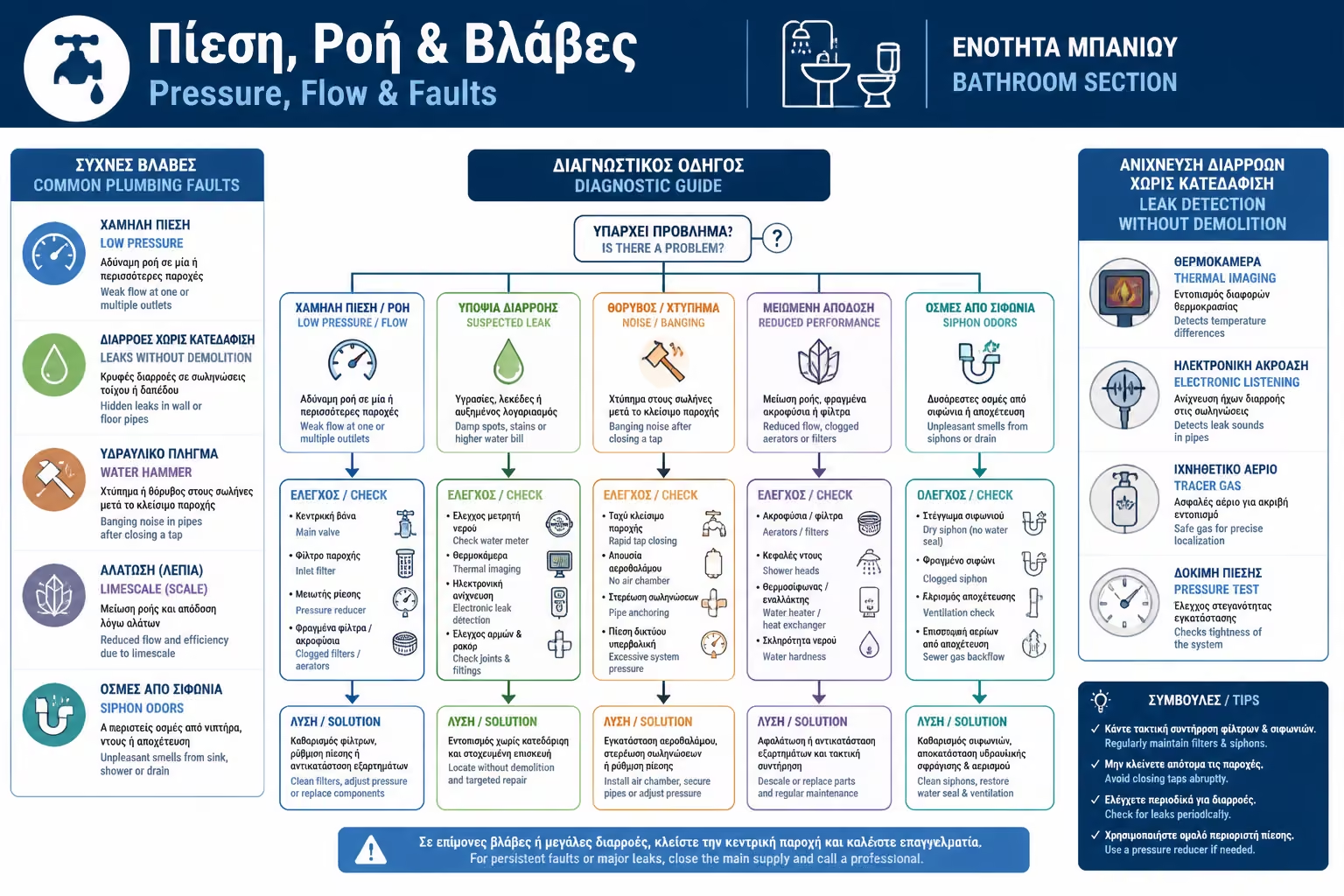
How high water pressure damages batteries, coils, faucets and water heaters. When is a pressure reducer needed in the central supply and what to look out for.
Read MoreHow to find hidden leaks in walls and floors without unnecessary digging. Cameras, hygrometers, acoustic systems, pressure control and practical steps.
Read MoreWhat is water hammer, why do you hear a metal knock in the pipes when the faucet is turned off suddenly and how is it treated with a pressure reducer, proper support and anti-hammer valves.
Read MoreWhy does water keep running in the basin? Diagnosing guide to cistern leak: float, exhaust valve, bubble, salt, overpressure and remedies.
Read MoreWhy a mixing battery drips and how to replace the ceramic cartridge mechanism. Steps, tools, precautions and when you need a plumber.
Read MoreWhy does brown, orange or rusty water come out of the tap, what does it mean for health, why does it appear after a break or in the morning and when iron pipes need to be replaced.
Read MoreHow hard water and salts reduce the cross-section of pipes, damage batteries and water heaters, and when a central supply filter or water softener is worth it.
Read MoreWhy does the temperature in the shower suddenly change when someone pulls the faucet or turns on the faucet. How the drainage panel, correct cross-sections and thermostatic batteries help.
Read MoreWhy the bathroom smells like a drain: empty siphon, lack of ventilation, bad basin sealing, siphoning, clogged drain and definitive solutions.
Read MoreWhy a floor drain or shower trap clogs, how proper mechanical cleaning is done, and why aggressive chemical drain openers often make the problem worse.
Read MoreHow to tell whether dampness behind the bathroom comes from a supply pipe, drainage fault, failed joints, or waterproofing, and which checks should happen before opening the wall.
Read MoreElectricity and water do not forgive mistakes. Strict compliance with safety rules is the most critical part of bathroom planning. In this section, we decode the regulations, product ratings and protective mechanisms required to keep the space safe.
What Section 701 of ELOT 60364 means in practice for sockets, lighting, water heaters, protection zones, RCDs, and overall bathroom electrical safety.
Read MoreA detailed guide to the protection zones around a bathtub or shower, what is allowed in each one, and how planning changes in walk-in showers and compact bathrooms.
Read More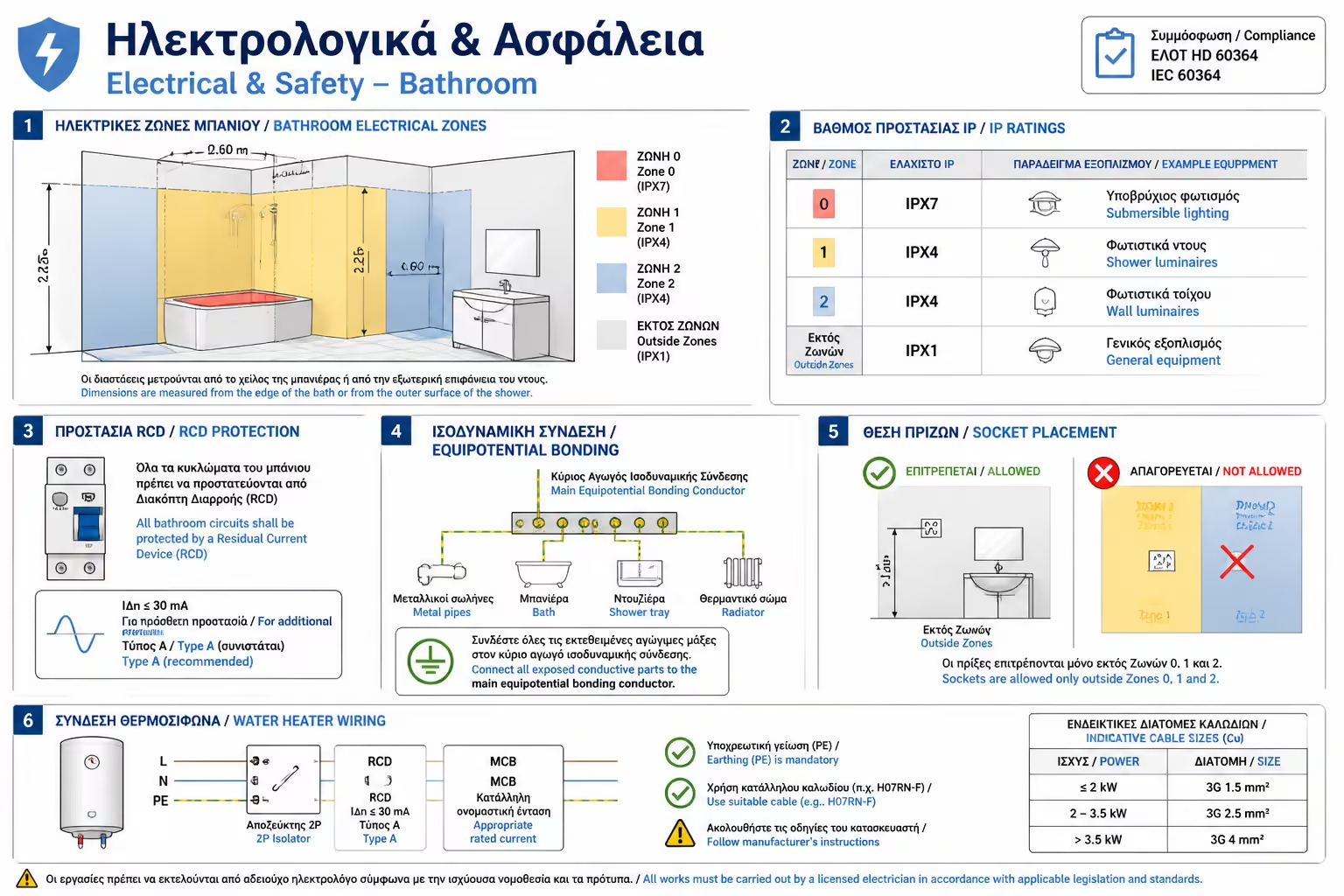
What IP ratings mean for bathroom lighting, fans, LEDs, and equipment, and how they work together with the protection zones to guide correct product selection.
Read MoreWhere sockets and switches may be placed in a bathroom, how zones, clearances, IP rating, grounding, and RCD protection interact, and why a cover does not fix a bad location.
Read MoreWhat equipotential bonding is in a bathroom, which metal parts it may involve, how it works together with grounding and the RCD, and why it matters in a wet, conductive space.
Read MoreHow an RCD works, why bathroom circuits need proper 30 mA protection, what it means when the device trips, and why it does not replace grounding or correct equipment placement.
Read MoreWhat a safe electric water heater or boiler installation requires: a dedicated circuit, correct cable sizing, board protection, RCD, grounding, and proper double-pole isolation.
Read MoreWhere an electric heated towel rail can be installed safely, which IP rating it needs, when a fixed connection is preferable, and how it ties into RCD protection and grounding.
Read MoreHow to choose safe lighting around a bathroom mirror, how splash exposure, IP rating, and RCD protection affect the decision, and why an LED mirror must be treated as an electrical device.
Read MoreWhat to know about LED strips, drivers, and power supplies in a bathroom, which IP levels are appropriate, where joints usually fail, and why driver placement is critical.
Read MoreHow to wire a bathroom extractor fan correctly, what permanent live and switched live mean, when a run-on timer helps, and how IP suitability, RCD protection, and isolation are checked.
Read MoreWhat it takes to place a washer or dryer safely in a bathroom: the right location, a dedicated or reinforced circuit, grounding, RCD protection, and no multi-plug shortcuts.
Read MoreHow to plan power behind the toilet for a future washlet or smart toilet, with the right outlet position, RCD protection, grounding, access, and coordination with the concealed cistern.
Read MoreThe bathroom of the future respects the environment while offering exceptional comfort. Discover how modern technology and smart automation can reduce resource consumption significantly and turn the space into a high-tech, functional retreat.
How aerators and eco-flow shower heads work, how pressure differs from flow, when water-saving claims are realistic, and how scale buildup and household supply affect the result.
Read MoreHow dual-flush mechanisms, correct float adjustment, and silent-leak control can substantially reduce toilet cistern water waste.
Read More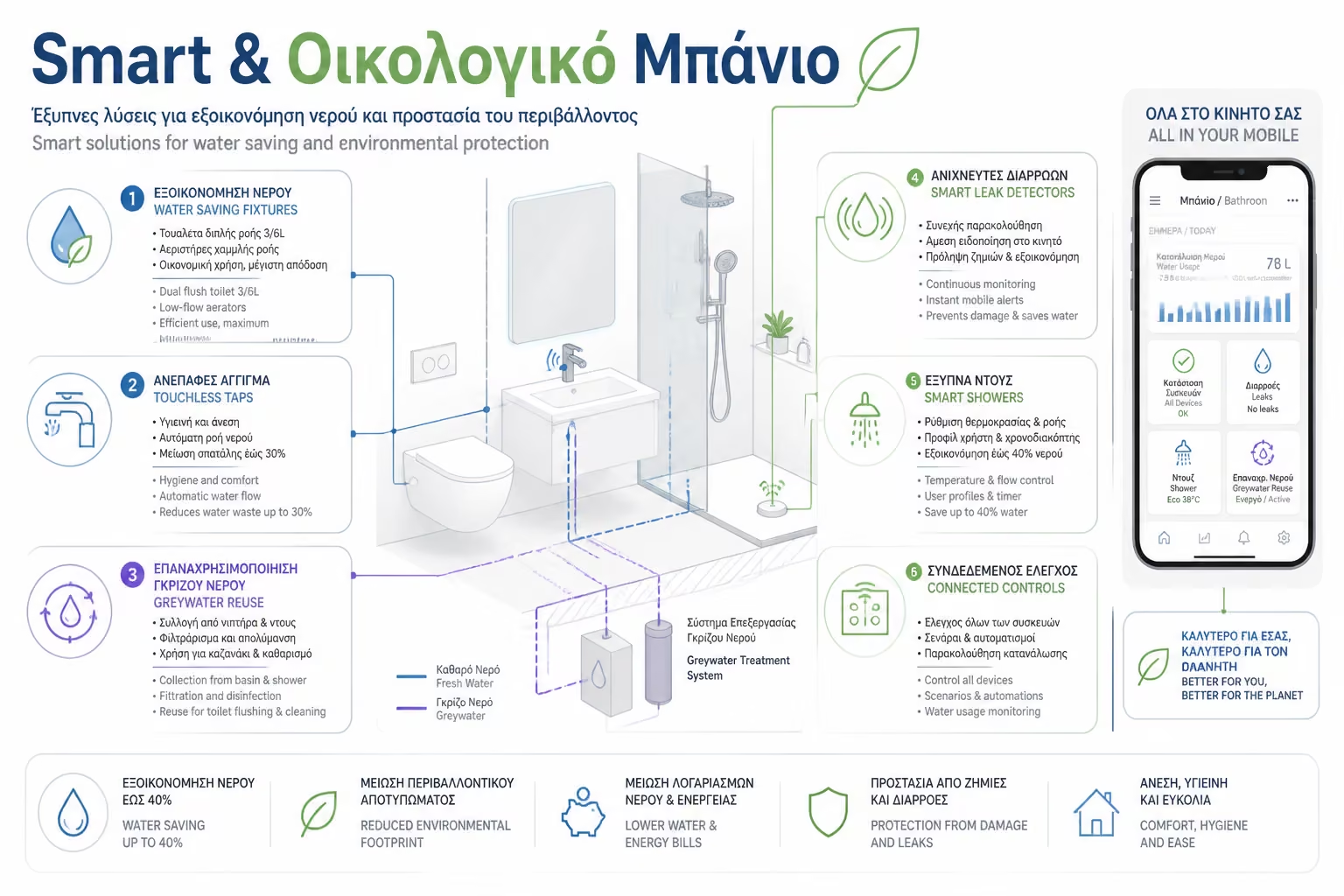
How touchless faucets work, when they genuinely save water, and what must be checked for power supply, maintenance, and bathroom safety.
Read MoreWhat a greywater-to-toilet system requires, what the correct system architecture looks like, and why hygiene, pre-treatment, and maintenance determine whether it makes sense.
Read MoreHow smart shower systems work, when user profiles and eco limits are genuinely useful, and which compatibility, service, and safety issues must be resolved before buying.
Read MoreHow smart leak detectors work, where they should be placed in a bathroom, and when they are worth pairing with an automatic shutoff valve.
Read MoreWhat smart toilets and washlets offer, which utility provisions they need, and when their comfort, hygiene, and maintenance profile justifies the investment.
Read MoreWhen a hygrostat fan is better than a simple timer fan, how it should be adjusted, and how placement, duct design, and electrical safety affect performance.
Read MoreWhich smart mirror features are genuinely useful, how anti-fog actually works, and what must be checked for lighting, power, IP rating, and installation.
Read MoreHow to build genuinely useful smart bathroom lighting with sensors, scenes, and the right choices in bulbs, switches, and control ecosystem.
Read MoreWhen smart heating control is worth it in a bathroom, how floor sensors and adaptive start work, and what limits the bathroom safety zones impose.
Read MoreWhat a smart boiler offers in remote control, alerts, and analytics, and which limits are set by correct sizing, hygiene requirements, and the electrical installation.
Read MoreReturn to the full bathroom guide to browse all thematic sections of the pillar.
Go to the guideIf you're planning a bathroom renovation, technical upgrade or design refresh, contact us for expert guidance.
Contact us