
Bathroom Surface Materials & Finishes
Return to category.
Go to categoryNatural marble in the bathroom has a charm that is hard to duplicate completely. Each plate has different waters, small natural variations, depth, movement and a sense of luxury that is not like a printed design. A marble bathroom can look timeless, tranquil, palatial or hotel-like, depending on the type of stone, finish and lighting.
But this luxury also has a technical responsibility. Marble is not porcelain tile. It does not have the same behavior in water, stains, cleaners and use. It is a natural stone, porous to a different degree depending on its type, sensitive to acidic substances and demanding in maintenance. If the owner chooses it just because "it's beautiful", without knowing what marble means in a wet area, he may be disappointed after the first few months.
The bathroom is one of the most difficult areas for natural stone. There is moisture, steam, salts, soaps, shampoos, cleaners, perfumes, hair dyes, cosmetics and everyday use. A marble can stain, dull, etch or show marks from acidic products. This does not mean that the marble necessarily "spoiled". They mean it works like a natural material and not like an industrial ceramic.
The crucial thing is to make the right choice and the right information from the beginning. Natural marble can go into a bathroom, but you need to know where it is worth it, where it needs attention, what kind of finish to choose, when it needs a sealer, what cleaners are prohibited and how often it will need maintenance. The sealer does not make the marble "invulnerable". It reduces absorbency and the risk of stains, but does not negate the need for careful use.
In this guide we will look at what a homeowner needs to know before choosing natural marble in the bathroom: from porosity and stains to special waterproofing, daily maintenance, costs and alternatives to porcelain imitation marble.
Marble is a natural stone derived from the metamorphosis of limestone rocks. Its base is mainly calcium carbonate. This explains its two main characteristics: its beauty and its sensitivity. Waters, veins and color changes result from the natural geological process. It's not a print, it's not a repeat, it's not an artificial pattern.
Just because it is a natural material, every slab is different. This is an advantage when we want a unique result, but also a liability when we want absolute uniformity. Two slabs of the same marble may have different waters, different intensity, different "clouds" or small natural imperfections. In a bathroom, this should be planned in advance, especially if large plates or bookmatch applications will be used.
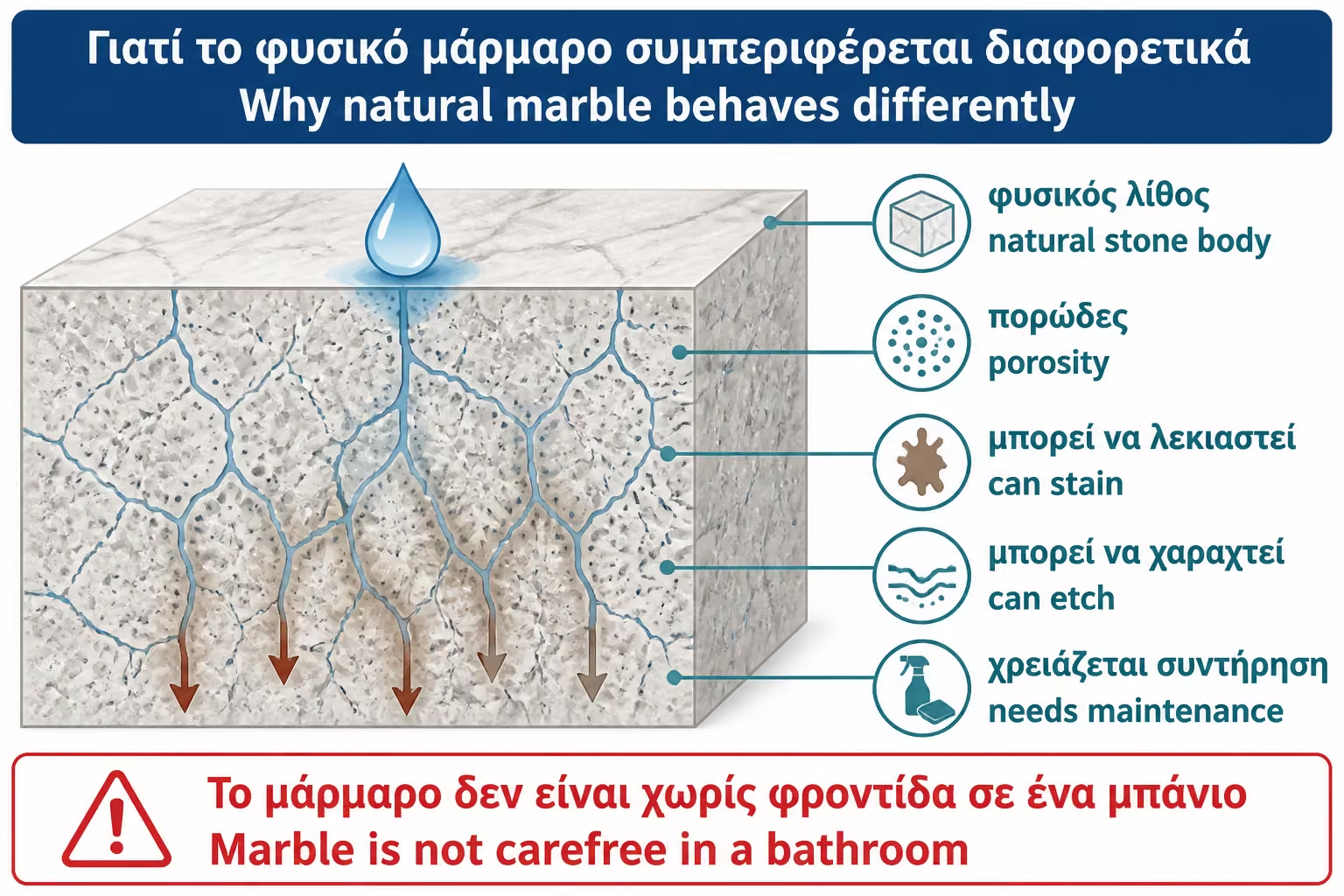
Unlike a porcelain tile, marble is not an industrially stable material with almost zero absorbency. Natural stone has pores and microcapillaries. It can absorb liquids, stain and be affected by chemicals. The Natural Stone Institute recommends cleaning natural stone with neutral cleaners, stone soap or a mild liquid detergent with warm water, as inappropriate cleaners can cause surface problems.
That doesn't make it inappropriate. It makes it demanding. Marble in the bathroom is a choice for an owner who wants natural luxury and accepts that stone needs care.
Porosity is the ability of a material to have small pores through which it can absorb liquids. In marble, porosity varies with stone type, density, finish, veins, microcracks and processing. Not all marbles are the same. A white fine-grained marble behaves differently, another strongly veined, another more "open" in structure.
In the bathroom, porosity has practical consequences. If water, soap, body oil, hair dye, make-up or cleanser gets on the stone, there is a chance that it will penetrate. The result may be a stain, dark spot, dullness or discoloration. On light colored marbles, stains look different than on dark ones. In very white stones, even minor alteration can be aesthetically disturbing.
A common example is the marble countertop. On the first day he looks impressive. After a few months, if bottles, soaps, perfumes or liquid cleaners come in contact with it, circles, dull spots or stains may appear. It is not necessarily the quality of the marble that is to blame. It's because marble shouldn't be treated like a ceramic countertop.
Absorbency refers to how easily a liquid can pass through the material. In marble, stains are not always created in the same way. Another is a stain from oil, another from rust, another from soap, another from hair product and another from water that dried leaving salts. The treatment of each case is different.
Oil stains can darken the stone. Pigments, such as hair dyes or strong cosmetics, can leave more difficult marks. Salts create white deposits on the surface. Acidic products like vinegar, lemon or some bathroom cleaners don't just create a stain. They can "eat" the surface and cause dullness or etching.
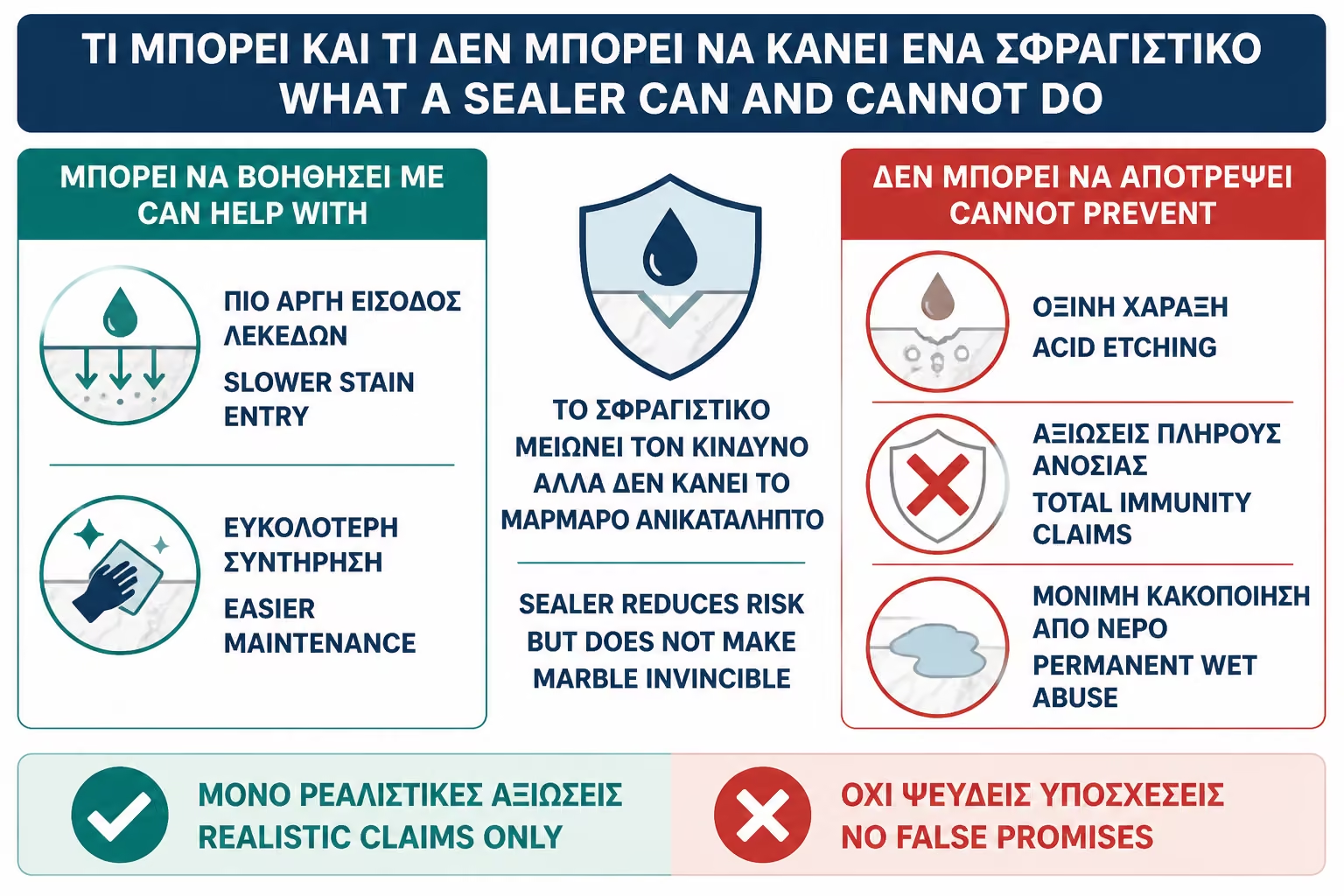
Stone can be largely protected with the right sealer, but it is not made invulnerable. A good permeable waterproofing reduces absorption and gives the owner time to wipe up the liquid before it penetrates. It does not mean that you can leave shampoos, oils, dyes or cleaners on the marble without consequences.
Many owners are afraid of stains, but in marble the most typical problem is often etching, that is the chemical corrosion of the surface by acidic substances. Because marble is calcium carbonate based, it reacts with acids. This can create dull spots, as if the gloss has been "burned" or removed locally.
The important thing is that sealer does not always protect against etching in the same way that it helps against stains. A waterproofer can reduce liquid absorption, but if an acidic cleaner reacts with the marble surface itself, it can cause dulling. That is why the natural stone cleaning instructions place great emphasis on avoiding acidic cleaners and using pH-neutral products.
In practice, etching is often seen around the sink. Toothpastes, cosmetics, perfumes, window cleaners, antibacterial products and acid cleaners can leave dull spots. On polished marble it looks very strong because the surrounding surface is shiny while the etching point looks matte. In honed marble it may be less visible, but it does not disappear as a risk.
Sealers are special protective products applied to natural stone to reduce its absorbency. The most common for marble are permeable or impregnating sealers. They do not necessarily create a visible film on the surface. They penetrate the pores of the stone and help repel water, oils and stains.
This is very important in a bathroom. A properly applied sealer can significantly reduce the risk of staining and make daily maintenance easier. But it does not make the marble "waterproof" in the absolute sense. It does not replace the waterproofing under the lining, it does not protect against bad silicones, it does not correct wrong slopes and it does not make the stone resistant to all cleaners.
It must also be renewed. Frequency depends on product, use, stone type and water exposure. Natural stone guides often refer to resealing approximately every 6–12 months for surfaces with use, while some high quality penetrating sealers can last longer under ideal conditions. In a bathroom, especially in the shower or around the sink, checking should be done more regularly.
There is a practical way of checking, known as water test. Pour a few drops of water on a clean and dry part of the stone and observe. If the water remains as a drop on the surface for a long time, the protection is probably working. If the marble darkens quickly or water is absorbed, it may need to be resealed.
This check does not replace a professional assessment, but helps the owner understand when the stone is starting to "thirsty". In bathrooms with frequent use, it is good to do it periodically, especially on counters, floors and shower zones.
The sealer application must be done on a clean, dry surface, with a product suitable for the particular marble and according to the manufacturer's instructions. If the marble has moisture in it or if the surface has not been properly cleaned, the result can be problematic. In expensive applications, large surfaces or especially marble, it is preferable to have it done by a natural stone professional.
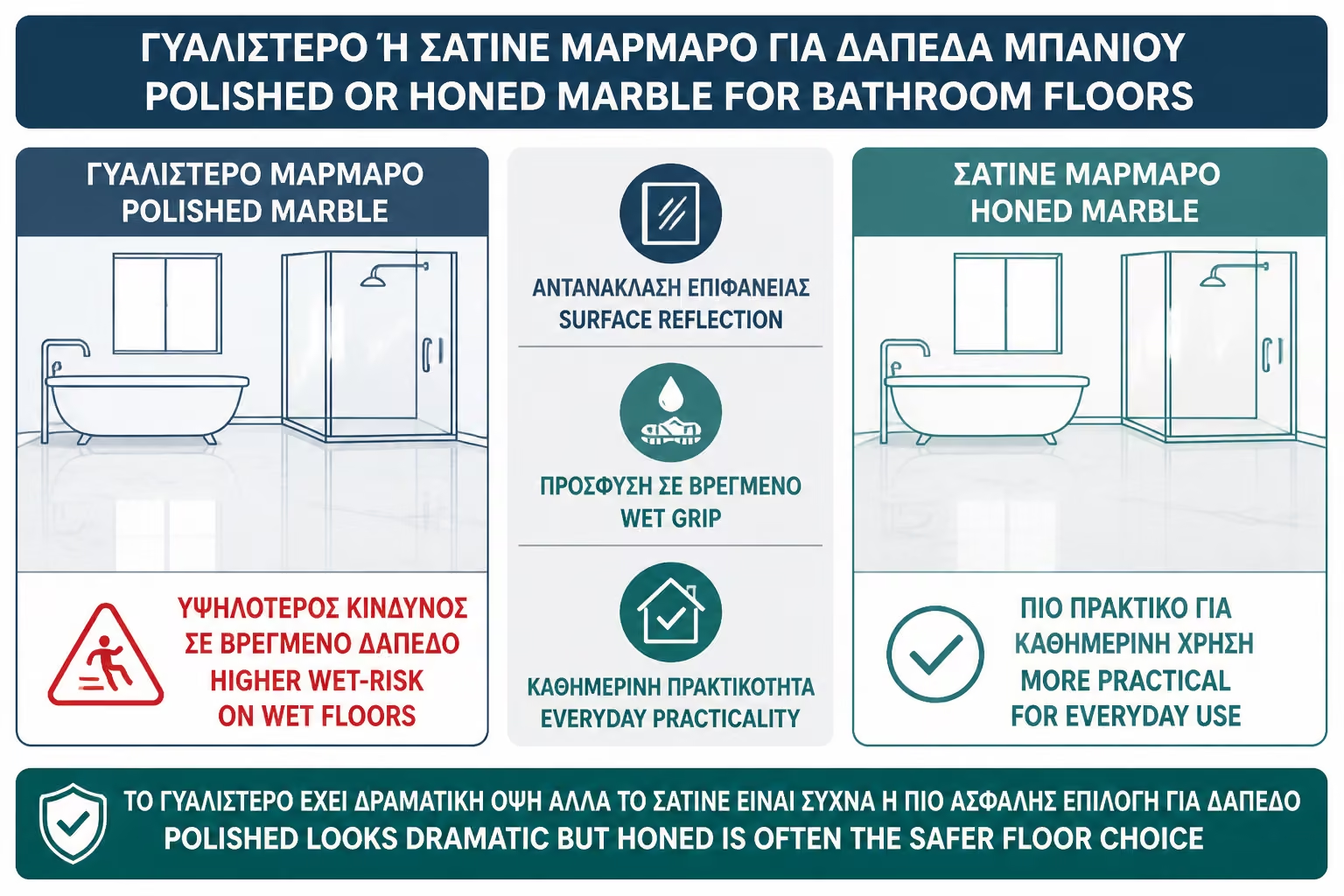
The finish greatly changes the behavior and image of the marble. Polished marble has intense luster, depth and luxury. It highlights the waters and makes the space appear brighter. But it shows scratches, etching, dullness and drips more easily. In a daily use bathroom, especially around the sink and shower, it needs attention.
Honed, i.e. matte or satin finish, is calmer and often more practical. It doesn't have the mirror-like shine, but it makes dull spots look less intense. For bathroom floors it is usually a more sensible choice than highly polished because it is less slippery and more subtle in wear. However, it can stain and needs a sealer.
There are also more textured or brushed finishes, which give a more natural feel and better grip. But these may hold more dirt or salts. In a shower, the balance is difficult: we want safety when stepping on it, but we don't want a surface that will be filled with soap scum and salts.
Marble on the bathroom floor gives an excellent image, but it is one of the most demanding applications. The floor receives water, footsteps, sand from slippers, cleaners and daily wear and tear. If it is polished, it can become slippery when wet. If it is honed, it is more practical, but still needs protection.
In a family bathroom with children, hard use and frequent moisture, natural marble on the floor needs serious consideration. It is not the most durable "no-brainer" solution. It can be great, but it will require attention to cleaners, prompt wiping of heavy stains, and regular maintenance.
In a master bathroom, guest bathroom, or bathroom with more controlled use, marble flooring may work best. There the use is gentler and the owner usually accepts the care that the material requires.
The shower is the most demanding zone for natural marble. There is constant water, soap, shampoo, salts, temperature changes and frequent contact with cleaning agents. Marble can be used, but is not a low maintenance option.
If marble is used in shower walls, there must be proper waterproofing behind the stone, proper adhesives, proper jointing, good silicones in the corners and a sealer suitable for a wet area. If marble is used on the floor of the shower, the issue of non-slip is also added. Polished marble on the shower floor is usually a problematic choice.
Also, salt in the shower is a daily issue. On dark marble they appear as white deposits. In white marble they may show less as a color, but the dullness and deposits remain. Using a water spatula after bathing and drying the surface helps a lot, but it's not something all users are willing to do every day.
The sink counter is one of the most beautiful and common marble applications in the bathroom. There, the stone is visible, stands out and gives a sense of luxury without necessarily covering the entire space. But it is also a point with a high risk of stains.
Soaps, perfumes, toothpastes, creams, razors, paints, bottles and metal objects rest on the counter. If the products remain on the surface for a long time, they can create circles, stains or dullness. Metal objects can leave rust marks if moisture is present.
For a sink counter, sealer is essential. Using a tray for products, avoiding permanent contact of bottles with the stone and immediate wiping of water also helps. A honed finish is often calmer to use than a highly polished one, but the final choice depends on aesthetics and the mood for maintenance.
If you want natural marble in the bathroom but don't want to take on the maximum wear and tear, walls are often the safest fit. A wall behind the sink, a zone around the bathtub or an accent wall can give all the luxury of marble with less daily stress than the floor.
On the walls, there is no pressing, no friction from shoes and wear is less. But there is moisture, especially if the wall is inside the shower. There the requirements for sealer, proper cleaning and avoidance of acidic products still apply.
A very good solution is to use natural marble on a limited surface-protagonist and more practical porcelain or ceramic on the remaining surfaces. Thus we achieve luxury without making the entire bathroom difficult to maintain.
We don't use the same cleaner on marble as we do on regular tiles. Many bathroom cleaners are acidic because they are designed to remove scale. What works well on ceramic tiles can damage marble.
Vinegar, lemon, strong acid cleaners, scale cleaners not labeled as suitable for natural stone, harsh detergents, improperly used bleach, wire sponges and abrasive powders should be avoided. Cleaning should be done with pH-neutral products suitable for natural stone or a mild cleaner approved for marble. The Natural Stone Institute recommends a neutral cleanser, stone soap or mild liquid detergent with warm water, as well as a good rinse and drying with a soft cloth.
In saline areas, the difficulty is greater because common anti-saline products are often acidic. That's where special products for natural stone or professional guidance are needed. Pouring a strong descaler on marble can create a permanent dullness within minutes.
Before you review the table, keep the following points in mind:
| Application | Advantages | What you should watch out for |
|---|---|---|
| Wall behind sink | Great aesthetic value, relatively little wear | Protection from cosmetics, soaps and splashes |
| Washbasin counter | Luxury, unique natural effect | Stains, etching, need for sealer and daily care |
| Bathroom floor | Single premium image | Slippery, ruts, water, maintenance |
| Shower walls | Impressive spa effect | Salts, soaps, sealer, proper sealing back |
| Shower floor | Very luxurious but difficult | Anti-slip, frequent moisture, salts, increased maintenance |
| Small decorative bands | Luxury at a controlled cost | Correct combination with other materials |
The painting shows that marble doesn't have to go everywhere to add luxury. Often, a well-chosen surface is smarter than completely lining the entire bathroom.
The cost of marble varies widely. It depends on the stone type, origin, rarity, thickness, finish, cuts, sorting, transportation and setting. Greek marbles may be more affordable than premium imported options, but even within the same category there are wide differences in quality and appearance.
For a practical picture, simpler options of natural marble in tiles can start from around €40–70/sq.m. as a material, while more special options, large slabs, selected veins, high-grade white marbles or imported stones can run much higher. In custom countertops, slabs, bookmatch applications and custom cuts, cost is usually not assessed per square foot, but per slab, cut, labor and detail.
Installing natural stone is also more demanding than simply installing tiles. It takes an experienced craftsman, a suitable natural stone adhesive, careful handling, proper jointing, clean cuts and often extra protection after installation. Labor costs can be significantly higher than a simple ceramic or porcelain tile installation. If the bid is too low, it should be checked to see if it includes the correct materials, sealer, cuts, polish/finish and protection.
This is one of the most essential decisions. Natural marble has a uniqueness, depth and materiality that cannot be completely duplicated. Anyone who loves natural stone sees the difference. On the other hand, imitation marble porcelain is much more practical for a bathroom. It has very low absorbency, withstands common cleaners better, does not need a sealer in the same way and is more predictable in use.
For a homeowner who wants the look of marble but doesn't want the maintenance, porcelain marble-look is often a better choice. For a homeowner who wants an authentic natural material and accepts its care, marble can be worth it.
The best solution may be a combination. Natural marble on a counter, alcove or accent wall, and porcelain on the floor or shower. So we keep luxury where it is most visible and practicality where there is more use.
Marble is a strong material aesthetically. It doesn't take much to stand out. It combines very well with white sanitary ware, natural wood, black or bronze details, minimal lighting and calm monochrome tiles. The mistake is to combine it with many strong materials at the same time.
If the marble has strong veining, the rest of the surfaces should stay quieter. An intense Calacatta-style marble along with wood, mosaic, black metal, and textured tile can feel overdone. Conversely, a marble wall with a plain beige or off-white floor can look much more refined.
In small bathrooms, marble needs moderation. A small bathroom clad all over with bright marble can look busy. A feature wall or bench can give the feeling of luxury without visually reducing the space.
The first mistake is the expectation that the marble will stay exactly as it did on the first day without care. Natural stone patinas, changes slightly, acquires traces of use. For some this is charm. For others it is a nuisance. You need to know which category you belong to before choosing it.
The second mistake is the use of inappropriate cleaners. A descaler can destroy the gloss or create dullness. Just because it says "for the bath" doesn't mean it's safe for marble.
The third mistake is the omission of sealer or its incorrect application. Marble in a bathroom must be protected with a suitable product and checked periodically. Sealer is not a luxury. It's part of proper usage.
The fourth mistake is installing marble in the shower without serious discussion about maintenance. The shower is a difficult environment. If the owner does not want to sweep, use special cleaners and renew protection, perhaps natural marble there is not the right choice.
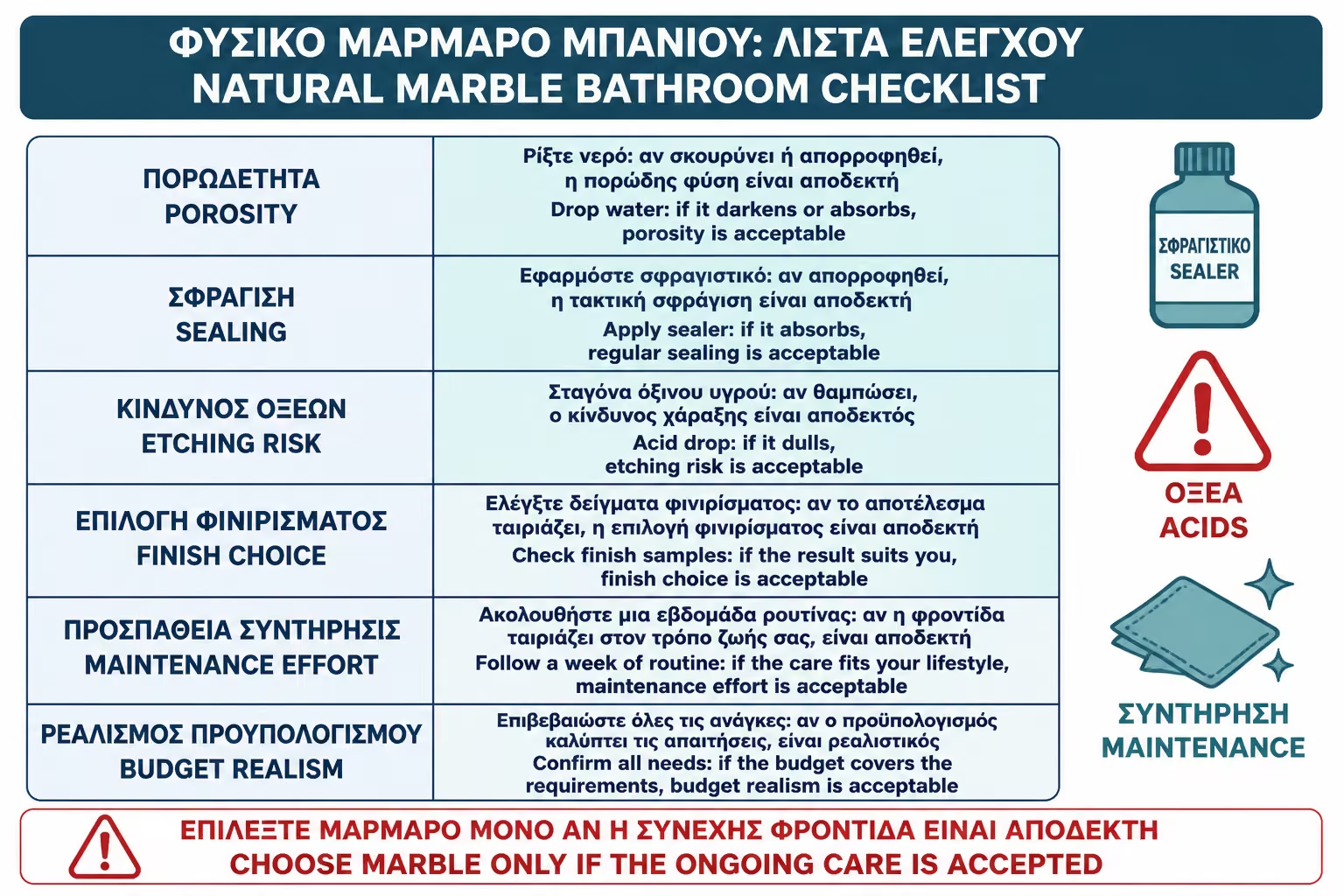
Before you review the table, keep the following points in mind:
| Question | Yes / No |
|---|---|
| Did you know that marble is a porous natural material? | Yes / No |
| Have you been informed about the risk of stains and etching? | Yes / No |
| Have you chosen a finish suitable for the use of the space? | Yes / No |
| Will a suitable sealer be applied before use? | Yes / No |
| Do you know when the sealer should be checked or renewed? | Yes / No |
| Have you avoided acidic cleaners, vinegar and common de-salting products? | Yes / No |
| If it goes in the shower, has it been tested for slip resistance and maintenance? | Yes / No |
| Is proper waterproofing provided behind the stone? | Yes / No |
| Does the craftsman have experience with natural stone and not just tiles? | Yes / No |
| Have you compared natural marble with porcelain imitation marble for your use? | Yes / No |
If the answer to most of the questions is “no”, the choice needs more study. Marble is not a material that should be bought just because it looks good in a photo.
If you want natural marble in the bathroom, first decide if you are willing to take care of it like a natural stone and not like a simple tile. Ask for a suitable sealer, avoid acidic cleaners, quickly wipe up water and products that remain on the surface and think very carefully about using it in the shower. Marble can provide unique luxury, but it is not a "set and forget" option. If you want the look without the maintenance, seriously consider a good imitation marble porcelain.
Natural marble in the bathroom is one of the most luxurious and timeless options, but it is not the easiest. Its beauty comes precisely from being a natural material: unique, alive, with water and depth. This naturalness, however, comes with porosity, sensitivity to stains, reaction to acidic substances and the need for maintenance.
The right decision is not simply "marble or no marble". It is where it will go, what marble will be chosen, what finish it will have, who will install it, how it will be protected and who will maintain it. On walls and selected points it can give an excellent result with a more controlled risk. The floor and shower need much more attention.
If you love natural stone and accept its care, marble can transform the bathroom into a highly aesthetic space. But if you want zero worry, strong cleaners, daily hard use and no maintenance, then a good porcelain marble-look will probably serve you better. Real luxury is not just about choosing expensive hardware. It is to choose material that suits the way you will live the space.
Return to category.
Go to categoryReturn to the central guide.
Go to guide